

Technology increasingly shapes people’s lives, and those effects continue to grow as we age. For some, new devices and apps bring comfort, safety, and liberation. But for others, they cause stress, confusion, and even isolation.
To better understand this complex relationship, we spoke with a group of older adults and their families about how tech had changed their daily routines. Many respondents cited both blessings and frustrations. So here are ten ways tech is making aging both easier and more challenging, based on what we learned through that survey.
Featured Image Credit: Shutterstock.
Smart home devices make it easy and complex

Voice-controlled lights, thermostats, and security systems can allow older adults the freedom to live independently and safely at home. But if the Wi-Fi goes down or a smart bulb malfunctions, suddenly even simple tasks like turning on the lights require outside assistance.
Health trackers give peace of mind, but also anxiety

Heart rate monitors, sleep and step trackers on watches and fitness bands can help to spot early warning signs of health problems. But constant notifications about “irregular heart rhythms” or missed goals can also lead people to obsess over numbers and feel like they are failing their own bodies.
Video calls ease loneliness, but highlight distance

Seeing family on a screen rather than just hearing them through a phone line is especially meaningful for grandparents wanting to keep up with their growing grandchildren. Still, video calls can also be a stark reminder that hugs and shared meals are taking place miles away, deepening the pain of physical distance.
Online shopping brings convenience and temptation

Groceries, prescriptions, and other essentials that are delivered to the door are a godsend for people who find driving or walking difficult. But with so many deals and one-click buying options, it’s easy to overspend, impulse-buy, or fall prey to scams that target less tech-savvy older adults.
Digital photos preserve memories, but create clutter

Smartphones and online storage make it possible to capture every precious moment without having to store physical albums. But over time, thousands of unorganized, unsorted photos can become overwhelming, making it hard to find those meaningful memories among the duplicates, screenshots, and miscaptures.
Online health portals improve care, but create confusion

The ability to view lab results, medications, and doctors’ notes on an online portal can make it easier for older patients to manage their health care. But complicated logins, frequent software updates, and impenetrable medical jargon can also leave patients more stressed out than informed.
GPS gives confidence, until it doesn’t

Navigation apps make it less stressful to drive around, especially for those who are noticing their memory or reaction times slowing. But a single wrong turn caused by a misread or misinterpreted instruction from the GPS can lead to panic or even a dangerous situation on the road.
Social media offers connection, but spreads misinformation
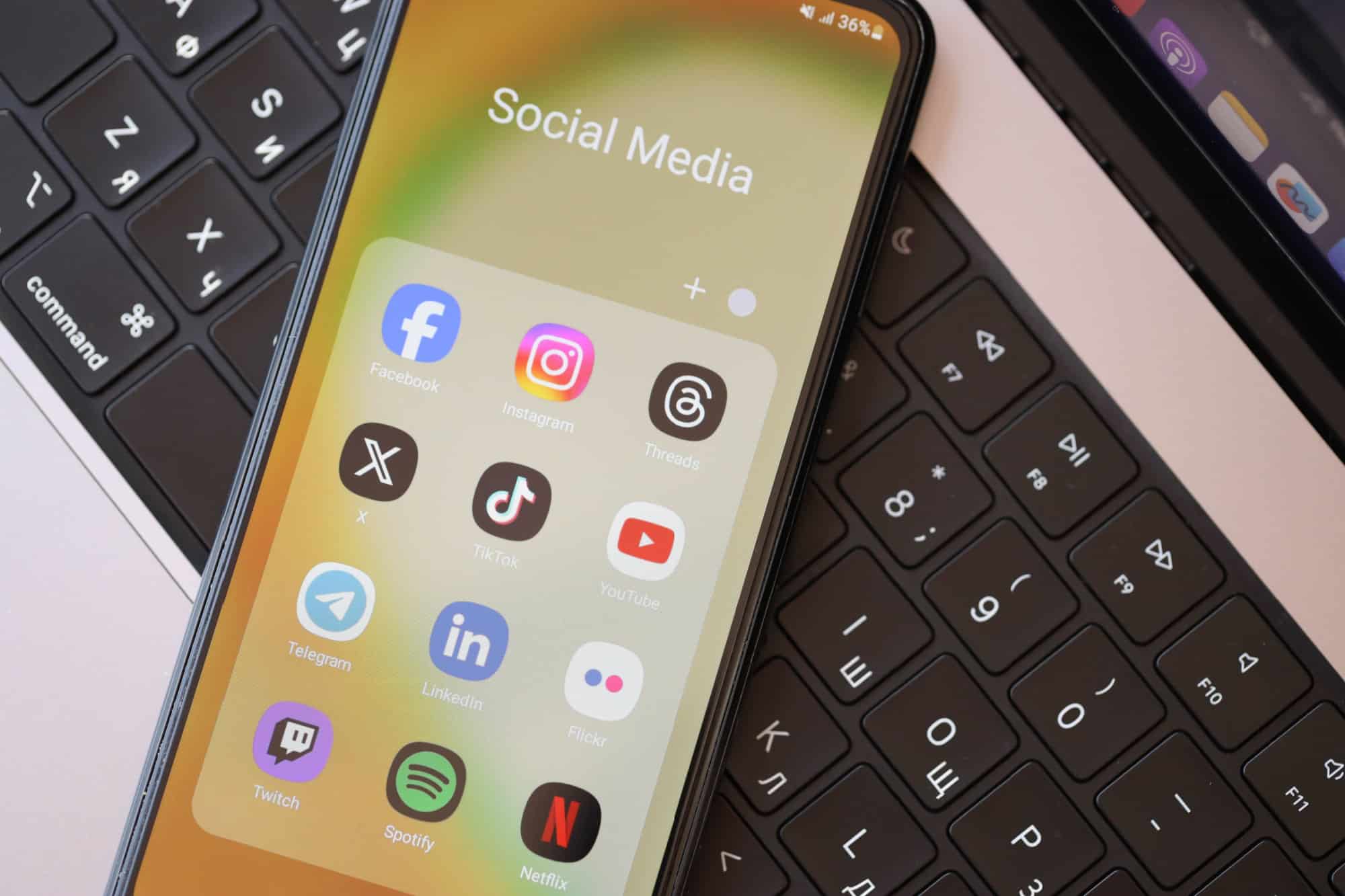
For seniors who want to keep up with family and world events, staying active on Facebook or Instagram can be a powerful way to feel included and connected. Unfortunately, those same platforms can also be filled with misleading or false health advice, scams, and other fake news that are both hard to spot and hard to resist.
Streaming entertainment removes barriers, but erases shared rituals

Streaming movies, TV shows, and even sports from home is a huge blessing for anyone with mobility or other challenges. At the same time, the old tradition of sitting down as a family or with friends for a favorite weekly TV show has disappeared, making entertainment a more solitary activity.
Passwords protect privacy, but create endless headaches
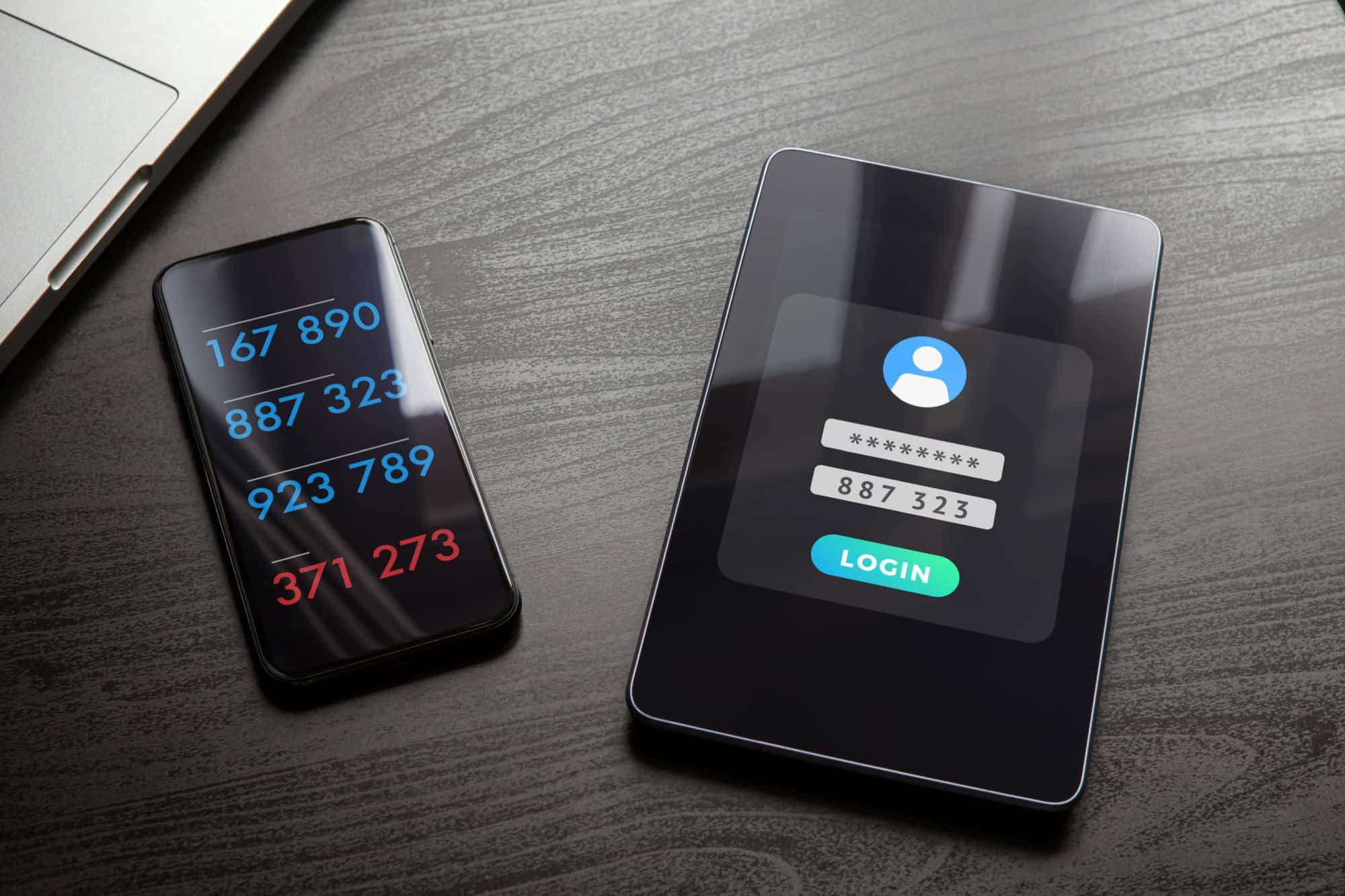
Having to remember strong and unique passwords for every app and website is great for online security. But for older adults who have to juggle banking, medical portals, streaming accounts, and social media, tracking and remembering dozens of different logins and passwords can seem like a full-time job. One forgotten password can lock them out of vital services.
Like our content? Be sure to follow us.