

Hotels don’t exactly hand out certificates for banned guests. But they do keep notes on people who cause them too many problems & get banned accordingly, even when hotel guests don’t realize they’re in the wrong. Here are eleven hotel habits that get guests blacklisted, according to some hotel managers we spoke to. Have you ever done any of these?
Featured Image Credit: Shutterstock.
Repeatedly reversing valid charges
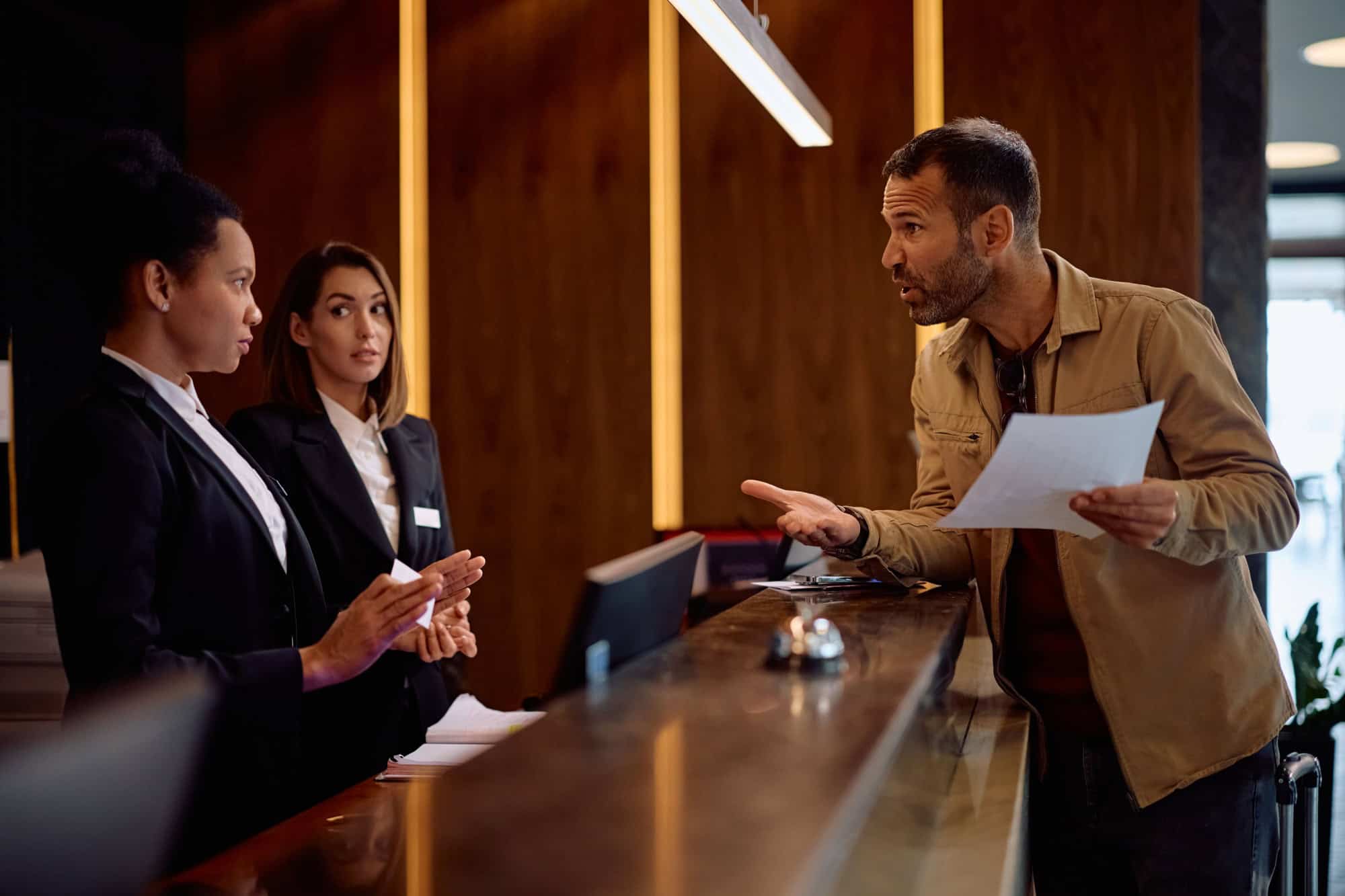
Some guests continually dispute hotel charges for one reason or another, and this costs hotels time & money. When the same guest keeps pushing chargebacks, like over smoking fees or minibar snacks, they’ll get blacklisted to save the hotel from any drama. They’d rather go without.
Tampering with smoke detectors or alarms
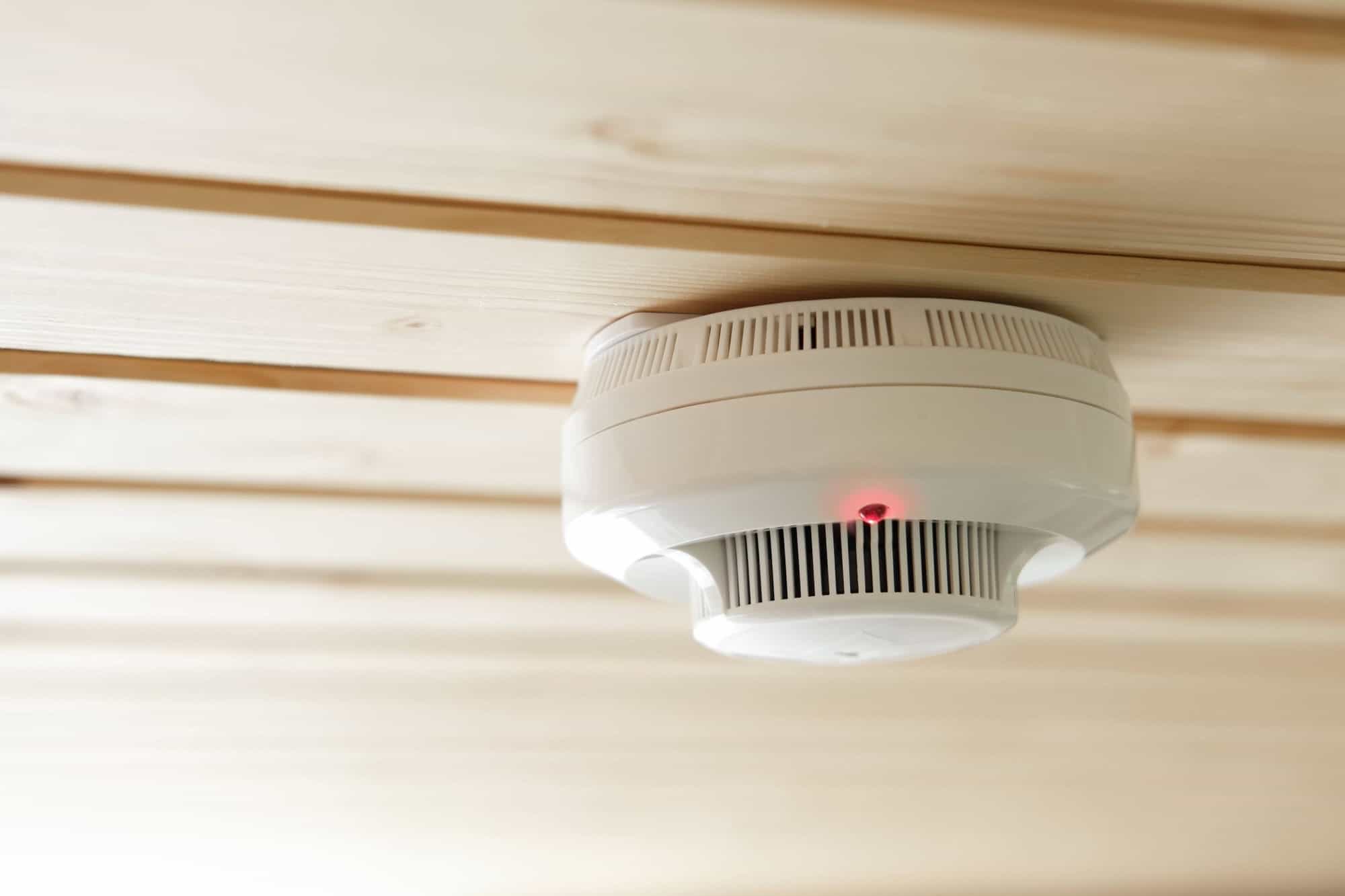
Yes, it sounds bizarre, but it happens more than you’d think. A few guests cover detectors with plastic bags or tape so that they’re able to smoke in peace. However, hotels take fire safety rather seriously & they’ll kick you out fast, while also billing you for the damage. Don’t expect to be allowed to book again under the same ID.
Hanging stuff on fire sprinklers
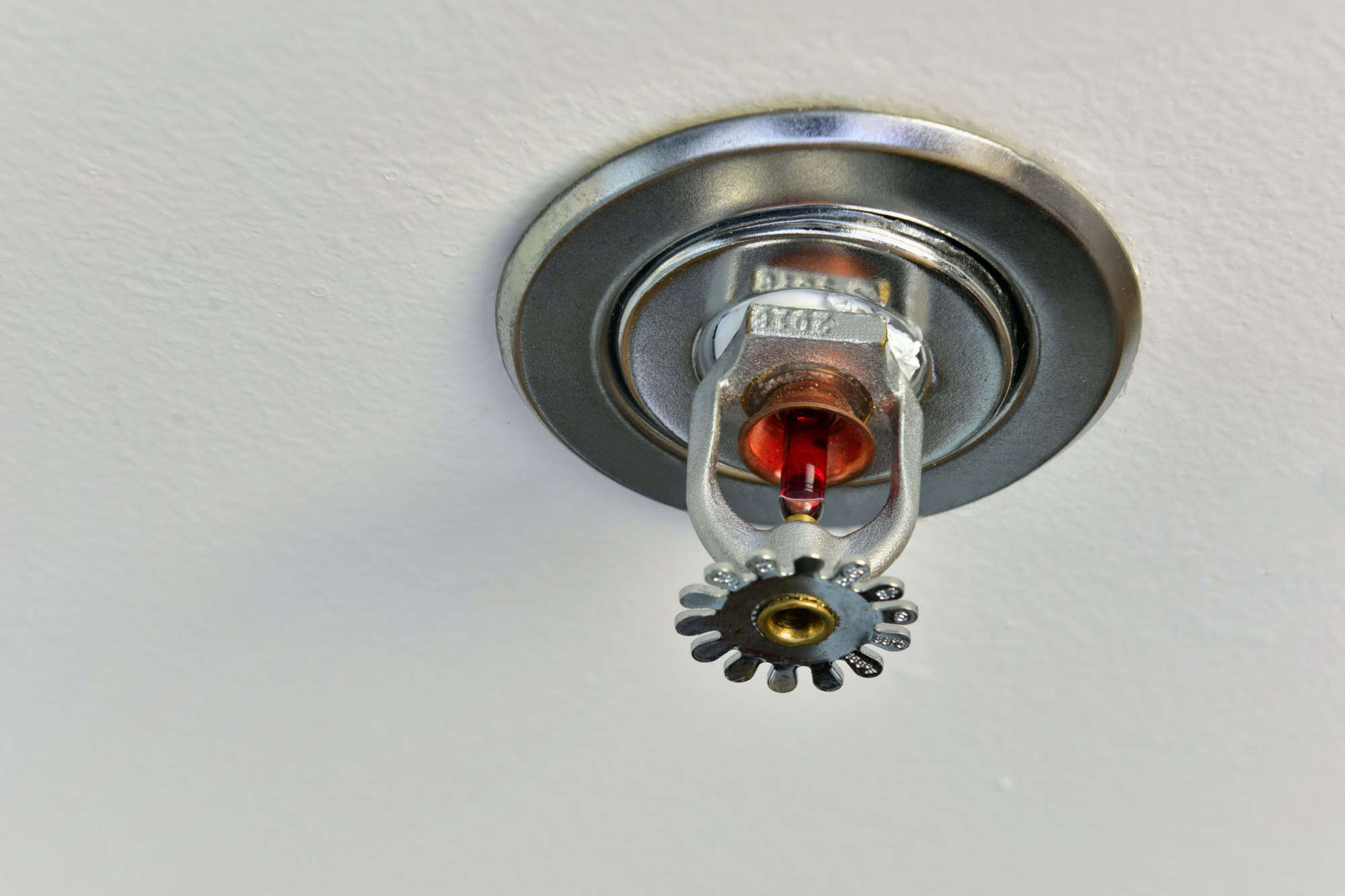
Fire safety doesn’t end there. While those little sprinkler heads on the ceiling may look like hooks, they’re not. Hanging a coat or a hanger on one could set off gallons of water & leave the floor soaked. Unfortunately, hotels pay for the cleanup. The guest who caused it will have to pay, too, and they usually find they aren’t able to book again.
Propping open side doors or fire exits
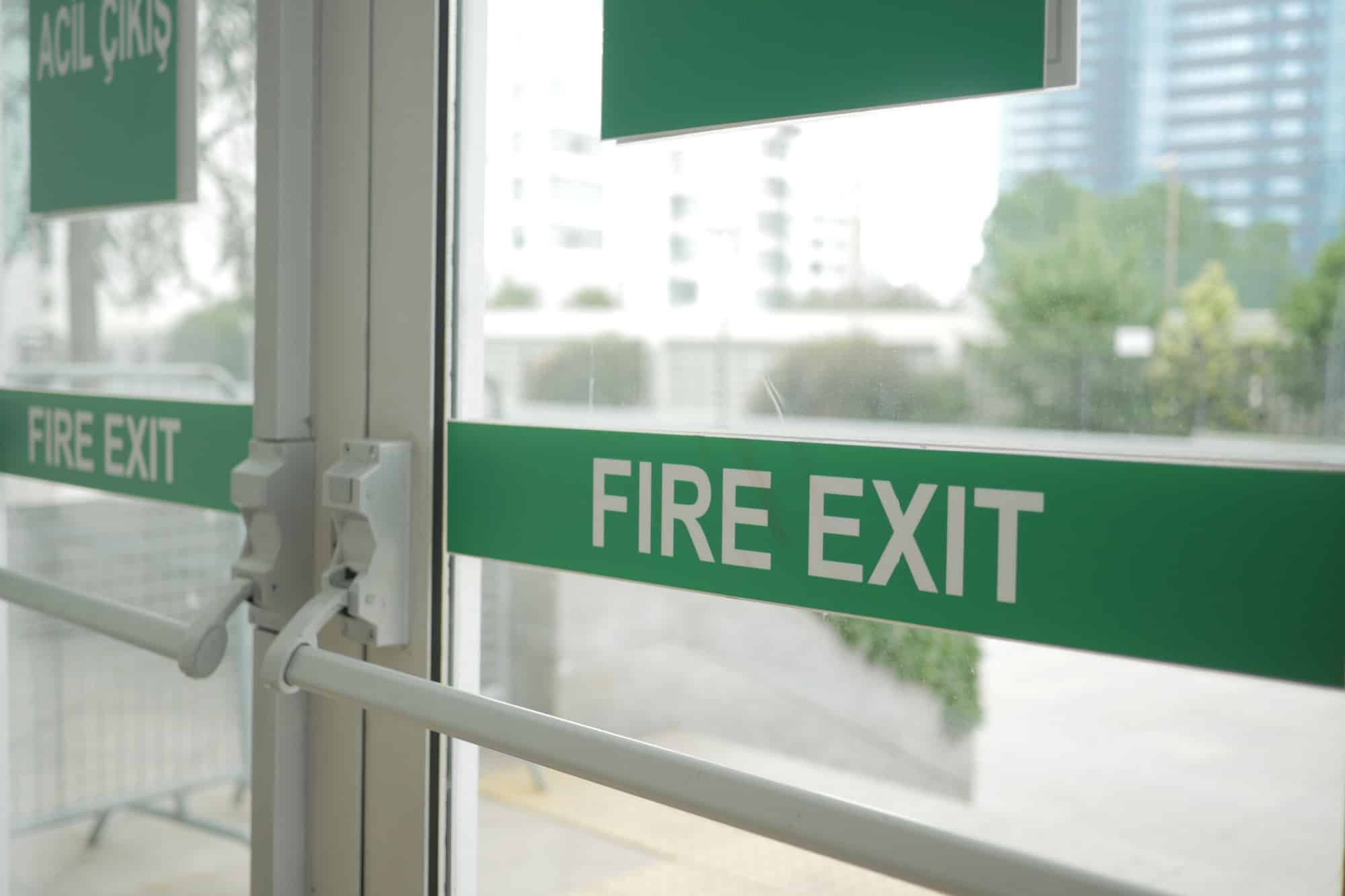
Security teams really dislike seeing fire doors being wedged open with shoes or trash cans, as it creates both safety & security problems. Most managers treat it seriously. But even after warnings, some guests keep doing it for convenience, and that habit often means the stay ends early. The guests may be blocked when trying to book at the same place again.
Turning the room into a set or business venue
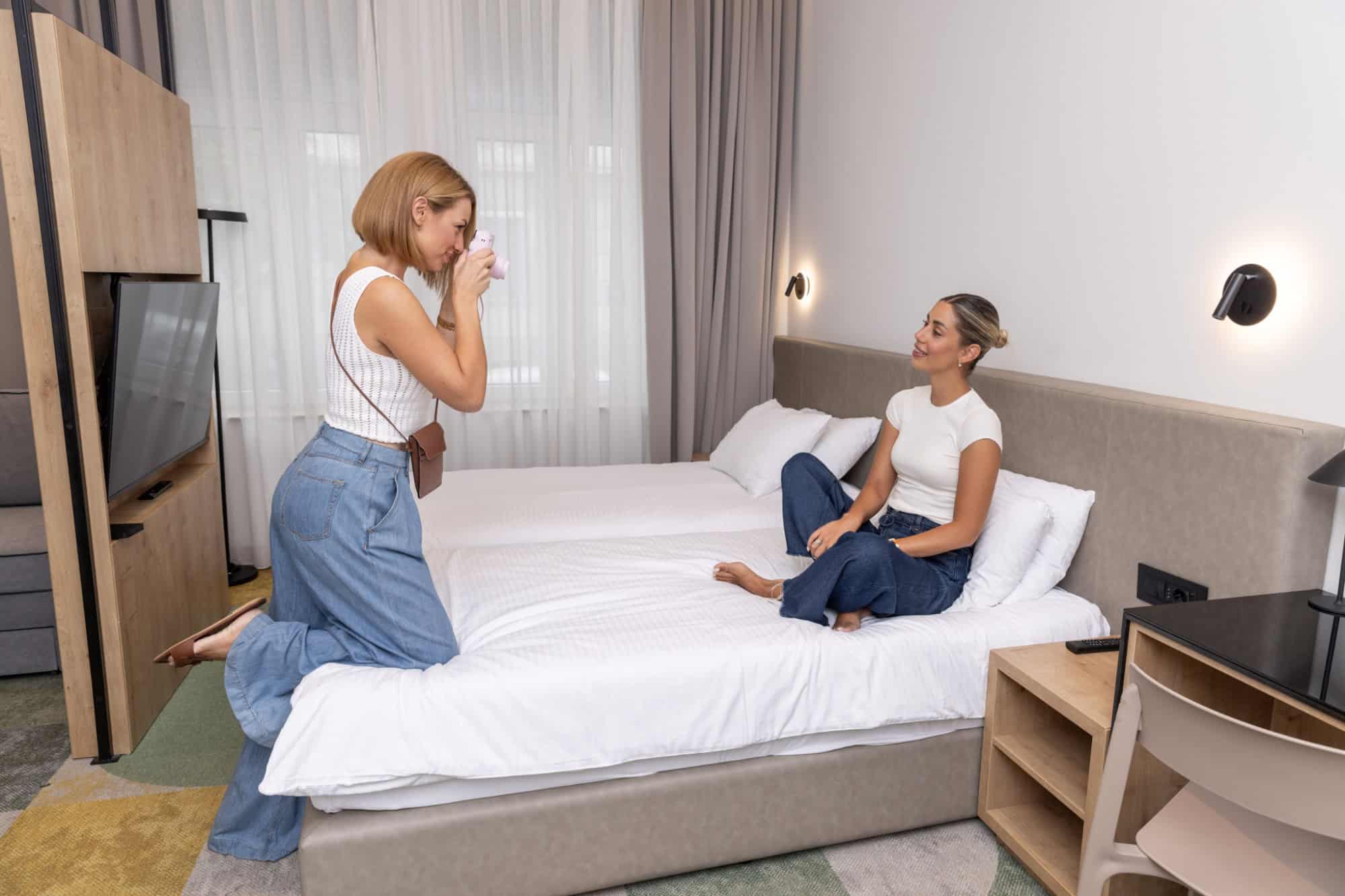
Rooms are for sleeping & relaxing with takeout, not for staging a photo shoot or running a pop-up store. Hotels are aware when lights or uninvited customers show up, with most properties having rules against this. Breaking them just once may be enough for them to ban you from all of their properties.
Sneaking in extra occupants or late-night visitors
It may seem harmless to let friends crash or invite people over after curfew. But hotels count heads for safety reasons, and whenever housekeeping notices extra guests, they may get security involved. That’s not to say they’ll ban you immediately. However, should warnings fail, they’ll likely cancel your reservation and stop you from booking again.
Threatening, harassing, or menacing staff
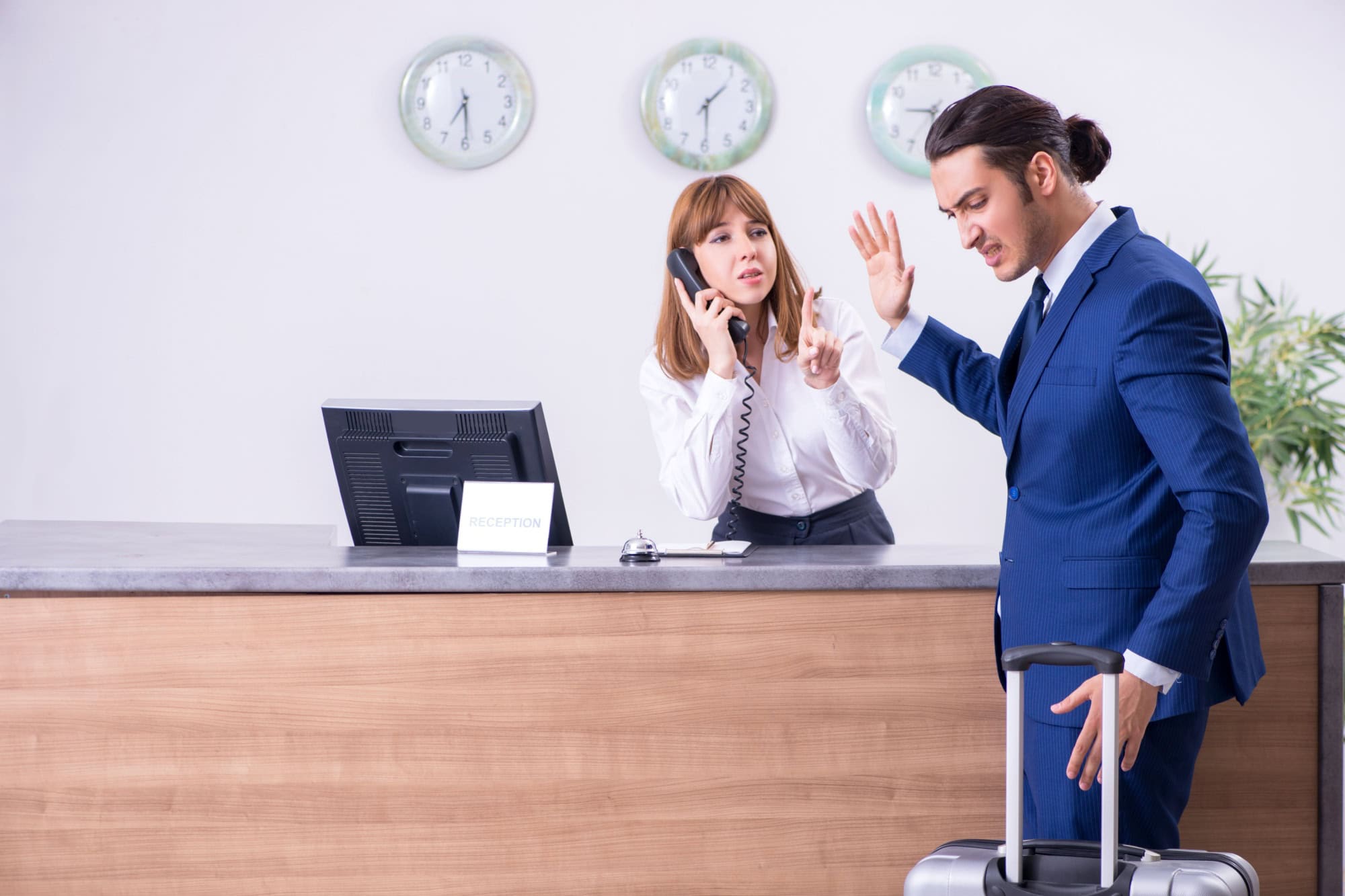
Front desk workers & housekeepers deal with a lot, including guests who cross the line a few too many times. It could be yelling or threatening, maybe something worse, but it could lead to you being banned from the brand. They don’t forgive aggressive behavior, and they certainly don’t forget it, either.
Charging e-bikes or big batteries in the room
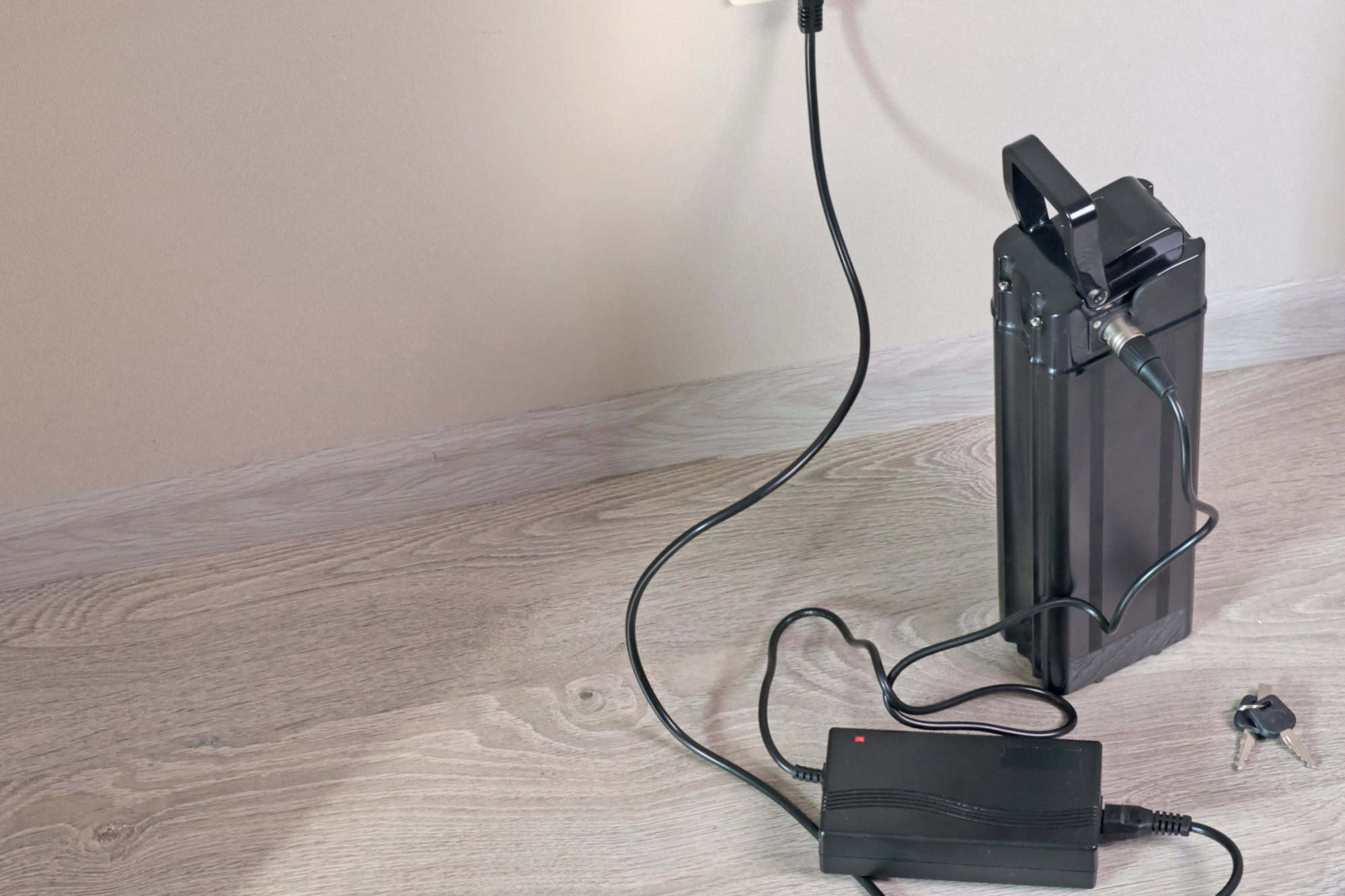
Plugging in scooters or e-bikes inside is a huge fire risk & a few accidents have made hotel managers extra cautious. They’ll keep an eye out for chargers and large battery packs. Anytime that someone’s caught running cords across the carpet after being told not to, they’re unlikely to be welcome back.
Flying drones from the balcony or around the grounds
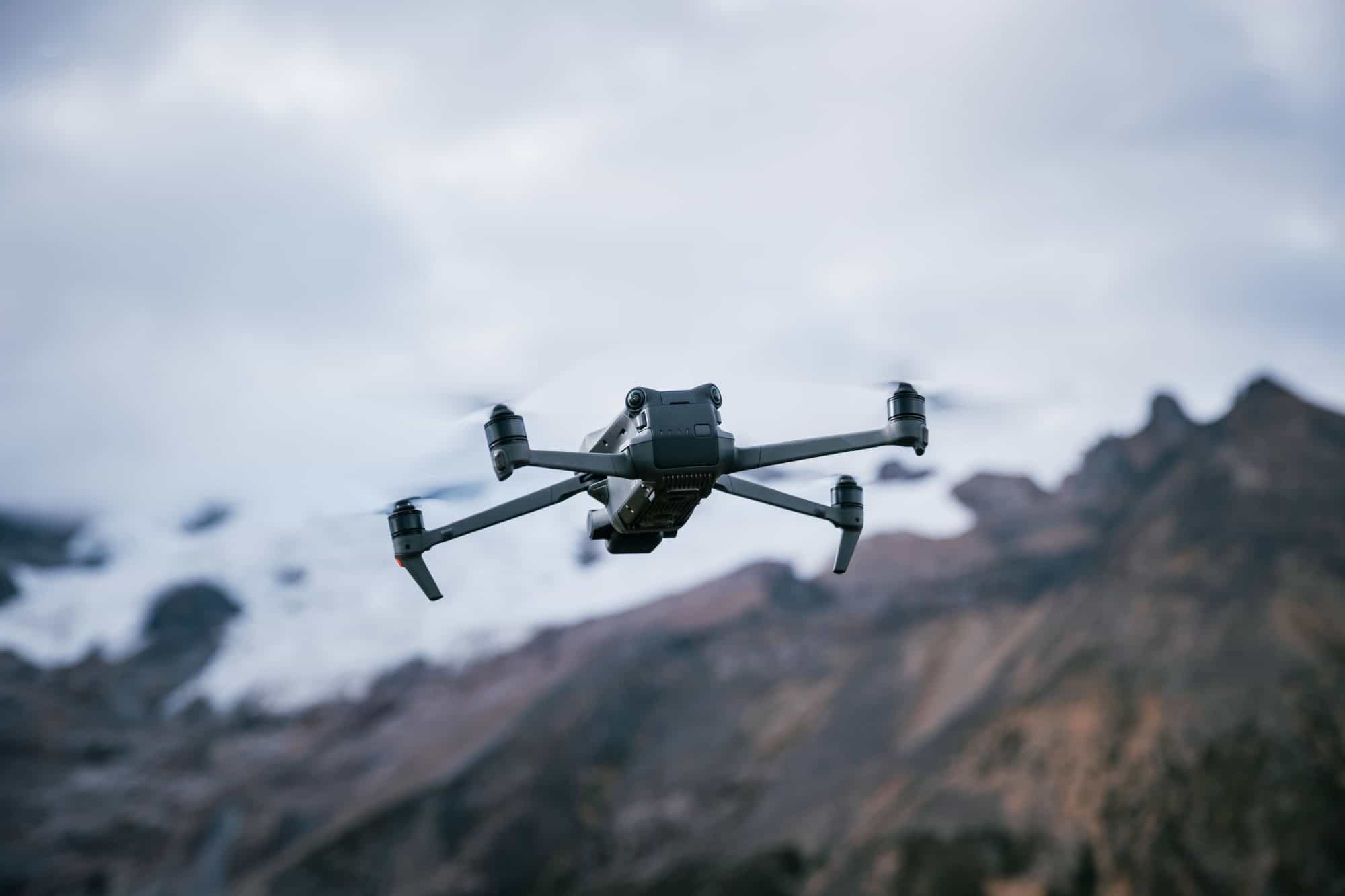
Drones buzzing overhead are sure to ruin any vacation, which is why hotels near beaches & pools have explicitly banned them. These bans are especially popular at resorts that host weddings or events. However, some guests will still ignore staff instructions and keep flying. They’re often asked to leave early, and their names are flagged so it doesn’t happen again.
Using the hotel as your package hub

Sure, it’s okay for front desks to handle deliveries now and then. Yet turning them into your personal warehouse doesn’t go over well, especially when boxes pile up or constant deliveries waste staff time. One stay like that may be enough for hotels to refuse future reservations for the same guest.
Blocking required room wellness checks
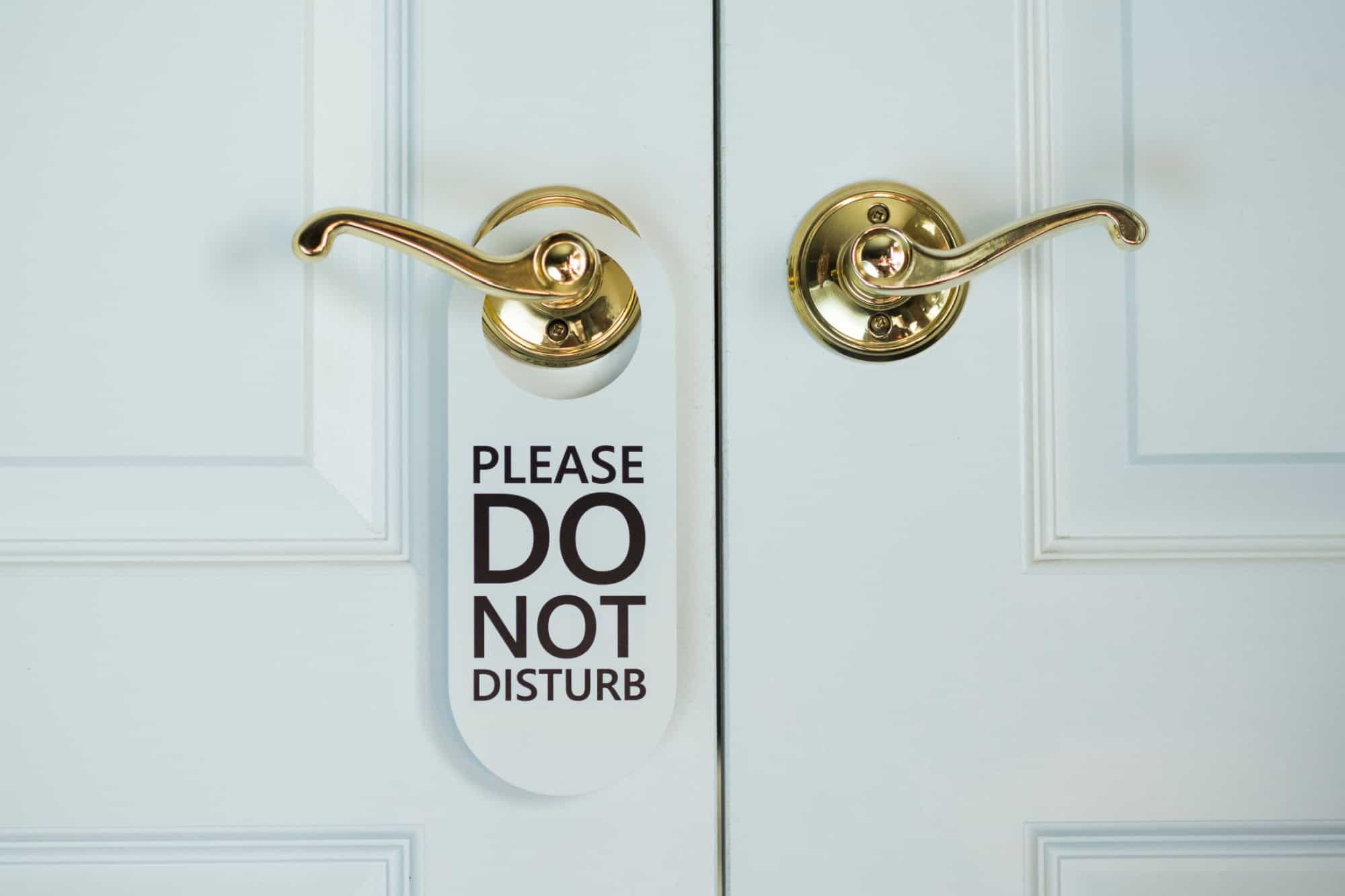
Hotels are quite strict about checking rooms when “do not disturb” signs hang for too long, since they don’t know what’s going on behind closed doors. The staff has to enter after a set number of hours. Guests who argue every time or refuse access make things harder than they need to be, and their names won’t stay in the system for future bookings.
Like our content? Be sure to follow us.

