

Long before search engines, generations of students learned how to find information one index card and call number at a time.
Spatial memory mapping
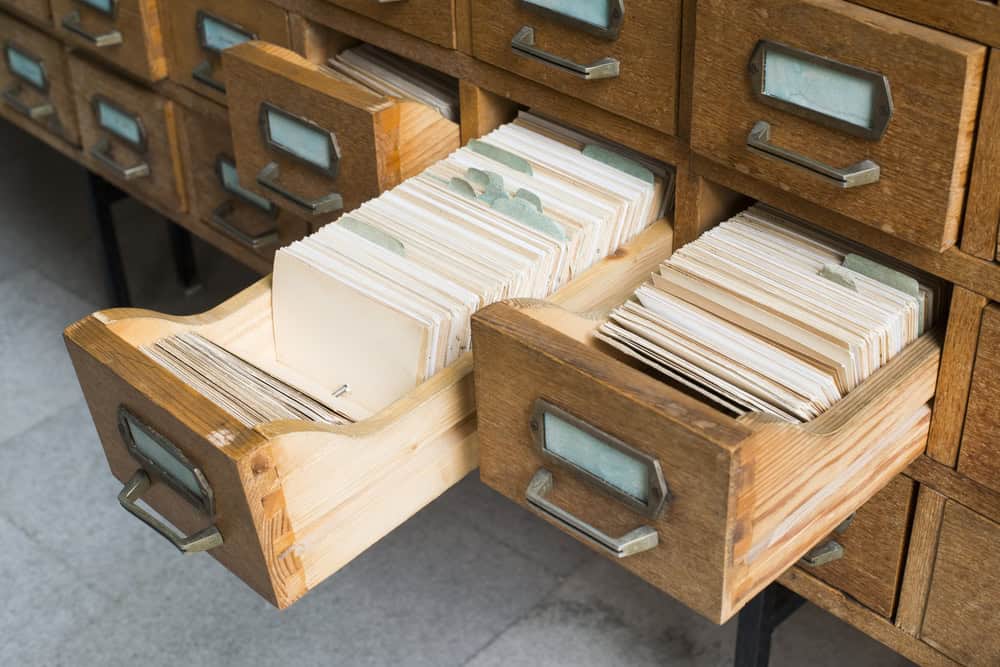
A card catalog required us to remember locations in space: of wooden drawers, of cards within those drawers, and rows of drawers on a library floor. When we riffled through the index cards, we mentally mapped our idea to a particular spot in space among other topics.
Search engine results populate on your screen in a flat list that all feels and looks the same, robbing our memories of spatial connections.
Spotting hidden surprises
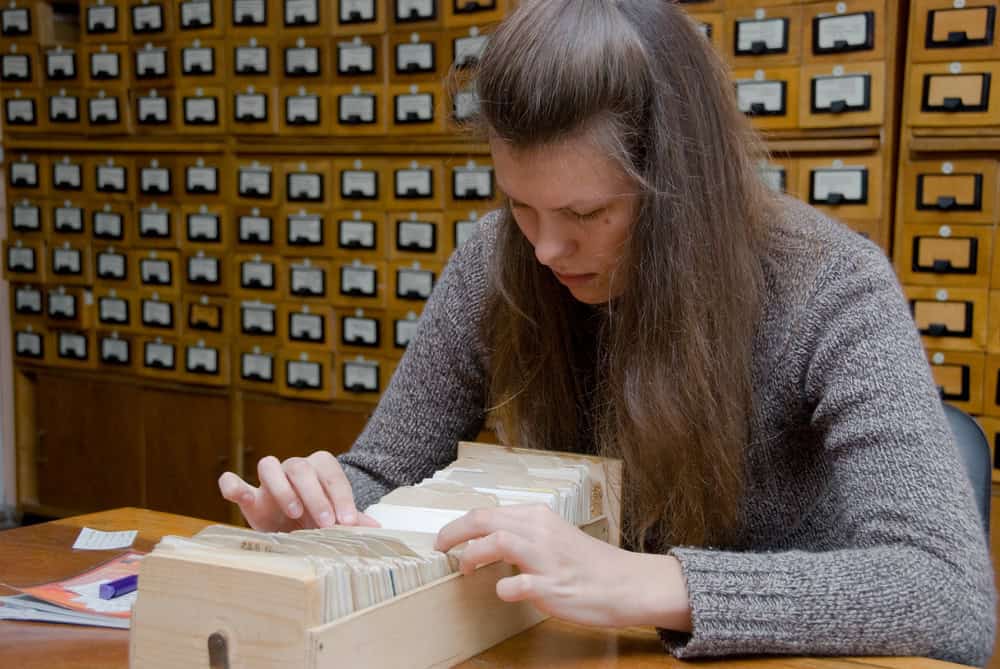
Searching a card catalog randomly allowed you to see neighboring cards, see related information through cross-referencing, and stumble upon subjects you were never initially seeking. Sometimes, items that were shelved next to each other despite having nothing to do with one another in a wooden drawer helped lead to many moments of inspiration.
Search engines are designed to provide you with ultra-specific search results based on your direct keywords, so there were no more joyful accidental discoveries that could lead you down a whole new path of interest.
Tactile patience

The practice of going through stacks of index cards helped researchers develop the patience needed for slow information processing, thereby building mental strength.
Search algorithms have trained people to want everything immediately and waiting even a few seconds for a page to load can be annoying to some users. Archive browsing forced you to slow down and have the concentration and meditative patience needed to really understand ideas.
Classification system architecture
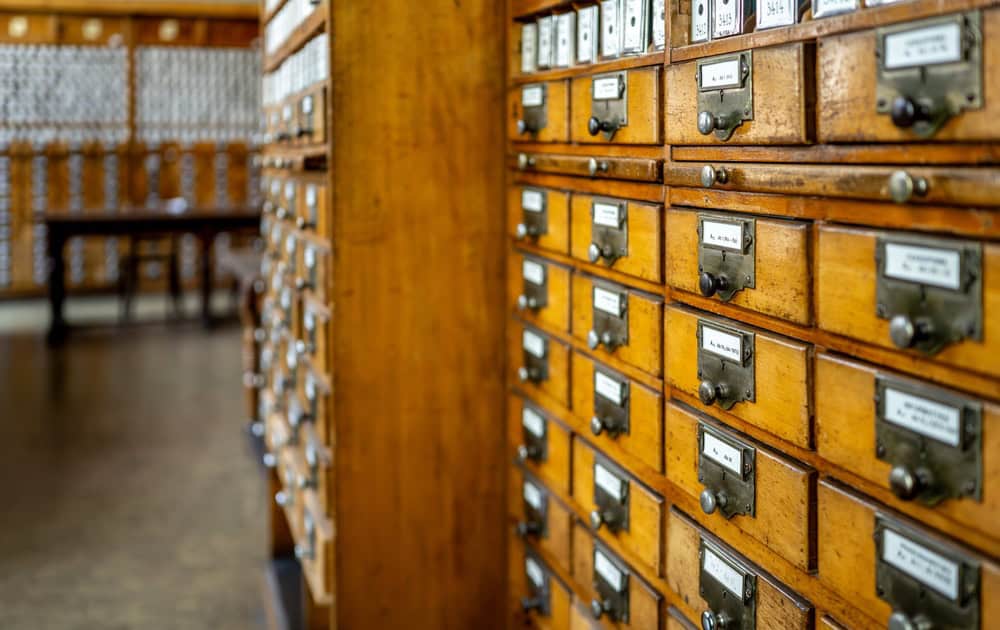
Getting around the card catalog meant you had to know about organizational schemes like Dewey Decimal or Library of Congress. Readers needed to know how trained librarians carved up human understanding and related various fields of study to one another.
Search engines today hide their index card logic under layers of commercial black-box algorithms that reward popularity, engagement, and clicks.
Archival permanence
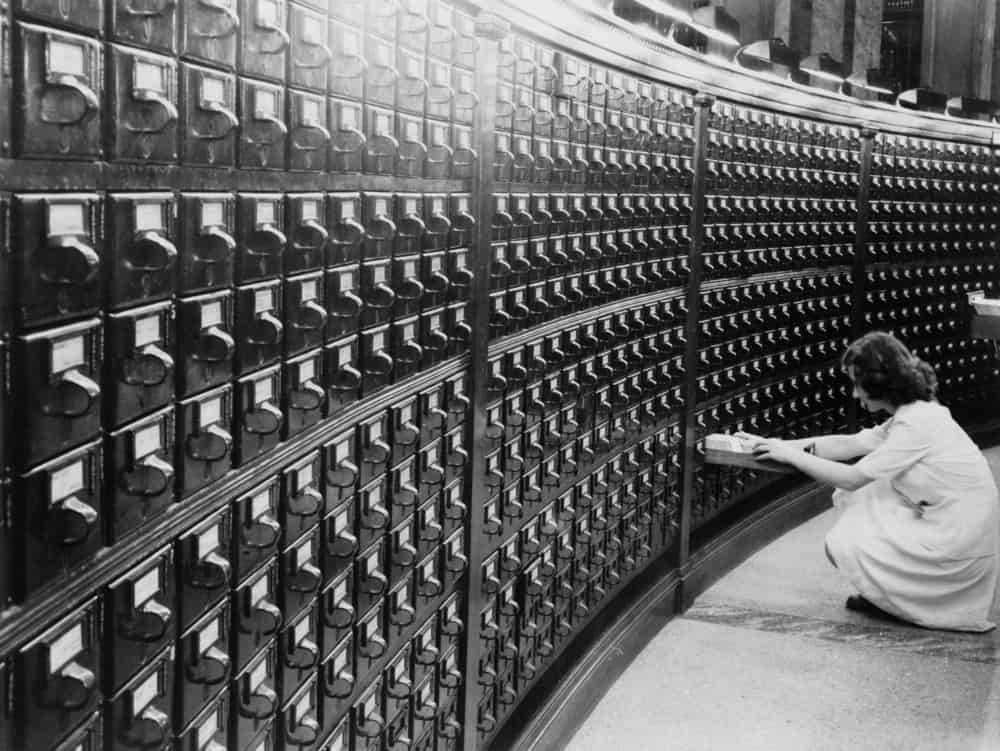
A catalog card record was tangible; it did not vanish if a web server went down, a domain name expired, or a publisher behind a paywall altered its conditions of access. Search results are inherently transient; they will often change, refresh, or vanish as websites are shuttered or link rot occurs.
Human curation integrity

Each card in the catalog was typed, edited, and cataloged by professional librarians who assessed materials for academic value and truth in reporting. Today’s search engine listings are ranked by web crawlers, search engine optimization, and paid advertisements that benefit from popularity. Catalog cards taught us early on that there was trust in the editing process and curation mattered more than rank.
Structural context visibility
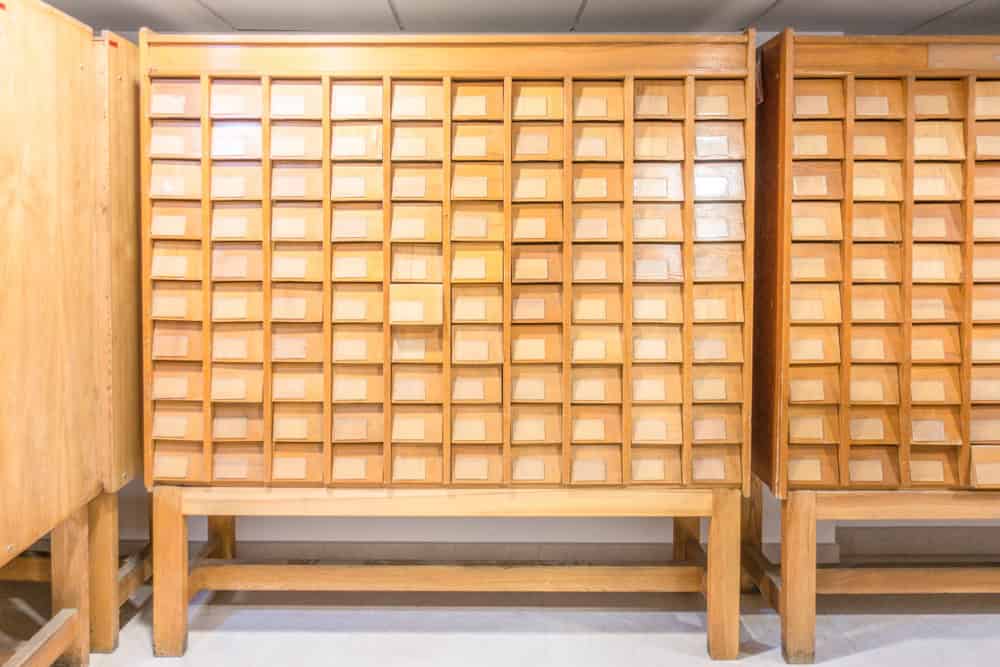
When you browsed a subject area in a card catalog, you could physically see the scope and history of a library’s collection on that topic.
Dozens of cards covering several inches in a drawer represented a rich, well-developed research area and you had an immediate tangible feeling for how thick the literature was on a subject. Search engine results replace that width with an unknowable number of pages filled with hyperlinks.
Solitary quiet focus

Searching the card catalog was, by its very nature, an interruption-free activity conducted in a designated quiet space. When we use a search engine, pop-up alerts, side banner ads, hyperlinks, and other browser tabs compete for our attention. The card catalog preserved your span of attention, letting immersive analytical thinking happen before you even started reading.
Valuing hard-to-find knowledge

The card catalog taught us that access to information was limited, valuable, and that information was worthy of protection and preservation. Today, we’re so used to casual Googling and getting a never-ending flow of immediate content.
That sense of fascination connected to rare finds and hard-gained insight is mostly gone. However, dealing with actual physical records made it clear to us that finding the truth demands work, and that not all information is created equal or easily found.
Physical effort value
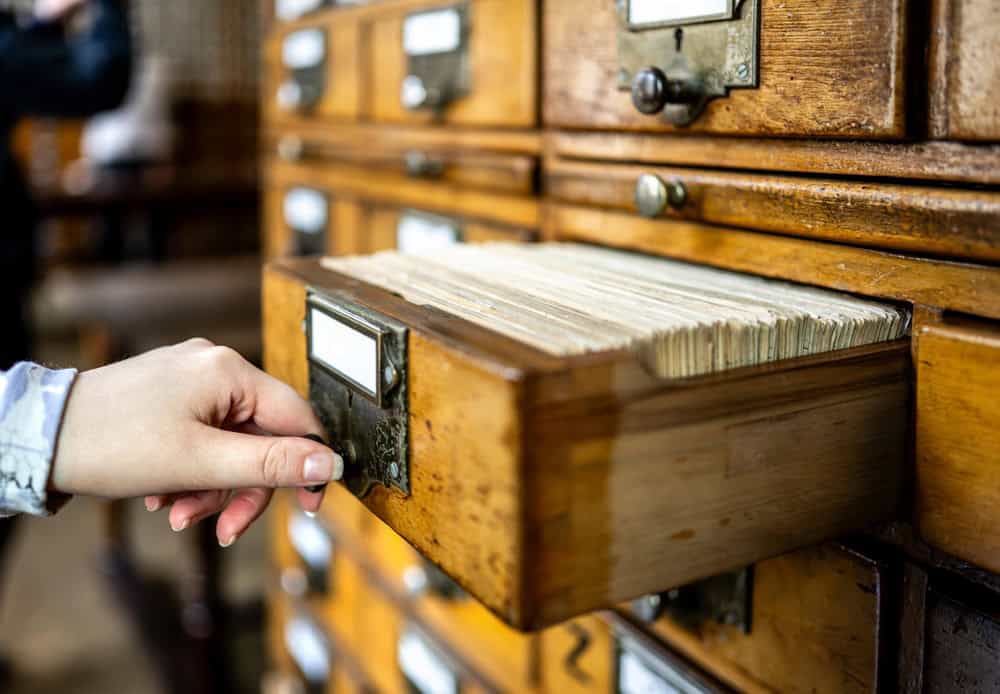
Having to physically walk to a catalog, pull a drawer heavy with wood on wheels, write down call numbers, and search for books on opposite sides of the library created an emotional investment from researchers in their work.
Since research required physical work to find information, users inherently valued the information they found more and read it more diligently. Retrieving information is so easy with digital search that we don’t realize how careless we can become with knowledge we haven’t worked for.
13 things you should never Google

Google can do amazing things, but some searches can lead to your computer downloading malware, you losing money, or even getting arrested.

