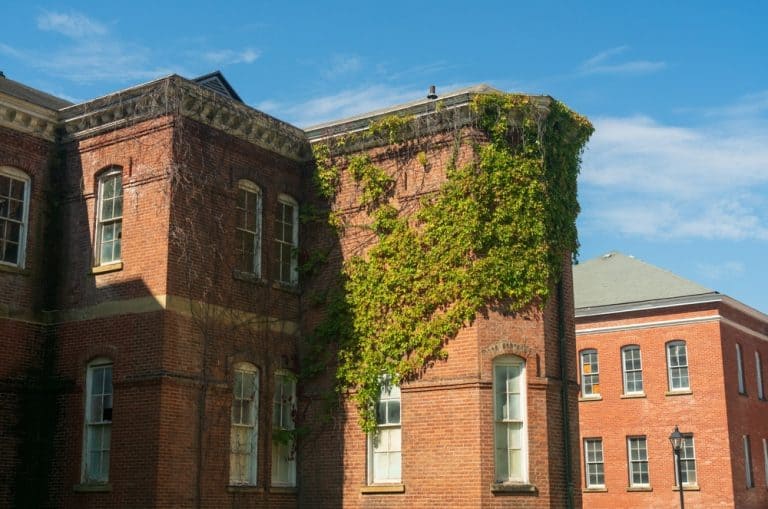

There are horrors that go beyond the movies when you look at the backstories of some of the most notorious asylums in history.
Bethlem Royal Hospital
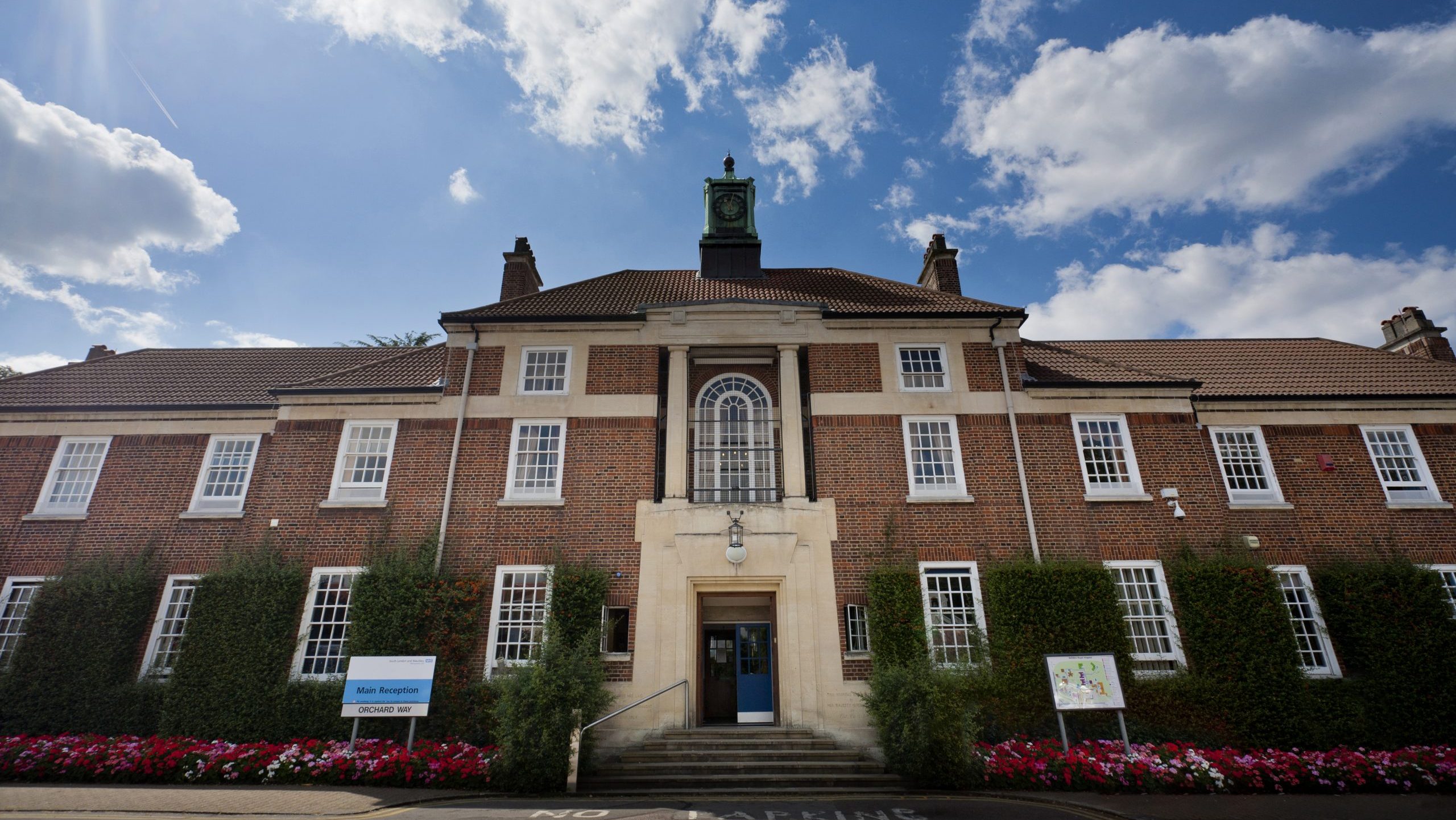
Bethlem Royal Hospital, in London, England, holds one of the worst reputations in psychiatric history.
Perhaps Bethlem’s most famous inmate was James Norris. Norris was a former soldier who entered Bethlem in 1800. Four years later, he was put into an iron restraint.
They attached a collar around his neck to a post at the head of his bed with a chain. They surrounded his body with an iron frame that also restricted the movement of his arms. Finally, they attached another chain to his ankle and the foot of the bed.
This was how Norris would continue to be bound for years. The mistreatment he endured became a talking point during the 1814 parliamentary inquiry into the hospital’s practices.
Trans-Allegheny Lunatic Asylum
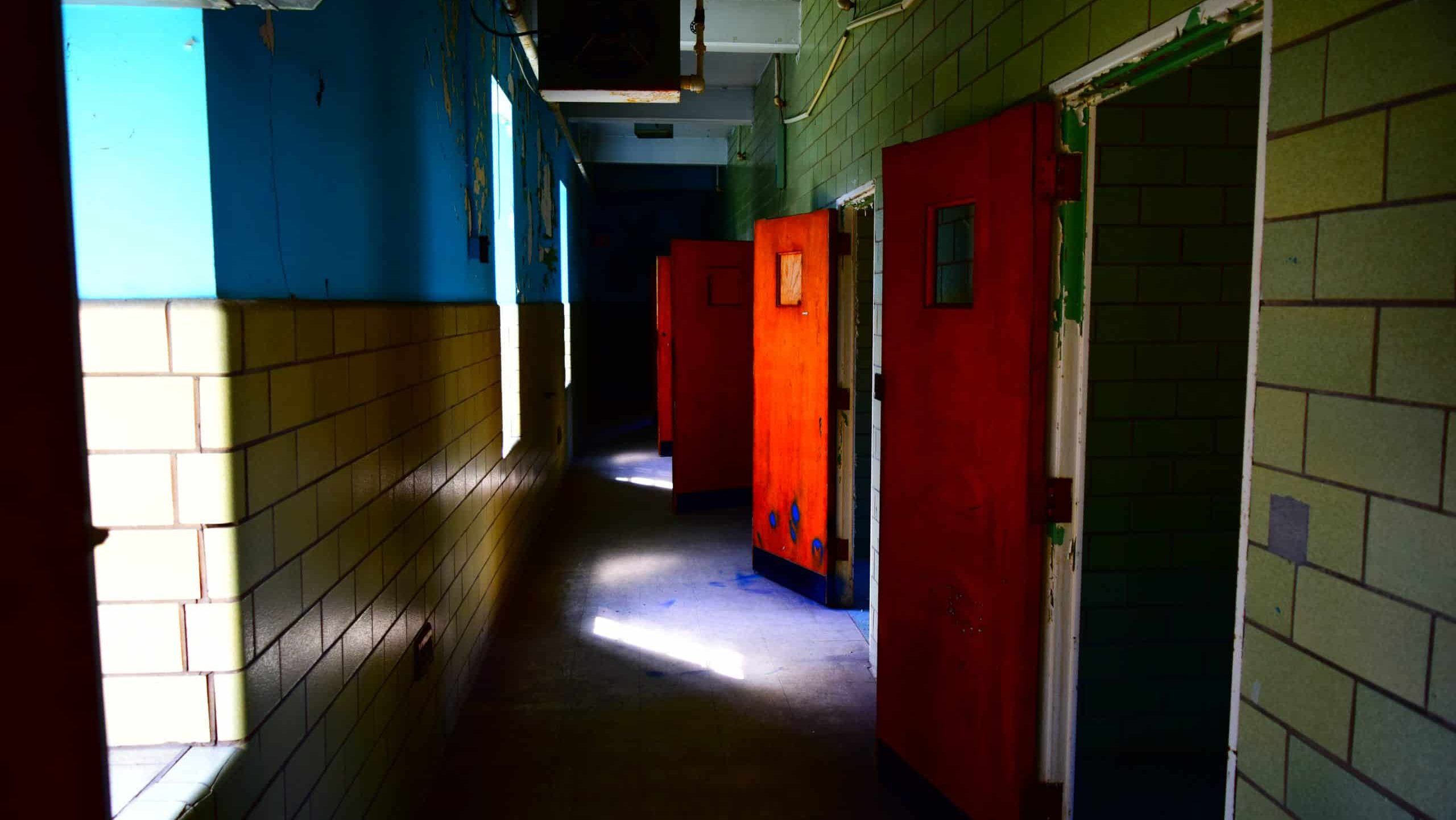
Patients at Trans-Allegheny Lunatic Asylum in West Virginia were subjected to horrific psychiatric treatments throughout the 1900’s.
Patients were given electroconvulsive treatments. Some patients underwent electroshock treatments, while others had lobotomies which left their personalities and faculties changed for life.
Things were made worse by terrible overcrowding at the facility. When it was built it only housed around 250 patients. By the 1950’s there were reports that there were almost 2400 patients at the asylum and sanitation and supervision were seriously lacking.
Danvers State Hospital
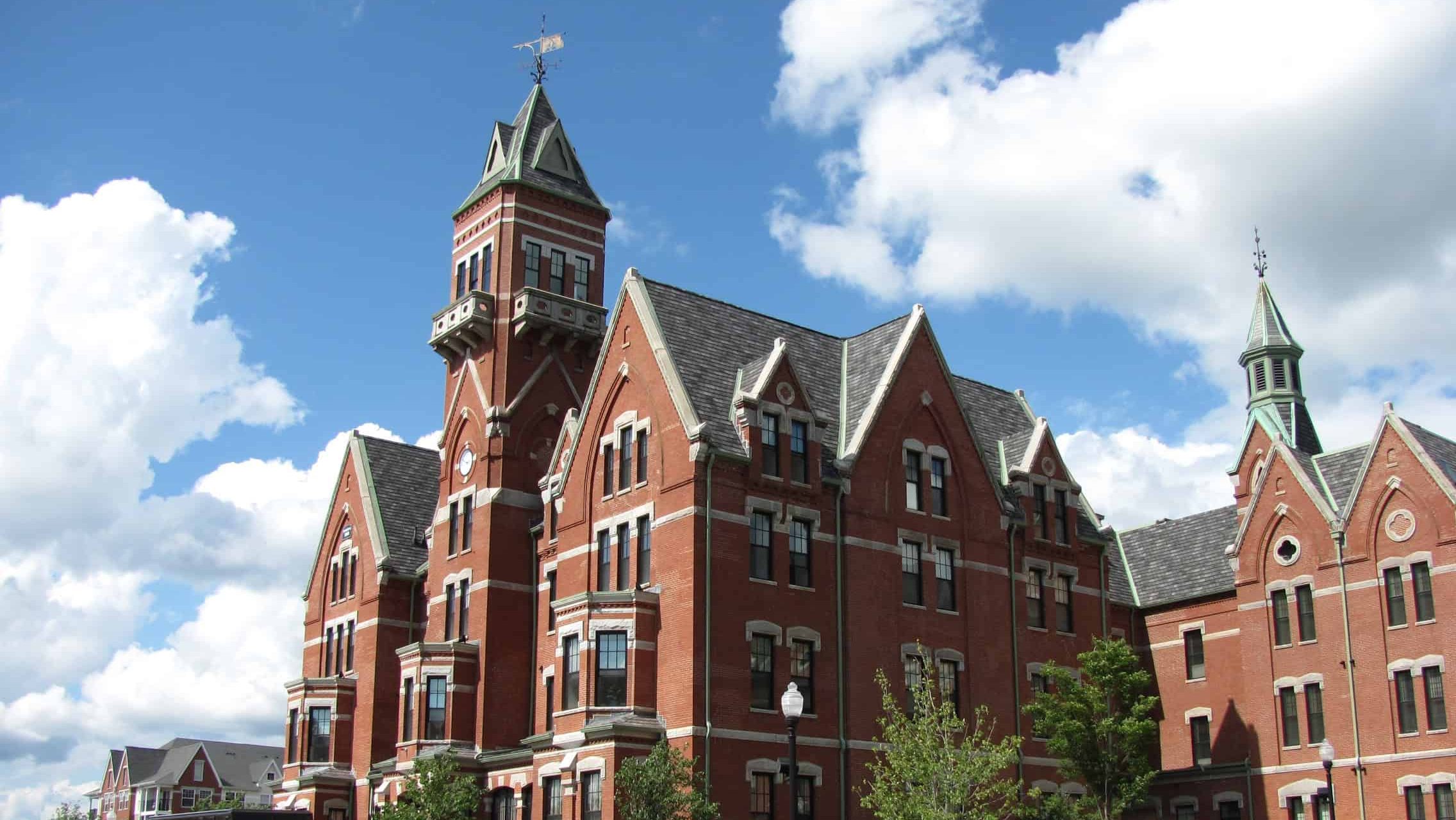
Danvers State Hospital was founded in Massachusetts in 1878 to offer mental patients a tranquil place of care. However, for some patients institutionalized there, life was not tranquil at all.
Marie Balter was committed to psychiatric care at age 17. It’s said that at one point during her institutional stays, she became so frail she weighed only 86 pounds and was essentially mute for about eighteen months.
And like many large psychiatric hospitals at the time, Danvers later implemented such now notorious treatments as hydrotherapy (introduced in 1899), insulin coma therapy (1946), lobotomy (1948), and electric shock therapy (1950s). Patients at Danvers were also receiving chlorpromazine, an early antipsychotic, by 1955.
Philadelphia State Hospital at Byberry
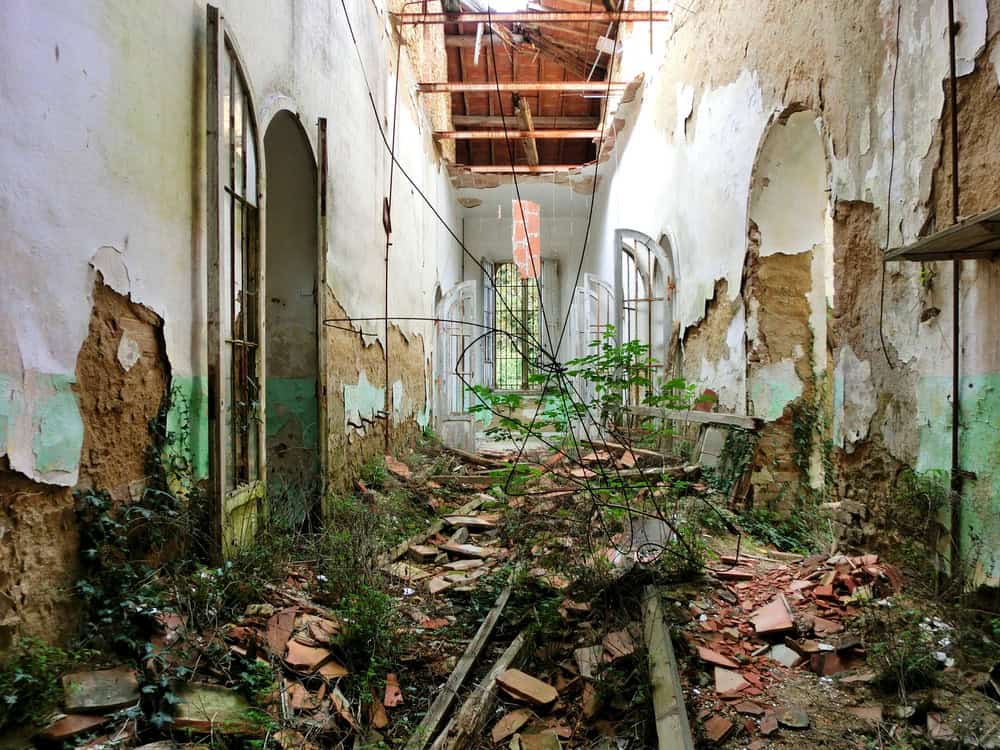
The shocking state of affairs at Philadelphia State Hospital at Byberry was revealed through pictures.
WWII conscientious objector Charlie Lord took undercover photos of patients living in squalid conditions and apparent neglect behind Byberry’s closed doors. Patients were visibly underdressed for winter weather and were crammed into unclean facilities.
Published in LIFE magazine in 1946 as “Bedlam 1946,” these photos brought many of the asylum’s horrors to light for the first time. The stark reality of suffering patients cemented Byberry’s reputation as a symbol of the mistreatment within American psychiatric facilities.
Willowbrook State School

Willowbrook State School was a Staten Island institution for children and adults with intellectual disabilities. However, it became known for gross overcrowding and neglect, along with a highly notorious series of medical experiments.
Starting in the 1950s, doctors and researchers began performing hepatitis experiments on the children of Willowbrook. In order to study the transmission of the disease, and whether or not it could be prevented with medicine, some of the children were intentionally infected with the virus.
This was particularly unsettling because children at the school already had high rates of hepatitis. Families looking to get their kids into Willowbrook often found themselves in a situation where joining a study was practically a requirement for admission, given how packed the place was.
These experiments stretched on for decades, and today they’re still considered among the most notorious examples of unethical research.
Topeka State Hospital

The Topeka State Hospital in Kansas stayed open from 1872 until 1997. Its cemetery holds reminders of how many patients died there.
1,157 people are buried there, according to the Kansas Historical Society. Many of those graves don’t even have markers with the patients’ names.
If you died at Topeka while a patient, you could easily be forgotten by society. There was no named headstone. For many patients, that was the marker they received. A nameless grave on the grounds of the hospital.
And it’s sickening to think over one thousand people were buried there that way.
St. Elizabeths Hospital
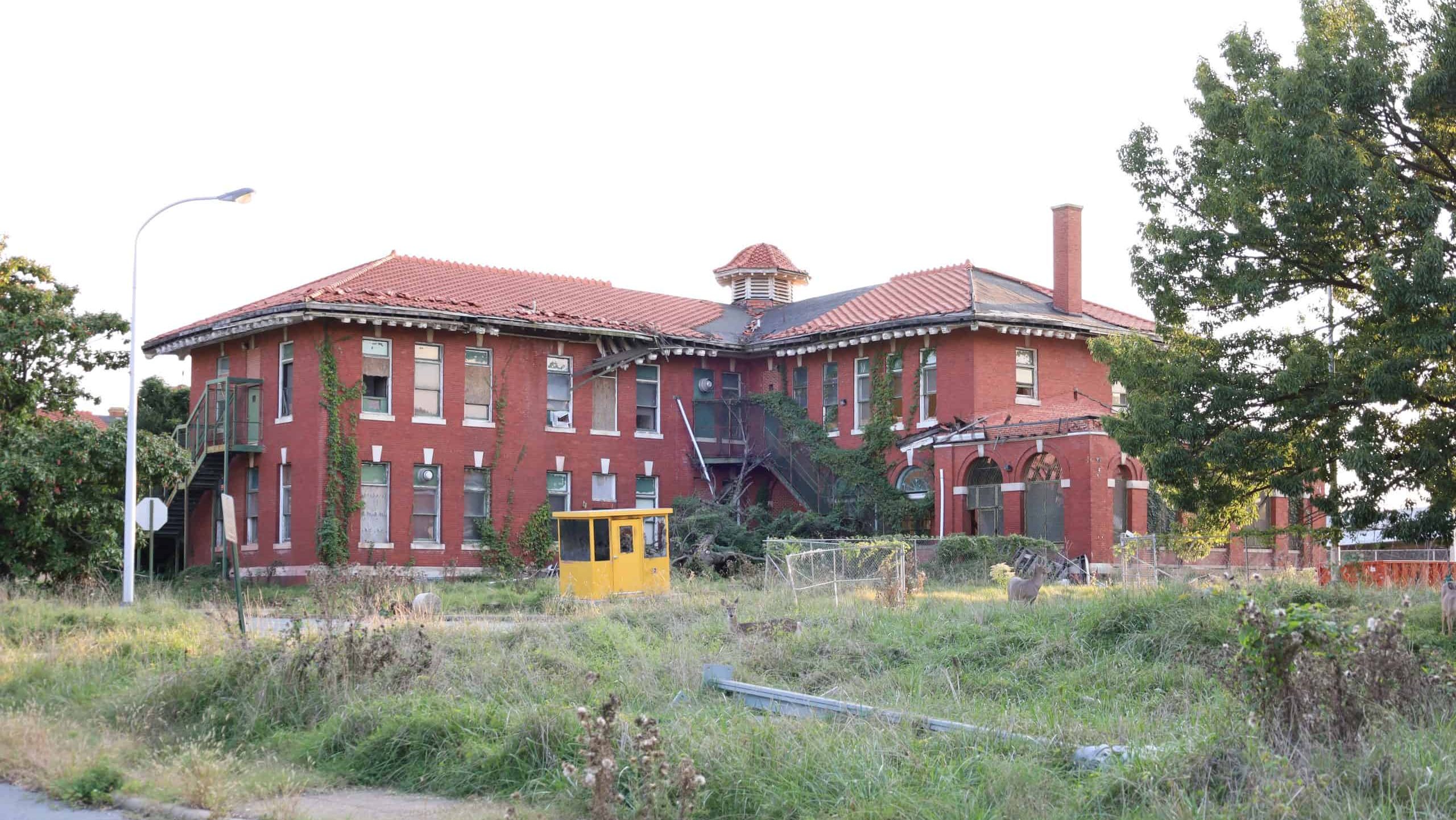
St Elizabeths Hospital Washington, D.C., began operating in 1855. Over the years, it became known for some of the worst abuses in psychiatric treatment.
Gay and lesbian people were once considered mentally ill and many were forced into damaging psychiatry that aimed to repair their s***ality.
Walter Freeman, a pioneer of lobotomy, practiced neurology at St Elizabeths. And St Elizabeths is emblematic of a time when people could be lobotomized for being who they are.
Whittingham Hospital
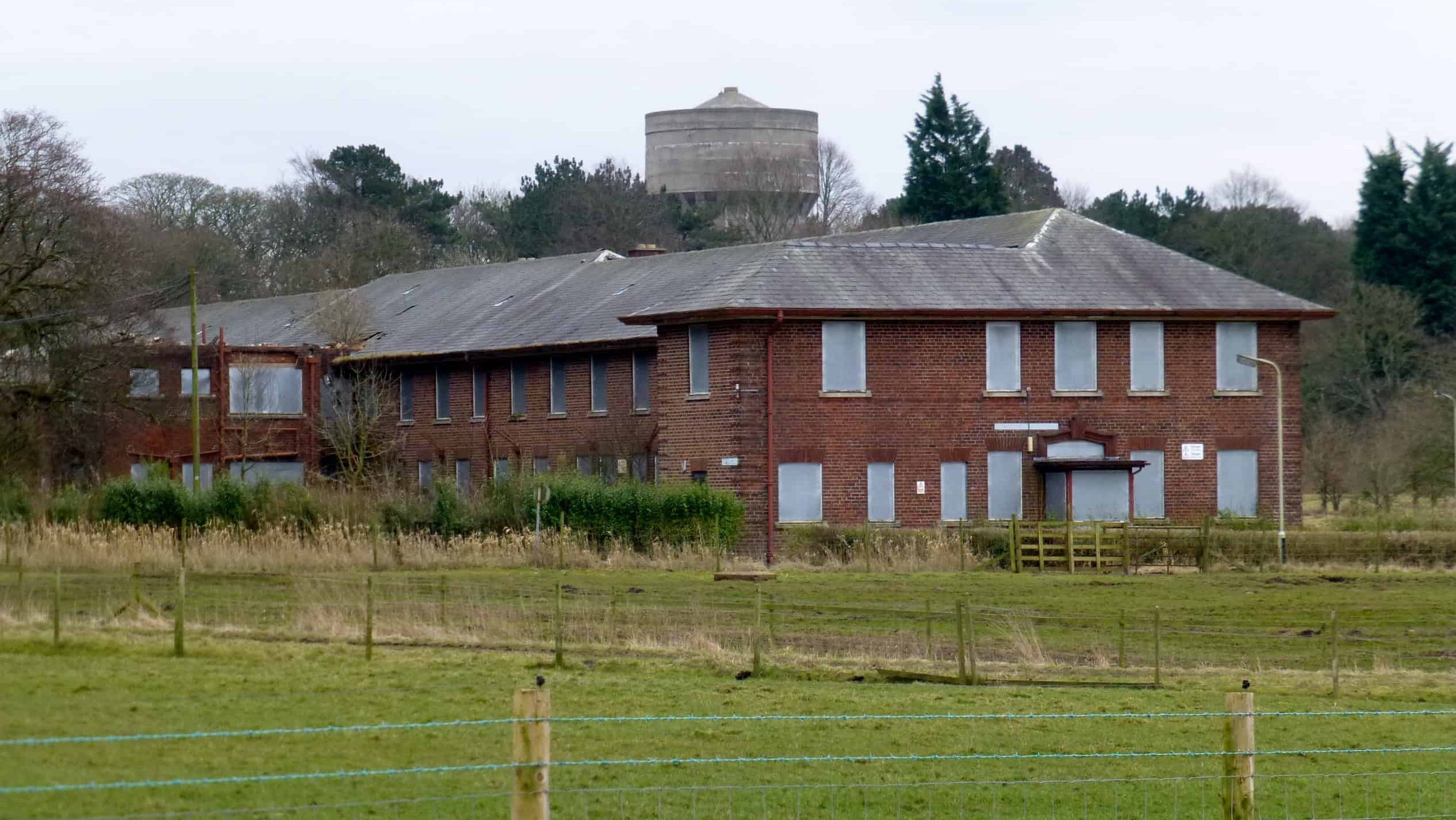
Whittingham Hospital near Preston came to national attention after allegations that patients were being mistreated there surfaced during the late 60s.
The case came to a head when a nurse was found guilty of manslaughter after the death of a patient. The government set up an inquiry into conditions at the hospital.
In its 1972 findings, the inquiry was highly critical, highlighting a lack of adequate medical and nursing staff, poor standards in treatment and rehabilitation, and profound management failures.
Whittingham was shocking because it revealed how vulnerable patients could be abused in an institution that was supposed to care for and protect them.
Athens Lunatic Asylum
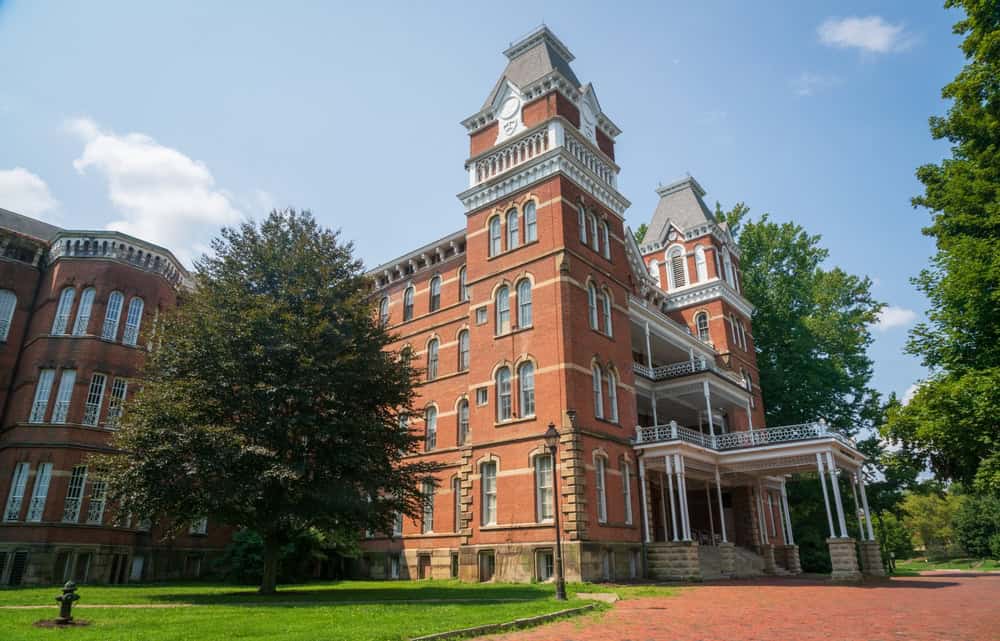
Ohio’s Athens Lunatic Asylum gained notoriety for the cruel psychiatric practices conducted on patients there. In 1956, the hospital’s own records indicated that 192 patients underwent 208 transorbital lobotomies.
This treatment, nicknamed the “ice-pick” lobotomy, consisted of driving a tool through the eye socket to sever connections in the frontal lobes of the brain.
It’s documented within the hospital’s files that one death by hemorrhage occurred in the final fifty-five instances of the procedure.
Wolston Park Mental Hospital
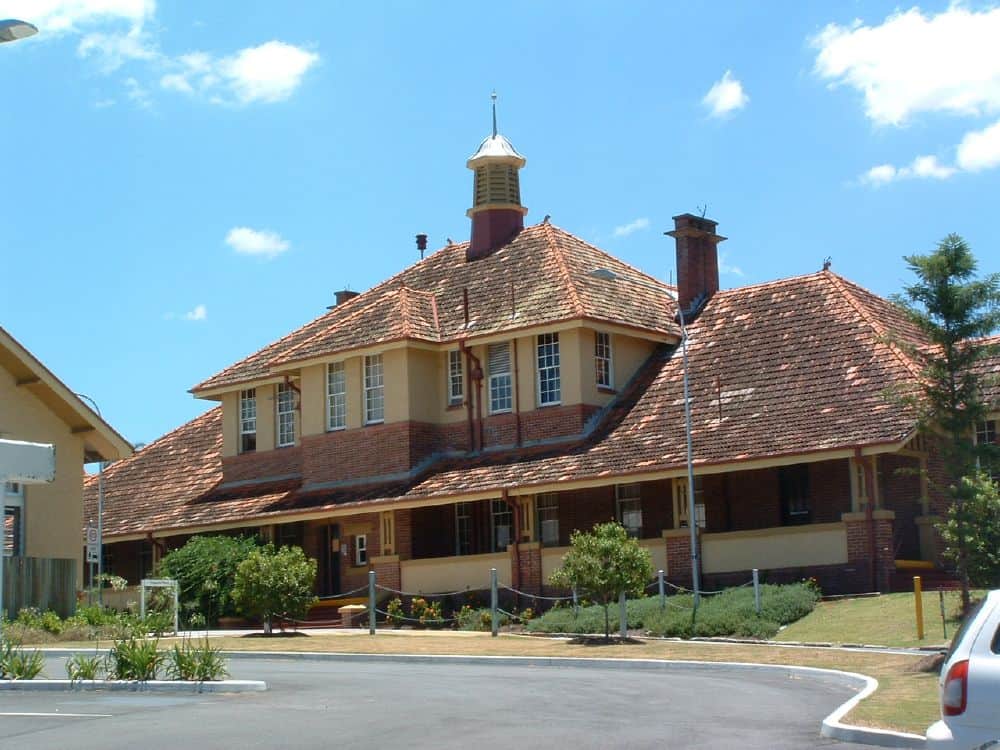
Queensland’s Wolston Park Mental Hospital was the subject of a recent government review into patients’ experiences there from 1950-2000.
During the 2025 investigation, deeply disturbing recollections were shared by former patients, relatives, and staff. In one instance, a family member said they saw a staff member beating a patient and tossing him over a spiral staircase rail, leaving him with serious injuries.
Another witness detailed how they saw one patient brutally murdered by another patient within the facility.
The review stated it could not substantiate some of the claims independently. But, the testimonies of violence, abuse, and patient safety issues continued to be a source of serious concern for the review.
Sources: Please see here for a complete listing of all sources that were consulted in the preparation of this article.
Like our content? Be sure to follow us.
14 historical figures everyone called delusional until they were proven right

Some of history’s greatest innovations started as ideas that sounded impossible, stupid or simply plain wrong.
14 historical figures everyone called delusional until they were proven right

