

Before fast food existed, these cheap sandwiches fueled millions during some of history’s darkest eras.
Raw onion and mustard sandwich
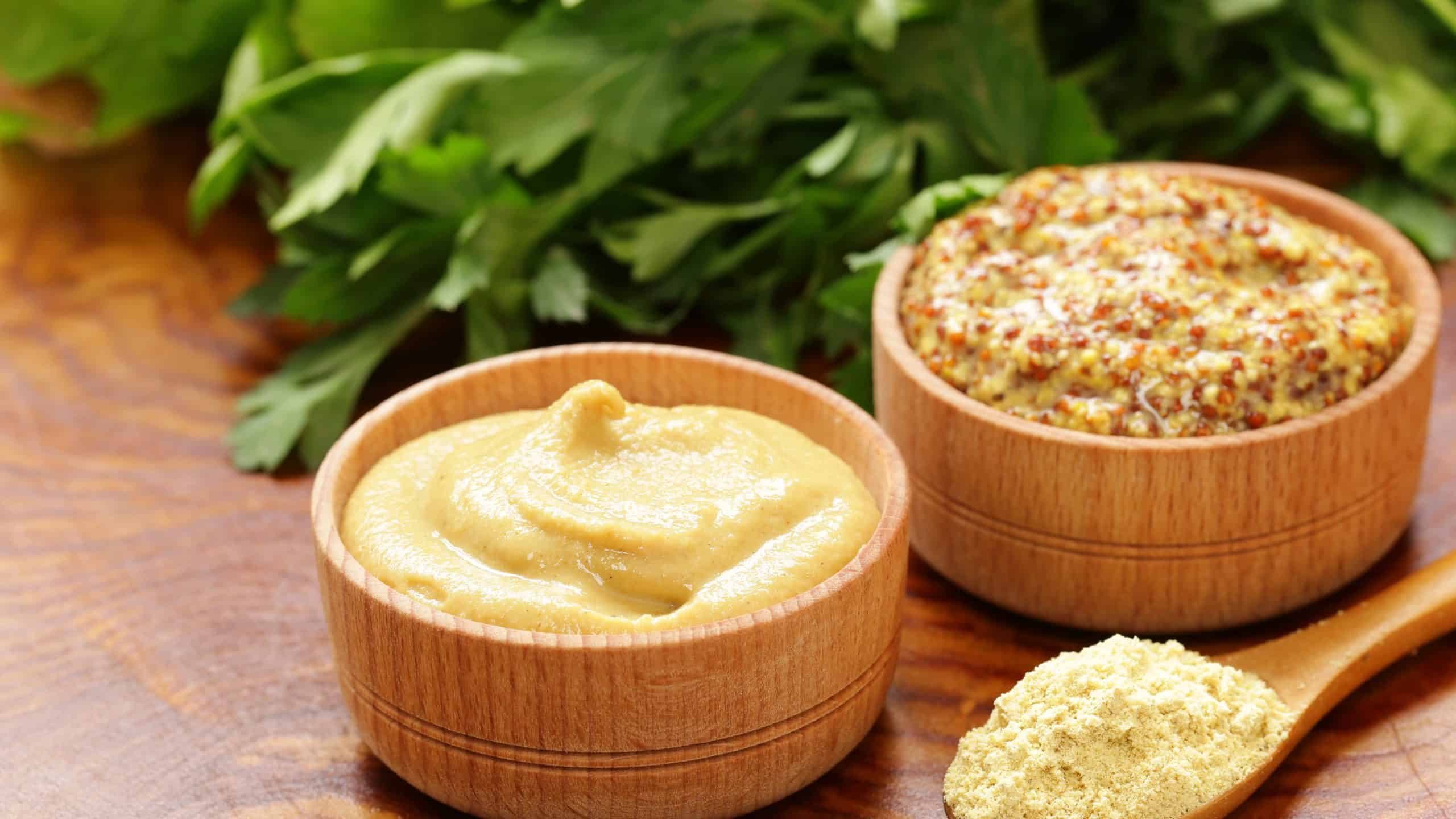
Yes, it sounds extreme, but onions were a lifesaver in these desperate times. They grew prolifically in backyard gardens, were kept for months in dark cellars, and added big flavor. White or yellow onions sliced raw and thin on two pieces of bread spread with basic yellow mustard made lunch. It was spicy, stinging and practically free.
Peanut butter and pickle

Back in the 1930s, the U.S. Department of Agriculture encouraged peanut butter consumption as a low-cost, high-protein substitute for expensive meats. Tangy homemade pickles were one way people stretched their PB and made it more flavorful. The sweet & salty, crunch-packed bite somehow stuck around well past the Depression years.
Lard and salt
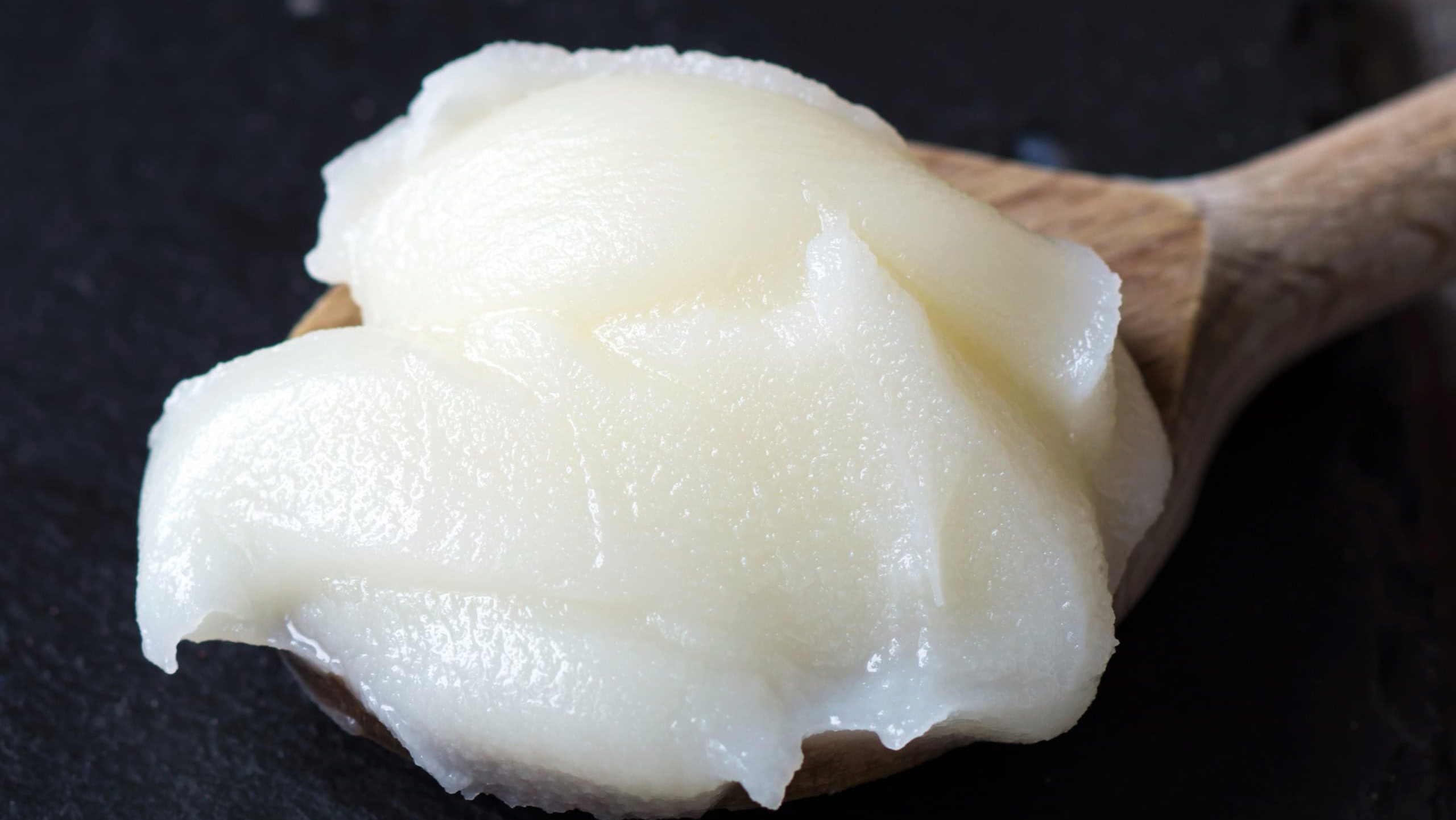
Before butter became affordable, people used lard. Made by rendering pig fat, lard was inexpensive, shelf-stable, and full of dense calories that fueled hard work. Slathering liberal amounts of lard on white bread and topping it with a hefty pinch of salt made a filling fast-food for laborers and children.
Mashed potato sandwich

Wasting food in the 1930s was almost a sin. So dinners were often repurposed for lunch the next day. Cold mashed potatoes with onion or salt mixed in were layered between two pieces of bread. It was carb on carb, but it was warm, filling, and would curb your appetite all afternoon.
Peanut butter and mayonnaise

Mayonnaise was used to stretch out pricey peanut butter. It also made it easier to spread, so one jar would go much further. Mayo contributed fat and creaminess, along with a little tang to complement sweet peanut butter. It may sound crazy now, but it was a wildly popular combo all over the country. It stayed a regional favorite in pockets of the South for years.
Baked bean sandwich
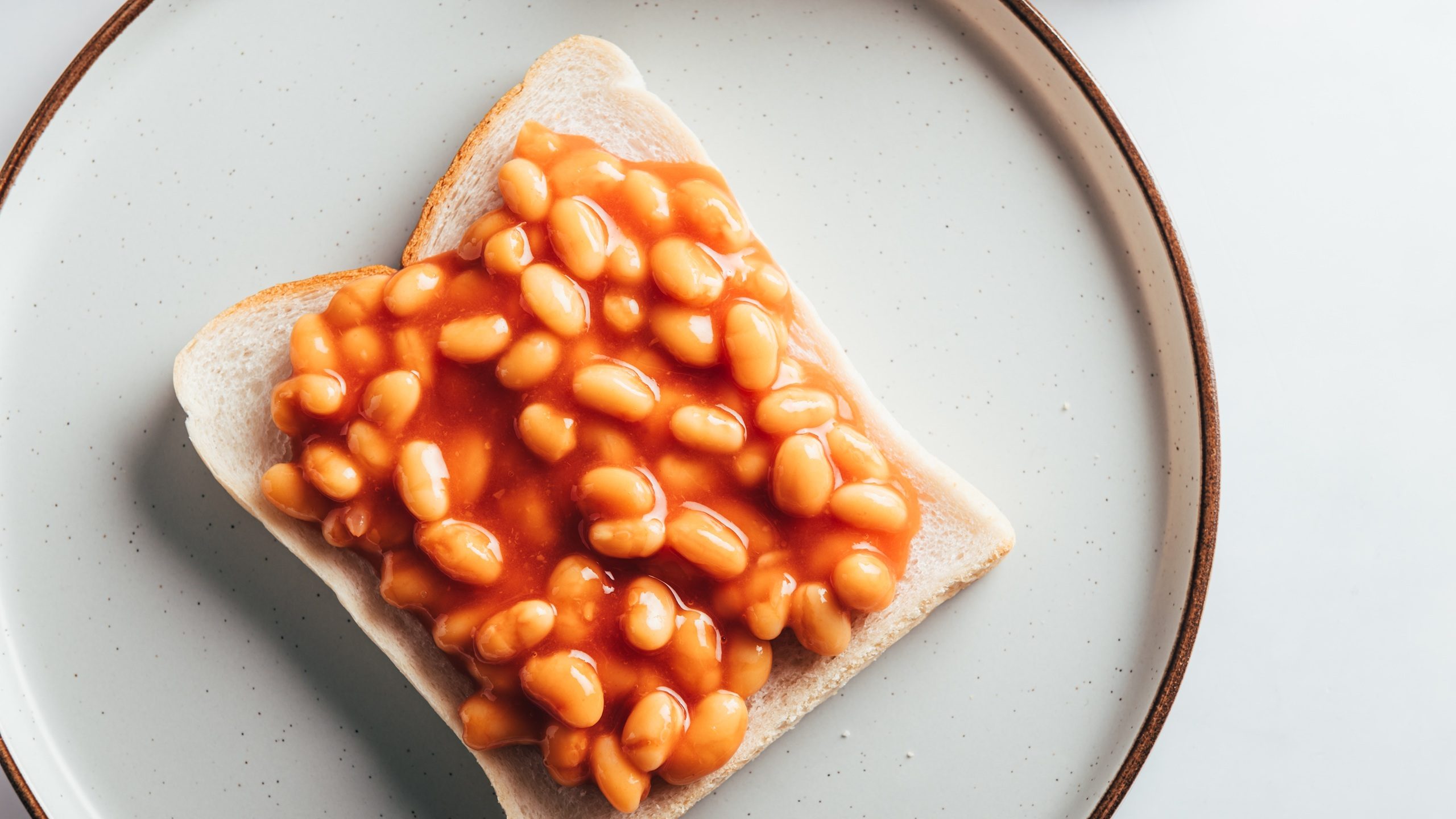
Canned beans were always a Depression-era pantry staple because they were inexpensive and nutritious. If there was no money for meat at dinner time, people opened a can of pork and beans, mashed it with a fork, and served it cold or heated between slices of bread. A bit of mustard or ketchup was added if they could afford it.
Potted meat and pickles
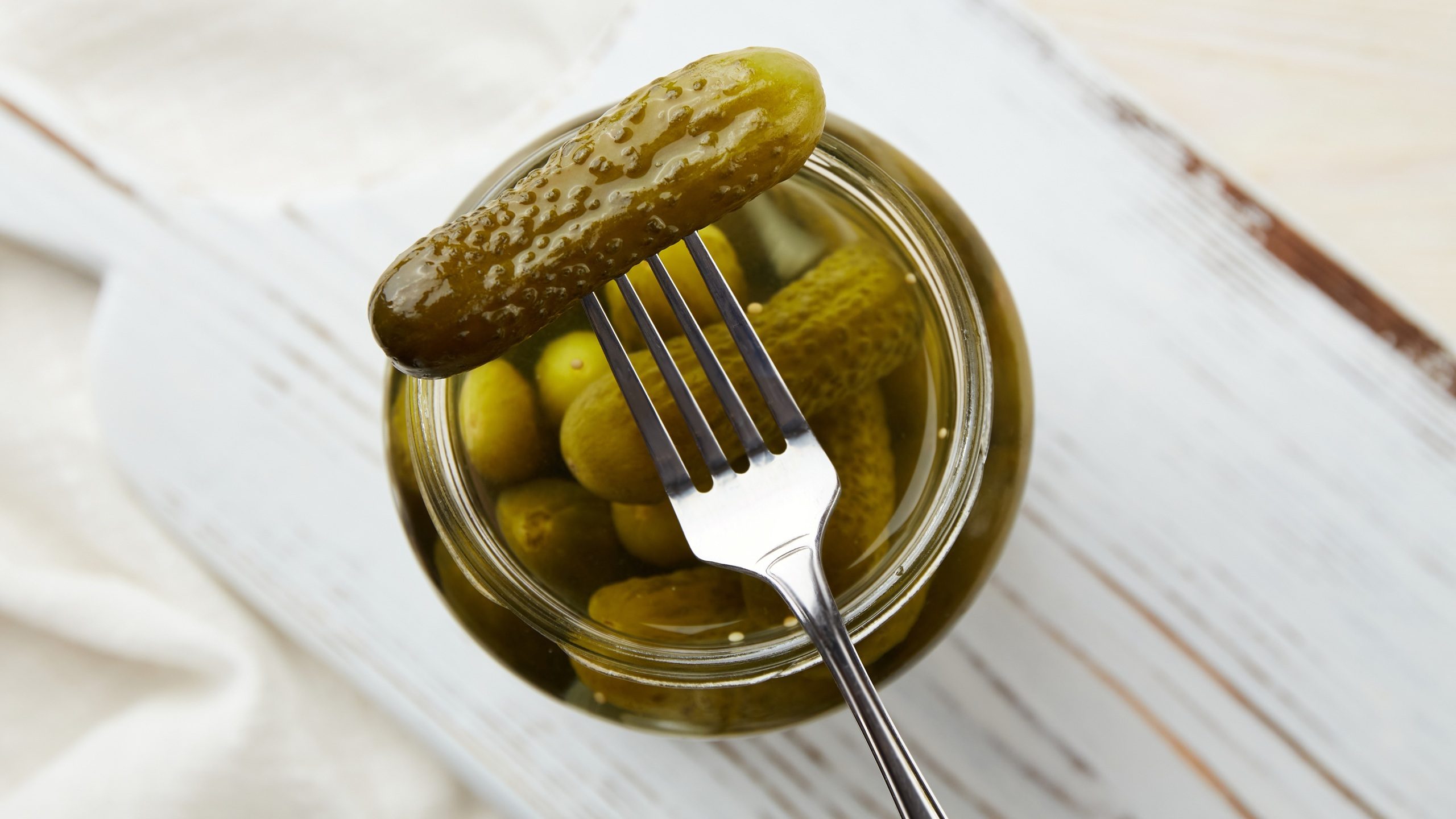
Deviled ham or mystery meat spreads were among the canned potted meats that showed up in relief packages and grocery stores because they were inexpensive and shelf-stable. One would spread a thin layer of salty meat paste on bread and pile chopped pickles or relish on top to contrast the saltiness and add crunch.
Butter and sugar
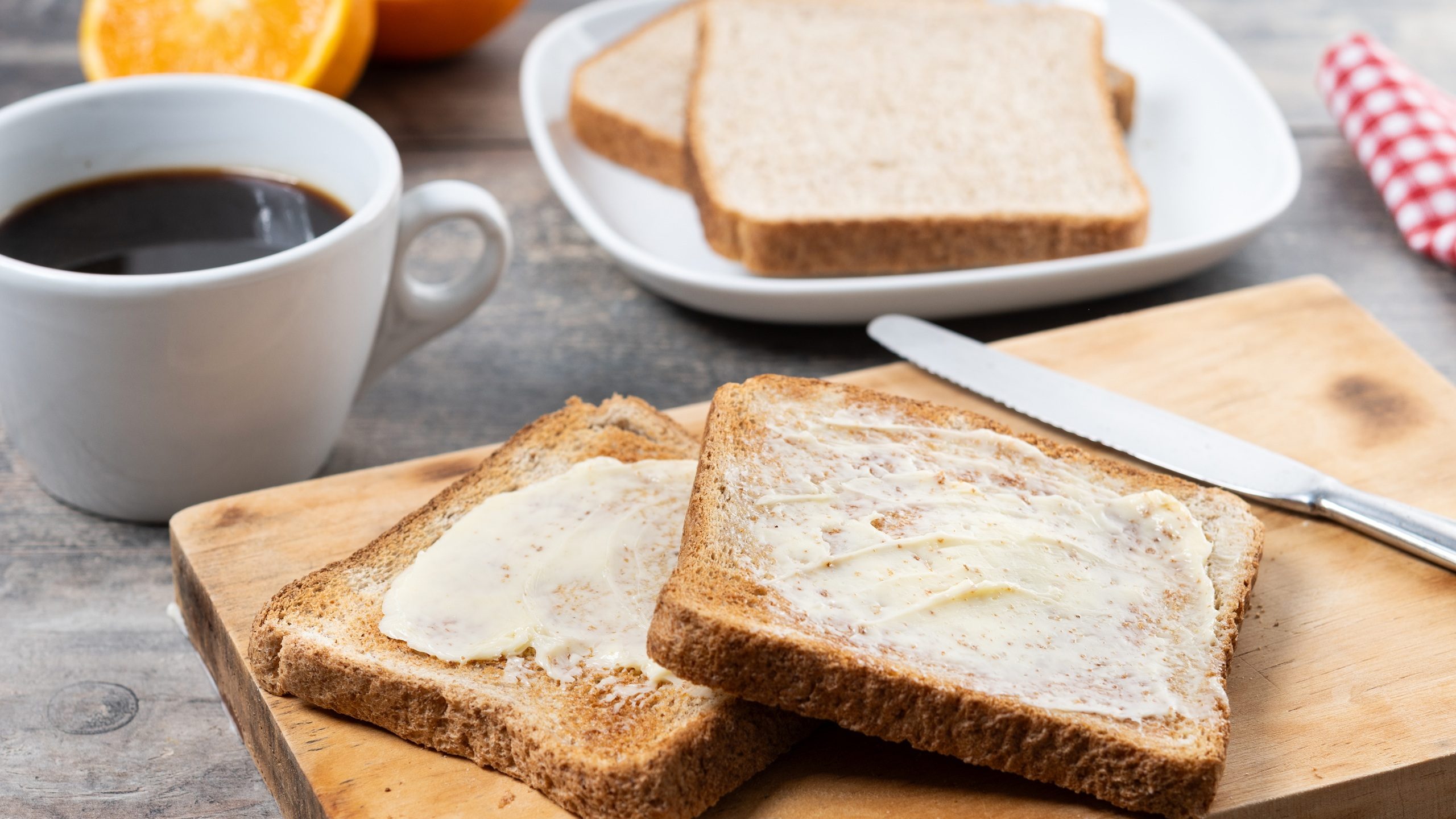
When cocoa powder, eggs, and fruit were unavailable during shortages, moms still wanted their children to experience something sweet. The answer was toast spread thinly with butter (or margarine) and liberally dusted with white or brown sugar. It became an easy dessert option or an after-school treat that seemed luxurious.
Tomato and mayo
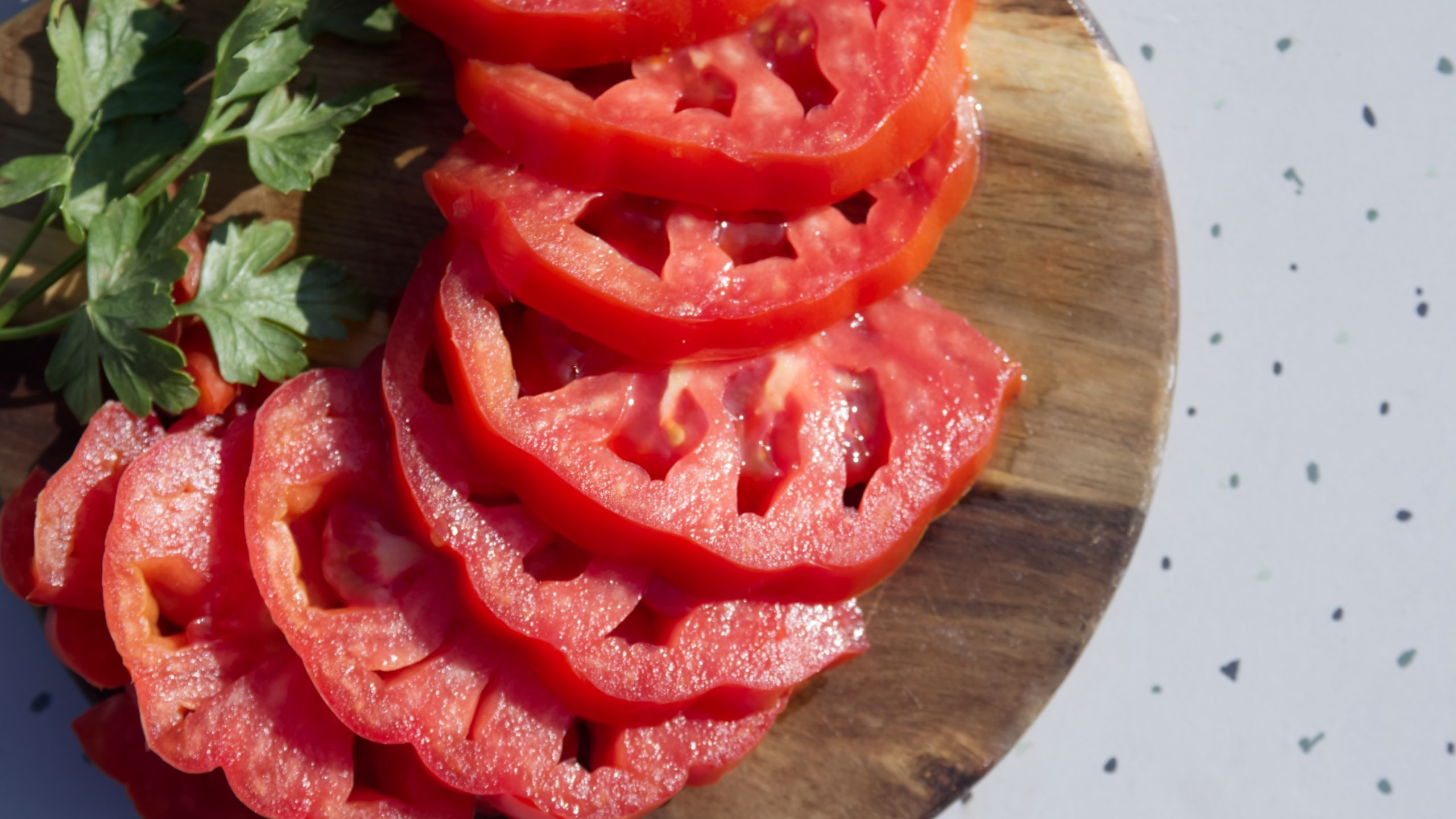
Late summer found gardens bursting with fresh tomatoes. A thick slice of juicy tomato, salt and peppered with mayo on white bread was summer tradition. It was fresh, inexpensive, and dripping with juice. Tomato sandwiches are still a favorite summer indulgence.
Toast sandwich

The toast sandwich is one of those throwbacks to old Britain that surged back into popularity during times of intense poverty. It was exactly as it sounded: a piece of toast put between two slices of buttered bread that were not toasted, lightly sprinkled with salt and pepper. The bread texture made it seem like you were eating an actual stacked sandwich when you literally had nothing.

