

Hell is a topic many people find uncomfortable, but Jesus mentioned it in several teachings, and some of his statements are not what you might expect.
It had a familiar name

One particular word Jesus used when talking about hell was Gehenna. It was the name of a location outside of Jerusalem known as the Valley of Hinnom. The valley had negative connotations of idolatry, child sacrifice, and judgment from God in Jewish tradition and history.
Jesus wasn’t just using the name of some hypothetical place; he drew on a real location his listeners associated with something terrible.
It was prepared for the devil

Jesus spoke of the “eternal fire” that had been “prepared for the devil and his angels” (Matt. 25:41).
Hell is not portrayed in Scripture with Satan sitting on a throne running some sort of fiery penal colony and personally tormenting people. The devil himself will be judged according to Jesus’ description.
Contempt was serious

Jesus didn’t reserve judgment for murderers and other clearly violent felons. In Matthew 5: 22, he cautioned that contemptuous anger and calling another person a “fool” put a person at risk for the “hell of fire.” His admonition took judgment past external behaviors and into the hatred and contempt people harbor within.
Religion couldn’t save you
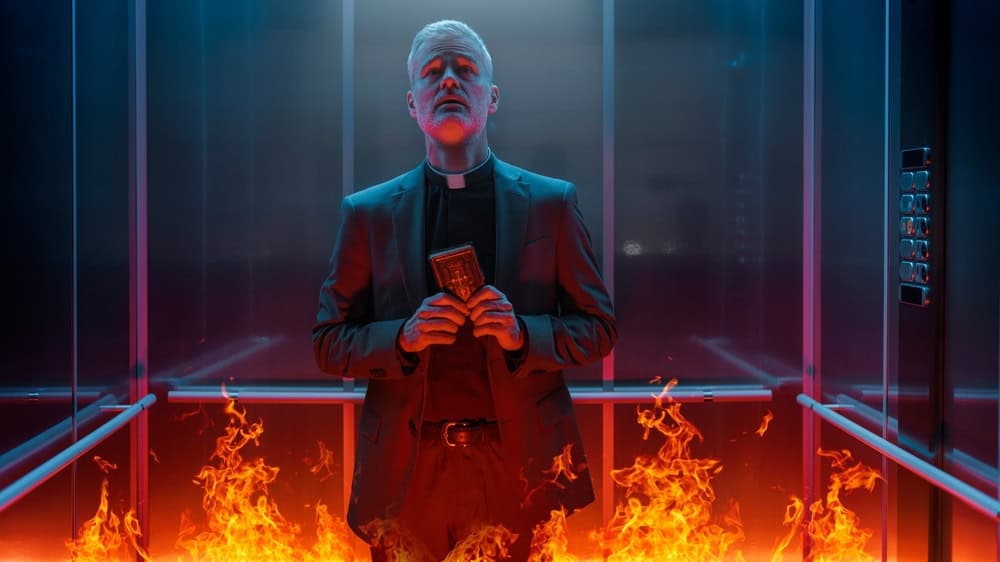
Jesus directed some of his harshest warnings about hell towards respected religious leaders. He chastised some Pharisees and scribes for hypocrisy. “How will you escape being sentenced to hell?” He asked them (Matthew 23:33).
Religious experts who looked like they should know better could end up in this group of people Jesus warned most severely.
Losing something was better

Jesus spoke intentionally provocative words about resisting temptation. He taught that someone would be better off losing an eye or hand than having their whole body thrown into hell (Matt. 5:29–30). While we know his example was hyperbolic, the point he was making is crystal clear: nothing of this life is worth destroying you spiritually.
Doing nothing could matter
Jesus described some being judged and sentenced at the end of time because of what they didn’t do. They didn’t give food to the hungry, welcome the stranger, clothe the naked, or visit those who were sick and in prison (Matthew 25:31–46).
Neglect was extremely serious for Jesus, who ties the treatment of vulnerable people to how people treated him.
Miracles were proof

Jesus warned that some will call him “Lord” and claim to prophesy in his name, drive out demons, and do many powerful deeds, but he will declare to them, “I never knew you” (Matt. 7:21–23).
Miraculous spiritual accomplishments were not presented as indisputable credentials that one was in right standing with God. What mattered went deeper than appearances.
Judgment wasn’t identical
Jesus implied accountability may vary based on what people have had a chance to know. He taught judgment would be “lighter” for cities like Sodom compared to cities which had seen his miracles and still did not repent (Matthew 11:20–24). This implies that more knowledge can equal more responsibility.
Both body and soul

Jesus didn’t just speak about what could happen to one’s soul after death. In Matthew 10:28, he tells us God can “destroy both soul and body in hell” (Gehenna).
This is shocking because many believe hell is only the torment of the soul. But Jesus distinctly warned about God’s punishment of both the body and soul.
It wasn’t only fire

Surprisingly, Jesus did not speak of judgment with fire alone. Jesus spoke of “outer darkness,” where there will be “weeping and gnashing of teeth” (Matthew 8: 12; 22:13; 25:30). Fire and darkness are opposites.
Jesus may have used imagery that would horrify us to depict judgment, rather than plainly telling us what hell looks like.
Like our content? Be sure to follow us.
9 lies the devil wants you to believe

Masked as wisdom or self-protection, these nine subtle lies can quietly eat away at your faith from the inside out.
