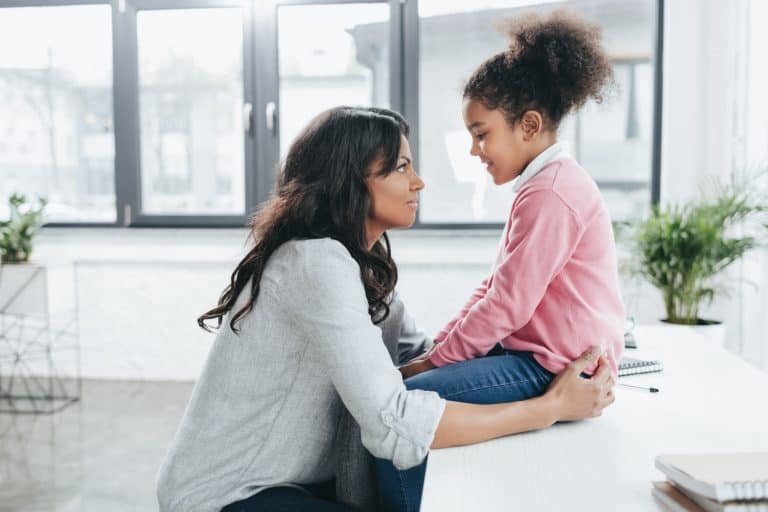

As a parent, don’t we all want our children to be safe and protected? Children need age-appropriate instructions that help them identify and react to potentially dangerous situations with confidence. So here are ten safety tips you can start teaching your children today, according to expert sources. The sources are available at the end of the article.
Featured Image Credit: Shutterstock.
Use a family “code word”

Agree on a secret code word that you and your child know. If someone shows up to pick up your child, teach your kid to ask them to say the code word first. If they don’t know it or refuse to share it, your child should know not to get in the car.
Always ask before going anywhere
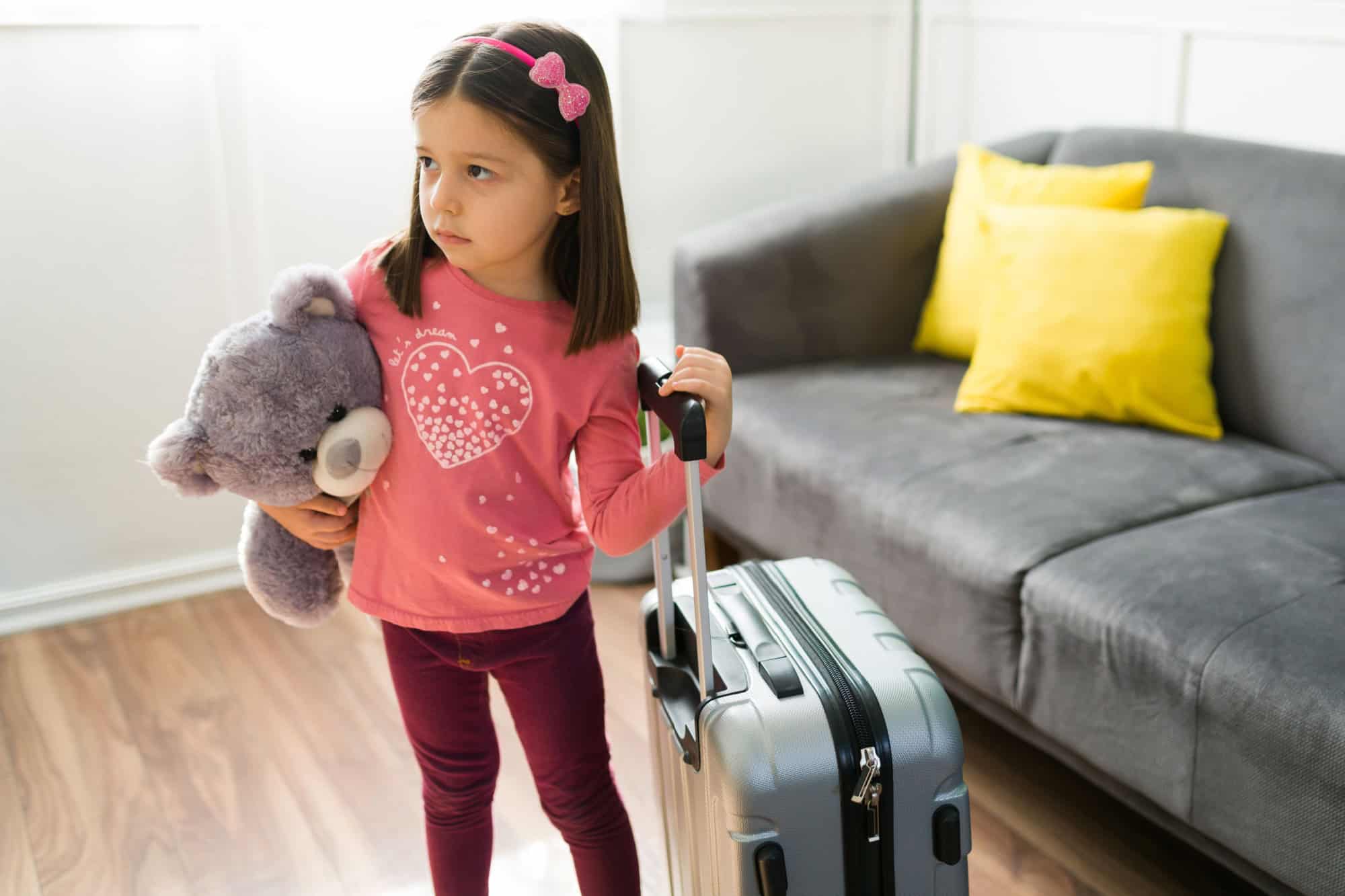
Kids should know that they should never leave home, the playground, school, or anywhere else with anyone without checking with you first. Even if it’s a neighbor or someone they know, the rule still stands. A simple and the best way to put it is: “No go, until I say so.”
Stay away from cars when someone calls out

Your kids should learn that no adult needs help from them to find their pet, give directions, or carry something to their car. Train your children to walk in the opposite direction from any vehicle if someone inside calls out to them. If they continue to feel uneasy, they should trust themselves and just run in the opposite direction as fast as possible.
Don’t share personal info online

Video games and online apps are not always what they seem. Teach your little ones to not share their real name, school name, address, photos, or any other personal information with strangers they meet online. You can also stress that if a stranger asks personal questions, they should come to you immediately to confirm how to proceed safely.
Yell, run, and tell

If someone does try to grab your child, teach them that it’s okay to scream, kick and make as much noise as they can. Teaching your child to shout a phrase like, “This is not my parent!” or “Leave me alone!” can draw attention. They should then run as fast as they can to the nearest safe place and seek help from an adult they trust.
Listen to the “uh-oh” feeling

Kids may not always be able to explain when someone or something doesn’t feel right. Teach them to trust their “uh-oh” feeling. That sensation is their body’s way of sending a warning signal, and it’s always right. If they get a gut feeling that something is off, they don’t have to be polite, and they can leave immediately.
Know the safe places nearby

Help your child identify safe places in your neighborhood where they can go if they ever feel scared, threatened, or alone. This could be a friend’s house, a shop, a library, or a nearby police station. Instructing your child that there are safe places they can go to may help them feel more secure. It also gives them somewhere to go if they do get lost.
Practice using emergency numbers with your child

Show your child how to dial your local emergency number, like 911 in the U.S. Practice what to say: their name, your address, and what’s wrong. The more they rehearse, the calmer they’ll be if it’s ever real. You’ll never regret practicing this one with your child.
Don’t accept food or gifts without permission
Even if it’s someone they know, kids should not accept food, candy, toys, or a ride without first checking with you. Strangers and sometimes even acquaintances have tricks to establish trust with children and get them to leave with them. The best way for a child to respond in this situation is, “I need to ask my mom or dad first.”
Stay visible in public places

Teach your child to always stay where they can see you, whether you’re in a mall, a park, or a busy street. If they suddenly can’t spot you, they should stop and stay put until you find them. Wandering further away only makes it harder.
Sources: The following sources were consulted in the preparation of this article.
Like our content? Be sure to follow us.