
Think about your fridge for a second. Chances are, some of the stuff in there is thanks to farmers in Native gardens & fields many hundreds of years ago. Here are ten everyday foods that were first cultivated by Native Americans. Which one would you find hardest to give up for good?
Featured Image Credit: Shutterstock.
Corn

Grass with tiny hard kernels doesn’t sound anything like the corn we eat today. But that’s how it used to be. Around 9,000 years ago, farmers in southern Mexico kept planting seeds from the bigger kernels of teosinte, the ancestor of maize. These ears eventually became fatter & had kernels that lined up neatly. Corn was born. Later, it became the heart of diets across the world.
Potatoes

High in the Andes, Native people figured out how to tame wild potatoes. But they didn’t simply eat them fresh. They also freeze-dried them into chuño so they’d last all winter, and they had terraces carved into mountainsides to hold thousands of potato types. These included tiny fingerlings & purple-skinned tubers that grew in rocky soils. They really loved spuds.
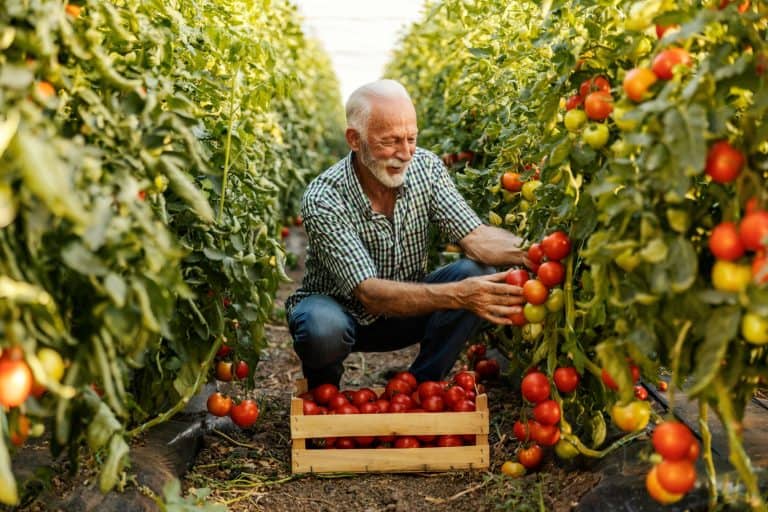
Tomatoes

Wild tomatoes used to be much smaller than their modern counterparts. They were small, almost like berries. People began planting & replanting them in Central Mexico until larger fruits showed up. Interestingly, the word itself comes from the Nahuatl name xītomatl, and by the time Europeans arrived, there were tomatoes in colors like red and yellow.
Common bean

You might’ve heard of the “Three Sisters.” That’s corn, squash & beans, which Native Americans used to grow together in one field. Archeologists have traced the common bean back to Mexico. There, it split into two branches, which became the one in the Andes & one in Mesoamerica. We still grow both today.
Squash

Squash has been around so long that some of the oldest domesticated plant remains in the Americas are squash rinds. How did they do it? Well, farmers picked seeds from the less-bitter gourds & slowly turned them into edible crops. They did this alongside corn & beans. Squash vines sprawled on the ground & gave the soil some shade, helping to keep the moisture in.
Chili peppers

Anyone who likes spicy food should thank ancient farmers in Mexico. People gathered wild peppers from caves like Coxcatlán, then took them back home & planted them. They later bred peppers that included mild & thick-fleshed, as well as fiery-hot. Native Americans made the peppers into stews & sauces long before we had salsa in a bottle. How tasty.
Sunflowers

Many people like eating sunflower seeds at baseball games. And it’s all because of Native Americans that we have them. In what’s now the Midwest, these communities picked the largest seeds to replant, and this turned wild multi-headed sunflowers into single-stem plants with bigger seed heads. They were perfect for oil & flour. And, of course, roasted treats.
Cacao beans

You probably know that chocolate started in the Amazon, but you might not realize the full story behind it. People in present-day Ecuador fermented cacao pulp more than 5,000 years ago. Later, the Maya made cacao drinks spiced with chili & served them in carved vessels. Archeologists found traces of theobromine, the chemical in cacao, as far north as Honduras.
Peanuts

The peanut plant’s wild relatives used to have pods buried deep underground. It’s all thanks to Indigenous farmers in modern-day Bolivia & Argentina, who crossed two wild species to create today’s peanut. Peanuts spread across South America from there. People roasted & ground them, even used them in sauces, for centuries.
Avocados

Early ones were smaller than the ones we have today, and they had much bigger pits. But farmers in Mexico, Guatemala & Central America selected trees with creamier flesh, which later became the buttery avocados we have today. In fact, archeological digs have discovered pits that show just how much they grew over time. It’s quite impressive.
Sources: Please see here for a complete listing of all sources that were consulted in the preparation of this article.
Like our content? Be sure to follow us.


