

Summer fun came from different stuff before smartphones. These were the kinds of things you could set up in the yard & drag to the pool, maybe leave in the garage all winter. But then they disappeared as quickly as they came. Here are ten banned summer toys that kids used to love. Do you remember playing with any of these?
Featured Image Credit: Shutterstock.
Lawn darts in backyards

Those who grew up in a neighborhood with a decent stretch of grass may have known someone who owned a set of these. The game was simple. You had to throw heavy darts toward a plastic ring target on the ground, although the problem was that these things were solid metal at the tip. By the late ’80s, regulators pulled them for good, and rightly so.
Hose-end dancing sprinkler toy
Yes, they were goofy, but they sure were fun. Dancing sprinkler toys hooked onto a regular garden hose & wiggled around while spraying water. The head popped up and spun, turning a driveway into a mini water park, and millions were sold in the late ’70s. Yet the nozzle design led to accidents, so they were banned.
Rigid pool dive sticks

Pool dive sticks were skinny, brightly colored plastic rods that sank upright to the pool floor. Kids would line up on the edge & count down, and then race to grab them first. In the late ‘70s, these sticks began appearing in stores, and they stuck around for decades. But a big recall came in 1999 because it emerged that these toys were capable of impaling children.
Yo-yo water ball
At first glance, the yo-yo water ball looked like a stress ball on a stretchy cord. But it was filled with liquid. You’d swing it like a yo-yo & make it bounce back, which is why it caught regulators’ attention in the early 2000s. Turns out, the cord could wrap around kids’ necks, so stores began dropping it soon after.
Towable kite tube for boating

Towable kite tubes came & went rather fast. Essentially, these were giant inflatable discs with a wing shape, and towed behind a speedboat, they could actually lift riders a few feet into the air. They were as flashy as they were unpredictable & they hit the shelves in 2005. Within a year, reports of boating accidents pulled the product off the market.
Net mini-hammocks without spreader bars

Net mini-hammocks without spreader bars looked innocent. They were just cheap net hammocks sized for kids, right? However, without a bar to keep the ends open, the nets would bunch up quickly. A huge recall came in 1996 after reports of 12 children dying from the nets strangling them, so the majority of the hammocks disappeared.
Inflatable baby pool boats with split seats
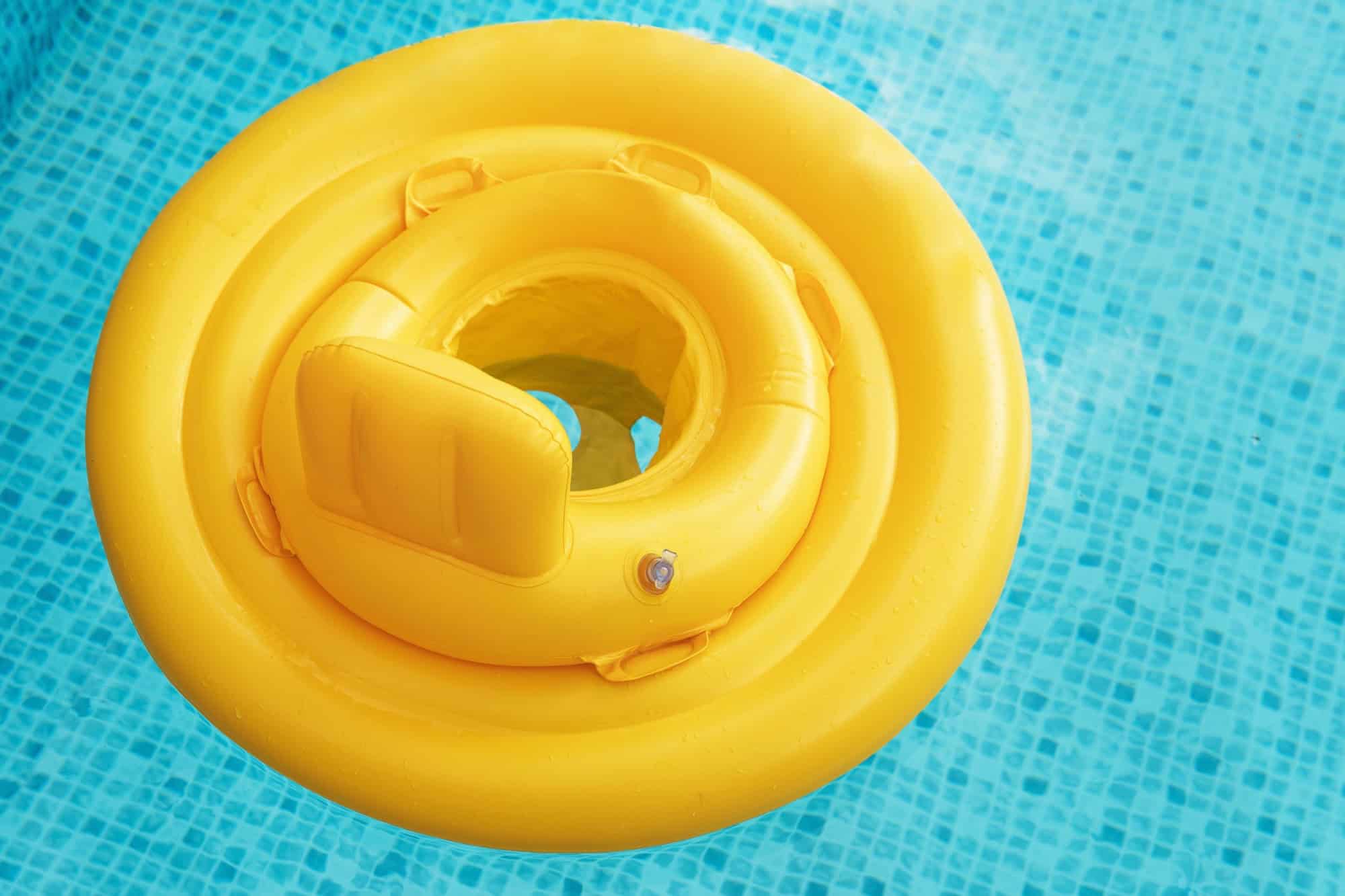
These little floaty boats were meant to keep toddlers upright in shallow pools, and the vinyl seats had leg holes so kids could sit & splash. Unfortunately, some of those seats ripped under pressure. They dumped kids straight into the water, where they could potentially drown, leading to recalls in 1998 and again in 1999.
Garden-hose water rocket toy
You could hook a water rocket toy up to a garden hose & fill it, then step back. Why? Because it launched rather high. It was a plastic rocket with a foam tip that sat on a small base, then water pressure built up until it blasted off into the sky. Yes, it was as dangerous as it sounds, especially since they could fire in any direction. Numerous injuries then led to them being recalled.
Clacker balls on a string

Clacker balls were everywhere in the early ’70s. They were hard balls dangled from a string that kids would whip up & down so they smacked together with a loud clacking sound. Unfortunately, they weren’t exactly safe, as the balls sometimes shattered mid-swing. Clackers were later banned as part of the Federal Hazardous Substances Act (FHSA).
Tubular-band slingshot model
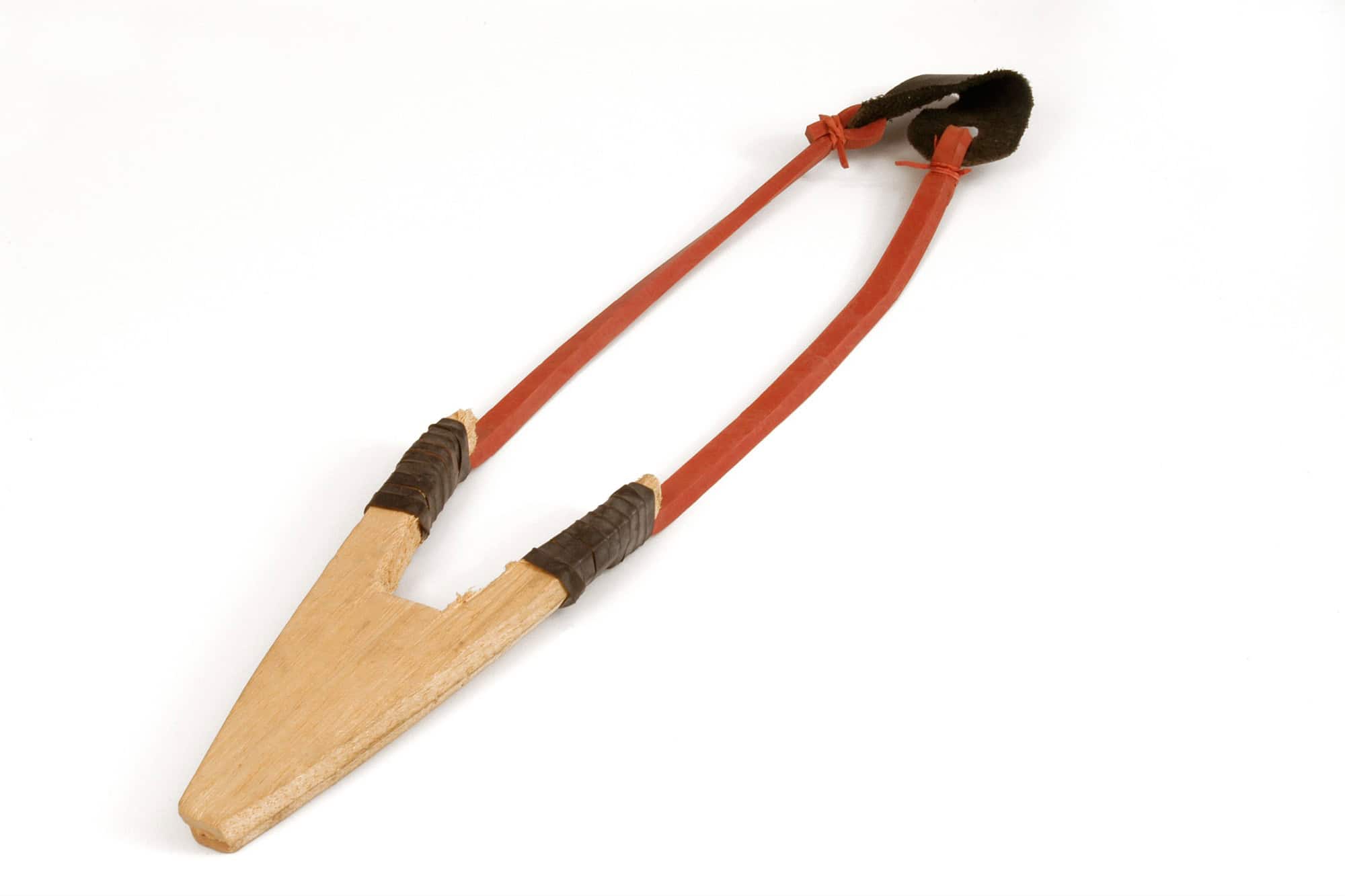
The tubular-band slingshot model was sold in sporting goods aisles and had stretchy tubes. The design looked rather sleek. Yet the bands had a habit of slipping loose, and a sudden snap could send the end flying straight back at the user’s face. By 2006, over 100,000 were officially recalled because they were just too dangerous for any child to use.
Sources: Please see here for a complete listing of all sources that were consulted in the preparation of this article.
Like our content? Be sure to follow us.