

These stories sound like drunken exaggerations, but the basic events really did happen.
The U.S. accidentally dropped a nuclear bomb on someone’s backyard in 1958
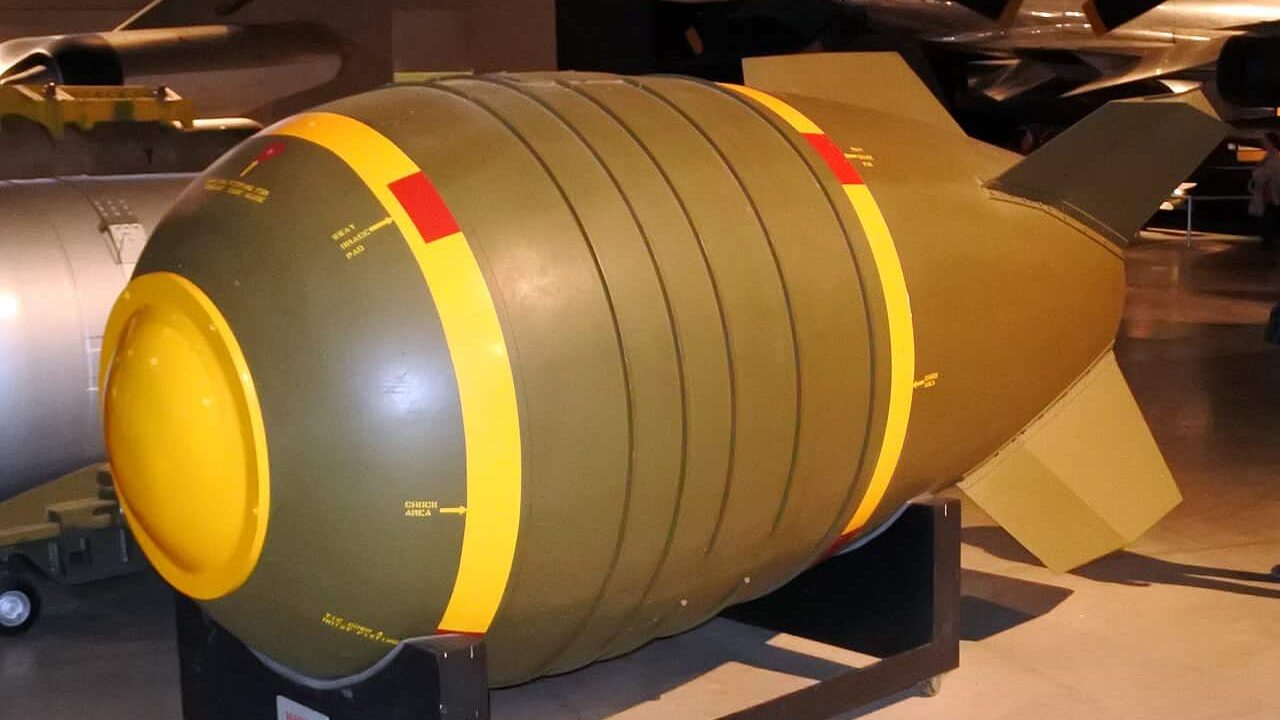
On March 11, 1958, an armed U. S. Air Force B-47 bomber flying over South Carolina accidentally dropped a Mark 6 nuclear bomb. It landed in the backyard of the Gregg family near Mars Bluff.
Its conventional explosives detonated, leaving a crater forty feet across, leveling a playhouse and damaging the Greggs’ home. Several family members were hurt. The bomb’s nuclear core had not been installed, so there was no nuclear detonation.
Britain accidentally invaded Spain for a few minutes in 2002

During a training exercise in February 2002, a detachment of British Royal Marines landed on a beach thinking it was Gibraltar. Little did they know that they had actually landed in Spain.
Armed with rifles and machine guns, the Marines reportedly figured out their mistake when Spanish police came upon them and notified them that they were actually on Spanish soil. The troops promptly headed back to their ships, and Britain’s Ministry of Defence apologized for what it called “a navigational error.”
Pepsi briefly ended up with a surprisingly large collection of Soviet warships in 1989
One problem Pepsi encountered while trying to sell its soft drink throughout the Soviet Union was that Soviet currency was not convertible, making it difficult to use outside of the country.
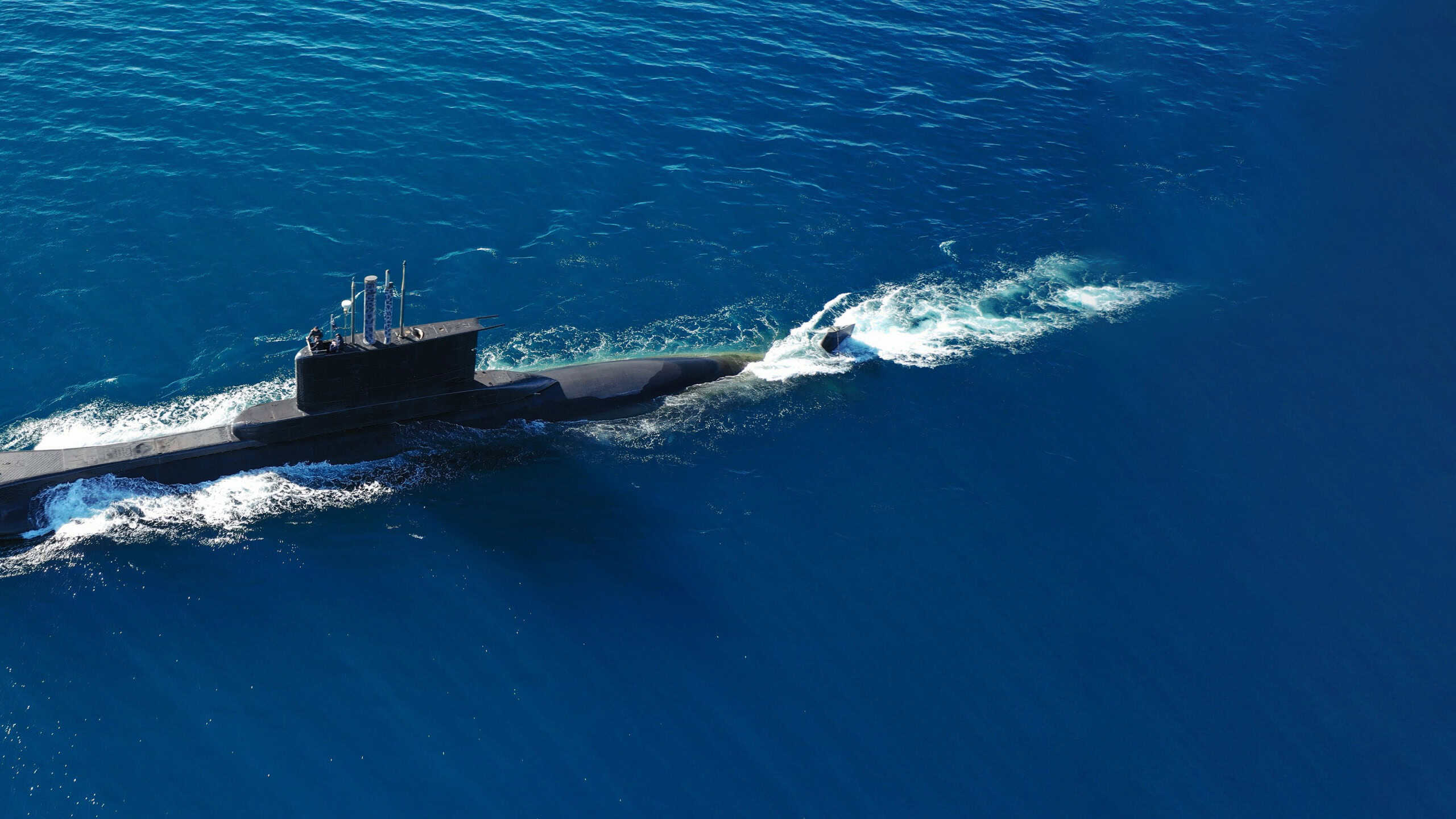
As payment for earlier deals, Pepsi had received Soviet vodka, but when the two entities negotiated a much larger deal around 1989–90, ships soon joined the complicated barter agreement. Pepsi became tied to 17 submarines and several surface ships that were to be scrapped through middlemen.
The great balloon race disaster of Cleveland 1986

Wanting to create a world record fundraising stunt, United Way of Cleveland decided to release 1.5 million balloons filled with helium into the sky all at once. However, a freak cold front rolled through the area and swept the balloons back over Cleveland, rather than letting them fly away.
Balloons clogged airport runways, caused traffic accidents, and covered Lake Erie so thoroughly that the Coast Guard was unable to locate two missing boaters (both found dead after the incident).
The U.S. sent an overwhelming military force to cut down one tree in 1979

In August 1976, two U. S. Army officers, Captain Arthur Bonifas and First Lieutenant Mark Barrett, were killed when North Korean troops attacked a United Nations Command (UNC) work party trimming a poplar tree on the northern edge of the DMZ.
Three days later, United Nations Command forces led by the United States returned under Operation Paul Bunyan to complete the trimming. Accompanied by scores of heavily armed soldiers, a group of personnel with chainsaws trimmed the tree while armed attack helicopters, fighter aircraft, and B-52 bombers flew armed alert missions overhead, and thousands of additional U.S. and South Korean troops were placed on stand-down alert.
Disco demolition night of Chicago 1979
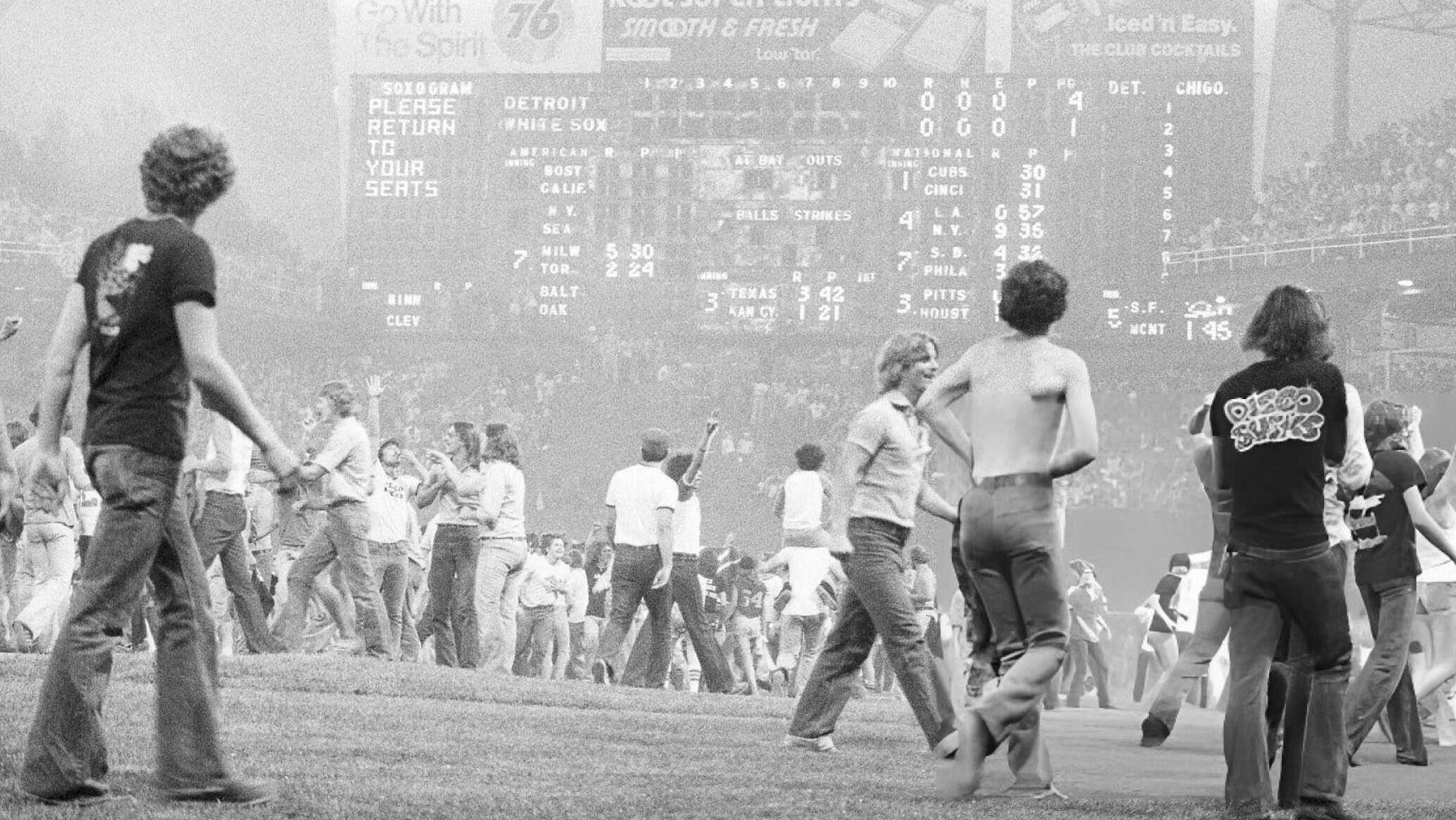
One of the most bizarre promotions ever staged in baseball history took place on July 12, 1979, in Chicago’s Comiskey Park. During an intermission between games of a White Sox/Detroit Tigers doubleheader, fans who paid only 98 cents were allowed to enter the ballpark with a disco record to be surrendered to disk jockey Steve Dahl. Thousands of records Dahl had collected were blown up between games.
Organizers predicted an increase in attendance of only 20,000 fans for the promotion, but the explosion drew fans past the ballpark’s legal capacity as thousands of fans outside refused to leave. Fans stormed the field and destroyed property by ripping up turf, starting fires, stealing bases, and refusing to leave.
Police had to forcibly remove fans from the stadium. The playing field was so damaged that the White Sox forfeited the second game.
Liechtenstein’s 81-man army of 1866

In the Austro-Prussian War, Liechtenstein fielded an 80-man strong army to defend an alpine pass between Austria and Italy. They did not encounter any fighting during the entire campaign and instead spent their time enjoying the mountain view and drinking wine.
The army was met with celebration upon returning home. However, they did not return with just 80 soldiers. On their travels, they made a friend. An officer in the Italian army opted to desert his army and take up citizenship in Liechtenstein as a guest.
The 1904 Olympic marathon

The entire race course consisted of dusty roads with nearly no water stops. The man who finished first rode in a car for 11 miles after suffering from a cramp and almost accepted the gold medal until he was discovered.
The official winner, Thomas Hicks, was propped up and kept awake by his trainers, who fed him doses of strychnine poison mixed with brandy and raw eggs.
Cuban runner Andarín Carvajal stopped in the middle of the race to devour rotting apples from an orchard. He suffered severe stomach cramps and fell asleep on the side of the road before limping into fourth place.
The CIA tried to turn a cat into a spy in the 1960s

The CIA once tested out a plan to use cats as spies during the Cold War. Known simply as “Acoustic Kitty”, the plan involved surgically implanting transmission devices into a cat. Agency researchers hoped to control the cat to within inches of its target and record conversations it overheard.
A significant amount of time was devoted to engineering the cat to fulfill certain tasks, like walking in a straight line. Plans were dropped for the program after higher-ups realized using a wild cat as a spy made very little sense.
The Boston molasses flood 1919
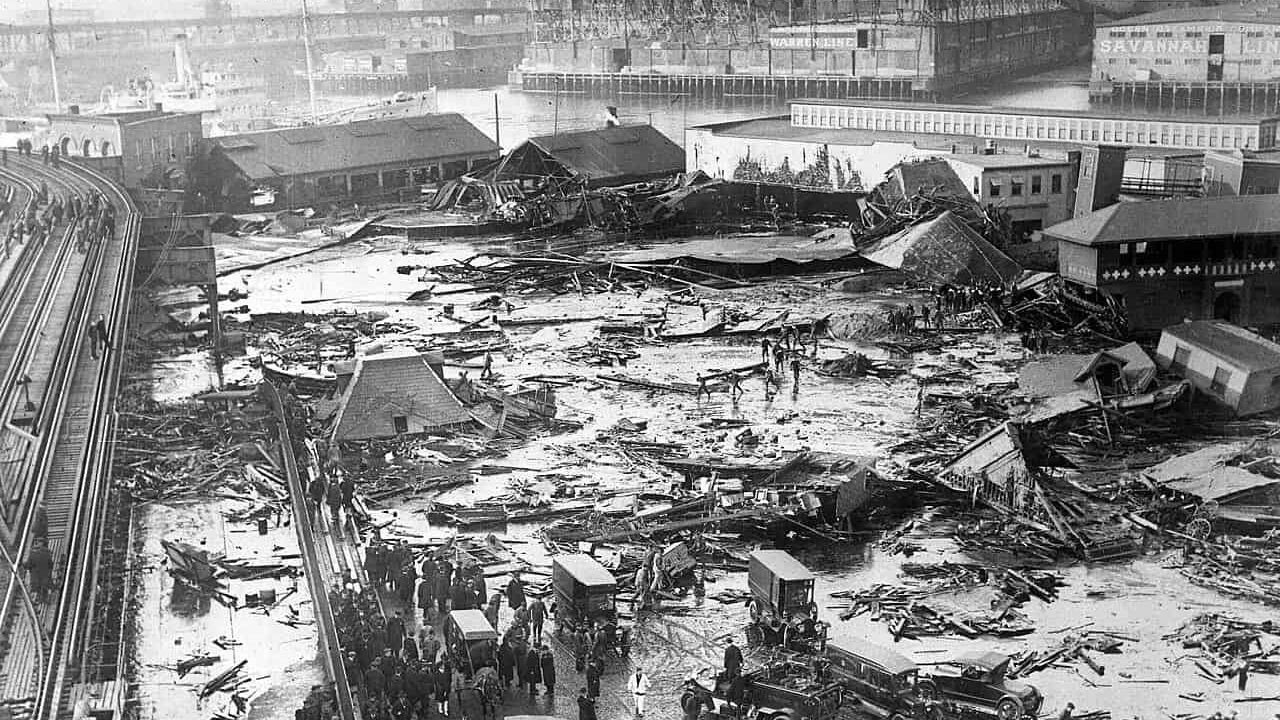
A 50-foot-high storage tank filled with 2.3 million gallons of fermenting molasses suddenly burst open in Boston’s North End. The wave of molasses, which was 25 feet high and moving at 35 miles per hour, flooded the streets, killing everything in its path.
Buildings were damaged, streetcars were picked up from their tracks, and horses were drowned. The sea of molasses was so thick that rescue workers could not walk through it. Residents said that for years after, during warm summer days, the area smelled like brown sugar.
Sources: Please see here for a complete listing of all sources that were consulted in the preparation of this article.
Like our content? Be sure to follow us.
10 fascinating historical facts everyone seems to forget

History is packed with overlooked events, bizarre coincidences, and forgotten turning points, and here are 10 fascinating historical facts that often get lost in popular memory.

