

Some men rescued dozens of people, some kept fighting after being wounded, but either way, they did some brave things that absolutely deserve to be taught about in school.
Joseph Ozbourn
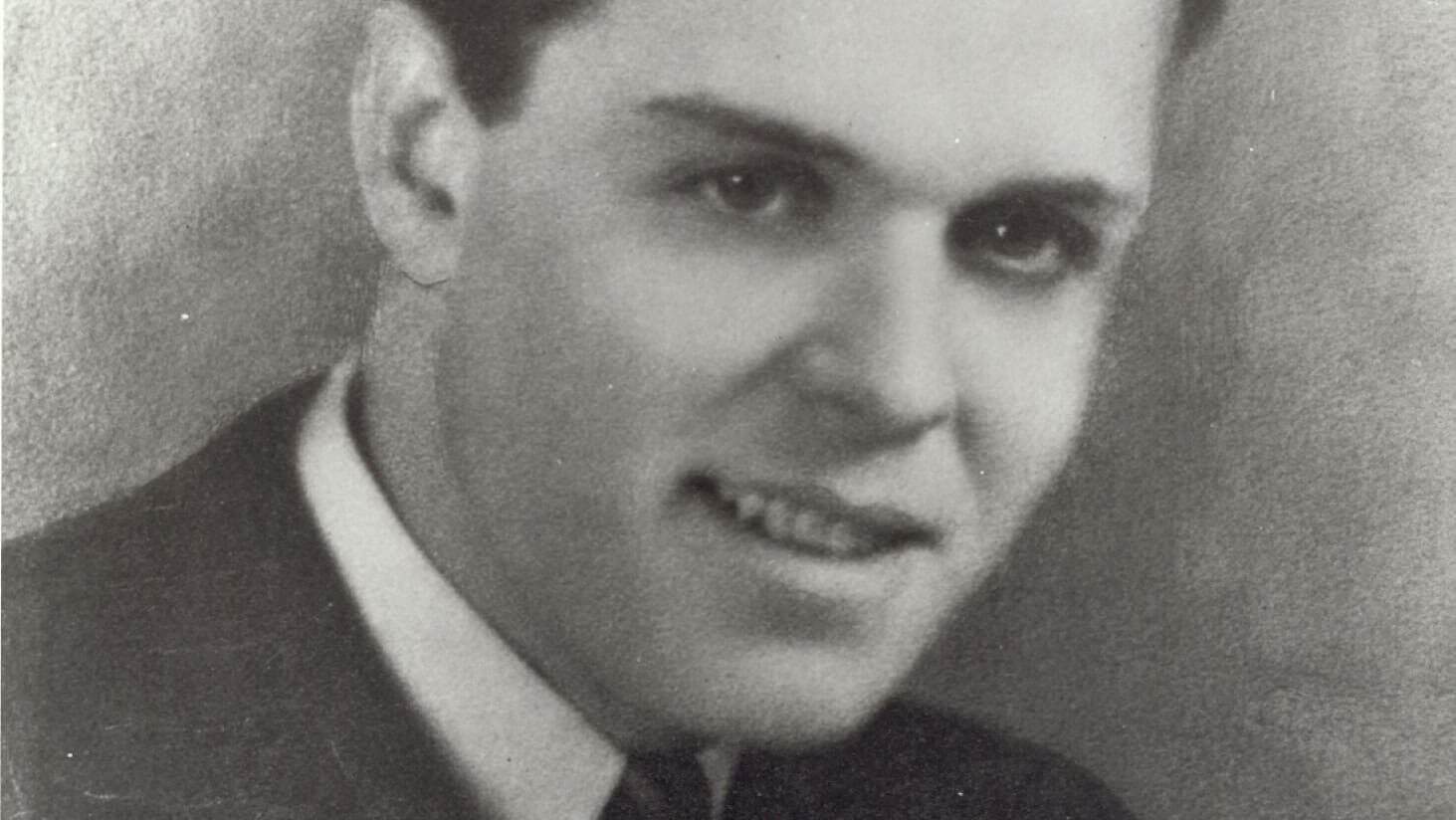
Joseph Ozbourn had very little time to think on Tinian, July 30, 1944. He was carrying an armed grenade toward a Japanese dugout, and then, out of nowhere, enemy fire struck him. Now he had a live grenade and several wounded men beside him.
Throwing the grenade anywhere else could’ve killed them. Ozbourn figured he’d pull the grenade beneath his own body himself and cover. He died in the blast, but in doing so, saved the Marines around him. It doesn’t get much braver than that.
Harold Agerholm
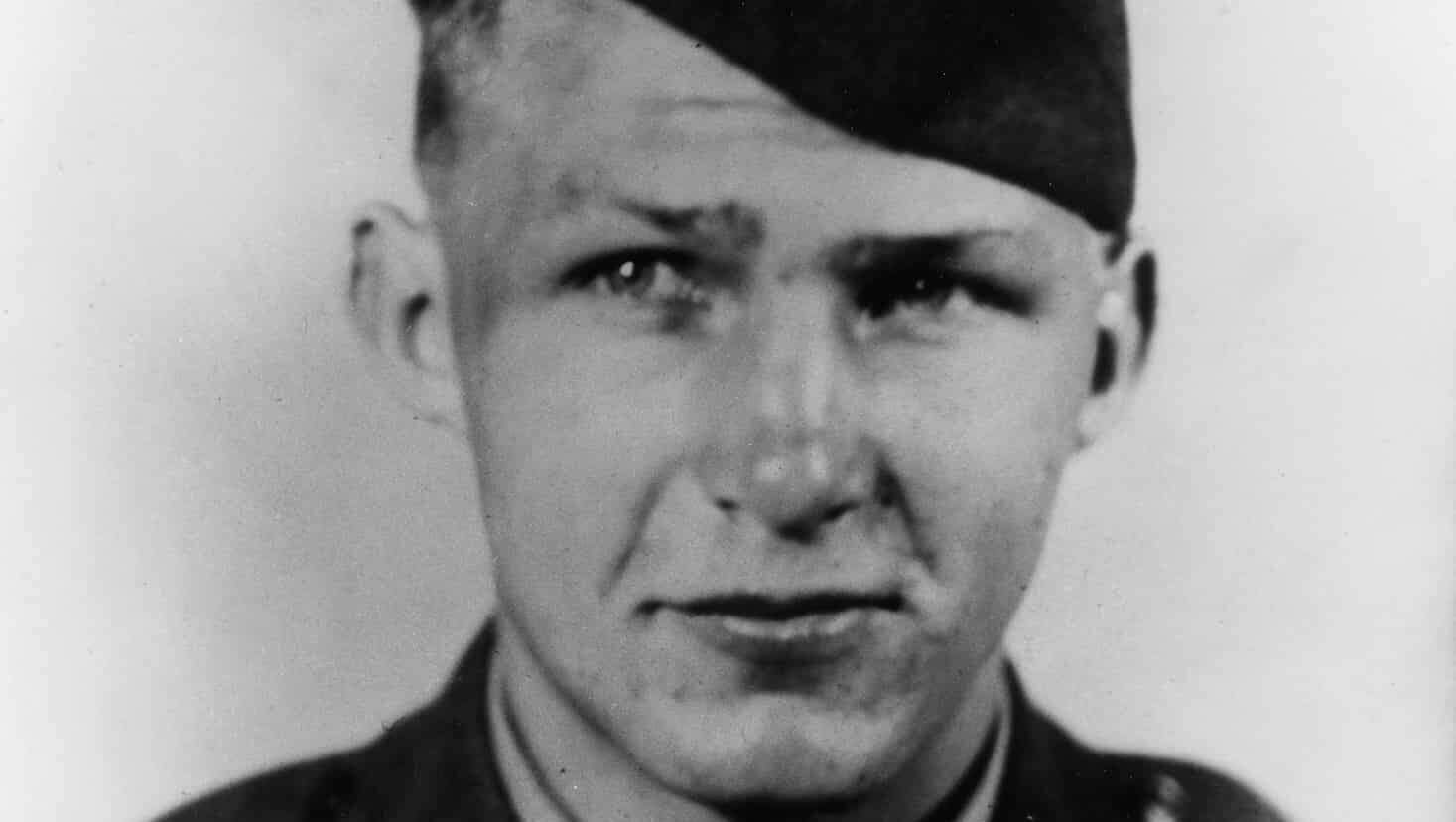
Harold Agerholm was only 19 years old, but he had the bravery of a much older man. Everything was falling apart around him on Saipan on July 7, 1944. That was because a huge Japanese attack had smashed into nearby Marine positions, leaving plenty of wounded men scattered across the area.
But Agerholm didn’t let it stop him. No, he found an abandoned ambulance jeep and just started driving through the rifle and mortar fire. Again. And again. He kept driving for around three hours, in fact, and managed to evacuate around 45 Marines by himself. A Japanese sniper eventually killed him when he left the jeep to reach two more men on foot.
George Watson
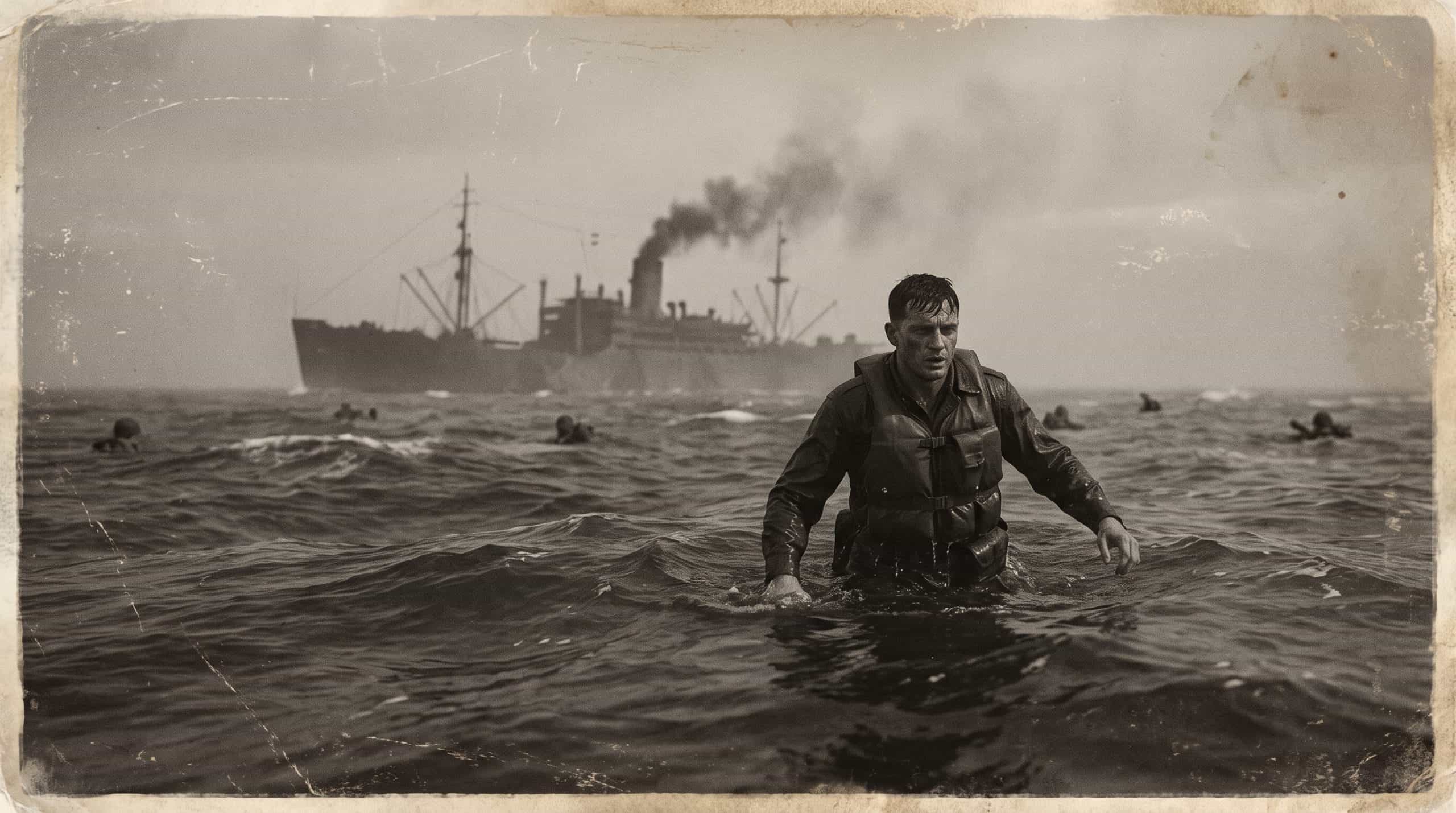
There was no chance of an orderly evacuation on the transport ship Jacob. It was bombed near New Guinea in March 1943, and men were left deep in the water. A lot of them simply couldn’t swim. One of the few who could was Private George Watson, and he used that to his advantage.
He refused to get onto a raft and chose instead to stay in the water to help the other soldiers get one first. Yes, he was that selfless. Watson continued helping, right until he was exhausted and the sinking ship went under. He was dragged under and never made it out.
Maynard Smith
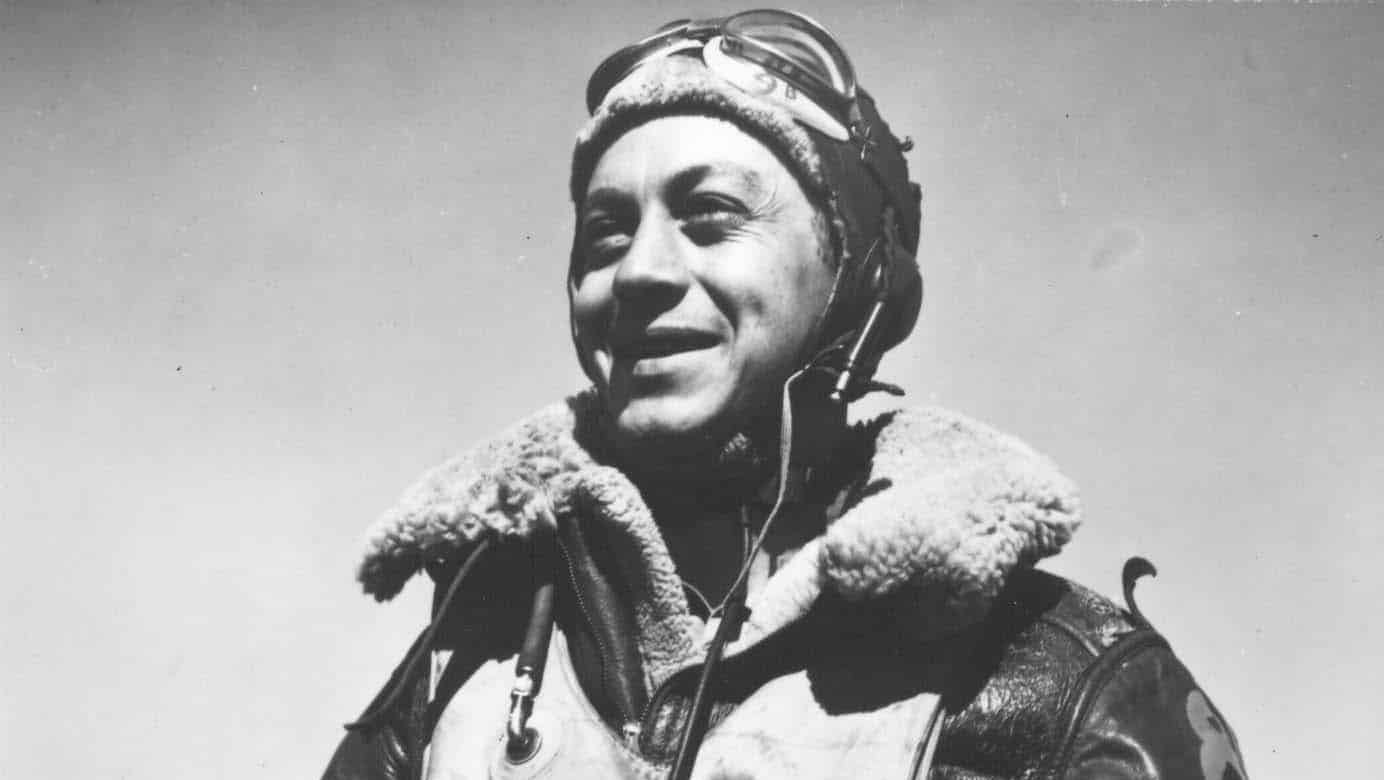
A lot of people have rough first days. None of them compare to Maynard Smith’s. His first combat mission was a B-17 raid over France on May 1, 1943, and his bomber was absolutely destroyed by German fighters. The anti-aircraft fire tore into the plane and wounded crewmen, while also starting fires inside.
Smith didn’t let any of that stop him, though. He continued to treat a wounded gunner and fired at enemy aircraft. He also tossed exploding ammunition out of the bomber for good measure and fought flames. That was after the extinguishers ran dry, pretty impressive stuff. He still managed to get the B-17 back to England somehow.
Richard Etchberger

The thing about Richard Etchberger was that he wasn’t really supposed to be an infantry fighter, as he was actually an Air Force radar specialist. That only makes his actions in Laos on March 11, 1968, even more impressive. Enemy troops were overrunning the secret Lima Site 85 radar station on Phou Pha Thi, and this had left Etchberger trapped on the mountain with others.
Not one to stay down for long, he grabbed an M-16 and returned fire. He also helped with directing air strikes and organizing a rescue, even after a helicopter arrived. Etchberger kept fighting, though. He put three wounded men into rescue slings and then finally left.
Woodrow Keeble
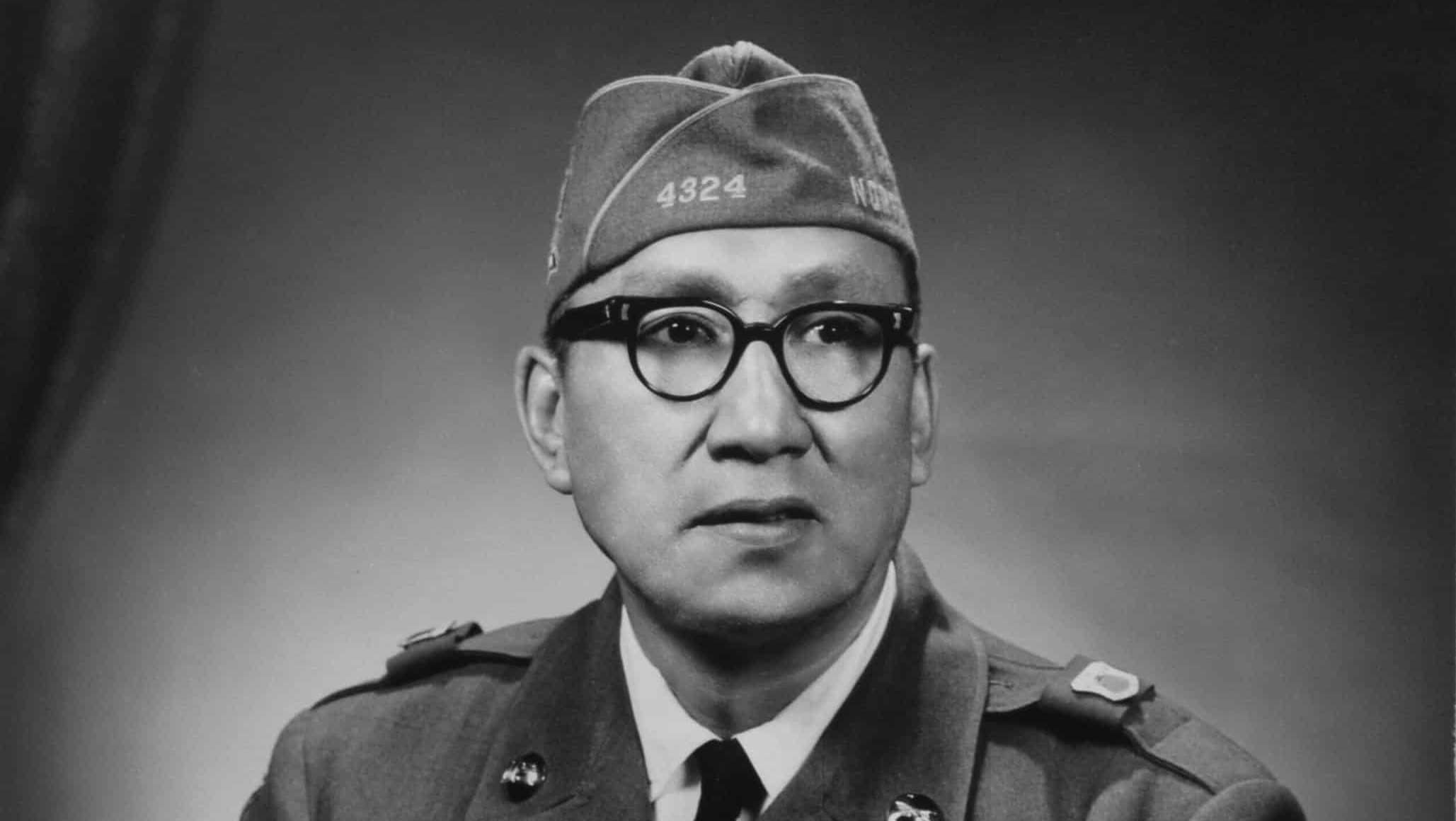
Three enemy positions. That’s what Woodrow Keeble’s company had dealt with on Hill 765 in Korea in October 1951, three enemy positions. They’d stopped his company cold, but Keeble didn’t care. He went up the hill himself and crawled forward under fire.
He eventually reached the first machine-gun position himself, which he knocked out with a grenade, and then he moved on to a second one. It didn’t take long for him to destroy that, too. Enemy forces started treating him as a threat because, let’s be honest, he was one. Keeble kept fighting and actually managed to survive the whole thing. What a brave guy.
Edward Kaneshiro

Vietnam’s Kim Son Valley had a nasty surprise for Edward Kaneshiro’s platoon on December 1, 1966. It was full of hidden enemy troops that were ready to open fire from trenches and bunkers. They killed the platoon leader. They killed the point man.
Yet Kaneshiro decided to keep fighting and got the surviving men behind cover. Kaneshiro then started crawling forward on his own. That’s when he put a grenade into one bunker and actually jumped down into the enemy trench, armed with his rifle and five grenades. His actions saved the lives of many American soldiers.
Robert Miller

Let’s travel back to January 25, 2008. That was the date that Robert Miller and 22 other men were dealing with an ambush that erupted in Afghanistan’s Gowardesh Valley. Over 100 enemy fighters were firing from higher ground, but Miller wasn’t going to back down. There was no way.
No, he chose to order the rest of the patrol back and run across open ground. He drew a lot of the enemy fire toward himself. He kept going. Miller was shot in the upper torso, and yet, he kept fighting and moving forward to make sure the others reached safer ground. Miller saved his team, but sadly, died during the attack. He was 24 years old.
Dwight Birdwell
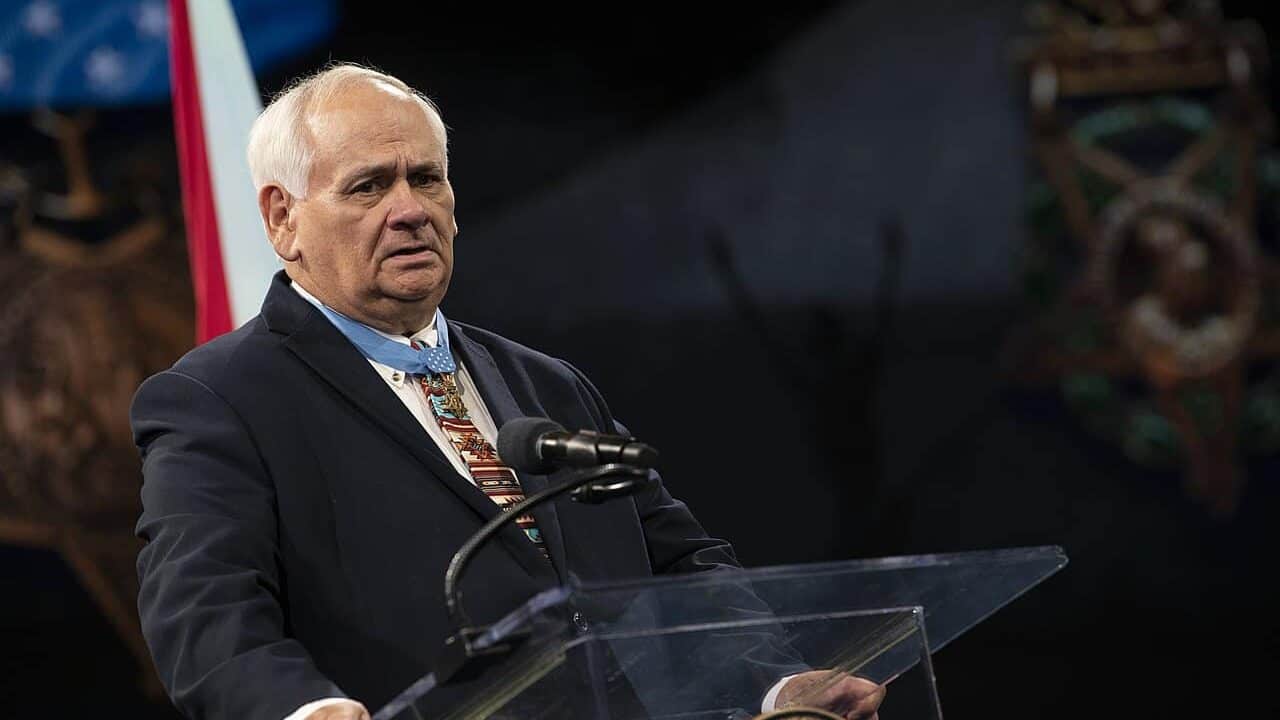
You’d think that most people would try their hardest to get away from the front line, but no, not Dwight Birdwell. He’d already taken over a tank during the Vietnam War’s Tet Offensive near Tan Son Nhut Air Base on January 31, 1968. He’d used its .50-caliber machine gun and 90mm cannon.
Then, he’d continued with an M-16 and an M-60. The whole battle had left him wounded in the face, neck, chest, and arms, so he was ordered onto an evacuation helicopter. Except, he didn’t want any of that. Call it bravery, call it stupidity, but Birdwell climbed aboard the chopper and slipped out the opposite side. He went straight back to the battle. He’s still alive today.
Felix Conde-Falcon
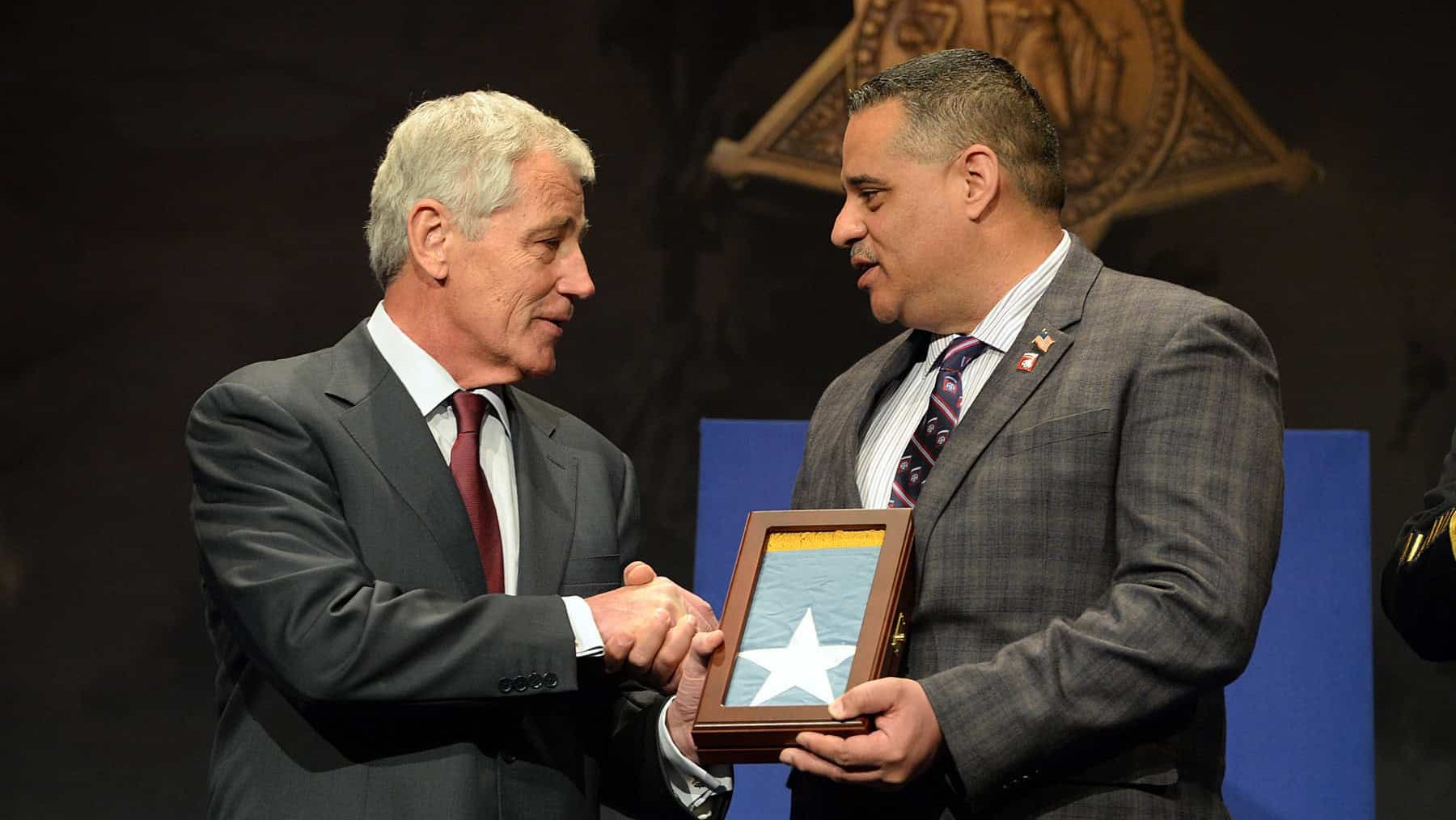
Felix Conde-Falcon wasn’t the kind of guy to wait around for someone else. He decided that, actually, he would deal with the bunkers at Ap Tan Hoa in April 1969 himself. So he went ahead of his platoon. He attacked the first enemy position with grenades and then went after two more.
Conde-Falcon kept pushing into the wooded defensive area. That was where he captured a machine gun and used it against another fortification, right until he was out of ammo. But he didn’t quit fighting, he just got an M-16 and went toward yet another bunker. It took a lot of enemy fire to eventually kill him, but by that point, he’d already cleared several positions.
Charles Barger and Jesse Funk
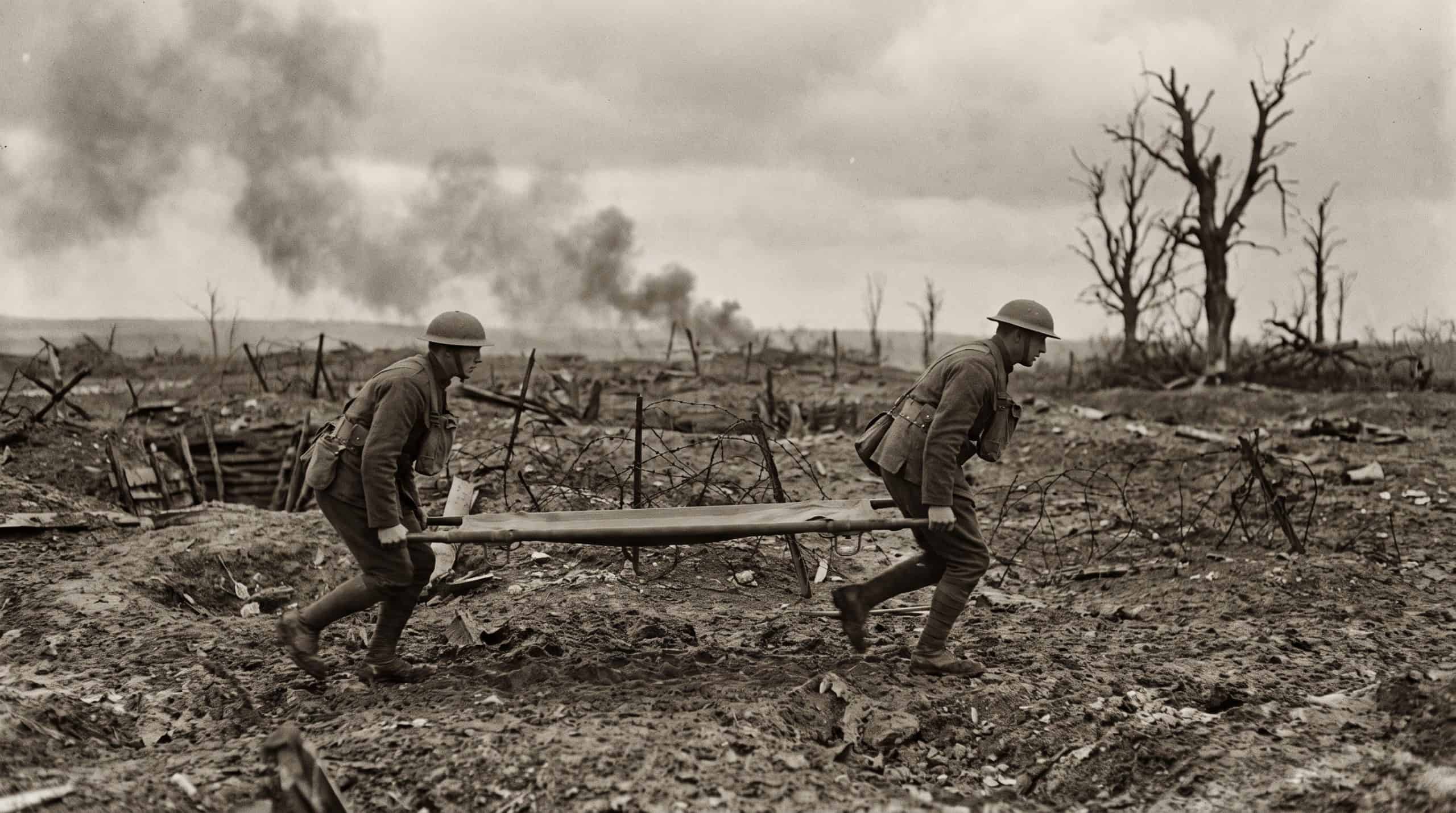
‘No Man’s Land’ was more than just a phrase. Just ask Charles Barger and Jesse Funk, who had to cross 500 yards of it near Bois-de-Bantheville, France. They did it while German machine guns were firing, and it was all because the two men were Army stretcher bearers.
They’d heard that wounded officers from American patrols were stranded out there. So they went to help them. Not because of orders or anything, they just decided to go. The men found one wounded officer, and carried him back. Then they turned around and did the same with the other.
John Siegel
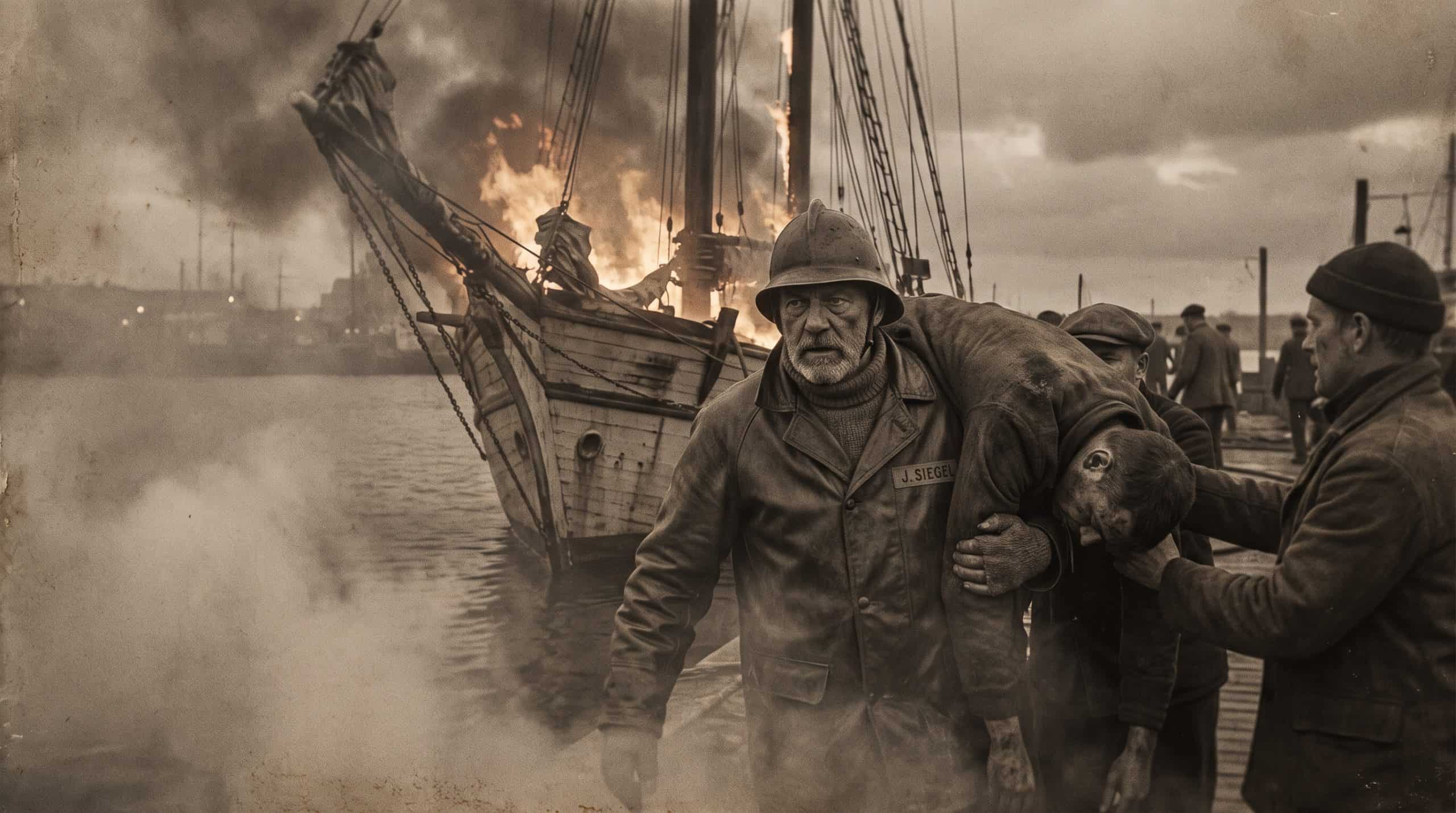
A ship fire’s bad enough. Yet some guys decide to go inside them, like John Otto Siegel, who went in there three times. This was during the Norfolk Navy Yard fire on November 1, 1918. He entered the burning schooner Hjeltenaes and brought out two trapped crewmen.
Then he went back again. He didn’t stop going, not until the third trip. A steam pipe above the doorway burst and cut off his way out, leading to smoke eventually overwhelming Siegel. He collapsed and had to be rescued by other members of the USS Mohawk.
Barney Hajiro
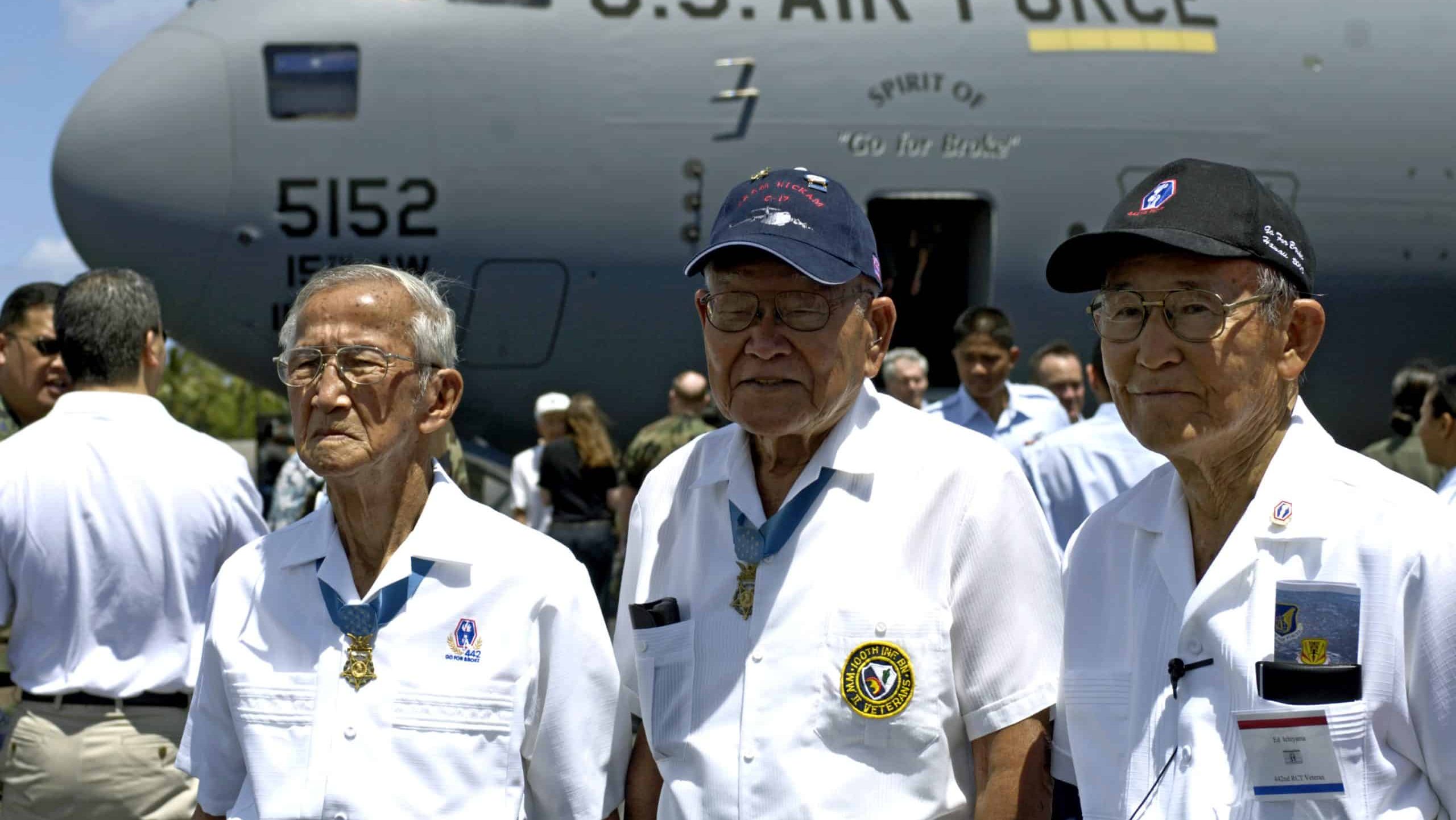
It’s not exactly easy trying to find a hidden machine gun when somebody’s firing it at you. Barney Hajiro still did it. The difference is, he had an odd way of dealing with that problem in France on October 29, 1944, and he chose to charge 100 yards uphill.
He went around 10 yards beyond his own men. Turns out, it was a smart decision because the Germans fired at him, and it gave away their positions, so Hajiro then went after them. He destroyed two machine-gun nests and killed two snipers before enemy fire badly wounded him.
Sources: Please see here for a complete listing of all sources that were consulted in the preparation of this article.
13 public figures with surprising military service
Before they became world-famous in politics, entertainment, sports, or royalty, these public figures served in the military, often in roles many people never expect.

