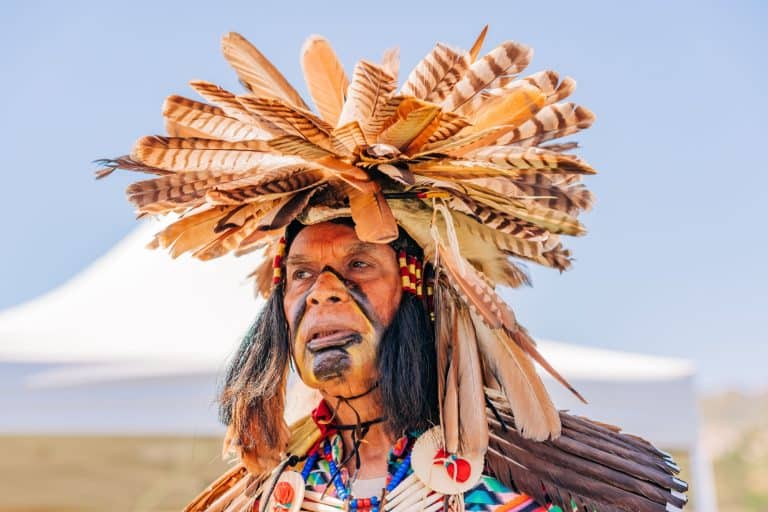

There were hundreds of unique nations throughout Native North America, and some of these nations became powerful militarily, politically, and economically, dominating vast regions and influencing neighbors for centuries.
Masters of the Southern Plains

Comanche
The Comanche became one of the dominant powers of the Great Plains in the 18th and 19th centuries. After obtaining horses, they became skilled mounted warriors, expanding to range over a large area called Comancheria, which covered most of modern-day Texas and beyond.
They raided Spanish and later Mexican settlements, battled other Native American nations for control of the region, and eventually resisted American settlers. At their peak, the Comanche could control trade, settlement, and politics over a large region of the Southwest.
A confederacy built to last
Haudenosaunee
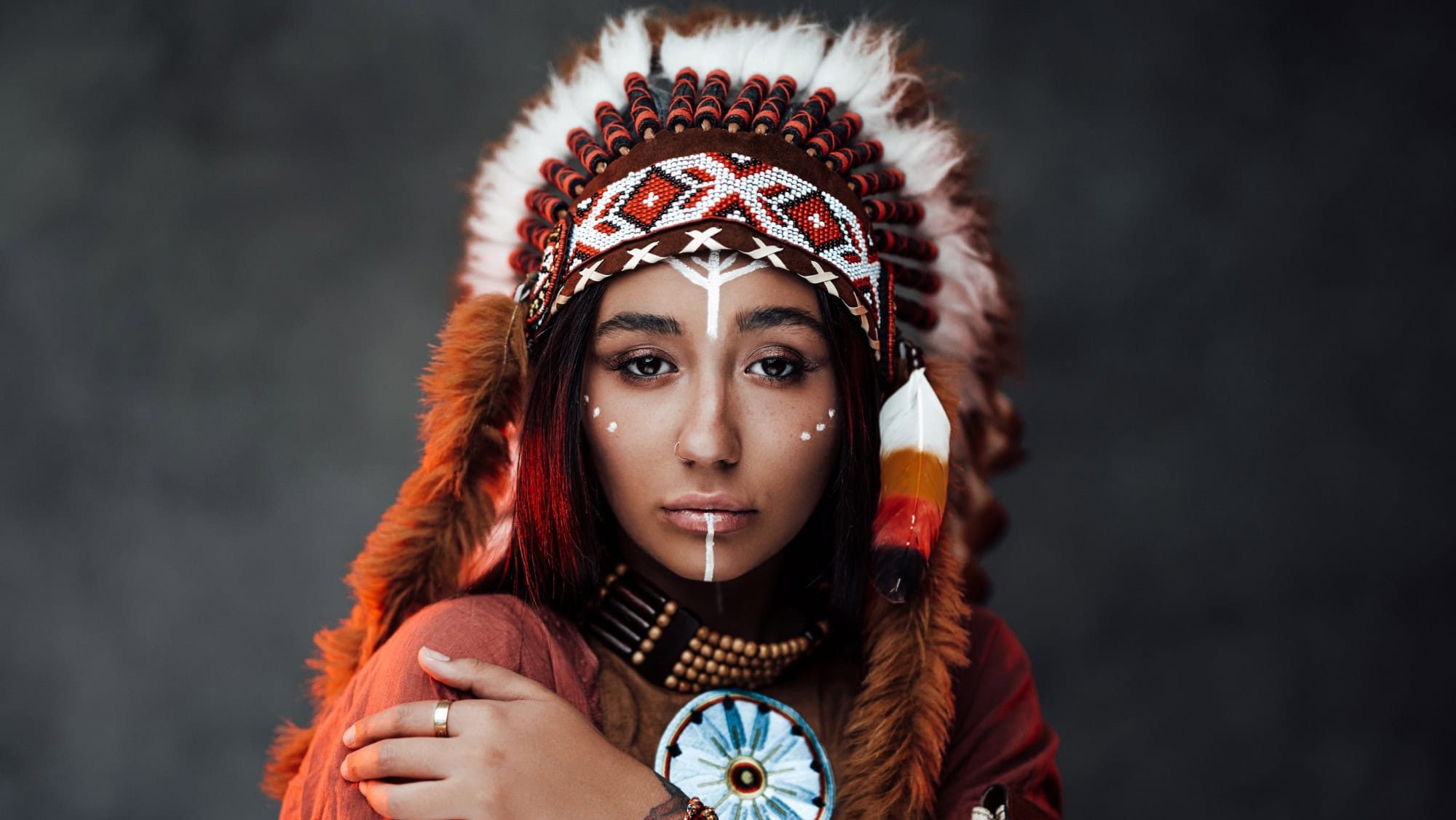
Also known as the Iroquois Confederacy, the Haudenosaunee are six Native American nations that joined together: Mohawk, Oneida, Onondaga, Cayuga, Seneca, and Tuscarora. The Confederacy was able to gain significant political power over large areas of the Northeast and Great Lakes.
In the 17th century, they expanded their power through military might, diplomacy, and control of trade routes. European powers such as Britain and France were careful to consider Haudenosaunee interests when allying with each other and going to war on the North American continent.
Warriors of the Southwest
Apache
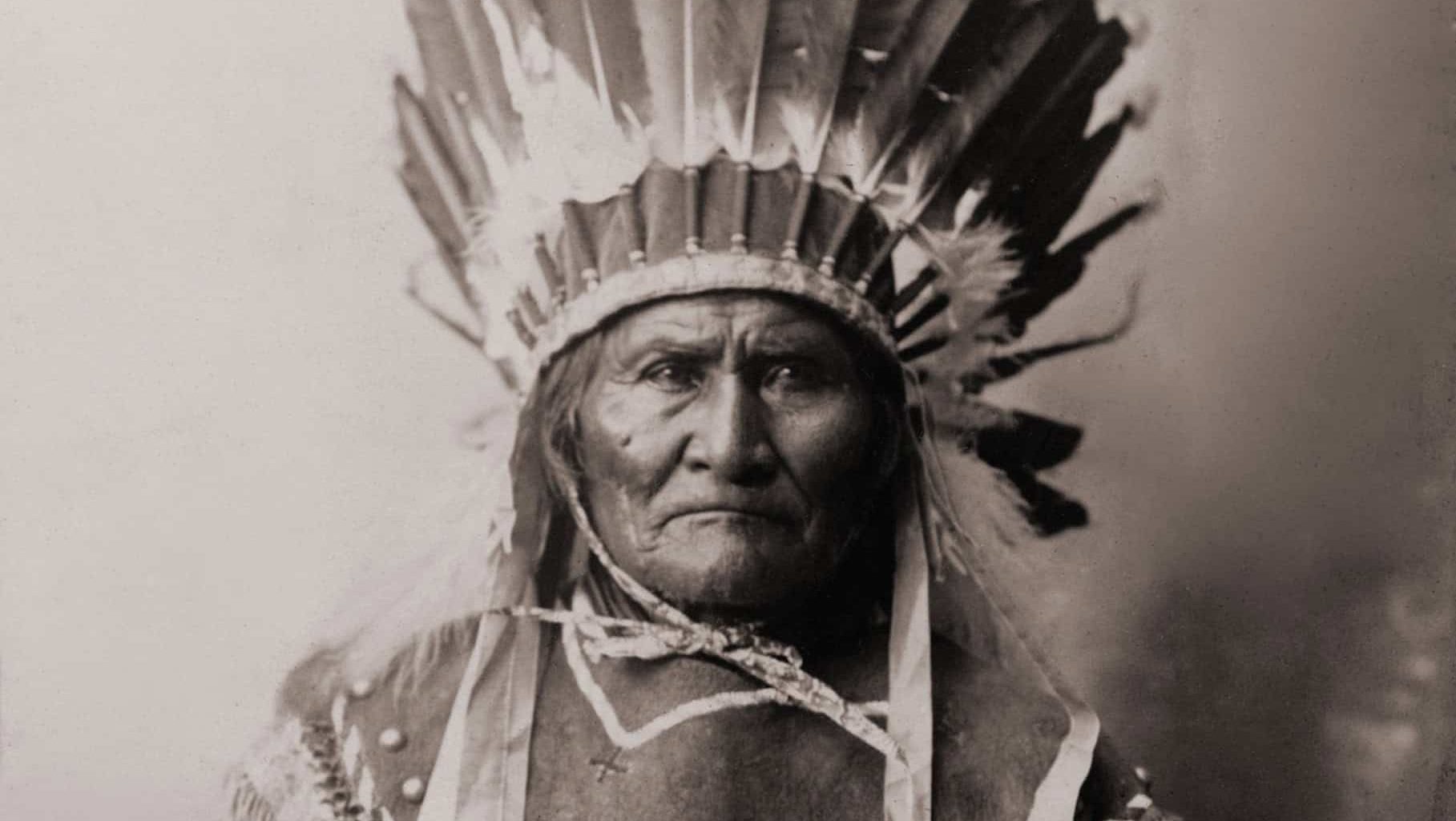
“Apache” is actually a group of culturally related people instead of one distinct tribe. They are made up of groups such as the Chiricahua, Mescalero, Jicarilla, and Western Apache. Apache tribes became known for their ability to survive and fight in the hostile terrain of the Southwest.
These highly mobile warriors utilized their knowledge of the mountains and desert terrains to stage raids and escape from larger military forces. Leaders like Cochise and Geronimo became well known during lengthy battles with Mexico and the United States during the 1800s.
The expanding Plains power
Lakota
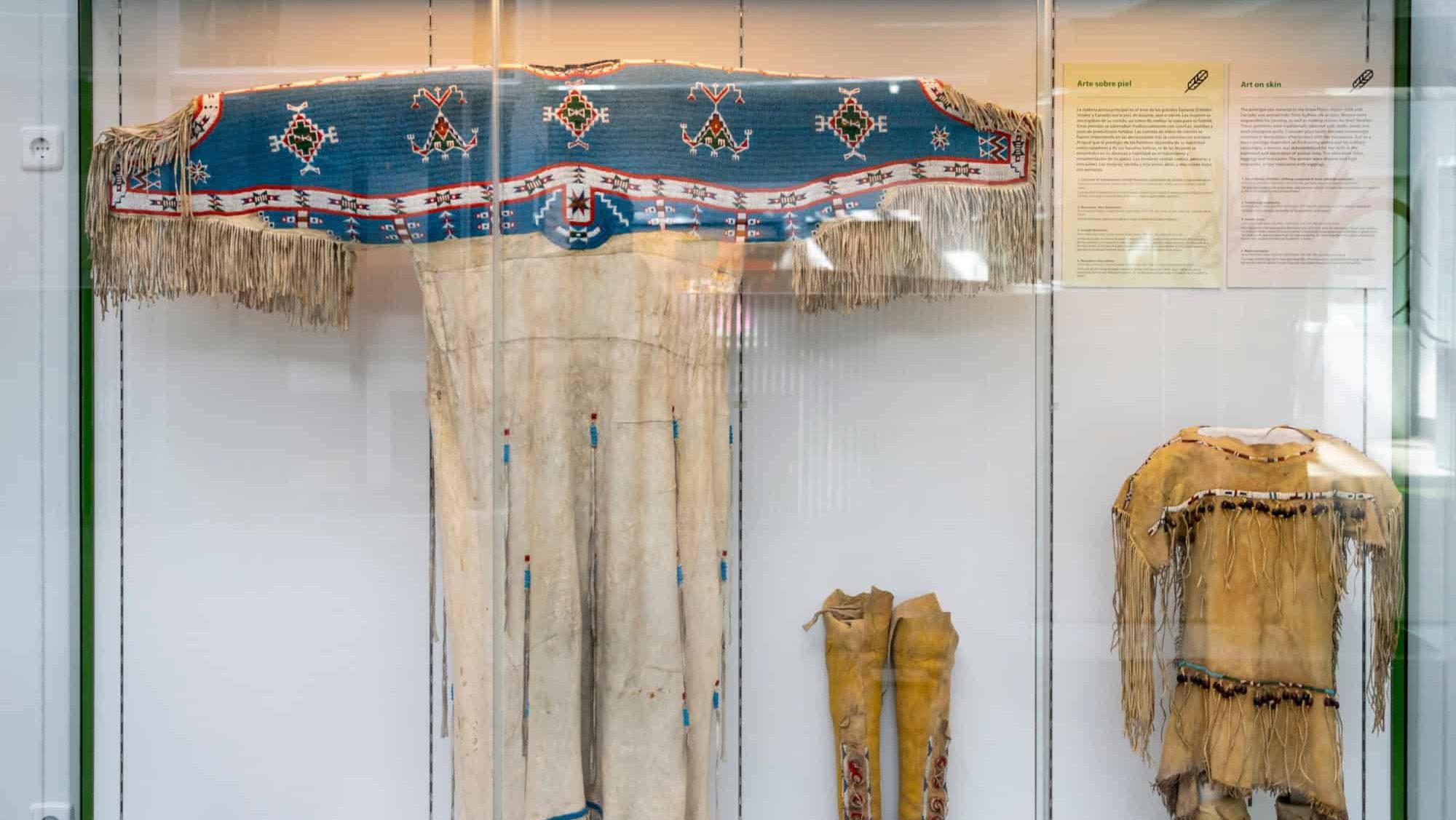
The Lakota are one of the three Sioux peoples who came to dominate the northern Great Plains in the 18th and 19th centuries. Adoption of horses changed their hunting and traveling and made them highly effective fighters. This allowed the Lakota to migrate westward to claim the best buffalo hunting grounds.
They fought the U. S. in many battles as they resisted expansion onto their territory. Lakota leaders Sitting Bull and Crazy Horse are world-renowned, especially since the Native American victory at the Battle of the Little Bighorn against General George Armstrong Custer in 1876.
Builders of a powerful nation

Cherokee
The Cherokee originally inhabited a vast area of the Southeastern United States. The Cherokee grew large farming villages and complicated political systems. In the early 1800s, the Cherokee Nation formed a written constitution and government.
Sequoyah invented the Cherokee syllabary, which led to a rapidly increasing literacy in the Cherokee tongue. Nonetheless, the United States government forcibly removed thousands of Cherokee west on the Trail of Tears, where many suffered and died.
The Southeast’s military force
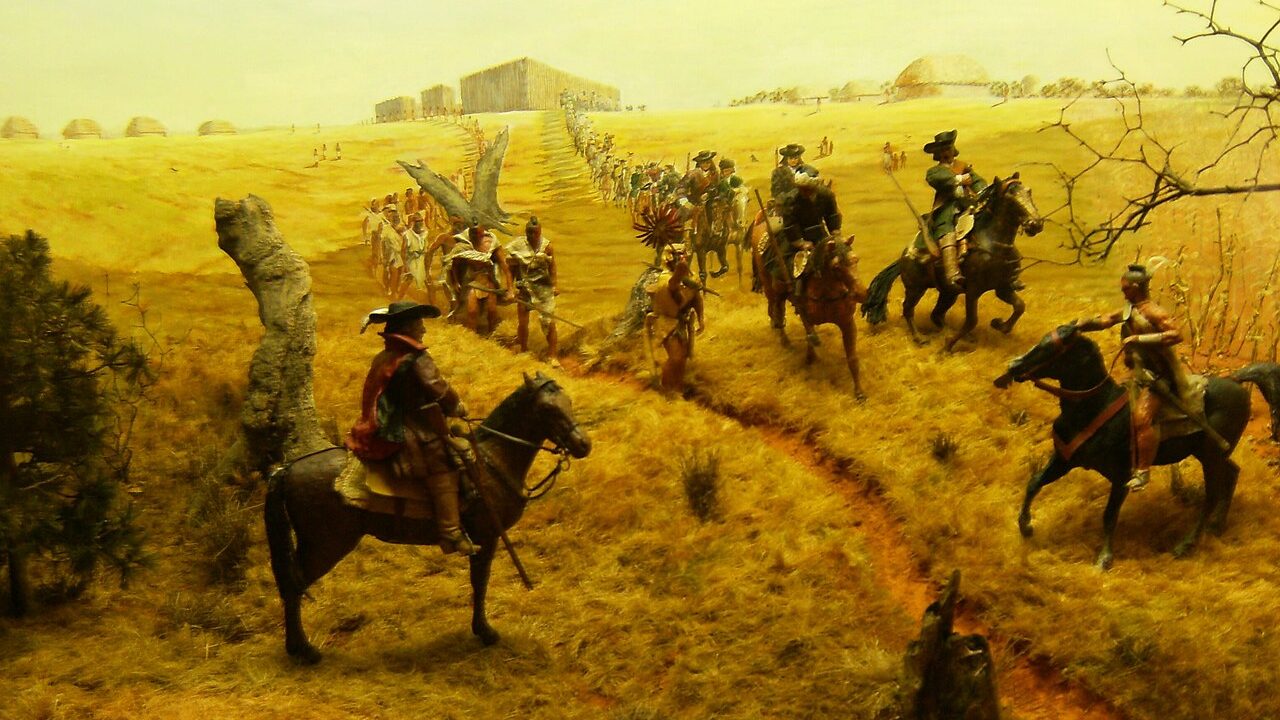
Muscogee
The Muscogee (or Creek) were a confederacy of towns that covered much of what is now Alabama and Georgia. Instead of one cohesive tribe, Muscogee communities were affiliated with each other through political, cultural, and diplomatic ties.
Their location placed them at a point where they could bargain with (and at times pit against each other) the Spanish, British, and Americans. Divisions within the nation and increasing U. S growth led to the Creek War of 1813–1814. They lost significant land after the war.
Keepers of the Great Lakes

Anishinaabe
The Anishinaabe refers to numerous culturally related peoples, including the Ojibwe, Odawa, and Potawatomi. The Ojibwe grew to prominence around the Great Lakes region and expanded over a vast territory now known as the United States and Canada.
They established extensive trade networks and strong alliances with French traders. They outcompeted other Native nations surrounding them for both land and resources. Their vast expanse of territory made the Anishinaabe one of the most significant Indigenous cultural/political groupings of northern North America.
The nation that challenged an empire
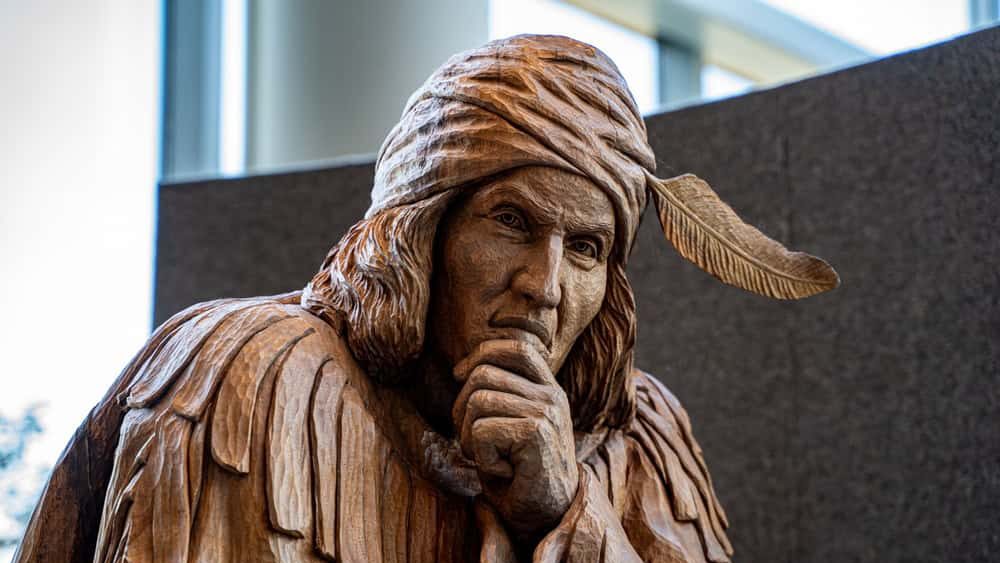
Shawnee
Shawnee became prominent throughout the Ohio Valley and beyond, especially as European-American settlers expanded westward. Shawnee communities were party to many of the alliances and battles that sought to resist European encroachment on Native lands.
Perhaps the most well-known Shawnee leader was Tecumseh, who attempted to form a confederacy of Native nations strong enough to halt U. S. expansion. Tecumseh’s confederacy grew large enough to threaten the United States, and he allied with the British in the War of 1812, but was killed in 1813.
Lords of the northern Plains

Blackfoot Confederacy
The Blackfoot Confederacy (comprising the Siksika, Kainai, Piikani, and affiliated peoples) dominated a vast region of what is now Alberta, Saskatchewan, and Montana. Access to horses and guns increased their military might, and their geographical position allowed them to control critical trading areas.
They aggressively protected their hunting grounds against competing nations and rose to be one of the northern Plains powers. They ranged over a huge area before the U.S./Canada border split their territory.
The southern confederacy
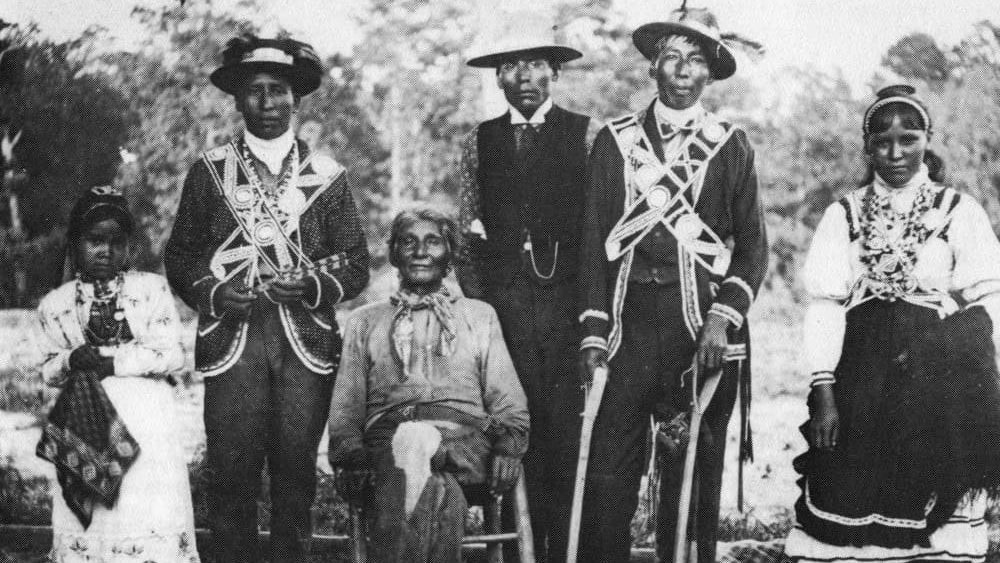
Choctaw
The Choctaw were one of the largest and most powerful Native nations of the Southeast. They were highly concentrated throughout Mississippi and surrounding territories. They grew their own crops and traded with neighbors to expand upon their food resources. They formed complex political and trade alliances and became embroiled in the fighting between France, Britain, and Spain, as well as the new United States.
By the early 1800s, pressure from the United States caused them to give up millions of acres of land. Thousands of Choctaw would later be removed west to Indian Territory. Despite removal, the Choctaw Nation endured and is one of the Five Civilized Tribes.
Sources: Please see here for a complete listing of all sources that were consulted in the preparation of this article.
Like our content? Be sure to follow us.

