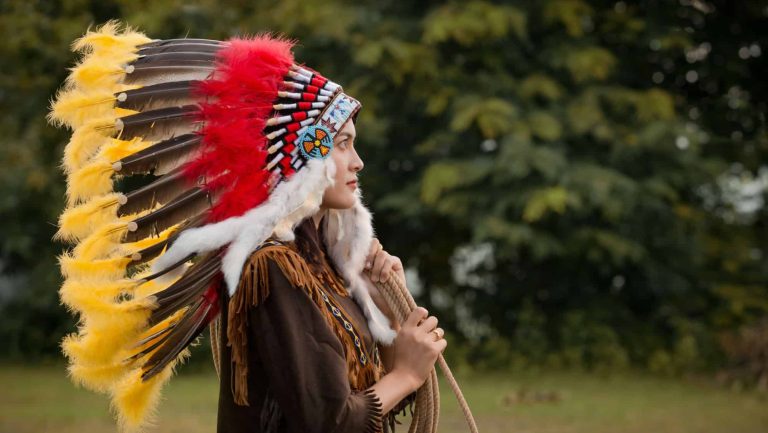

Indigenous people lived, farmed, and raised families that shaped the modern world. Parts of their history are scattered or skipped in history books. These 13 facts bring some of the overlooked history back to light.
Featured Image Credit: Shutterstock.
They practiced advanced farming long before Europeans arrived
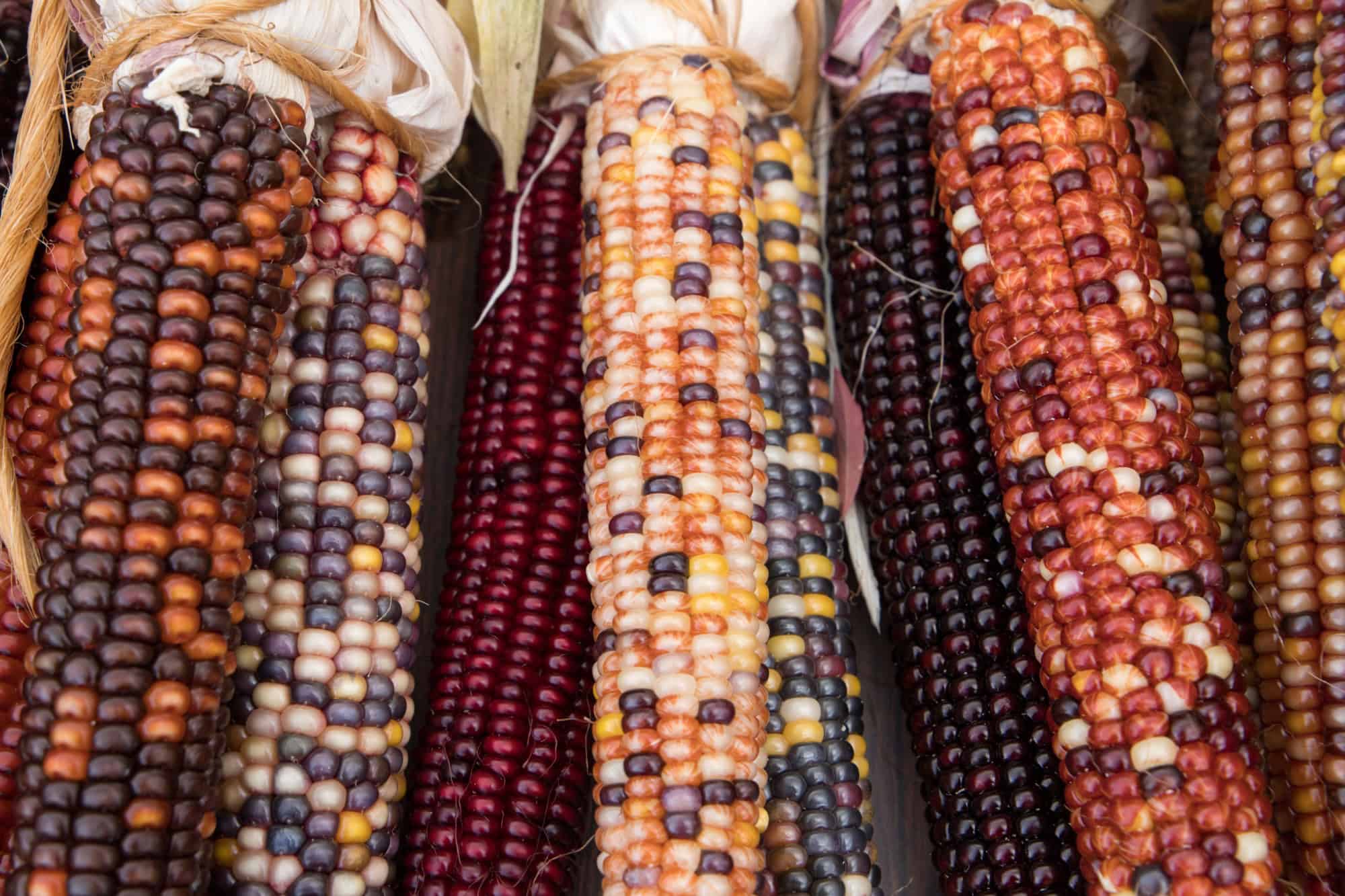
Native Americans were farmers. Terraces, irrigation and crop rotation, they understood it all. Centuries of learning it and teaching it to others kept people fed and the communities whole.
The Iroquois Confederacy influenced the U.S. Constitution

Reflect upon it. Before there was America there was Iroquois. Iroquois were living democratically. Great Law of Peace allowed every nation a voice, yet maintained unity of one. Centuries later, that very model helped inspire the framework of one of the world’s most influential governments.
They had a huge role in the fur trade economy
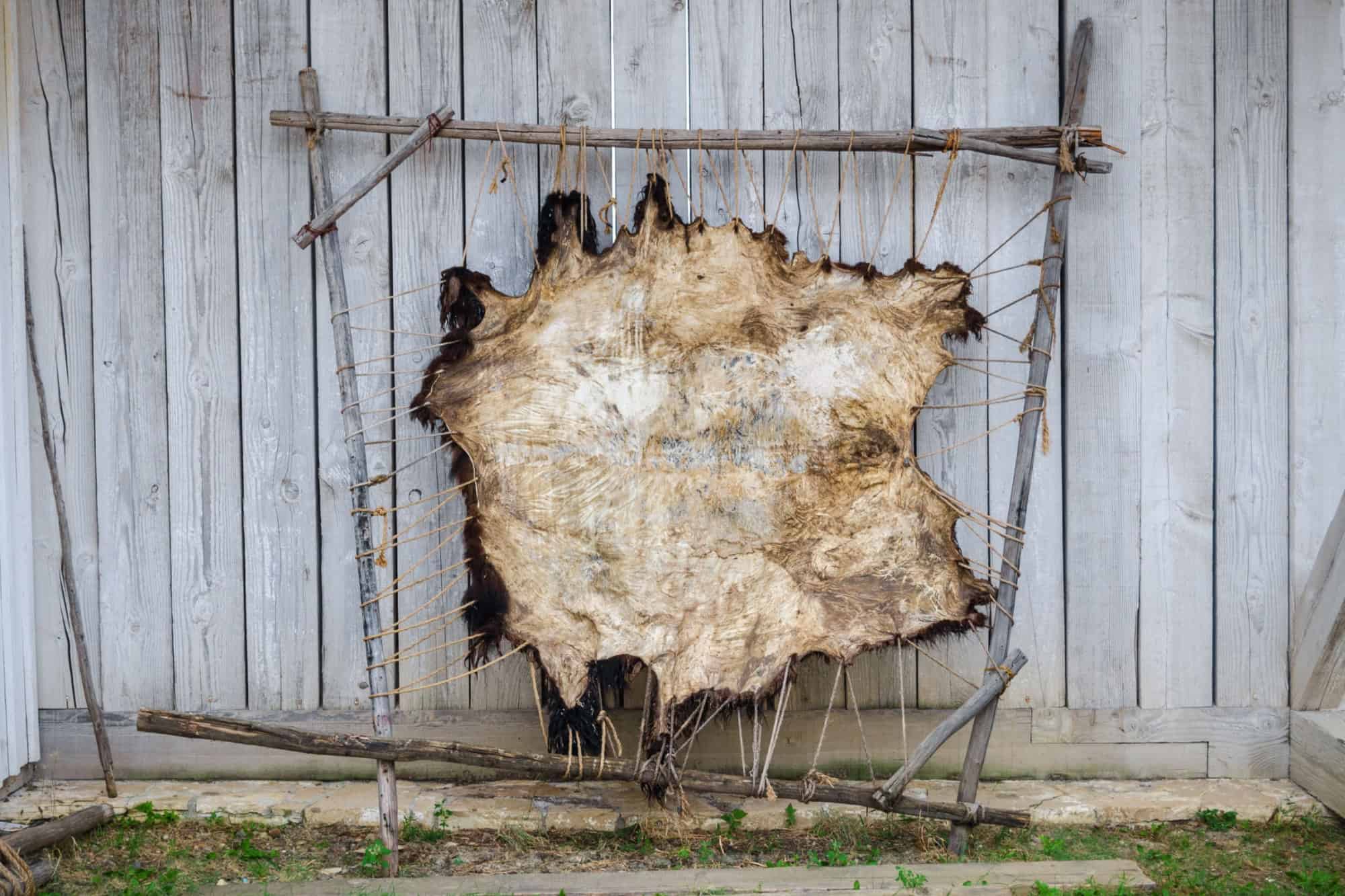
Beaver pelts traversed mountains, rivers, and oceans. But the chain begins with Native trappers. They took centuries of knowledge to a market larger than they could imagine. One that enriched, provisioned, and led their communities into a cycle of commerce that changed everything.
Not all tribes lived in tipis
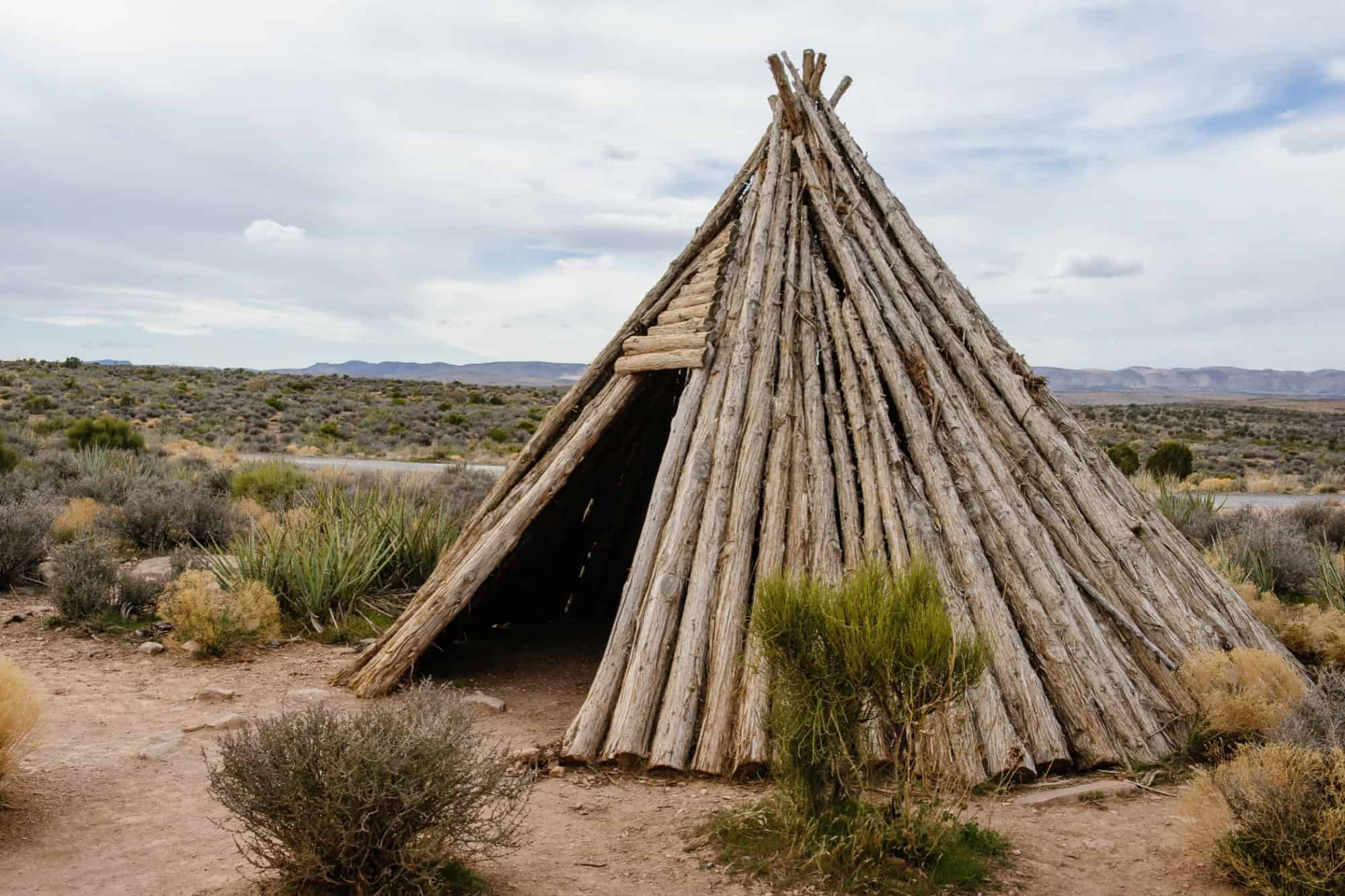
The tipi is well known but it was only one of many dwellings. Native people built tall longhouses, or dug pit houses into the ground. Each one was made to last and adapted to the land. They were part of a living system.
Native languages shaped everyday English

Say “hurricane” or “barbecue,” and you’re uttering syllables of Native history. Language conveyed more than mere words. It carried modes of storytelling, modes of memory. Those traditions reverberated into American writing, leaving shadows that still flicker in talk and text.
They used controlled burns to shape the land
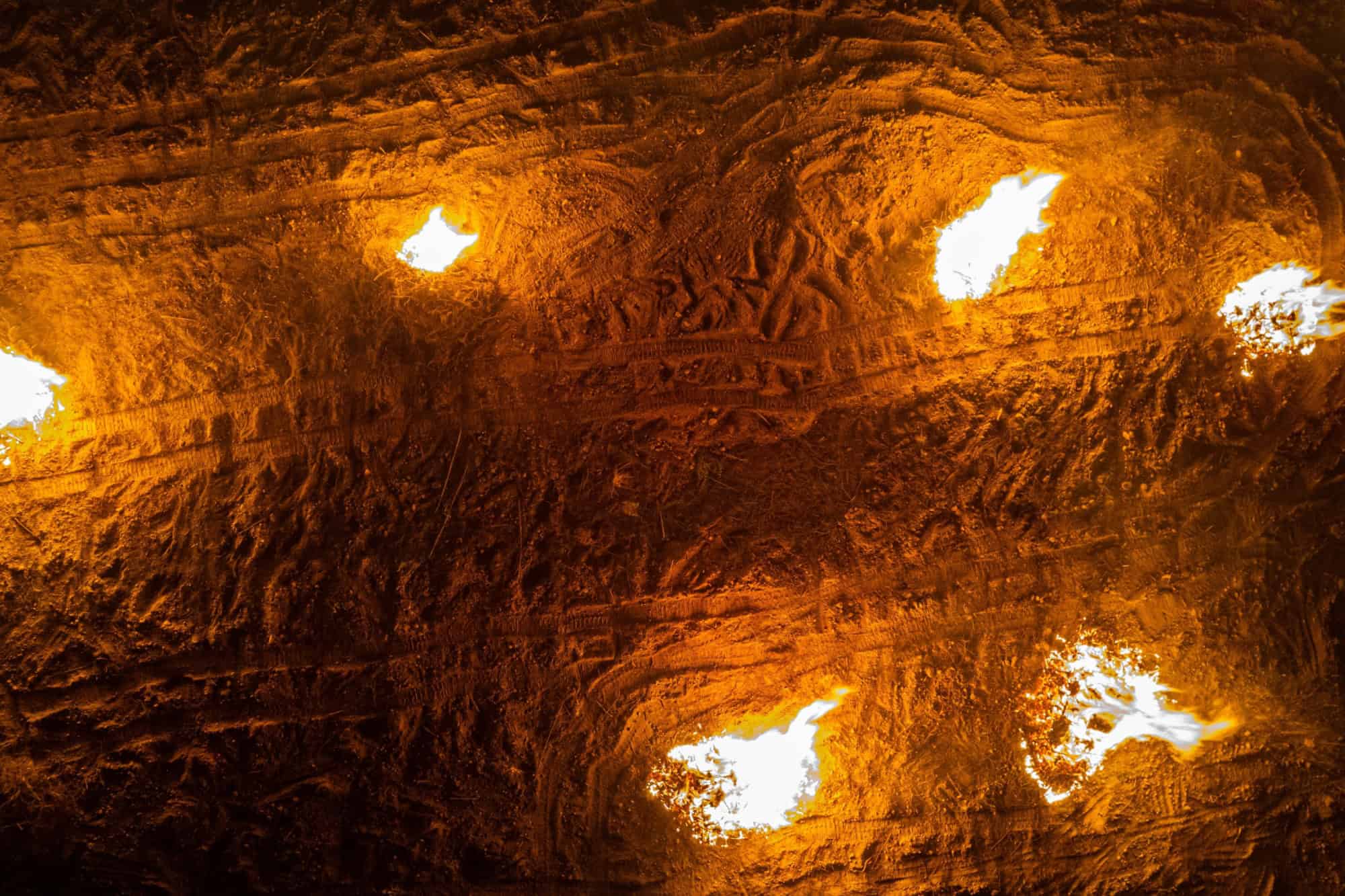
Europeans believed the woodlands and prairies they found were wilderness. Many Native nations frequently burned underbrush to promote new growth. Fires attracted game animals and helped to maintain the land. What Europeans called wilderness was, in many places, carefully managed.
Native women often held political power
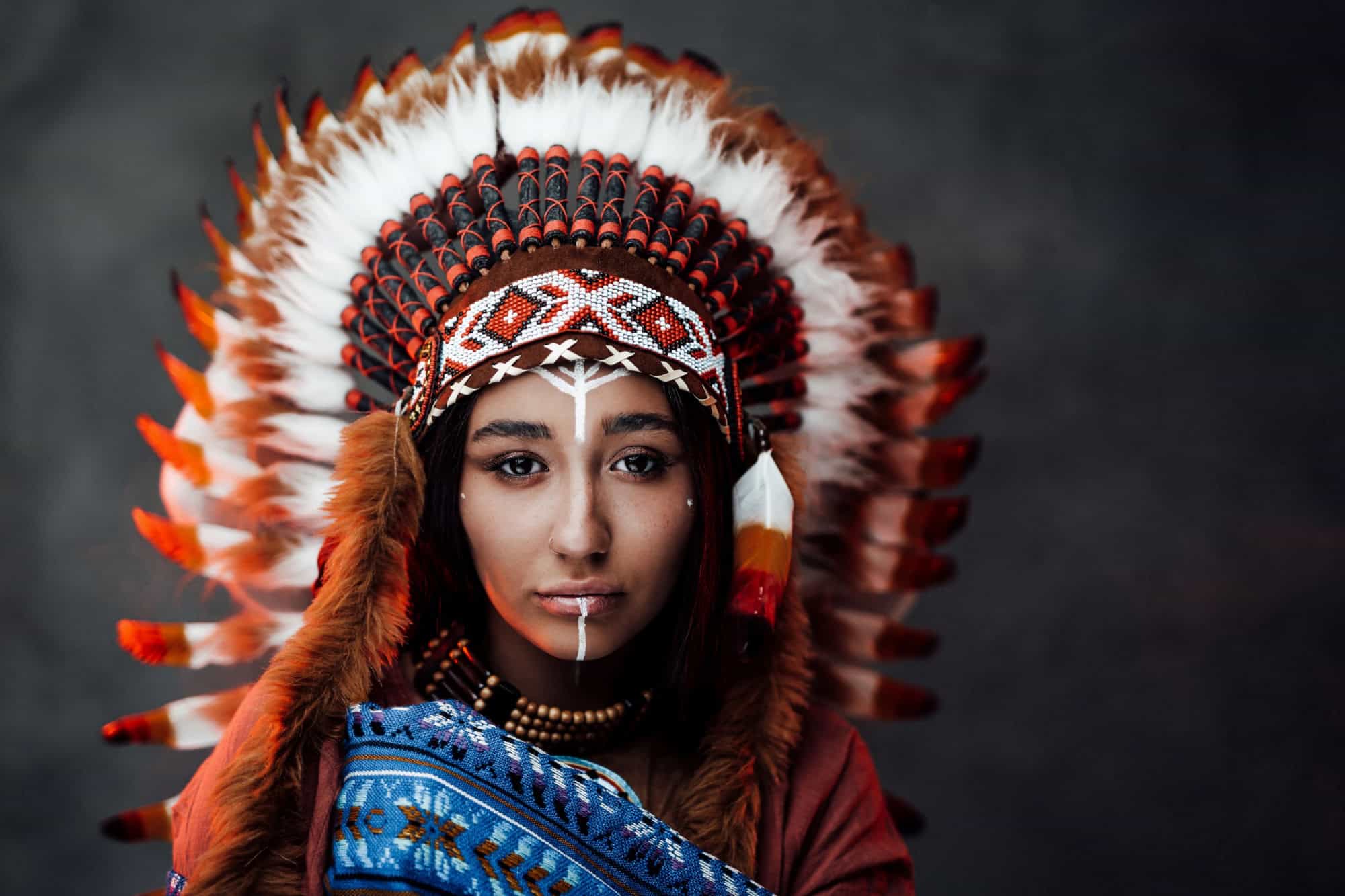
You might not know this, but in many Native nations women called the tune. Men could argue but the clan mothers had the power. A chief lived and died by their decision. Their power was respected by all.
They built trade routes long before colonization
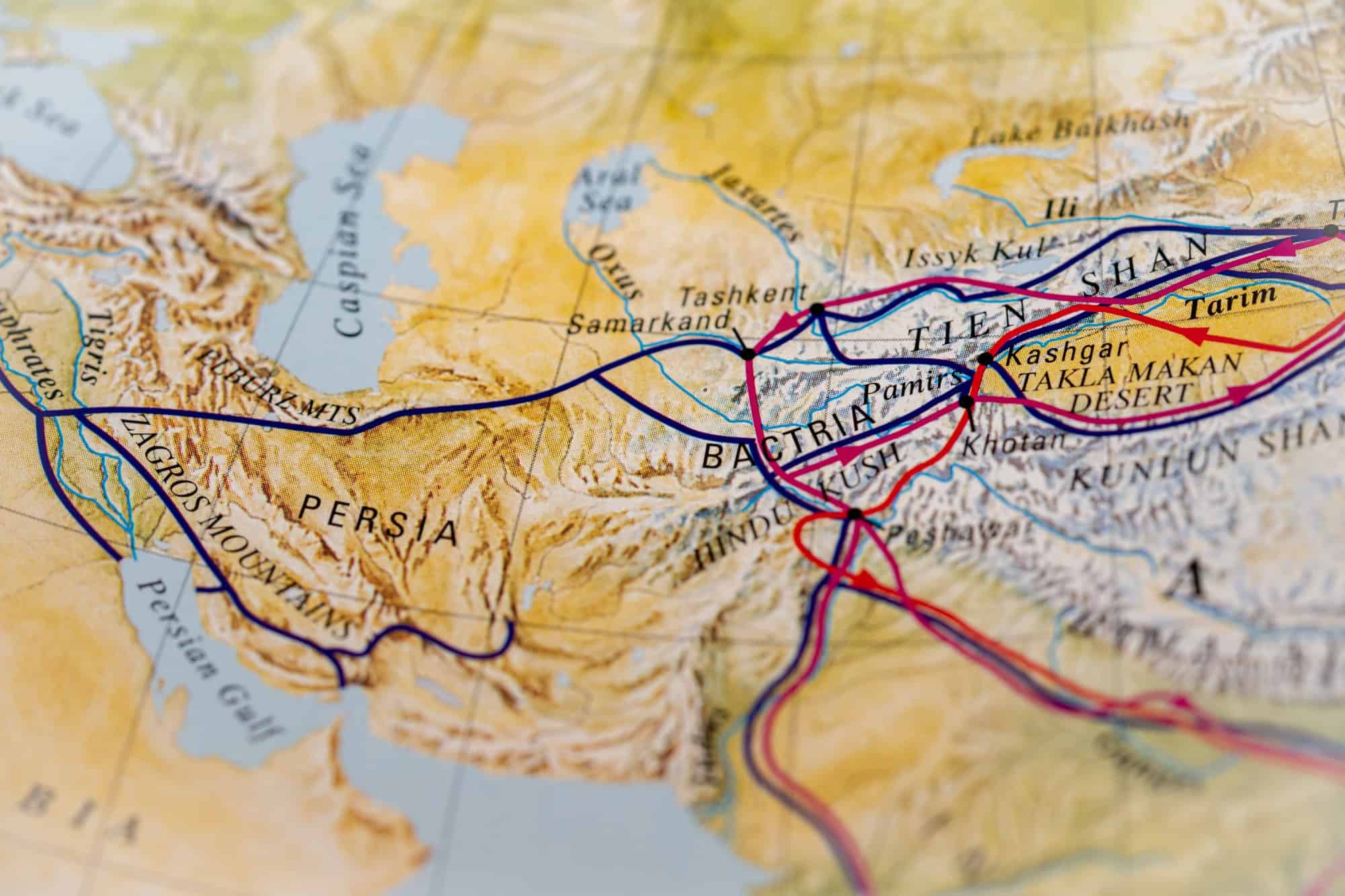
It’s tempting to associate trade with ships and colonists. But Native nations had extensive networks of their own. Goods passed from hand to hand across people who might never meet. A web of connection, long before colonization.
Many tribes adapted quickly to new technology
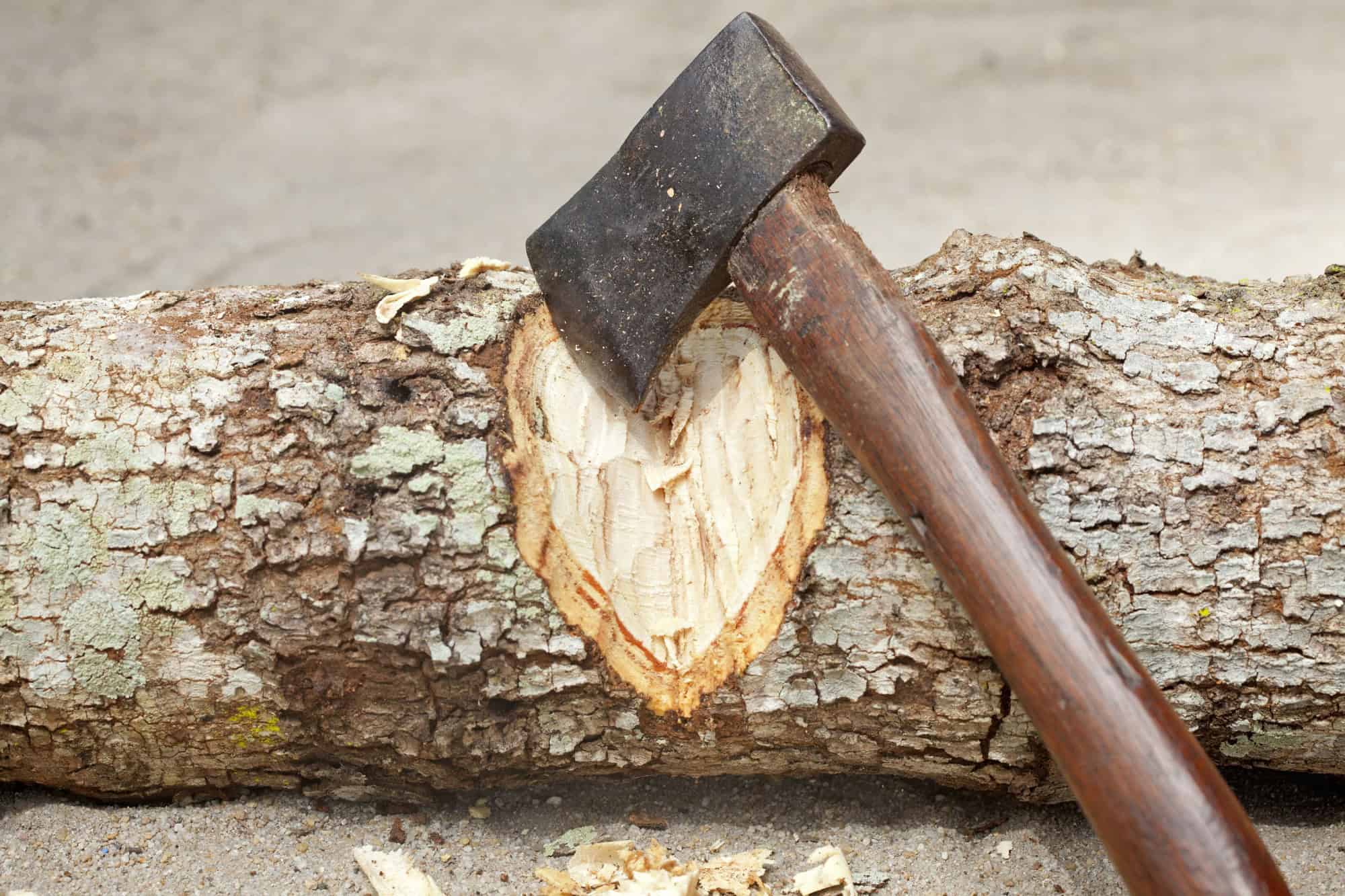
You may have heard that Native Americans rejected foreign goods. They were very selective about what they took and changed it to their use. They were excellent at repurposing and many times did it better than the foreigners.
For example, they reworked metal knives and axes for traditional hunting and woodworking practices. Some groups also repurposed imported beads and metal for decoration or ceremonial use, in their own style.
Native athletes were early sports legends

Imagine dirt fields dotted with players after a ball or running races. Native sports were like that. Games were for fun and to create skill, honor, and heroes like Jim Thorpe, who were remembered for ages.
They were skilled mapmakers and guides
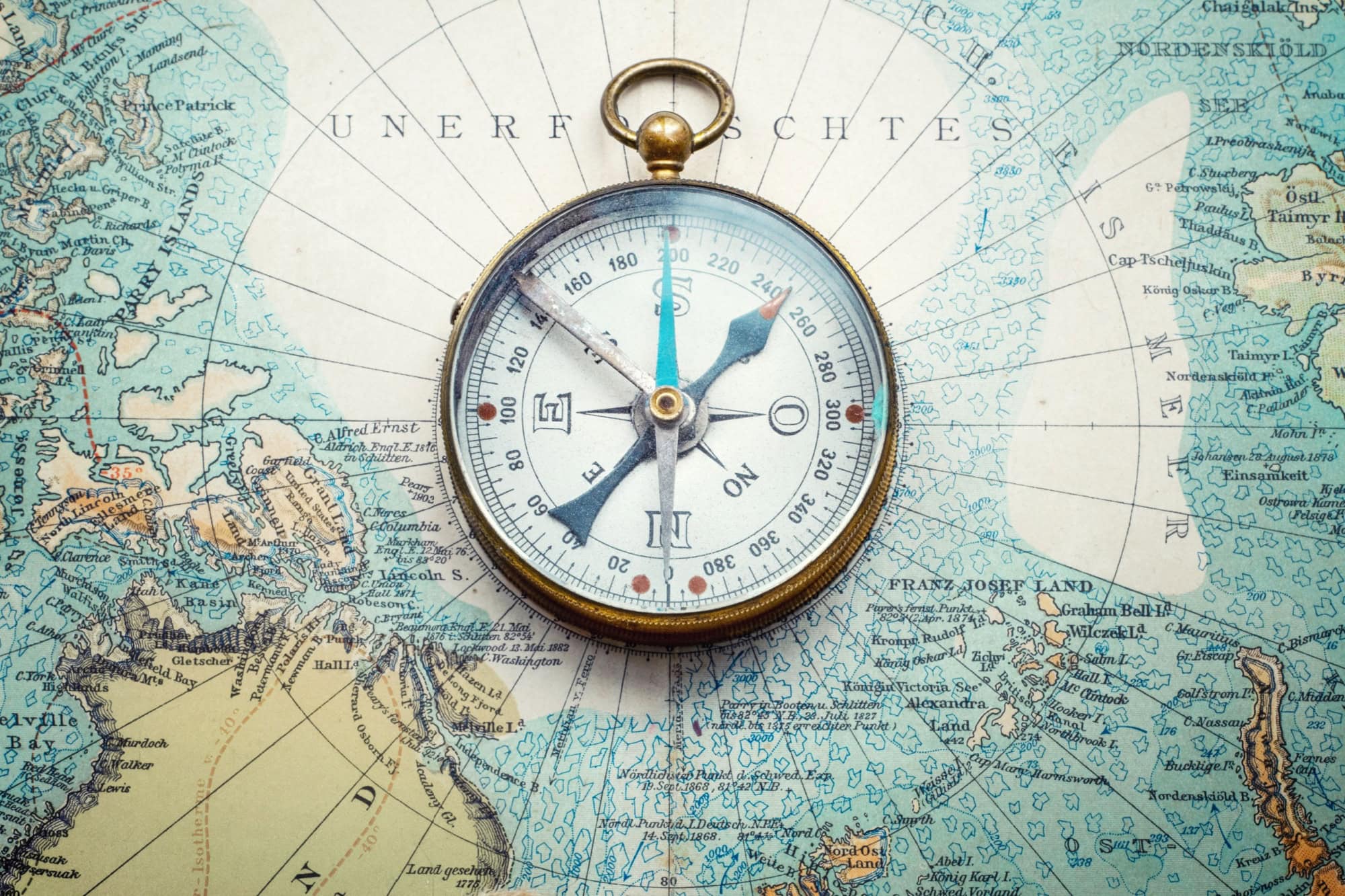
A charcoal line traced a river’s edge. A guide’s Native hand marked each bend. Mountains rose on the paper; trails twisted through forests. More than lines, it was memory etched in detail; a landscape lived, not just studied.
Boarding schools tried to erase Native identity
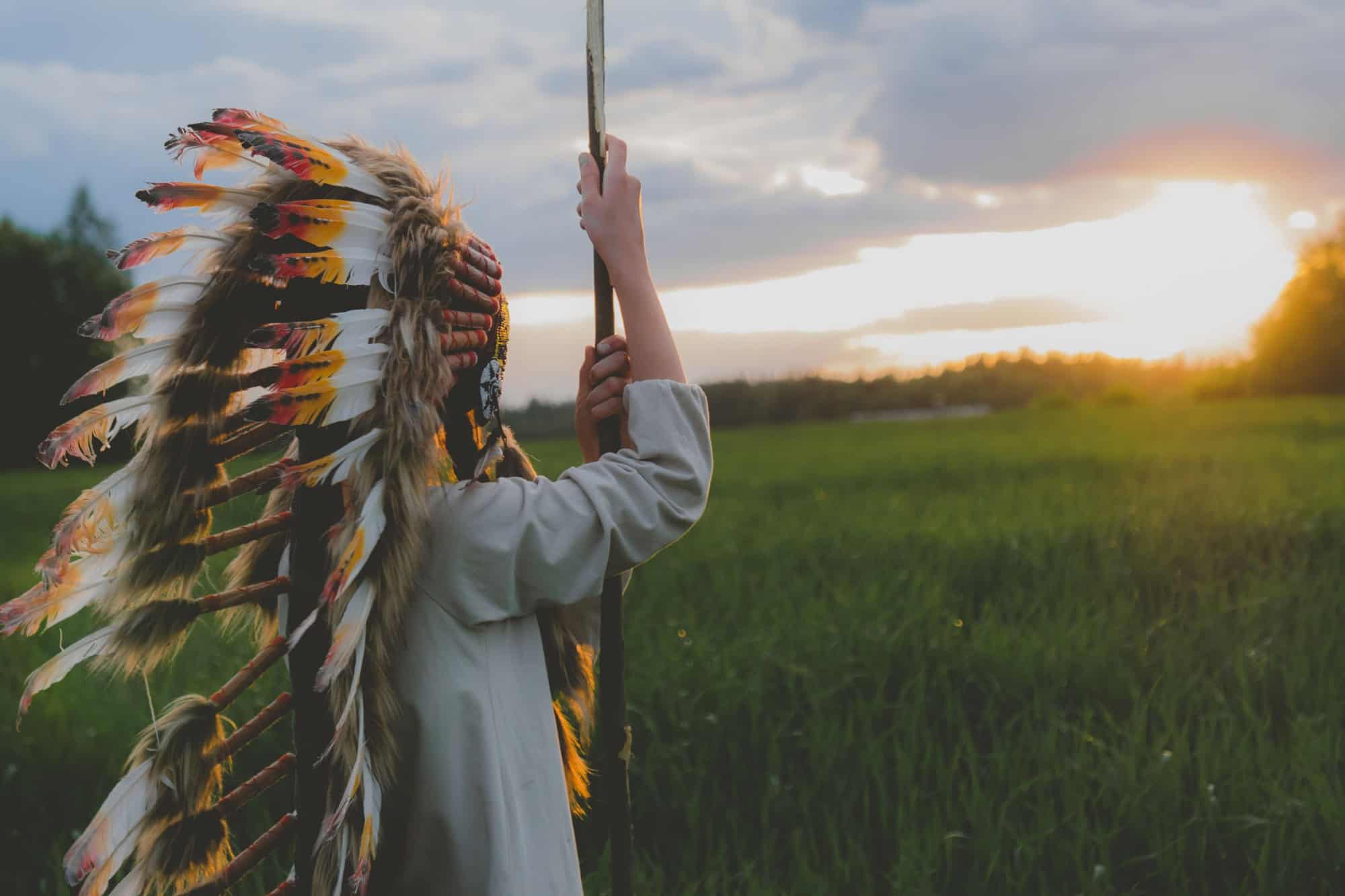
Government-run and church-run boarding schools were established for Native American children in the late 19th and early 20th centuries. They were places of assimilation. They were not places of learning.
The culture that the children came from was torn from their minds. They were yanked from their families and homes. Their hair was cut. Their languages were forbidden. They were beaten if they practiced their traditions. Generations were raised on a list of rules; rules that told them to stay quiet.
Many Native nations still hold sovereignty
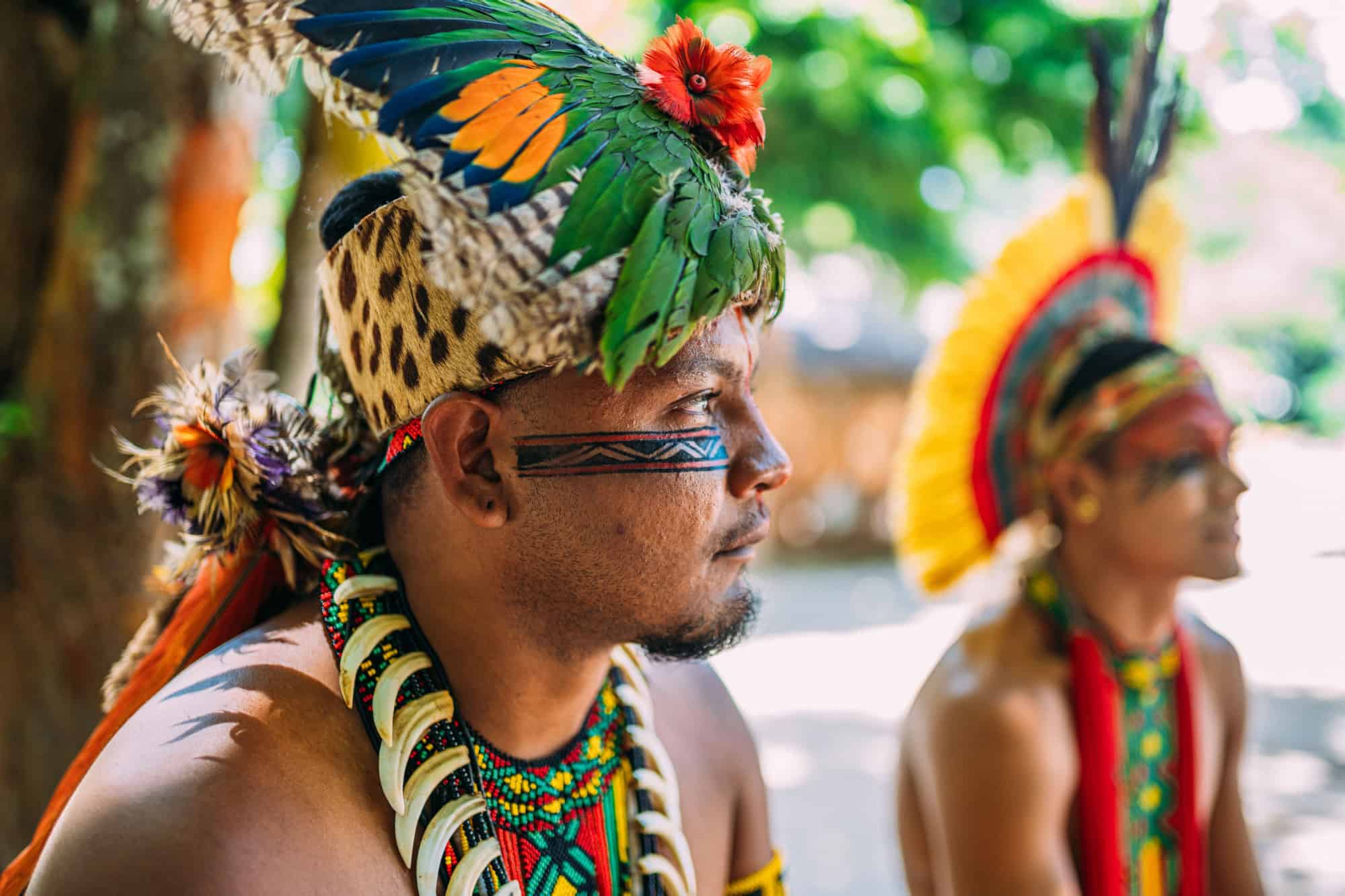
Native nations are not just part of history. They have governments, laws and courts today. Sovereignty means they make decisions outside state control, something most people do not realize.
Sources: Please see here for a complete listing of all sources that were consulted in the preparation of this article.
Like our content? Be sure to follow us.