

Whether millennia-old structures misinterpreted throughout history or brand new monuments erected based on erroneous information, some of the world’s most iconic landmarks actually promote popular myths and major historical errors.
Captain James Cook Statue
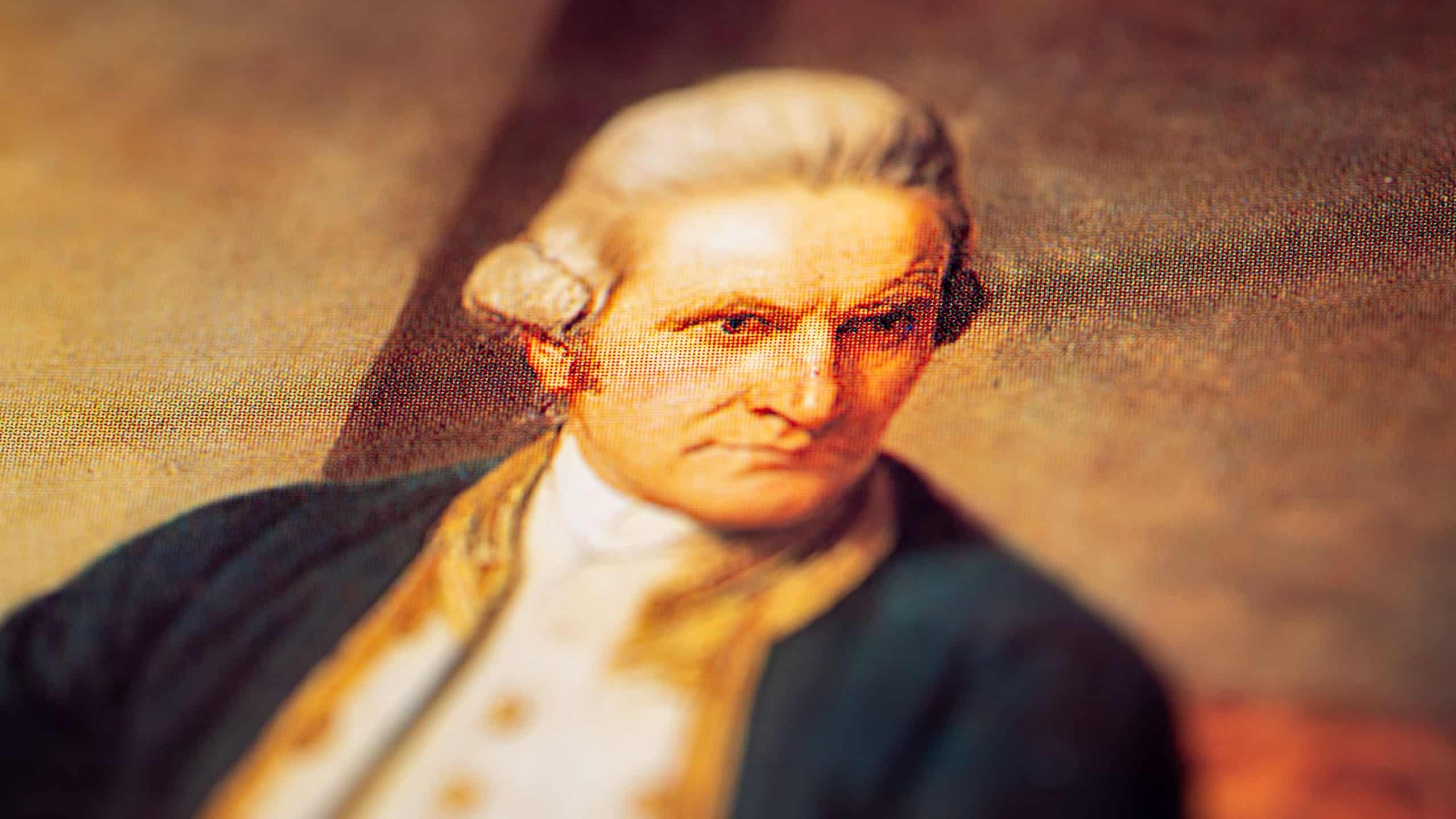
The large bronze plaque erected in Sydney’s Hyde Park boldly proclaims that Captain Cook “discovered” Australia in 1770. For more than 65,000 years before Cook arrived, hundreds of nations of Aboriginal Australians inhabited and managed the entire continent. By the time Cook was born, Dutch sailors such as Willem Janszoon had explored and charted significant parts of Australia’s coastline.
The Great Pyramids of Giza
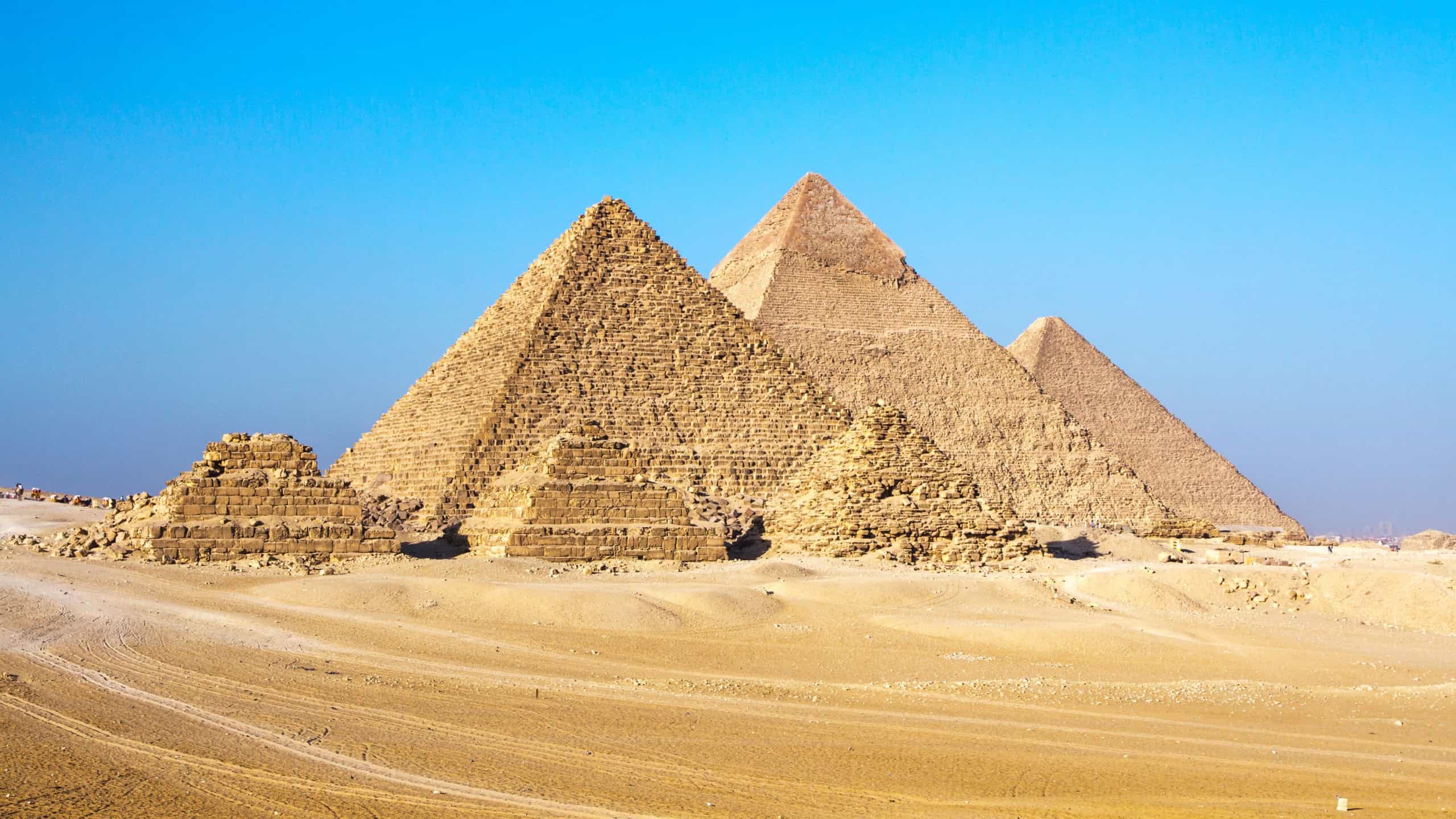
Popular culture and Biblical epics have taught us that Egypt’s Great Pyramids were constructed by legions of oppressed and brutalized Jewish slaves, but recent archaeological digs at the workers’ settlements surrounding the Giza plateau have proved this false.
The pyramids were built by well-paid and expertly trained Egyptian laborers who worked and slept in clean barracks, ate good cuts of beef, and enjoyed such high status in society that they were allowed to be buried in tombs near the sacred pyramids upon their death.
Stonehenge
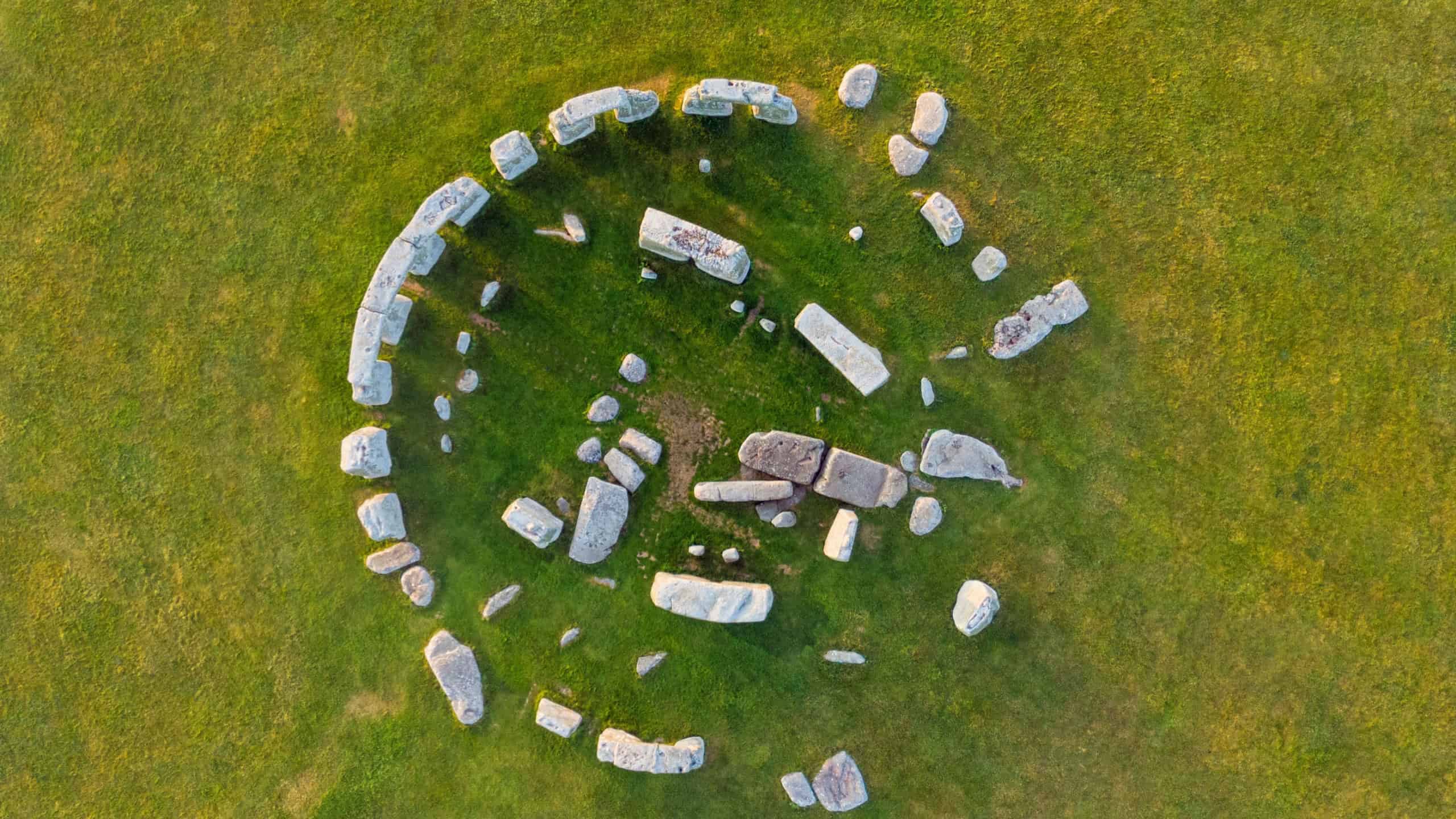
White-robed Celtic Druids performing mystical rituals and human sacrifices at Stonehenge have been a part of British legend for centuries. Stonehenge was constructed between 3,000 and 1,600 BCE, but the Druids didn’t become Britain’s dominant religious presence until around the 3rd or 4th century BCE.
They simply adopted the site as their own when it held great religious significance for thousands of years.
Verendrye National Monument
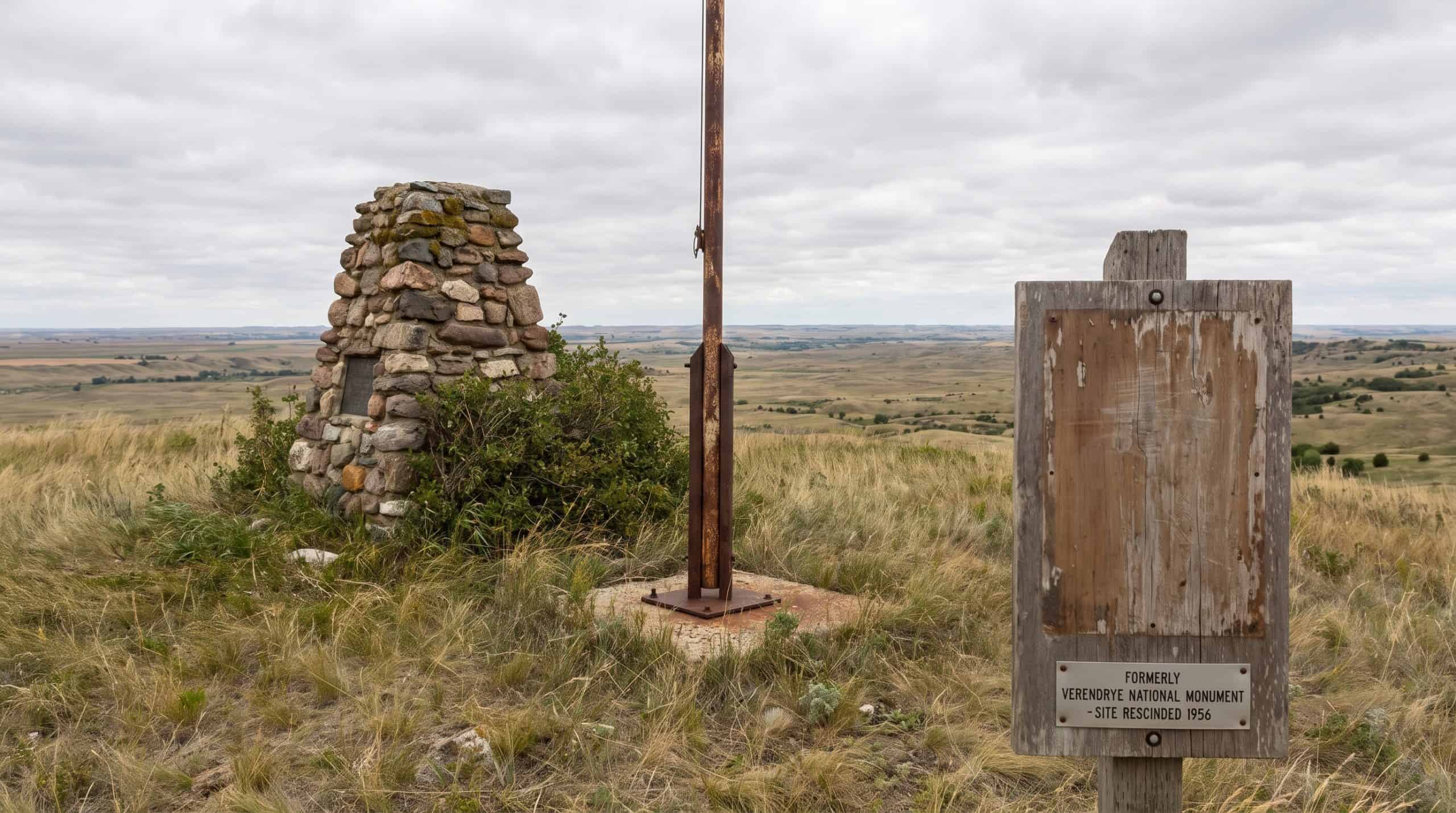
Intended to commemorate the precise location where French explorer Sieur de La Vérendrye first set foot in the Dakotas during his legendary expedition of 1738, historians later discovered that commemorators had made a huge error.
It turned out that La Vérendrye’ s route actually passed several miles north of the site. In recognition of this fact, the federal government officially rescinded its status as a national monument in 1956.
General Robert E. Lee Monument
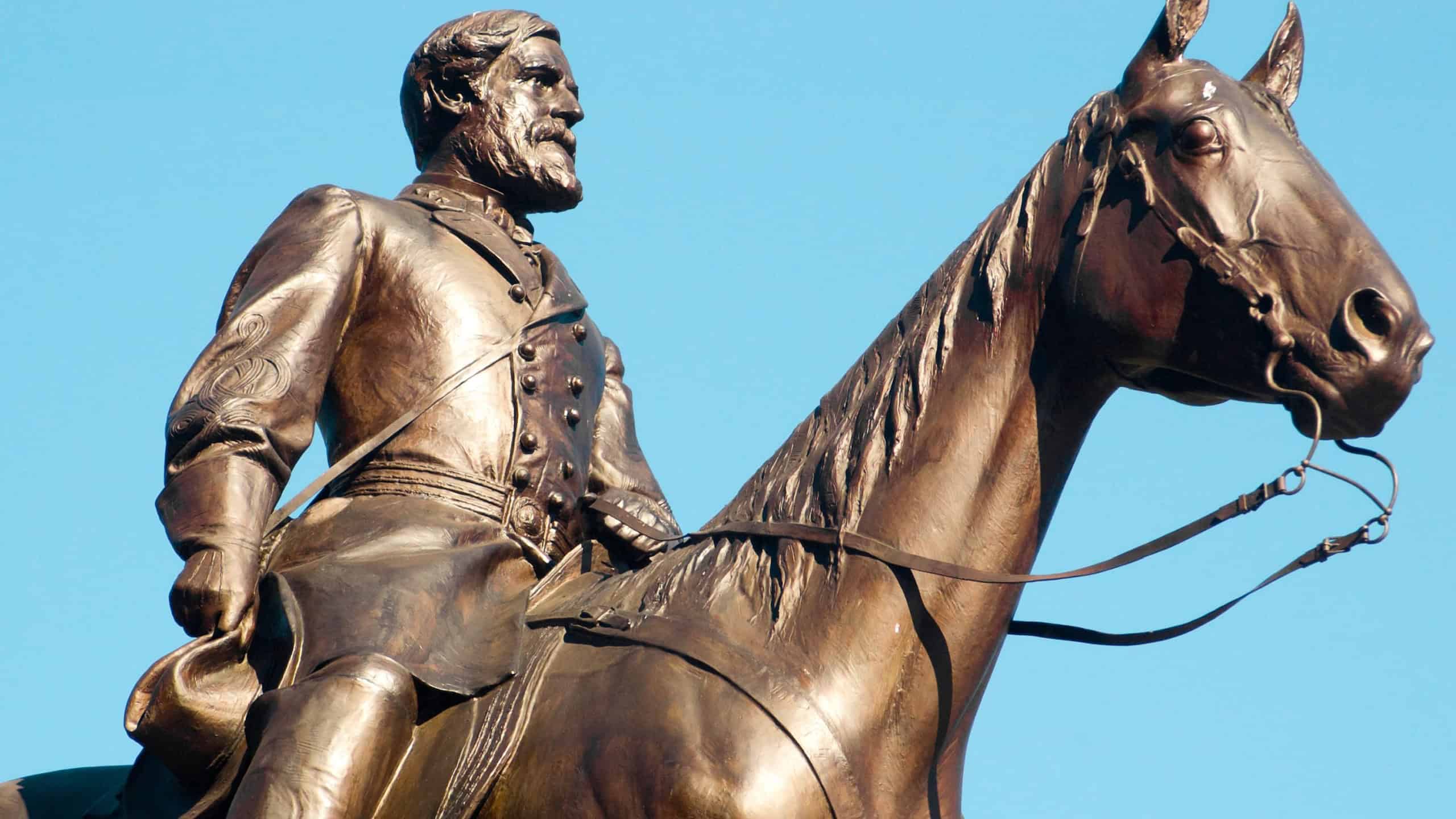
Standing tall at Antietam National Battlefield is this massive statue of Confederate General Robert E. Lee sitting atop his horse. The historical inaccuracy? Neither Lee nor his horse ever set foot on that plot of land during the war.
In fact, traveling on horseback would have been difficult for Lee at the Battle of Antietam. Weeks before the battle, Lee severely broke both of his wrists in an accident. During the battle itself, Lee was recorded as being stuck riding in a wagon or having to walk with his hands heavily bandaged.
King Arthur’s Grave
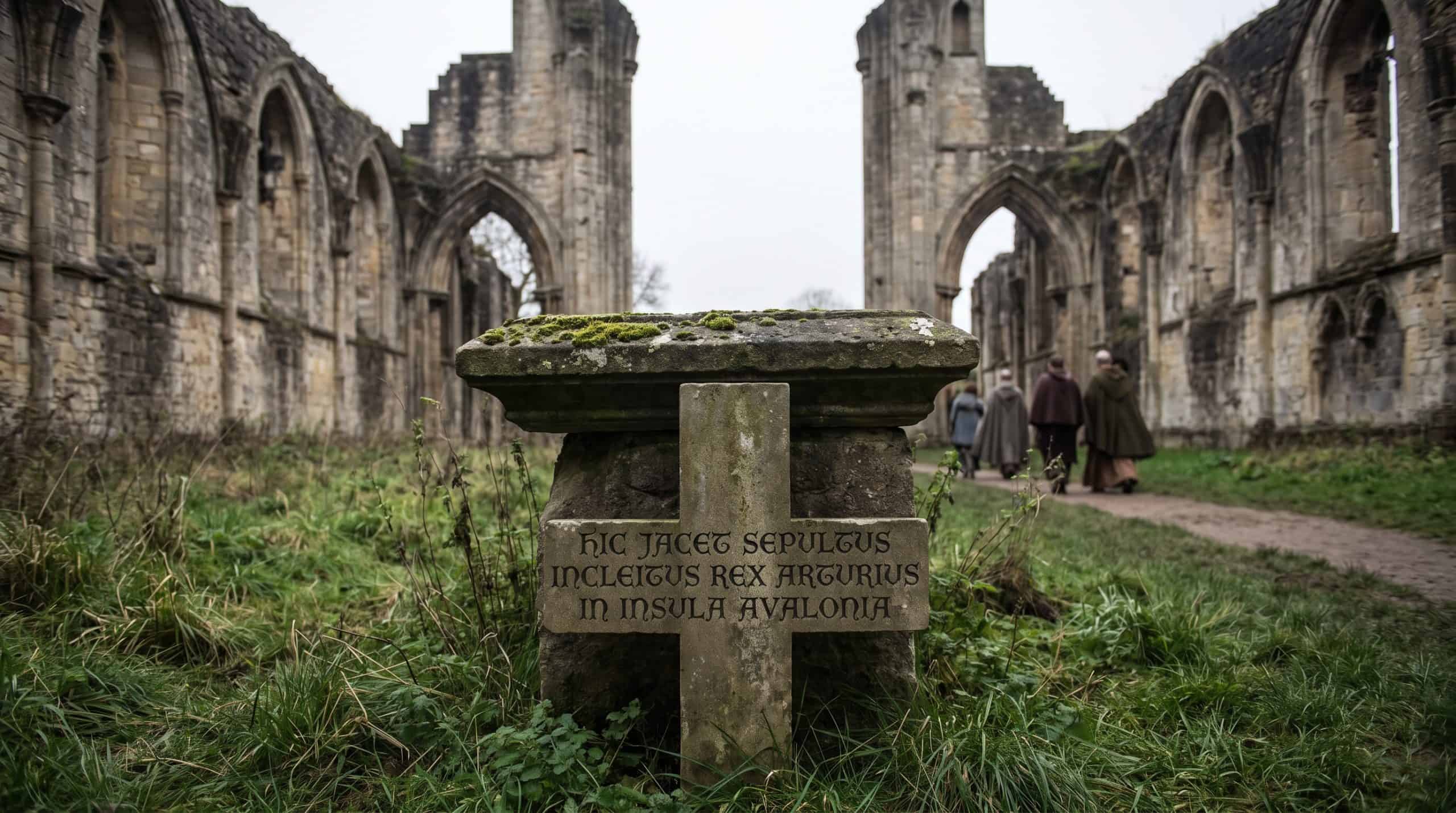
In 1191, monks at Glastonbury Abbey reported finding King Arthur and Queen Guinevere’s graves. Thousands of pilgrims flocked to the area because of the discovery. This provided desperately needed revenue for the abbey that had recently suffered a fire.
Modern historians tend to agree that the discovery was either accidental or intentional fraud. The purpose was to increase popularity and income for the abbey. The grave marker is still well-known, but few historians think it is Arthur’s true burial site.
Monument of the 72nd Pennsylvania Infantry
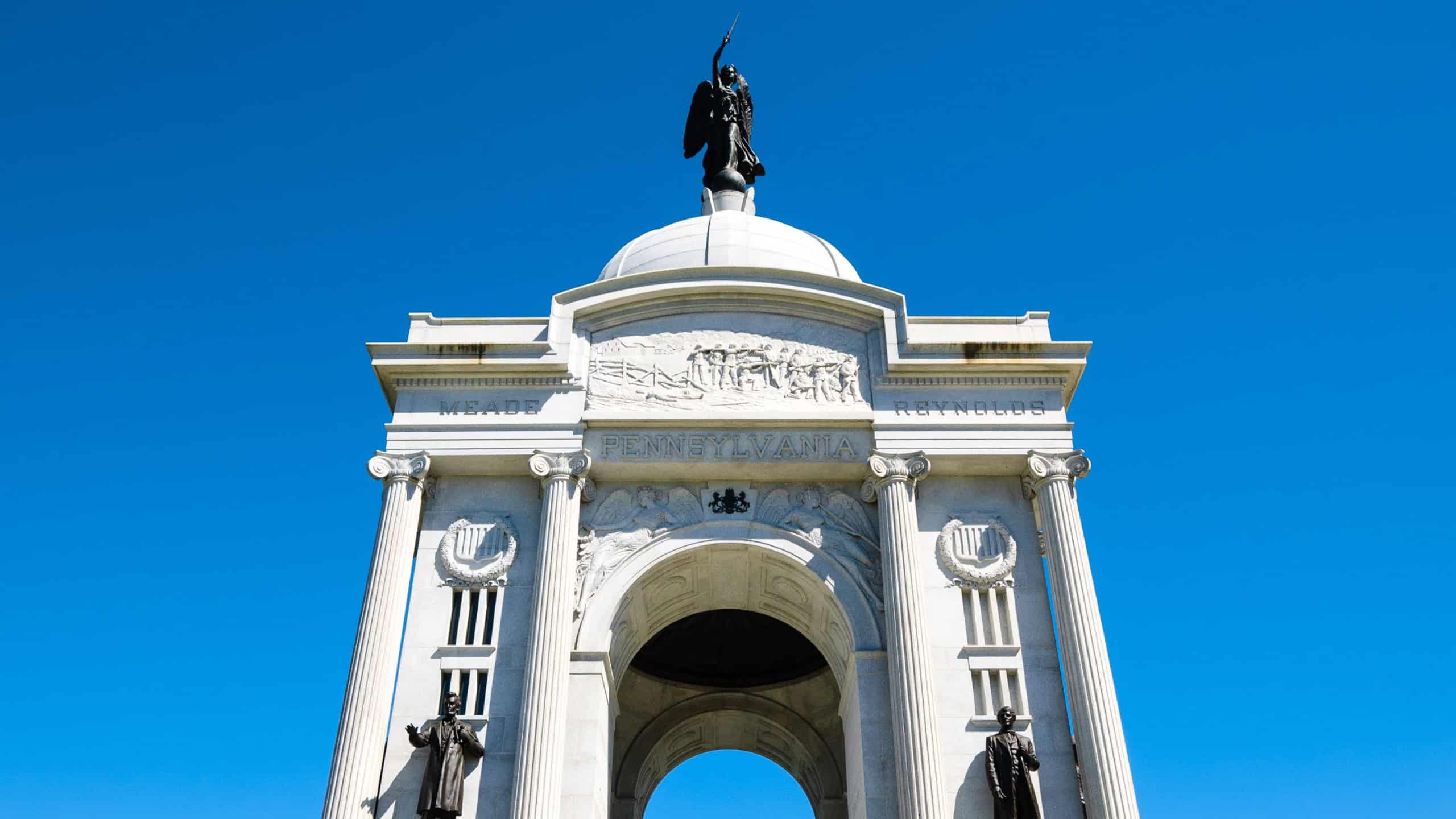
Located in Gettysburg Battlefield, this is a striking monument of a soldier aggressively clubbing his rifle at the stone wall, trying to drive back Pickett’s Charge. Ironically enough, the regiment had actually had to sue the battlefield commission to be allowed to put the monument at that exact location.
The commission wanted to put it 70 yards back where the regiment had originally been stationed when the fight began. In reality, the regiment had been reluctant to attack and balked at orders to move forward to the wall,
The Alamo
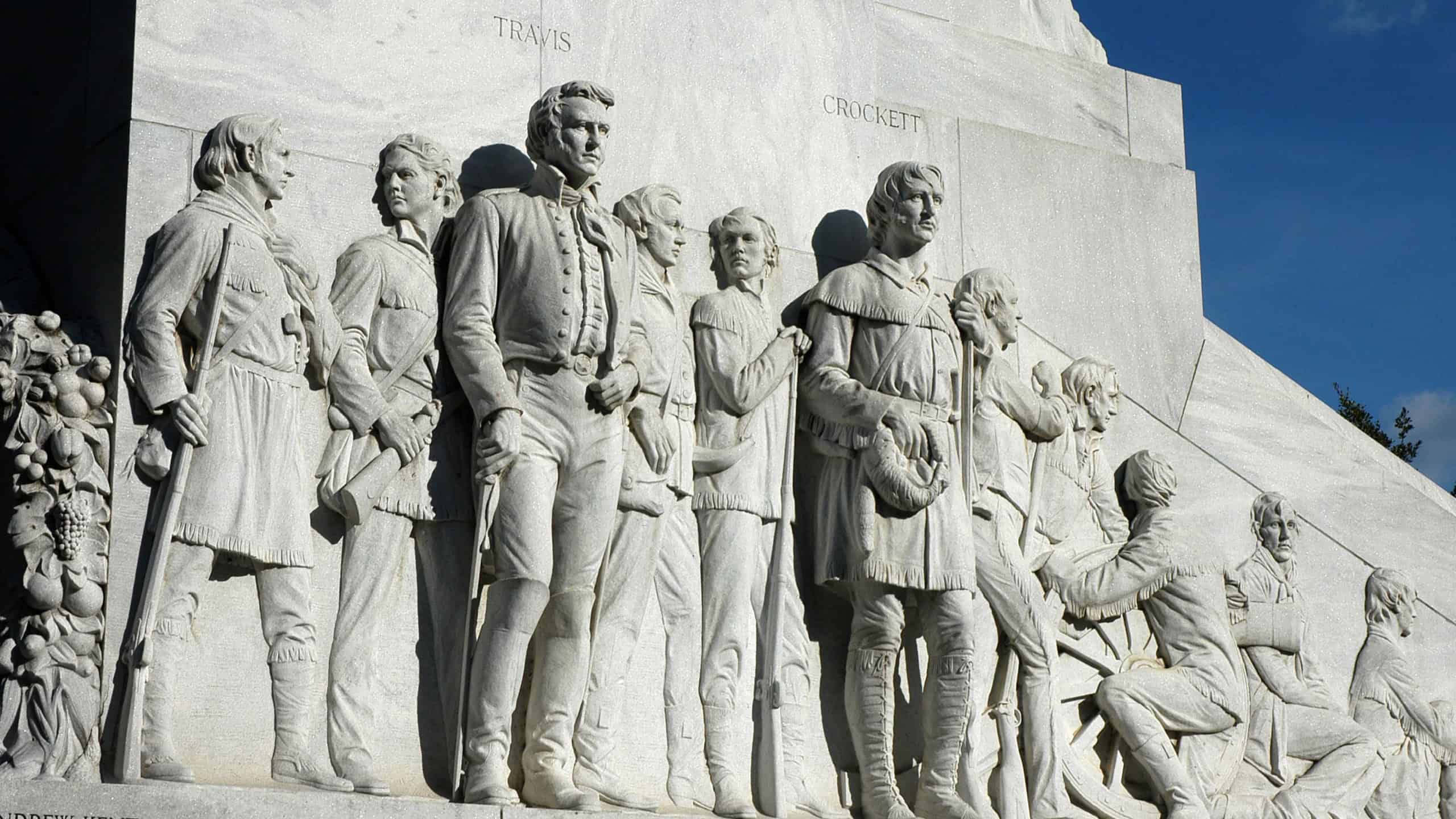
The romanticized monument and museum that immortalizes the legendary Texan battleground paints the 1836 fight as a heroic, patriotic battle fought by American settlers purely for “freedom” against an oppressive Mexican regime.
However, this does little to address the economic factor that fueled the fight for freedom: Slavery. Mexico had abolished slavery in 1829, yet Texans revolted because they wanted to continue growing their cotton crops with slave labor. The fight was less about freedom and more about preserving the freedom to own slaves.
William Wallace Statue
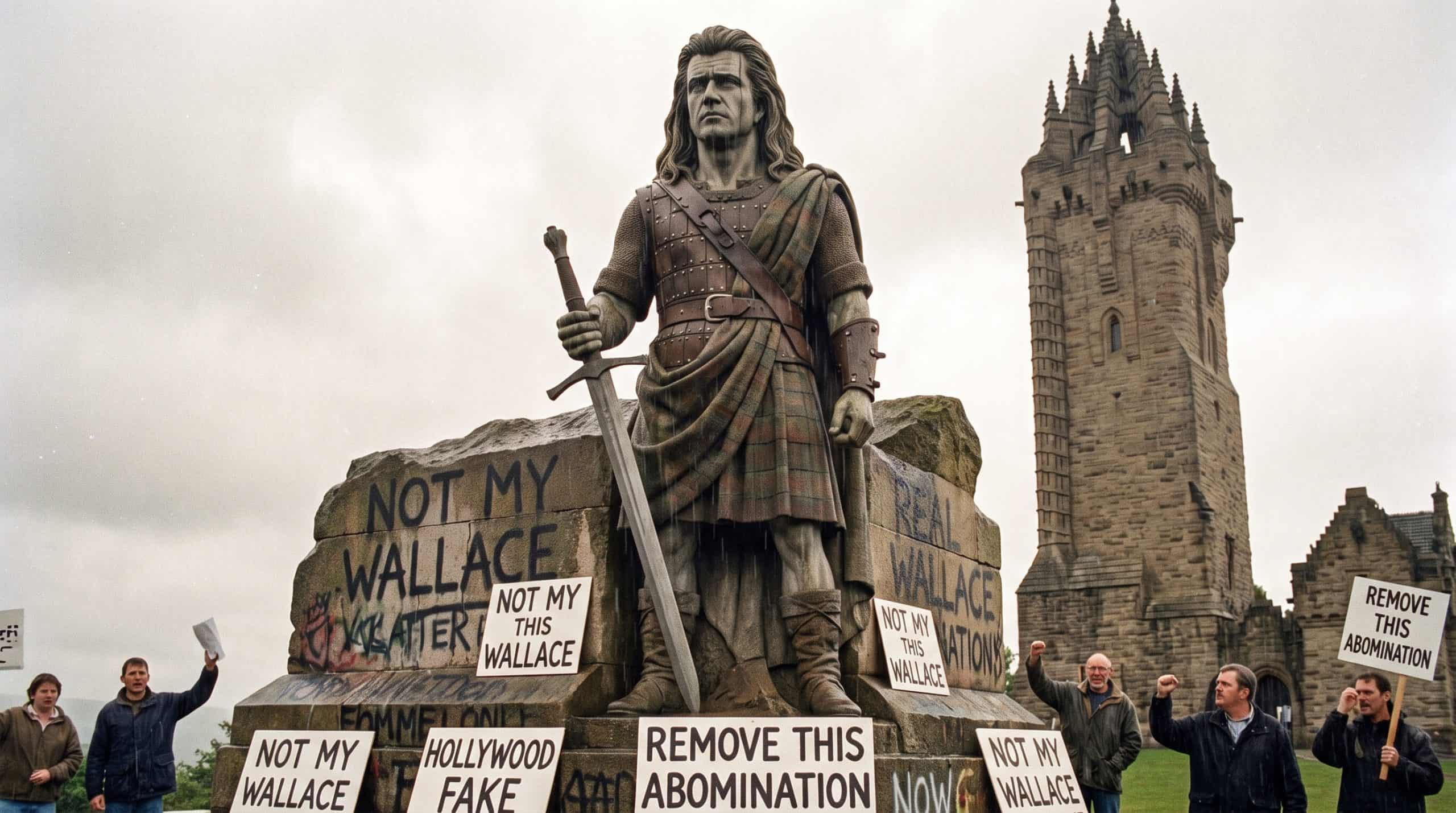
In 1997, near the Wallace Monument, a statue of William Wallace was erected. It bore an uncanny resemblance to Mel Gibson’s portrayal of him in the film Braveheart.
Visitors and historians complained that the statue showed Wallace with Hollywood hair and clothes that weren’t even from his century. So strong was the dislike for this statue that it was vandalized several times before being removed completely.
Joan of Arc Statues

Joan of Arc is certainly one of France’s favorite heroines. There are many statues of her, dressed in shiny armor and riding a majestic horse. But many of these statues portray romantic 19th-century ideals rather than the simple armor a young soldier would have worn in the 1400s.
Artists placed emphasis on heroism and patriotism rather than factual details. While beautiful, these statues tell us as much about the time they were built as they do about Joan.
Sources: Please see here for a complete listing of all sources that were consulted in the preparation of this article.
Like our content? Be sure to follow us.


