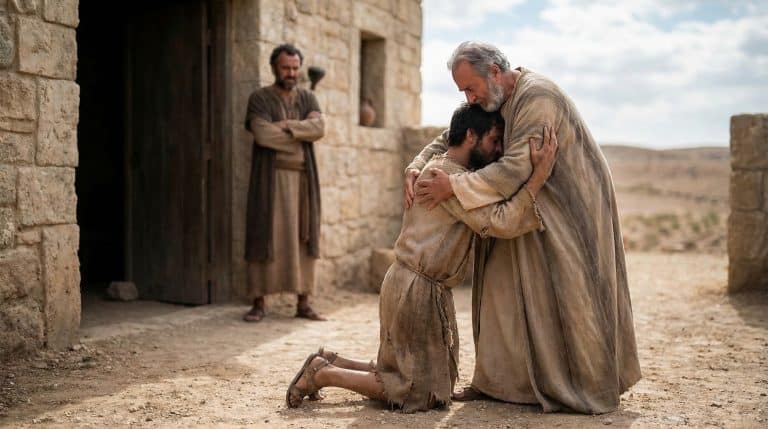

When you read through church history or stories about the prophets, forgiveness was seldom “just a handshake and a hug.” Forgiveness was a fight. There were moments of outrageous grace, but much wrestling with “where do we draw the line?”
Looking back, those old church debates show us that forgiveness is a spiritual fight and a deeply challenging feeling.
Let’s talk about 10 times forgiveness was questioned in the Bible.
Cain and Abel

(Genesis 4:1–16)
There’s something startlingly postmodern about the Cain and Abel narrative. They have the oldest problem in storytelling: the question becomes, how does it play out when the person at fault doesn’t apologize, and the victim can’t enact revenge?
The story’s idea of forgiveness doesn’t involve any friendly gestures toward the guilty party. In effect, God told Cain that he’d be kept safe from anyone seeking vengeance for his actions.
God’s forgiveness is evident, as any human justice would have only resulted in further bloodshed to avenge the crime. That’s why there is tension in this story. Sometimes forgiveness is less about resolution and more about halting additional suffering.
David and Saul
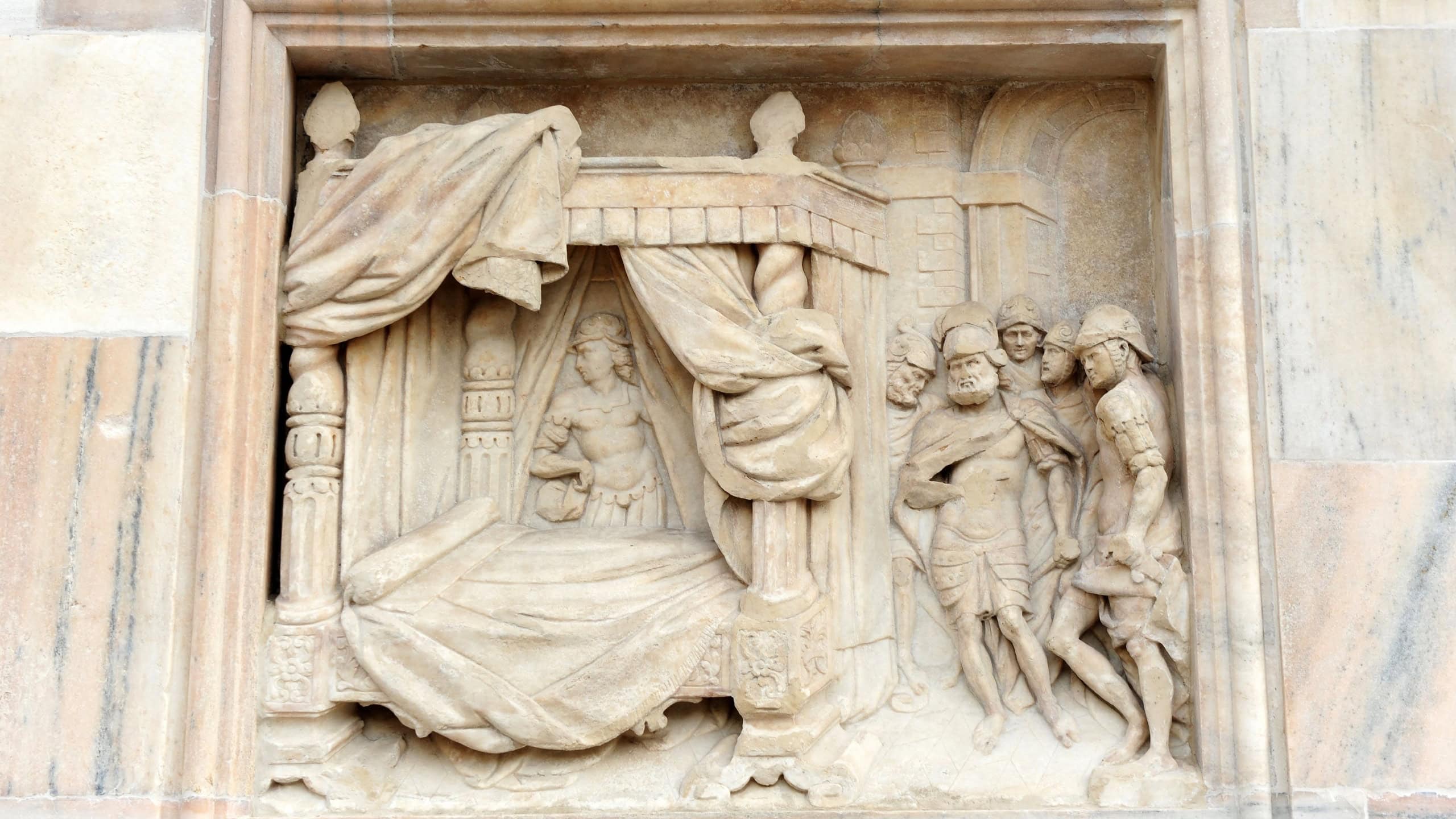
(1 Samuel 24:1–22)
Driven by jealousy, King Saul spent years desperately trying to capture David. Several times David had Saul trapped, either in a cave or in a camp. David could’ve ended the war with one swipe of his sword. But he refrained. Some say David was being a saint, while others call him a genius politician.
Did David forgive Saul out of love? Or did he refuse to kill Saul because he didn’t want to normalize killing kings? That “fair vs. wise” dilemma often gets complicated.
The parable of the unmerciful servant

(Matthew 18:21–35)
Jesus gives an illustration of a man who owed a king 10,000 talents, and the king wiped his debt away.
Right outside the king’s palace was another man who owed the first man 100 denarii, and he threw him in jail. Upon learning of the first man’s actions, the king revoked his pardon and treated him severely.
This raises a question: Does God forgive us conditionally? If we don’t forgive others who sin against us, do we somehow lose our forgiveness?
Stephen’s martyrdom
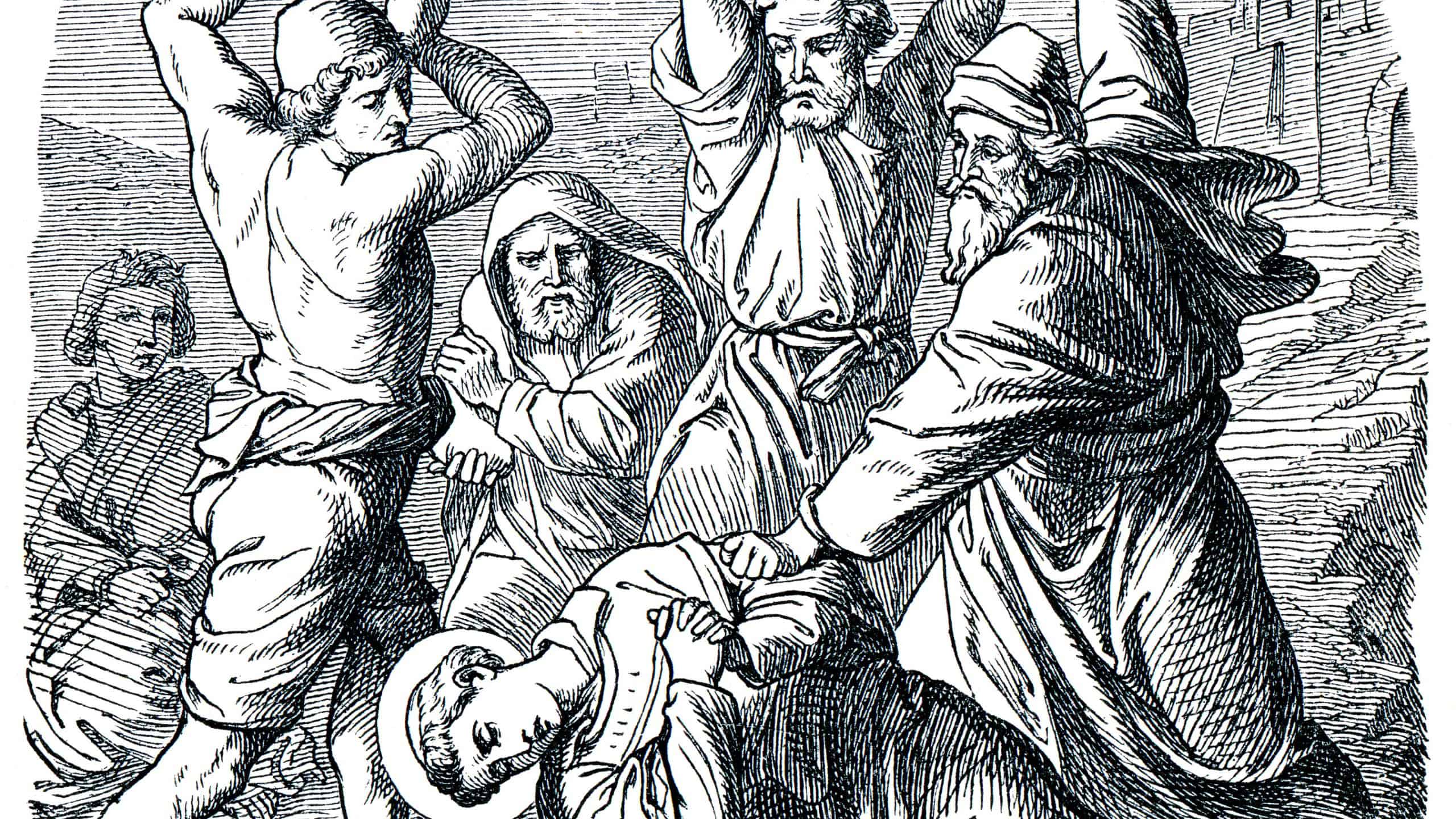
(Acts 7:54–60)
Stephen was praying as he was being murdered, that God would forgive his persecutors.
This raises the question of whether it is possible to forgive those who are actively hurting you, and are not sorry for what they are doing.
Forgiveness must be a powerful decision if Stephen could still choose to forgive, even when justice seemed so far away.
Jesus on the Cross

(Luke 23:34)
Jesus walked his talk, even on the cross. He didn’t demand that the soldiers come to him in confession. He forgave them while they were still committing the crime.
Forget the transactional model of forgiveness. It’s not an exchange. It’s a decision.
It challenges us to consider if we’ve been nursing a grudge, waiting for a sorry that may never come. And if that forgiveness we withhold from others is really keeping us prisoner.
Paul and Onesimus
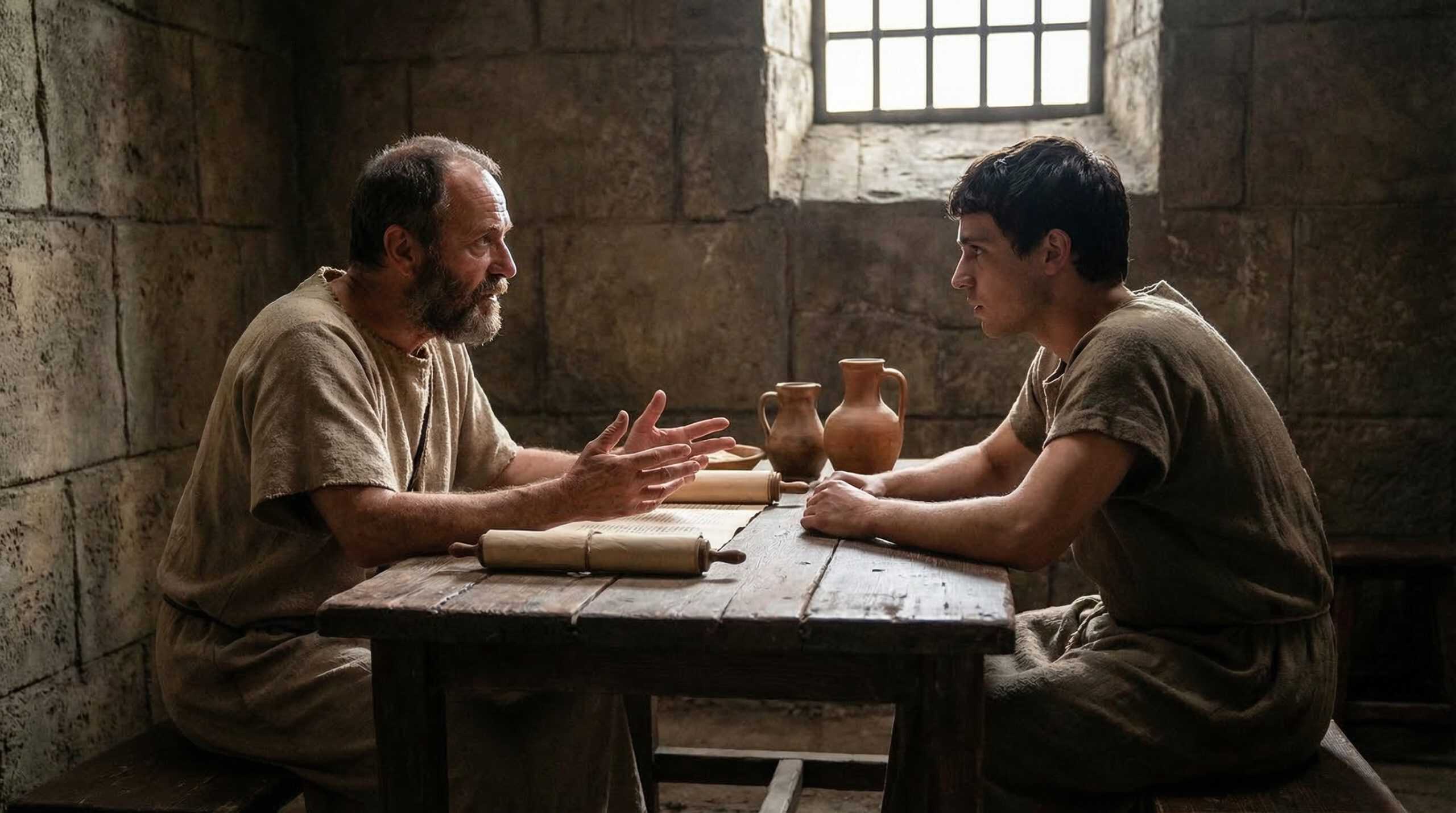
(Philemon 1:8–21)
Onesimus was sent back to his master (slaveholder) Philemon by Paul. However, Paul asked that Philemon receive Onesimus back as a brother whom he should forgive.
This leaves us with a moral quandary. Can forgiveness truly exist between unequals? Paul offered to pay whatever Onesimus owed just to show him forgiveness.
Forgiveness can require us to gamble or surrender something of value. Forgiveness is never easy.
Pharisees and the adulterous woman
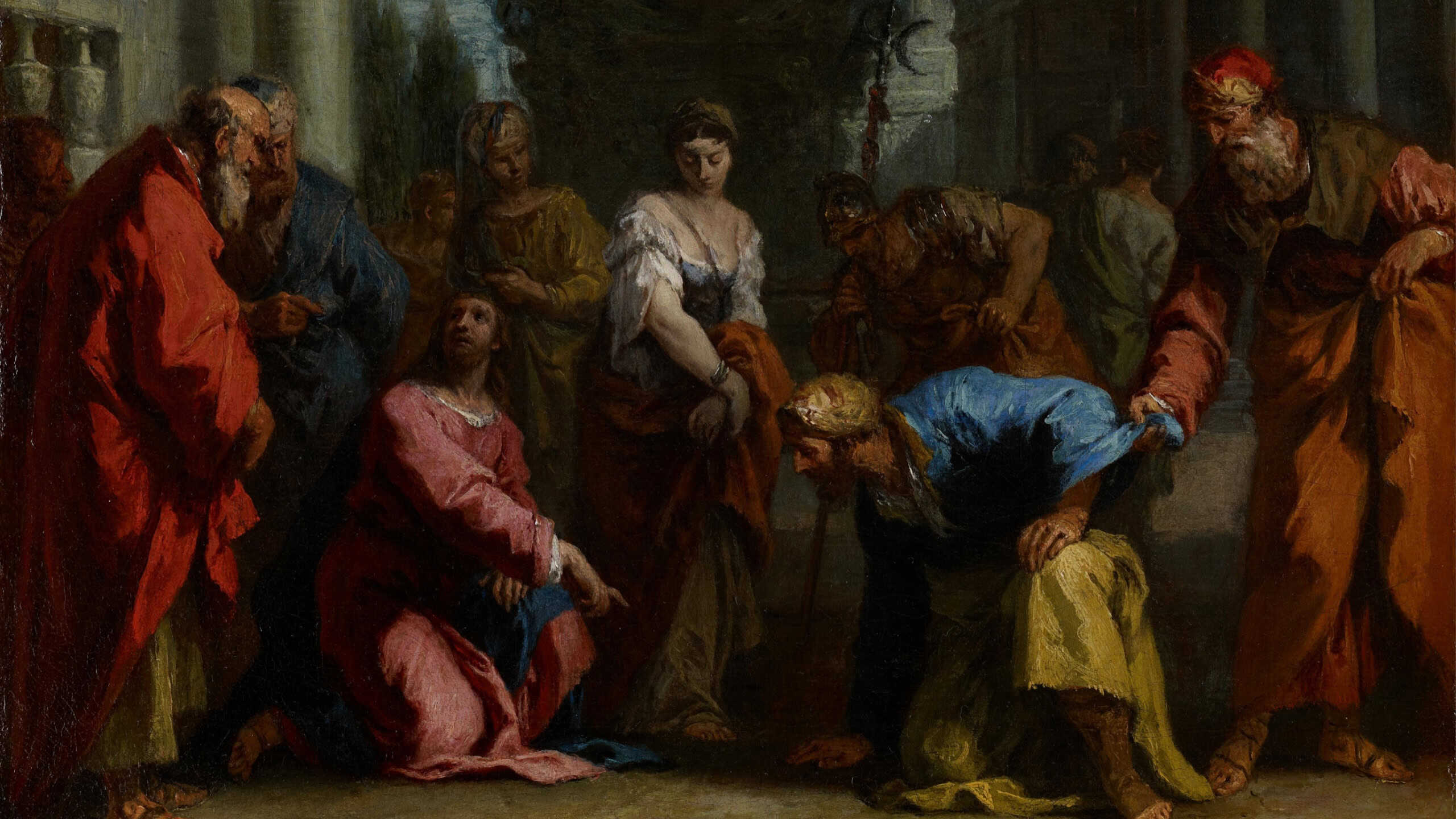
(John 8:3–11)
Picture it. Rocks in hand. Woman at his feet. Angry mob yelling for justice.
They were about to stone her because of her actions. Jesus halted their actions by asking, “If anyone is without sin, let him be the first to throw a stone.” They left one by one until none were left.
Jesus didn’t absolve the woman of her wrongdoing, but He allowed her opportunity to repent and start anew.
Jesus showed us that true righteousness isn’t about acting superior or being the enforcers of right and wrong. He could’ve let her face the consequences, but Jesus chose mercy instead.
Ananias and Sapphira

(Acts 5:1–11)
Ananias and Sapphira sinned by lying to the church about the amount of money they were donating. Neither was forgiven and they both immediately died.
You’d imagine they’d get a pass if they’d just asked for forgiveness, but this story highlights God’s high regard for honesty. It also served as an example to others.
Joseph and his brothers
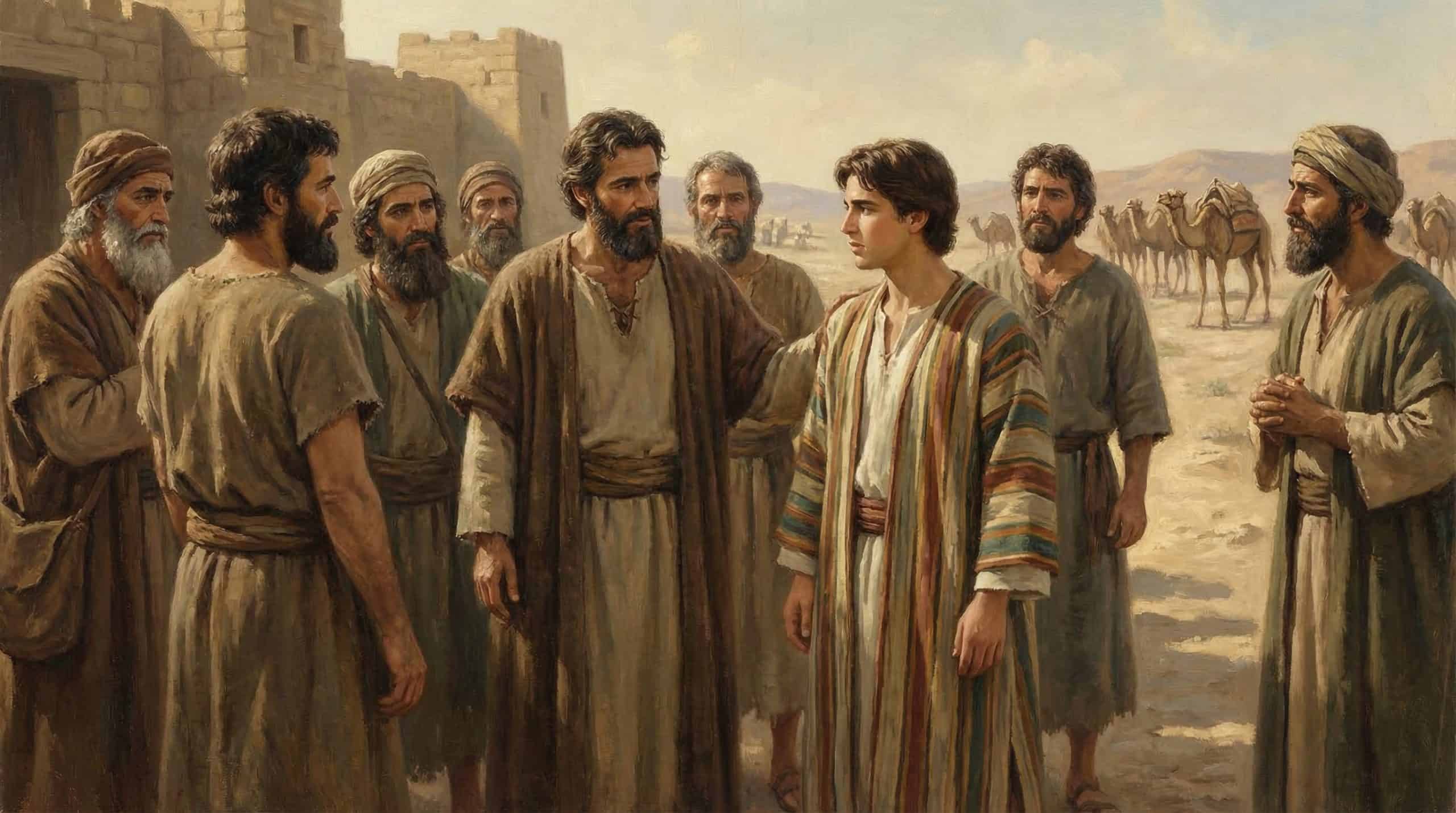
(Genesis 45:4–15)
When Joseph’s brothers betrayed him, they treated him horribly. Many years later Joseph understood that God had allowed his brothers’ actions to spare many lives from starvation.
Ever since then people have asked, “Do we have to know the “reason” behind our pain before we can forgive?” It’s a difficult question.
Joseph’s life says that God can show us the greater good in healing old wounds.
Fixing the broken bond with Peter

Jesus forgave Peter when he met him on the shore and asked him three times, “Do you love me?” He didn’t scream at Peter. Jesus allowed Peter to tell Him the truth and start anew.
Forgiveness is relational rather than judicial. Peter’s experience really makes us wonder what comes next, after the apology.
Sources: Please see here for a complete listing of all sources that were consulted in the preparation of this article.
12 end time Bible prophecies that confuse many people

Biblical prophecy is less like a predictable map and more like a complex landscape of symbols and surprises. We’re often taught to look for a single battle or a specific date, but the text gives us something far more unsettling: eerie cosmic pauses and resurrections that don’t line up.


