

Long before Fabio started gracing romance novel covers, actual history was busy crafting tales far more grim and a whole lot bloodier.
Pedro I of Portugal and Inês de Castro
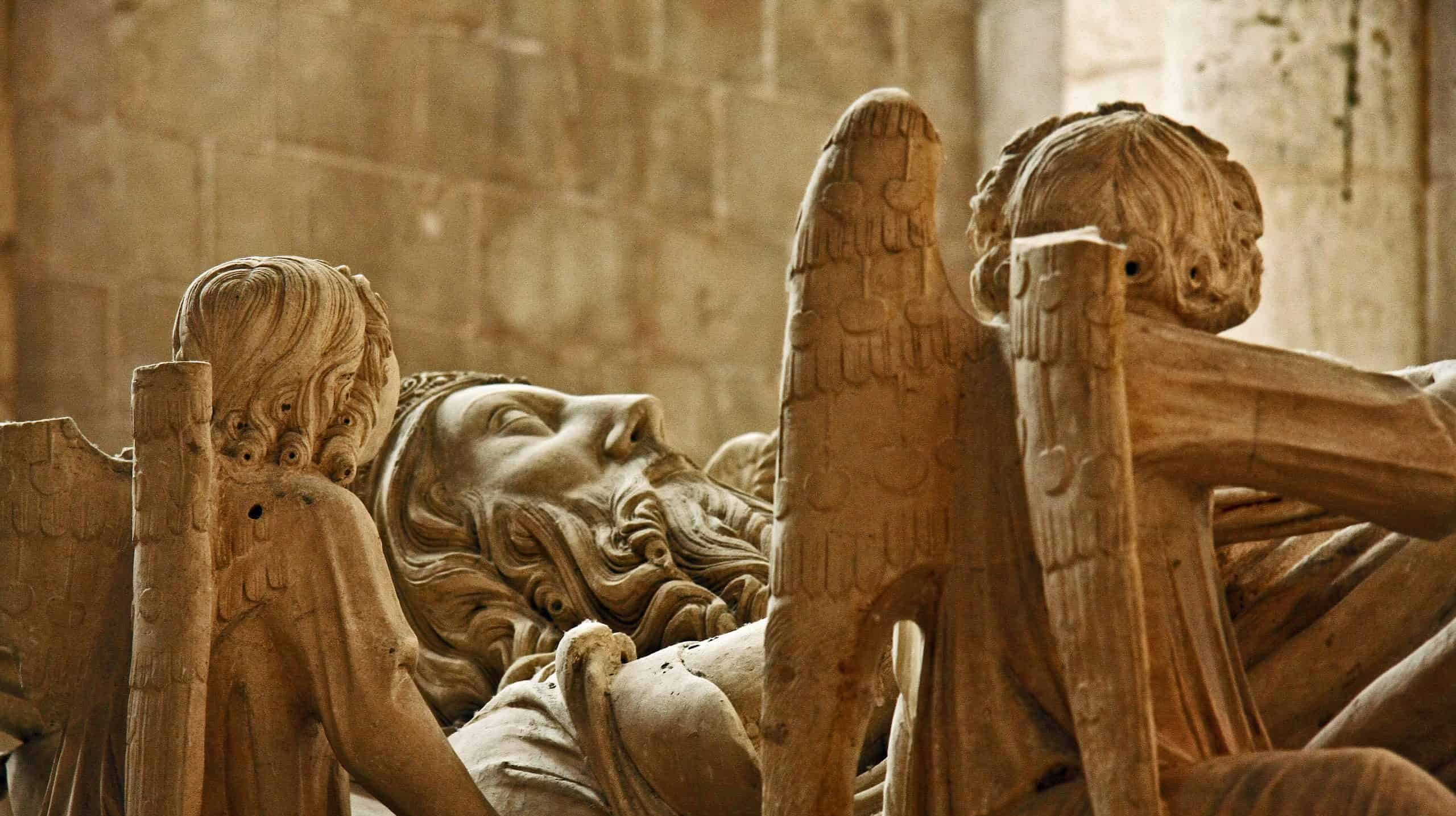
In the 14th century, Portuguese Prince Pedro fell madly in love with Inês de Castro. She was a lady-in-waiting to the prince’s wife and came from a noble family from Galicia.
The king, Afonso IV, Pedro’s father, was not at all pleased about his son’s affair with Inês. Afonso feared that Inês’ family, who were from Castile, would have too much control over Portugal. Pedro refused to let her go and his father had three men kill her in 1355.
Pedro couldn’t live without her. He retaliated against his father, and for years the kingdom was torn by civil war.
Finally, when Pedro took the throne in 1357, he had his revenge. Once king, Pedro sought out those who had killed Inês. He had two killed (legend says he had their hearts ripped out, one from the front of their chest and another from the back because they “ripped out his heart” when they killed Inês.) But that wasn’t enough for Pedro.
Pedro announced that he and Inês were secretly married years before, making her his queen in heaven and on earth. He then had her body exhumed and moved to a stunning monastery called the ‘Alcobaca’. There, she was given a royal burial fit for a queen.
Lucile Duplessis and Camille Desmoulins
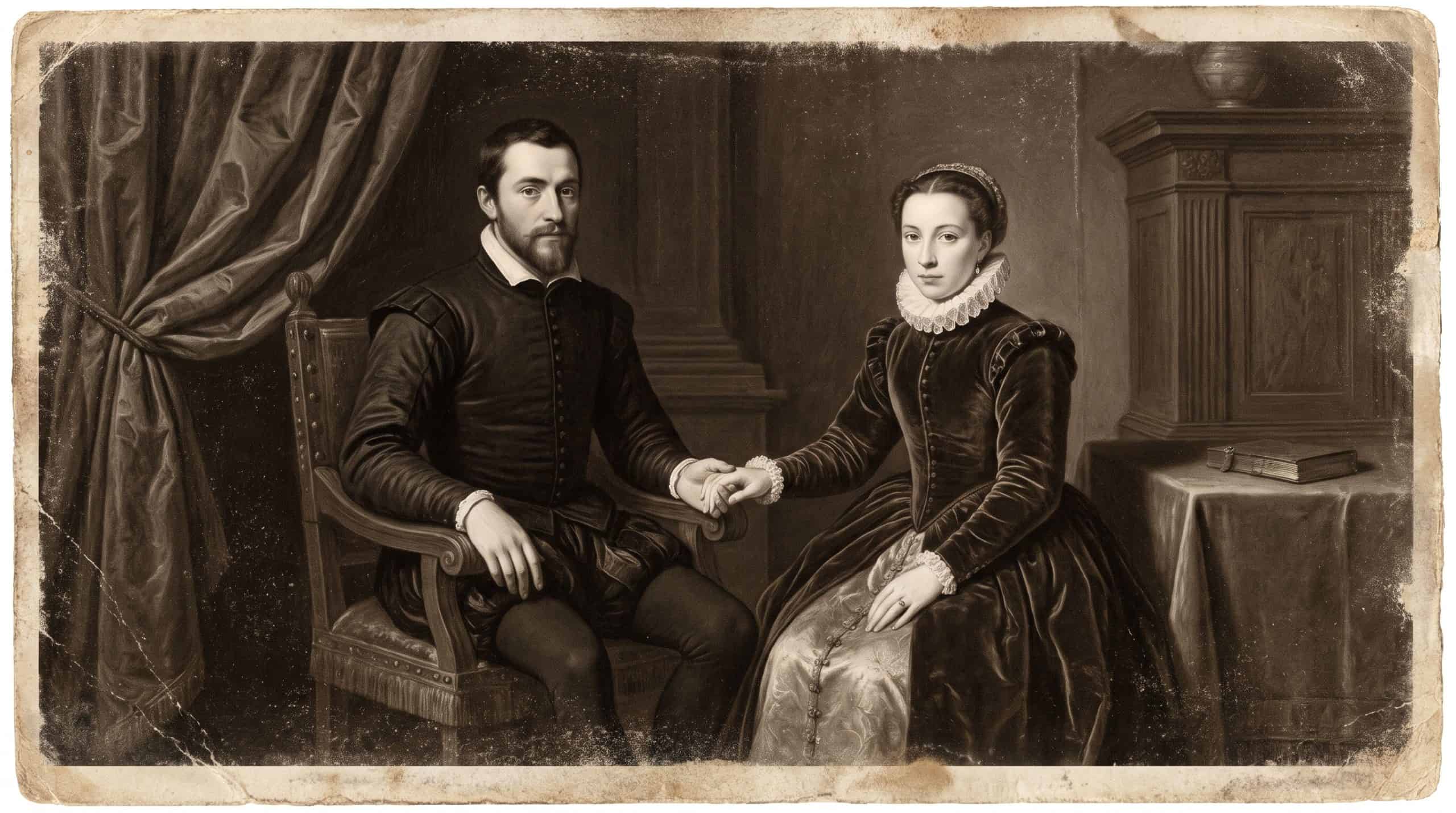
Journalist Camille Desmoulins and his wife Lucile lived through much of the French Revolution alongside Maximilien Robespierre, a close friend.
His old friend, however, betrayed him when Camille started publishing articles calling for an end to the Reign of Terror.
Camille was arrested and later executed at the guillotine on April 5, 1794. Lucile tried everything in an attempt to save her husband’s life but was herself arrested for conspiring to help Camille escape prison.
Tragically, she met the guillotine a mere eight days later, having just turned 24.
Sir Walter Raleigh and Elizabeth Bess Throckmorton
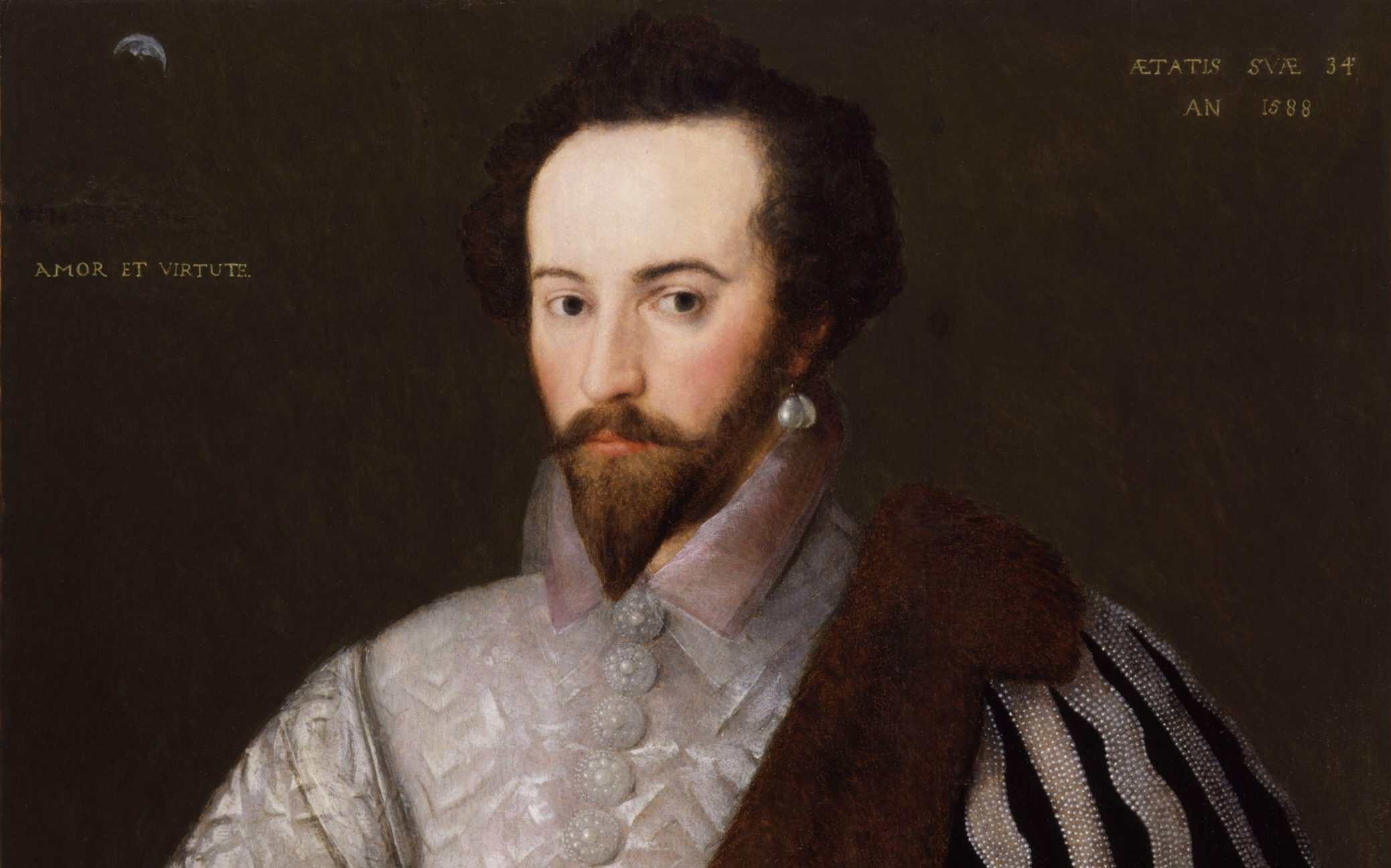
In 1591, the English courtier Sir Walter Raleigh took Bess Throckmorton, a lady-in-waiting to Queen Elizabeth I, as his wife in a clandestine ceremony that lacked the Queen’s consent.
After learning of their secret marriage and her resulting pregnancy, the angry Queen had the couple imprisoned in the Tower of London. They were released soon after into exile but Raleigh’s political life was over.
The former knight spent years imprisoned by England’s next king, James I, before being executed in 1618.
His wife Elizabeth kept Raleigh’s embalmed head wrapped in a red velvet bag by her side until her death 29 years later.
Emperor Xuanzong and Consort Yang Guifei

So infatuated was China’s Emperor Xuanzong with his imperial consort Yang Guifei, that he lost interest in running the country and allowed her family to fill court offices with corruption.
The An Lushan Rebellion, which erupted in 755 AD, was partly fueled by their actions, leading to the court’s evacuation from the capital.
Once they reached Mawei Station, however, the Emperor’s imperial guards refused to advance into battle unless Empress Yang was executed for causing the downfall of the empire.
Facing pressure from his imperial guards who insisted on her execution, Xuanzong felt compelled to have his beloved consort strangled, only to be subsequently overthrown.
Archduke Maximilian and Empress Carlota of Mexico
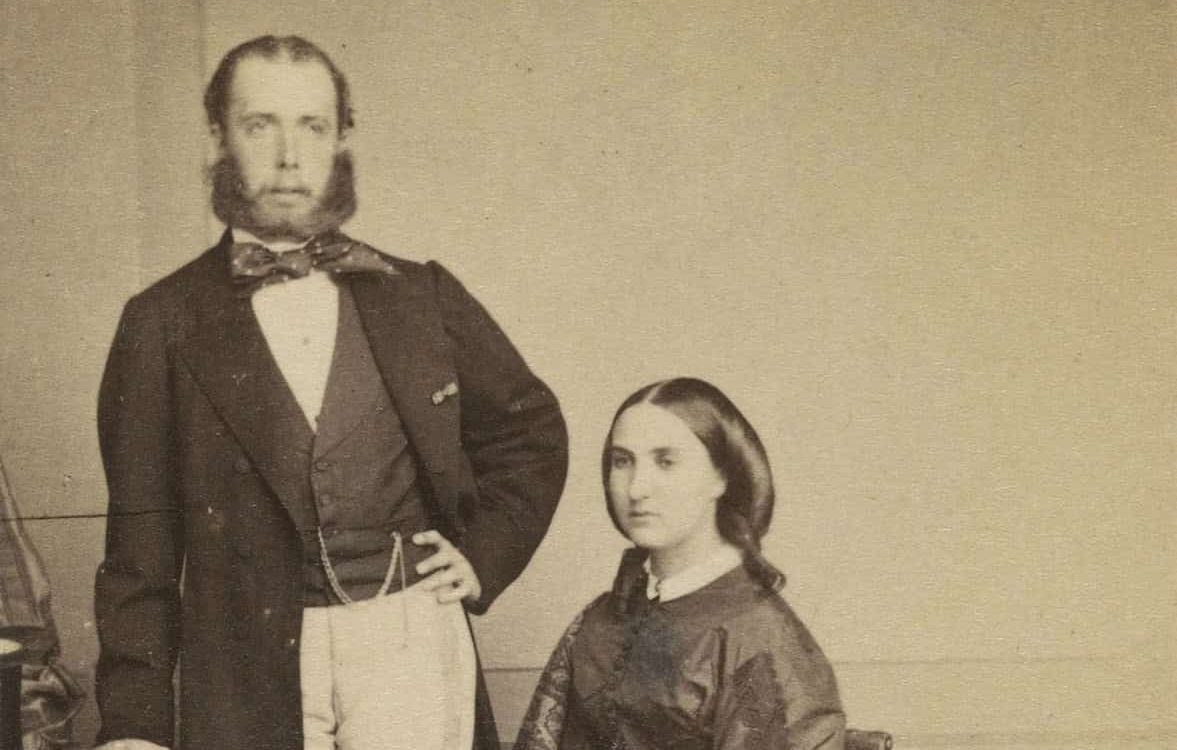
In 1864, Napoleon III attempted to give away the Mexican crown to Austria’ s Archduke Maximilian and his wife Carlota of Belgium.
Carlota and Maximilian traveled down to Mexico full of hope. They believed that the country would rally around them and support the idea of a monarchy in Mexico. Rather than that, they stepped directly into a country gripped by a violent civil war.
Benito Juarez was still leading his Republican armies against the French-backed imperial government, while much of the country despised Maximilian’ s regime. But nothing could have prepared them for what happened when France finally withdrew their troops. Refusing to stand by and watch their empire fall, Carlota returned to Europe to beg for support.
Carlota pleaded with every European power she could find to allow France to maintain troops in Mexico. The stress of trying to save her husband’ s kingdom took its toll though. Carlota broke down mentally and had to be whisked away from the public eye. She never returned to Mexico and lived the rest of her life in misery.
Maximilian refused to let his supporters and soldiers down. He stayed behind in Mexico as hope faded, remaining until it became too late. In 1867, the Republicans captured him. He was executed by firing squad shortly after his capture.
They never saw each other again.
King James I of Scotland and Joan Beaufort
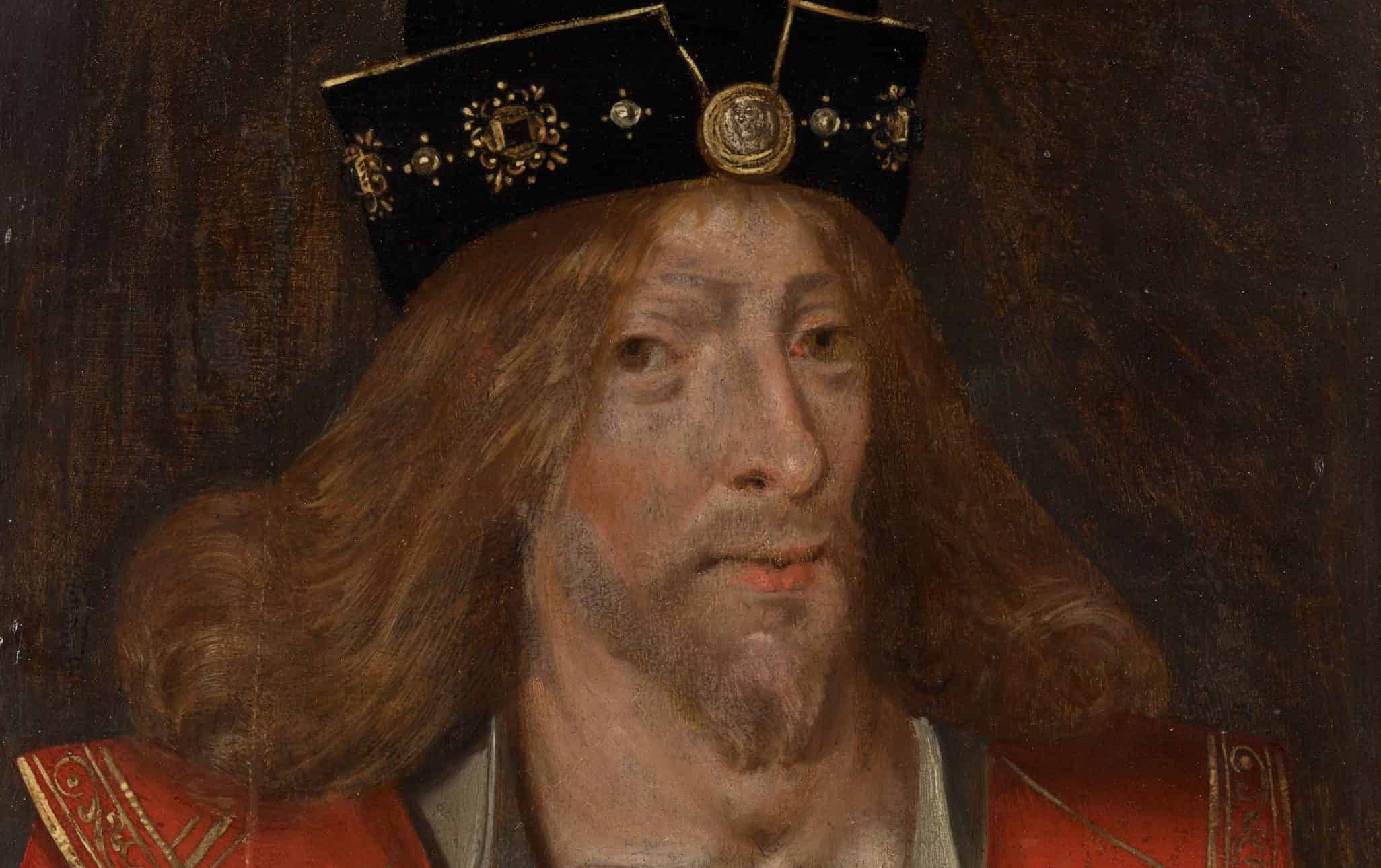
Kidnapped as a teenager by English pirates, King James I of Scotland was held captive in England for 18 years where he met and fell in love with Joan Beaufort, penning poems to her throughout his stay.
Upon paying his ransom and returning home to Scotland with his new wife, James enacted cruel laws towards his rebellious noblemen.
Once James’s enemies outnumbered his friends, conspirators burst into the Perth friary where he and his wife were residing on a freezing February night in 1437.
Joan placed her body atop James’s to protect him and took multiple stab wounds before the killers removed her from the room to murder the king.
John Keats and Fanny Brawne
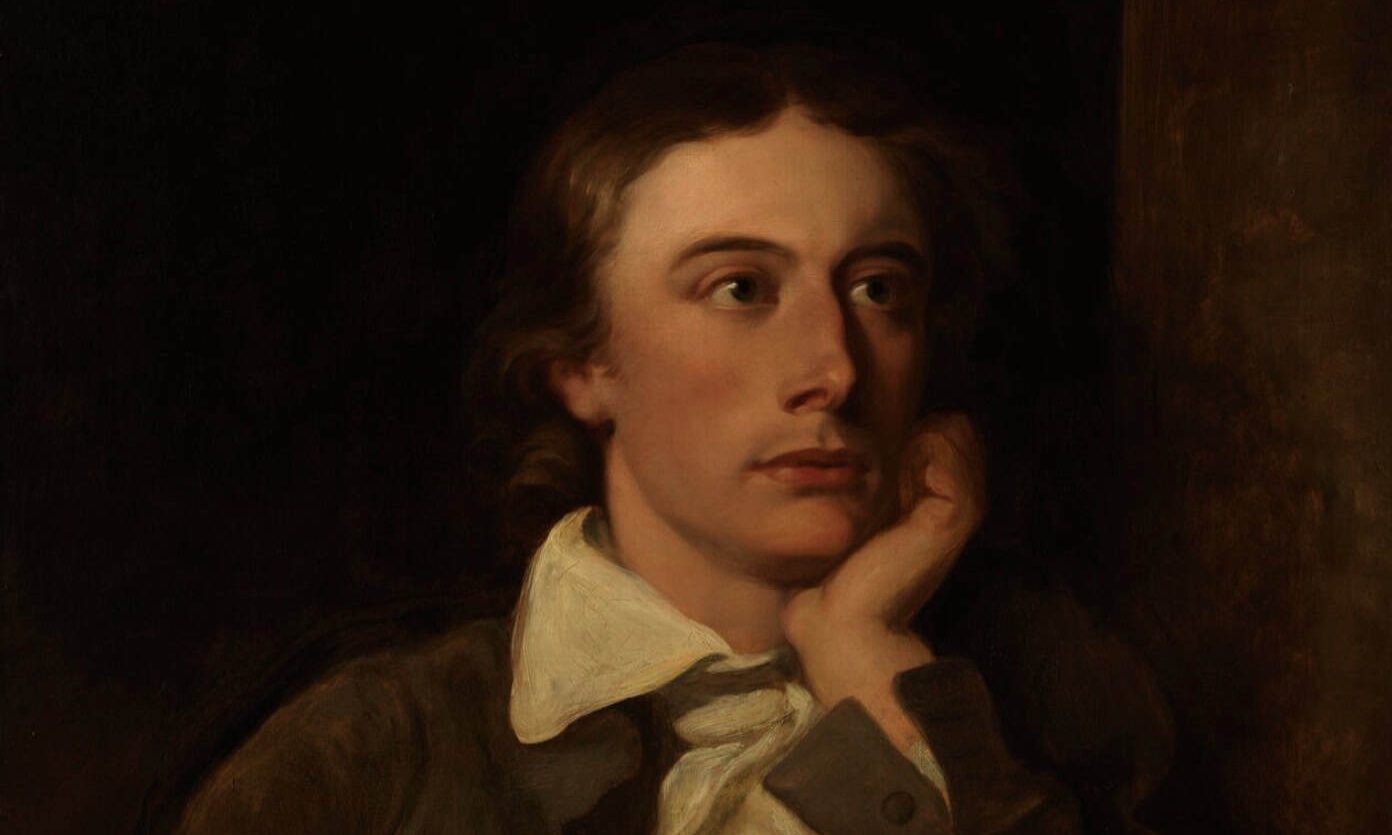
English Romantic poet John Keats fell madly in love with Fanny Brawne when they first met in 1818. Though secretly engaged, the pair never married due to Keats’ financial struggles.
Shortly after they met, Keats began coughing up blood, causing him to fear he had tuberculosis, which previously caused the death of his mother and brother.
In 1820, doctors recommended Keats leave England to fight the disease in Italy’s warm climate. In February of 1821, at the mere age of 25, Keats died in Rome, his heart aching from the separation from the woman he loved.
Throughout his illness, Keats never read letters sent to him by Fanny Brawne because they hurt him too much, yet they were placed on Keats’ chest inside of his coffin upon death.
Emperor Shunzhi and Consort Donggo
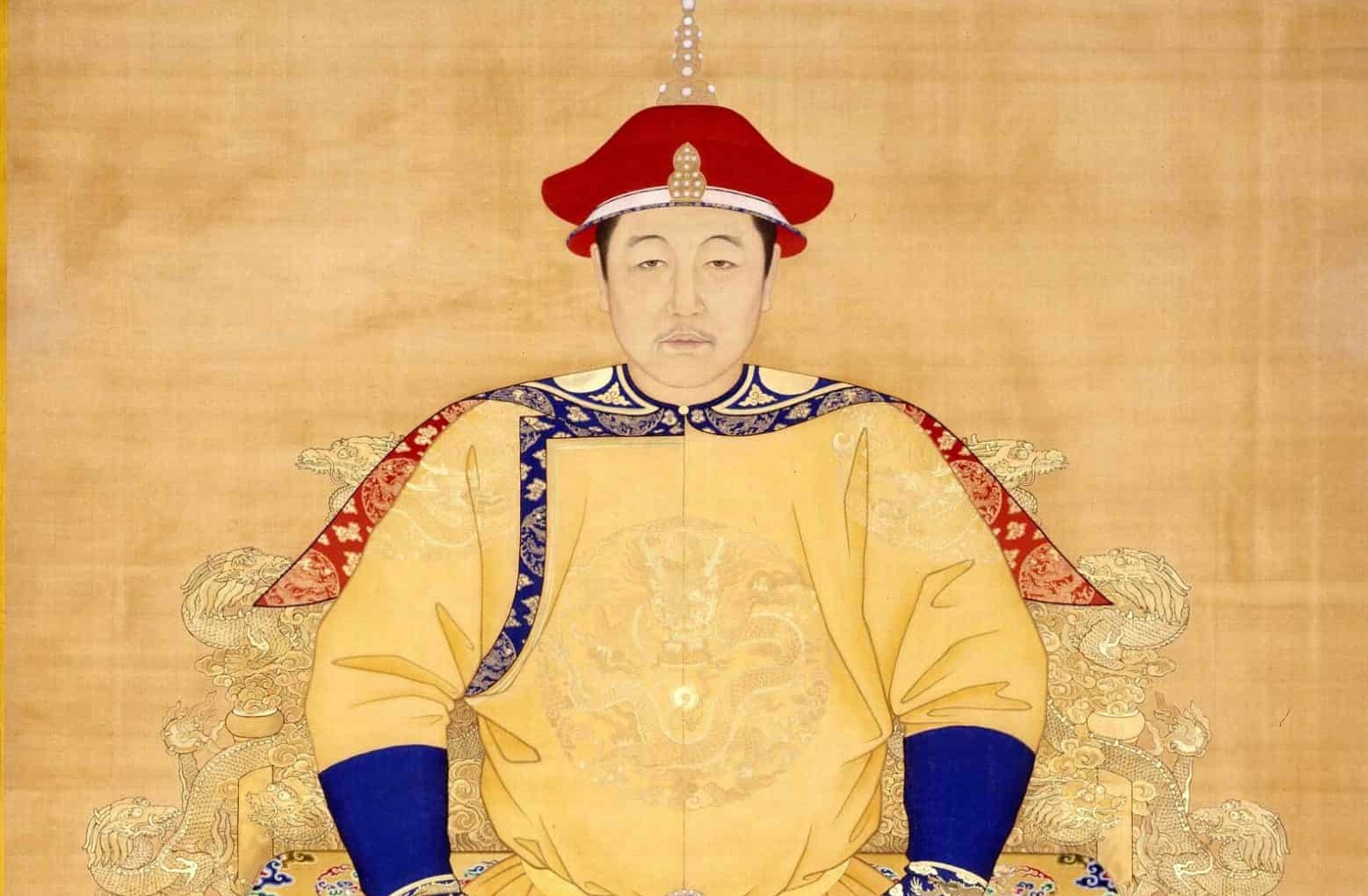
The Shunzhi Emperor, still a teenager at the start of the Qing Dynasty, disregarded established court etiquette due to his strong feelings for Lady Donggo. He quickly elevated her to Imperial Noble Consort, and their bond deepened considerably.
As resistance from traditionalists mounted, their bond only deepened. Their son’s birth in 1657 brought them immense joy, though their happiness was short-lived as he passed away only months later.
Plunged into a deep melancholy, Donggo’s health failed her, and she died in 1660.
The 22-year-old Emperor fell into a state of despair and killed himself by ignoring his own health until he succumbed to smallpox five months later.
Grand Duchess Elizabeth Feodorovna and Grand Duke Sergei Alexandrovich
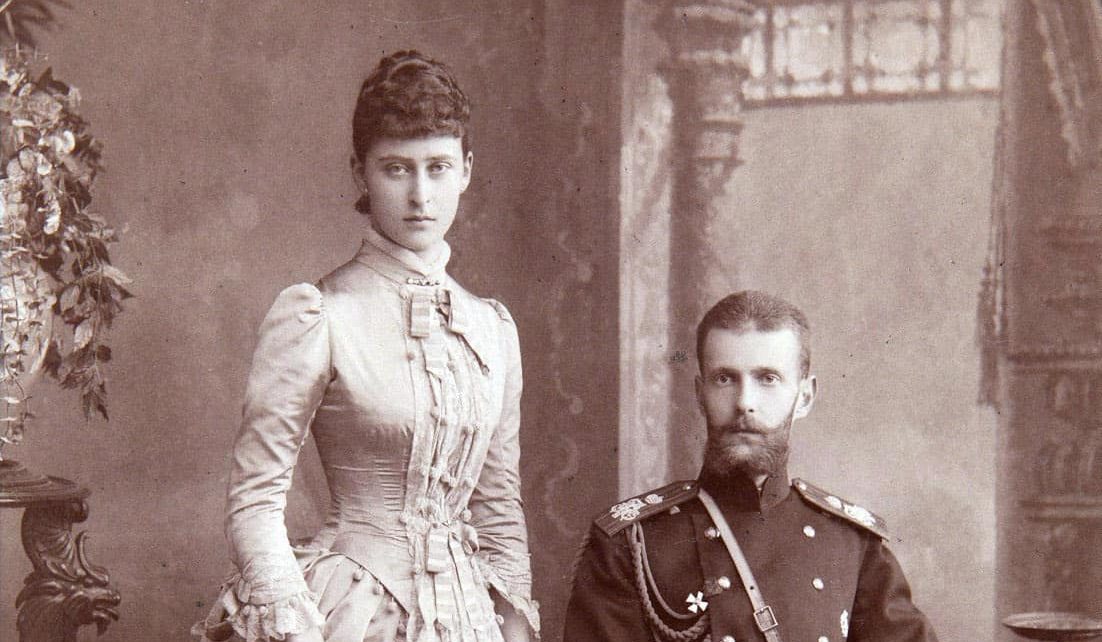
Grand Duchess Elizabeth Feodorovna was born Princess Elisabeth of Hesse. She married Grand Duke Sergei Alexandrovich of Russia in 1884. Her marriage brought her directly into the volatile political arena of late Tsarist Russia.
In 1905, Sergei was killed by revolutionaries who threw a nitro- glycerine bomb into his carriage as it passed through the gates of the Kremlin. Elizabeth ran into the street and picked up her husband’s remains in her bare hands.
Disturbed by the continued violence, she donated her fortune, joined a convent as a nun, and established a convent hospital for the poor.
Bolshevik troops seized Elizabeth in 1918, ultimately ending her life by throwing her into a mine shaft.
Alexander Pushkin and Natalya Goncharova
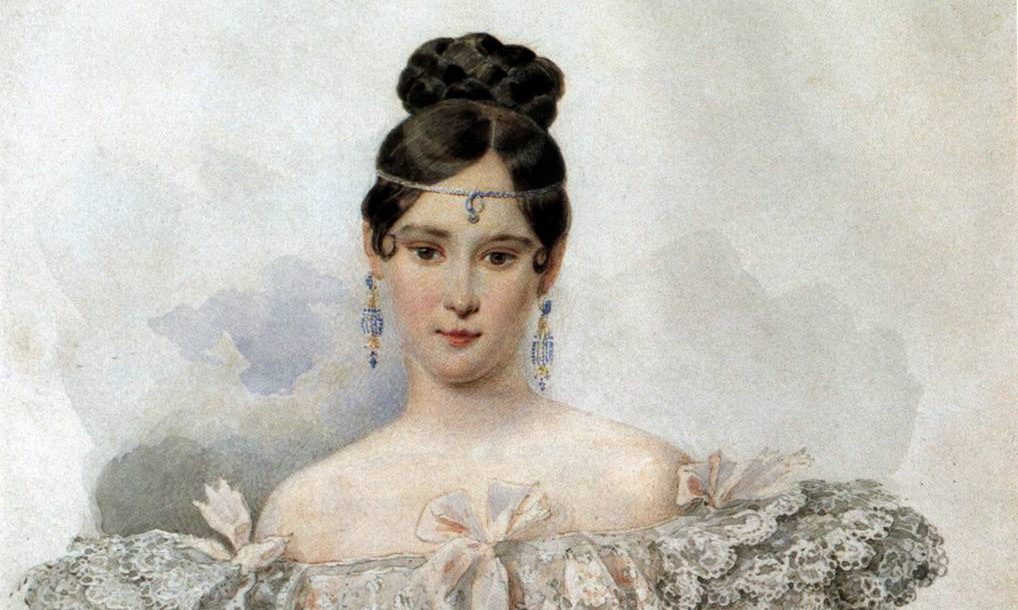
Russia’ s most celebrated poet, Alexander Pushkin married beautiful court maid Natalya Goncharova in 1831.
However, Natalya’ s beauty attracted unwanted attention at court. Georges-Charles d’Anthès, a French officer in exile, openly courted Natalya, which ignited rumors among the courtiers and led to anonymous letters mocking Pushkin.
To defend his wife’ s honor and put an end to the harassment, Pushkin issued a duel challenge to d’Anthès in January 1837.
Pushkin received a stomach wound in the duel. He died of his injuries two days later at home.
Crown Prince Rudolf and Baroness Mary Vetsera
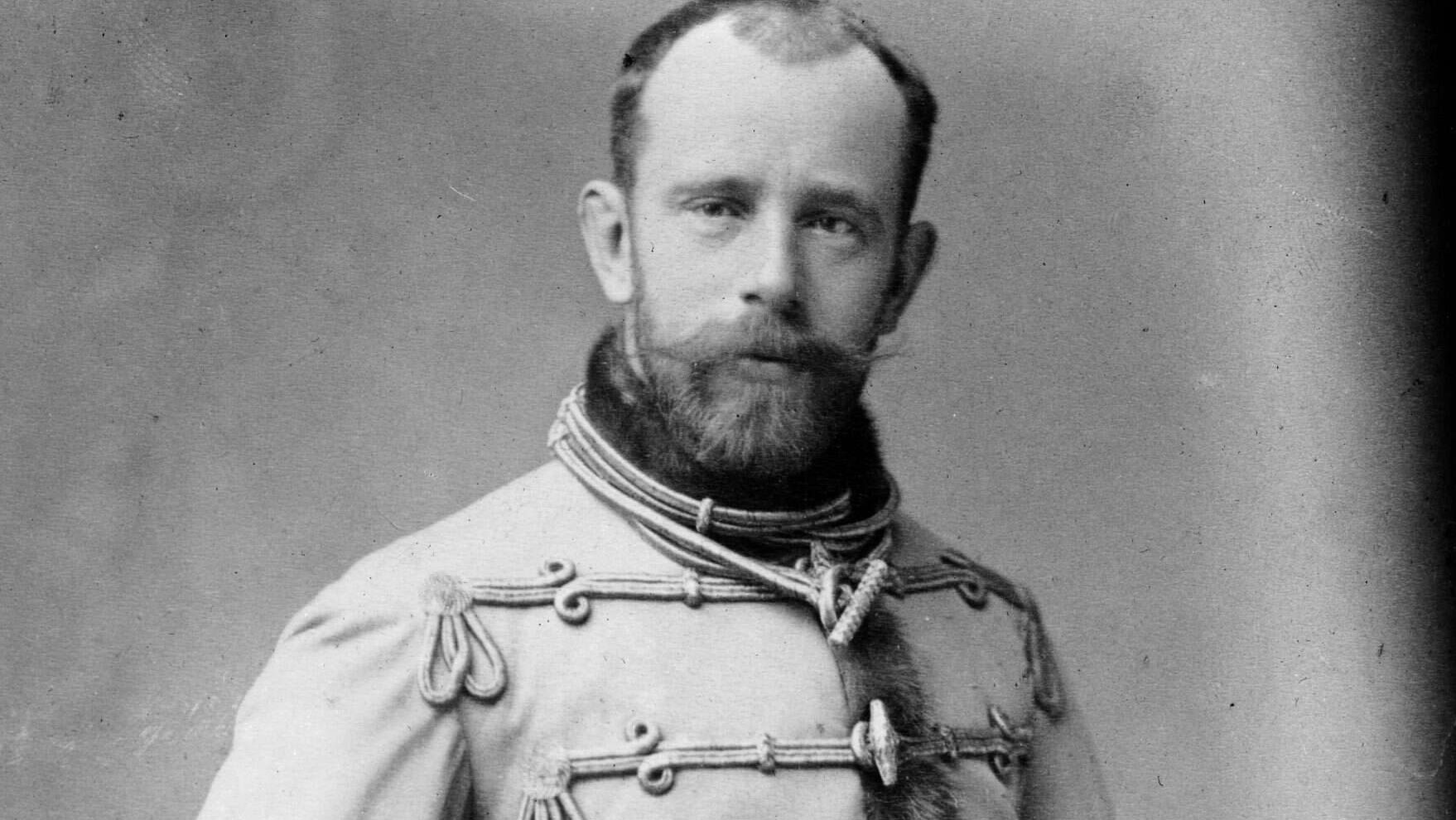
Crown Prince Rudolf, next in line for the Austro-Hungarian empire, found himself trapped in a marriage of convenience, all while battling significant illness and deep depression.
In late 1888, he began an affair with 17-year-old Baroness Mary Vetsera who became enamored with Rudolf’s brooding personality.
At the royal hunting lodge in Mayerling, on January 30, 1889, the couple took their own lives as part of a prearranged suicide pact.
Rudolf shot Mary in the temple while she lay in bed. He then sat next to her corpse for hours before killing himself, stunning royal courts across Europe.
Sources: Please see here for a complete listing of all sources that were consulted in the preparation of this article.
Like our content? Be sure to follow us.
15 marriage laws from history that ruined women’s lives

Besides teaching you a few history lessons, these 15 marriage laws from around the world will show you how a woman’s life was broken piece by piece in the name of marriage.
