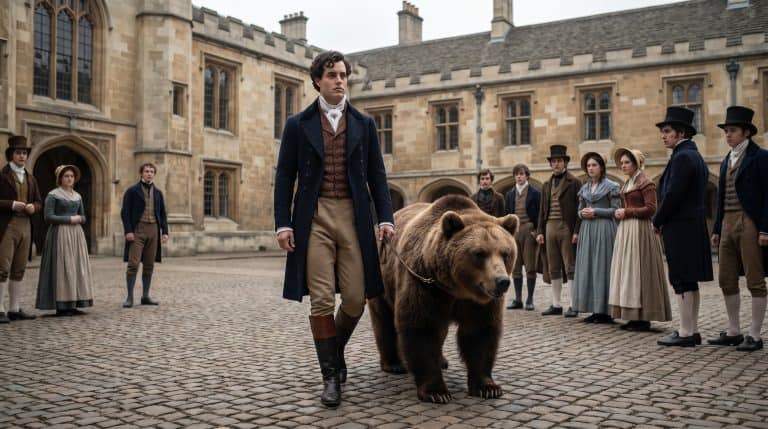

Just because you see a super serious portrait of someone from hundreds of years ago doesn’t mean they weren’t weird guys.
William Buckland
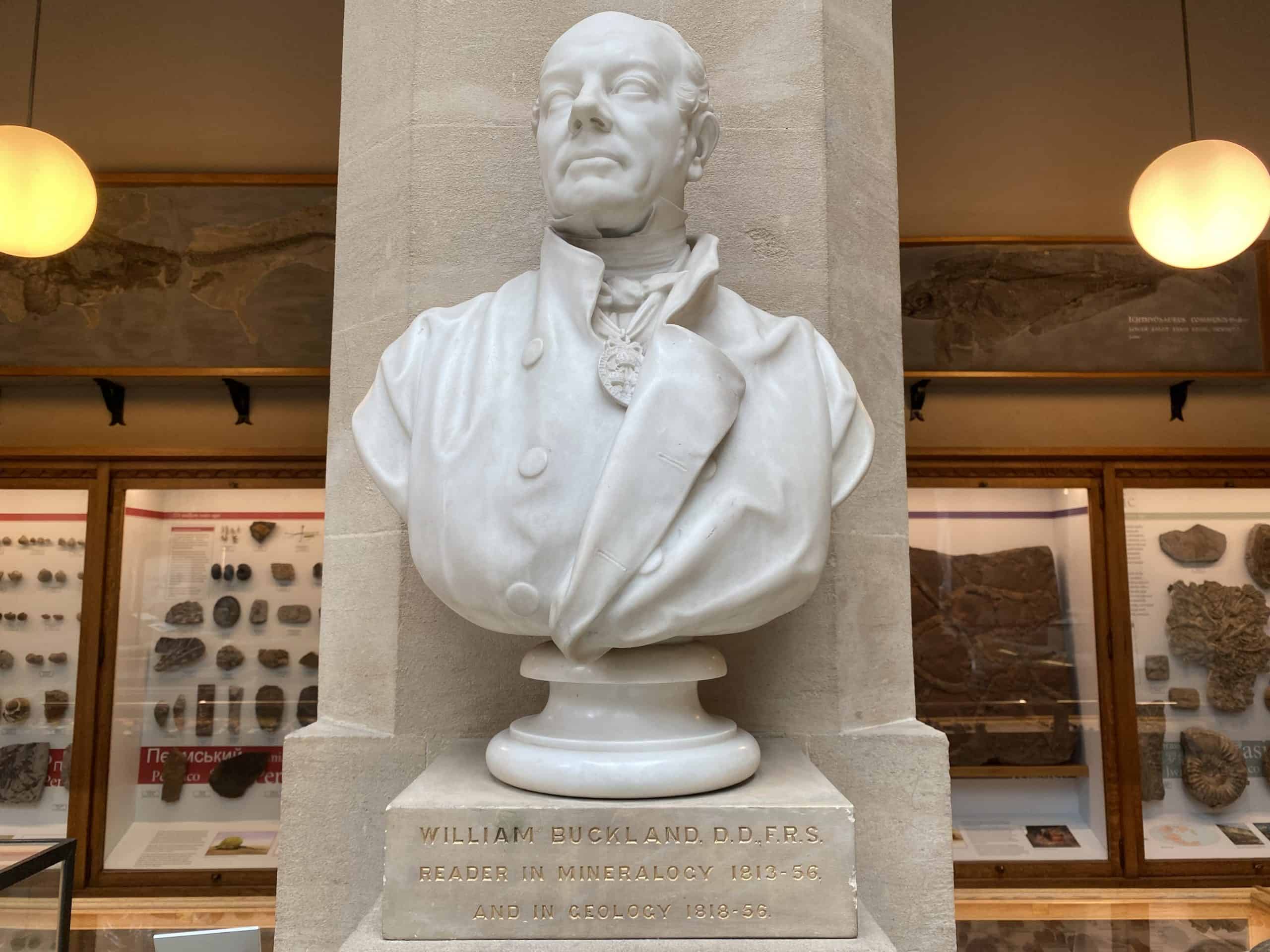
The famous English scholar, William Buckland, had one strange obsession during the 1800s: he wanted to try the taste of every animal possible.
He frequently entertained guests to dinner parties, but the meals were unlike any other. He served all sorts of bizarre food to guests including panther, crocodile, and even baked mice. Buckland craved the taste of new animals.
Buckland’s most odd moment came when he visited an enormous country mansion. He was shown a dusty cabinet full of antiques and relics. Someone pulled out a small locket that held King Louis XIV’s embalmed heart. The heart had been stolen centuries ago and kept as a historical memento.
Buckland supposedly blurted out, “I have never eaten a king’s heart, before!” And just like that, he shoved it into his mouth.
Peter the Great
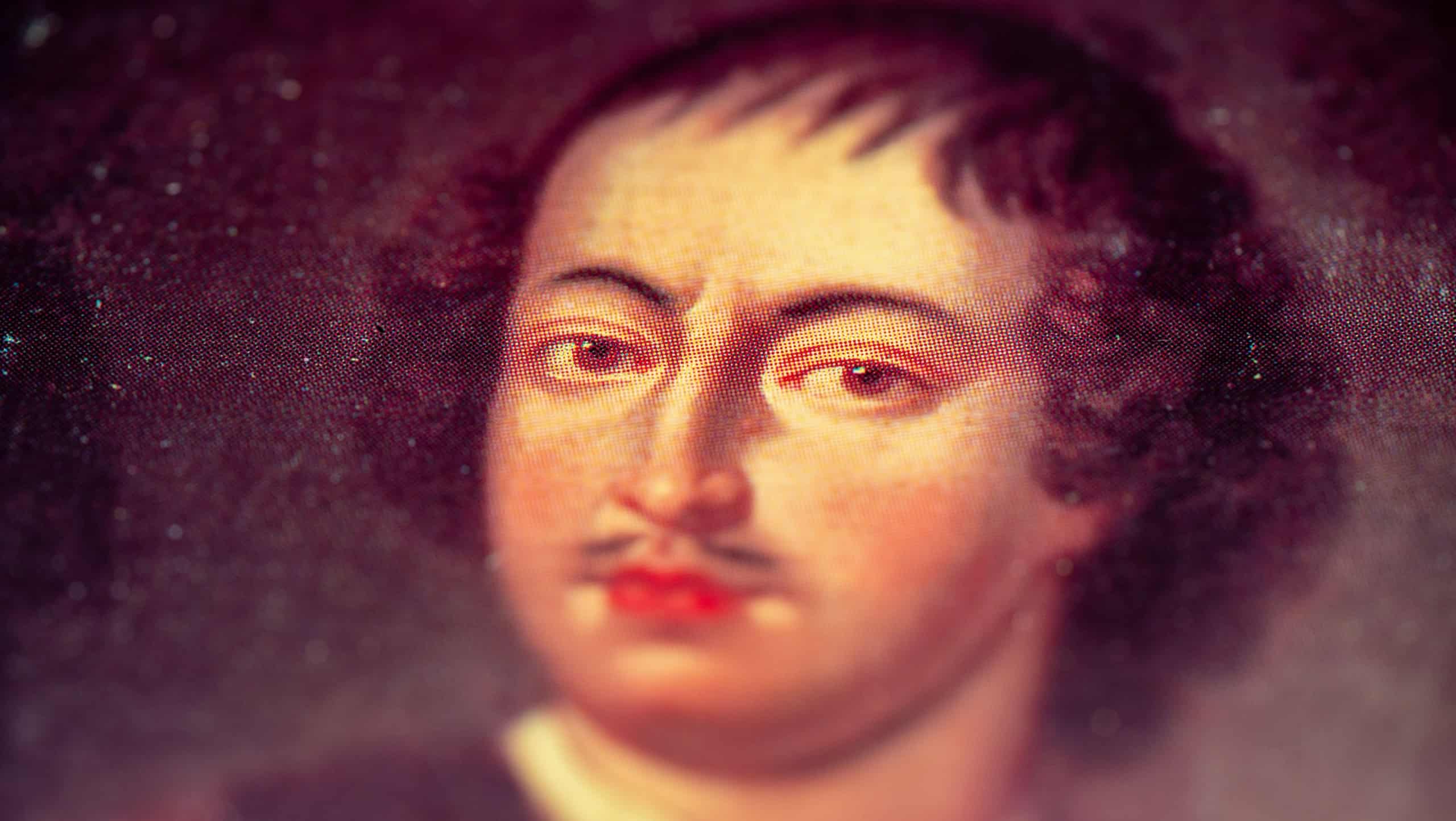
The colossal Russian emperor was fascinated with human bodies and constructed an entire museum to house anatomical rarities. He even made it government policy for any malformed infants born in Russia to be preserved and delivered to him.
His morbid fascination extended into his own bedroom where he stored jars of human heads.
When he discovered his wife was cheating on him, he had her killed and made her lay with her lover’s head on her nightstand.
Lord Byron
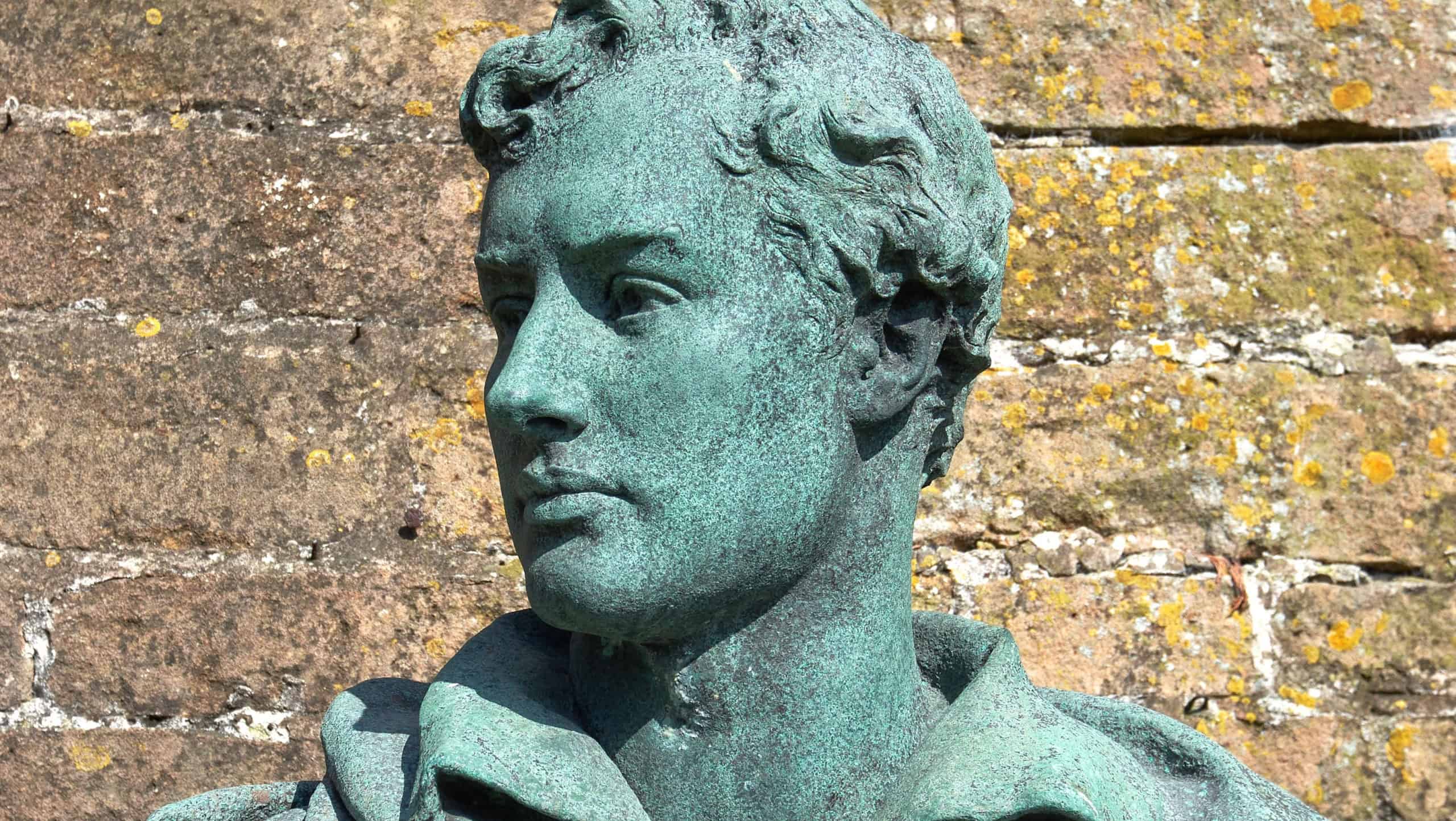
When the legendary poet, Lord Byron first attended Cambridge University in 1805, he was dismayed to learn students weren’t allowed to have pet dogs.
Byron secretly studied the school’s rulebook and discovered that large exotic animals were never mentioned.
Byron, ever the clever student, acquired a docile bear from a local fair and brought it straight back to his Cambridge rooms. The university authorities couldn’t do anything about the bear, and Byron even went so far as to try and enroll it as a student.
Gérard de Nerval
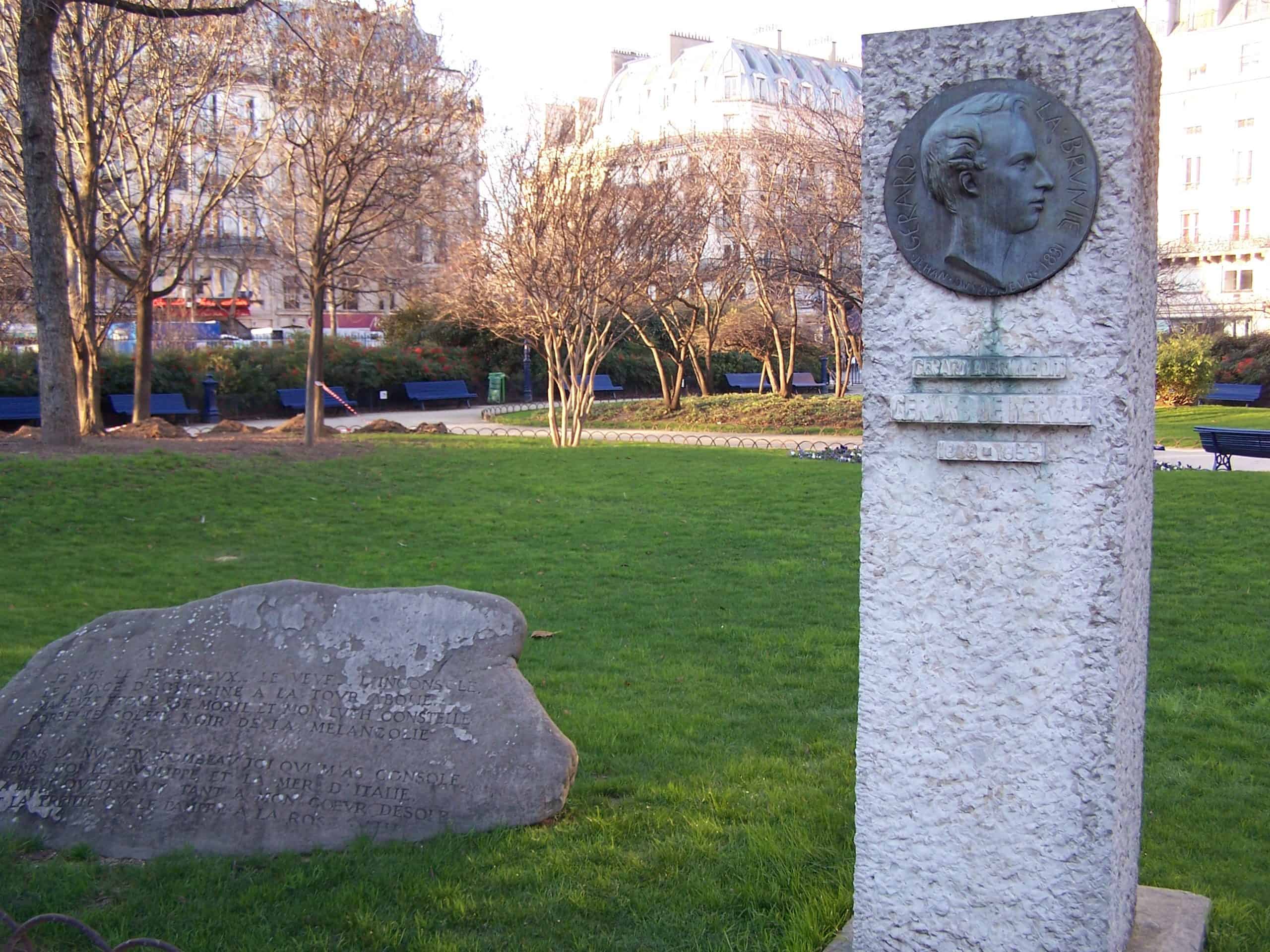
The eccentricities of this nineteenth-century Parisian author are almost as legendary as his literary works.
Legend has it that one day, while passing through a fish market on his way home from work, he lifted a live lobster from one of the stands and decided to take him home.
The lobster’s name was Thibault and Nerval reportedly took him on leash walks through Paris’ public gardens. He used an ornamental blue silk ribbon which he would tie around the lobster’s claws.
Crowds would gather to watch the curious sight pass by, asking why anyone in their right mind would walk a lobster as if it were a dog.
Nerval would chuckle and explain that lobsters made ideal pets: they were quiet and never talked back. Plus, he said, they contained the briny soul of the ocean wherever you went.
Tycho Brahe
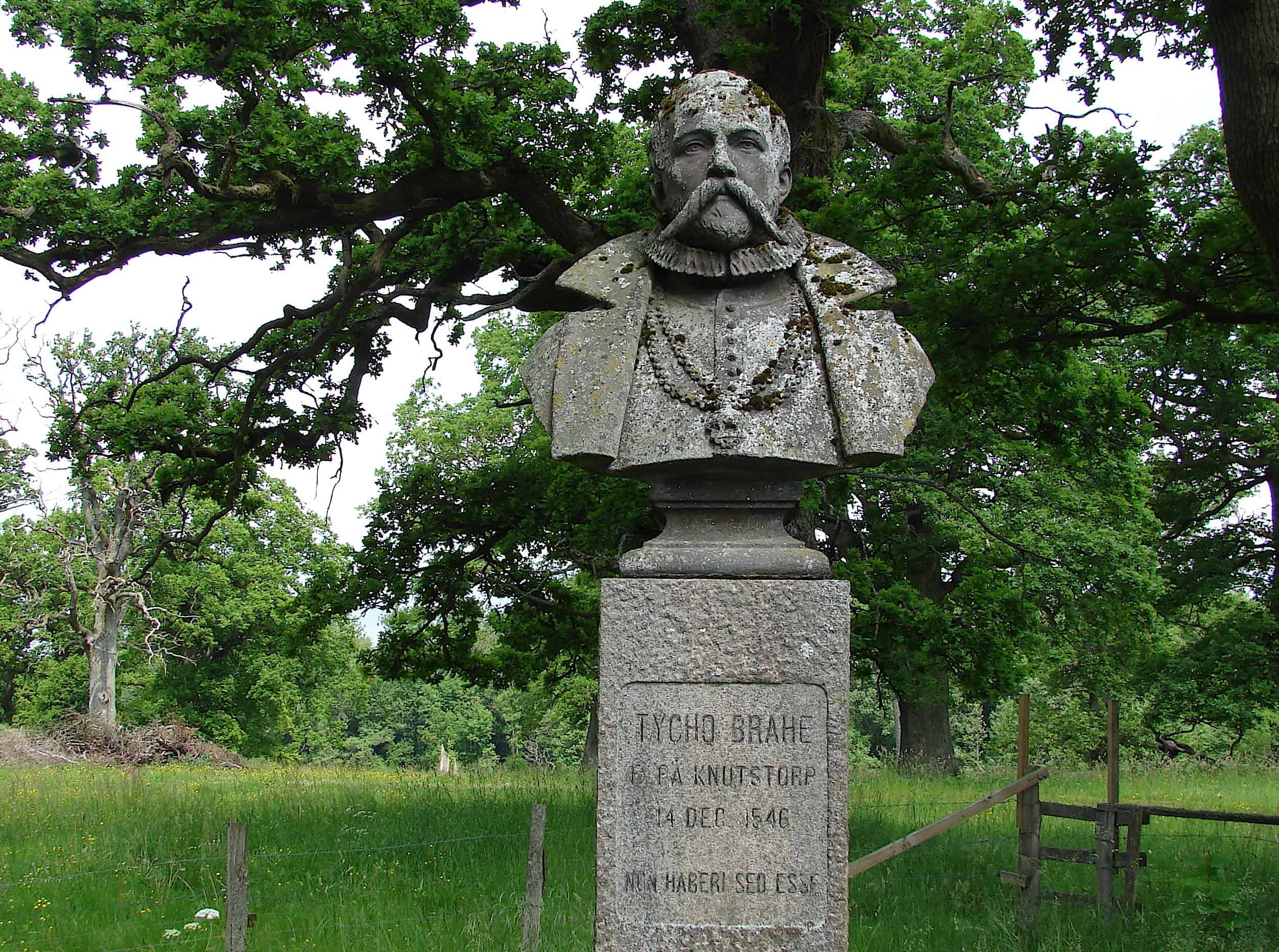
The 16th-century astronomer revolutionized our understanding of the cosmos. But in his personal life, Brahe ran his private island like something out of a fairy tale.
After losing his nose in a duel over a mathematical equation, he wore a prosthetic made of gold and silver, which he glued to his face. He owned a pet elk that would drink barrels of beer and accidentally kill himself after tumbling down the stairs during a celebration.
Brahe even brought on a psychic court dwarf named Jepp, instructing him to stay beneath the dinner table and shout out prophecies to the guests.
Mary Shelley
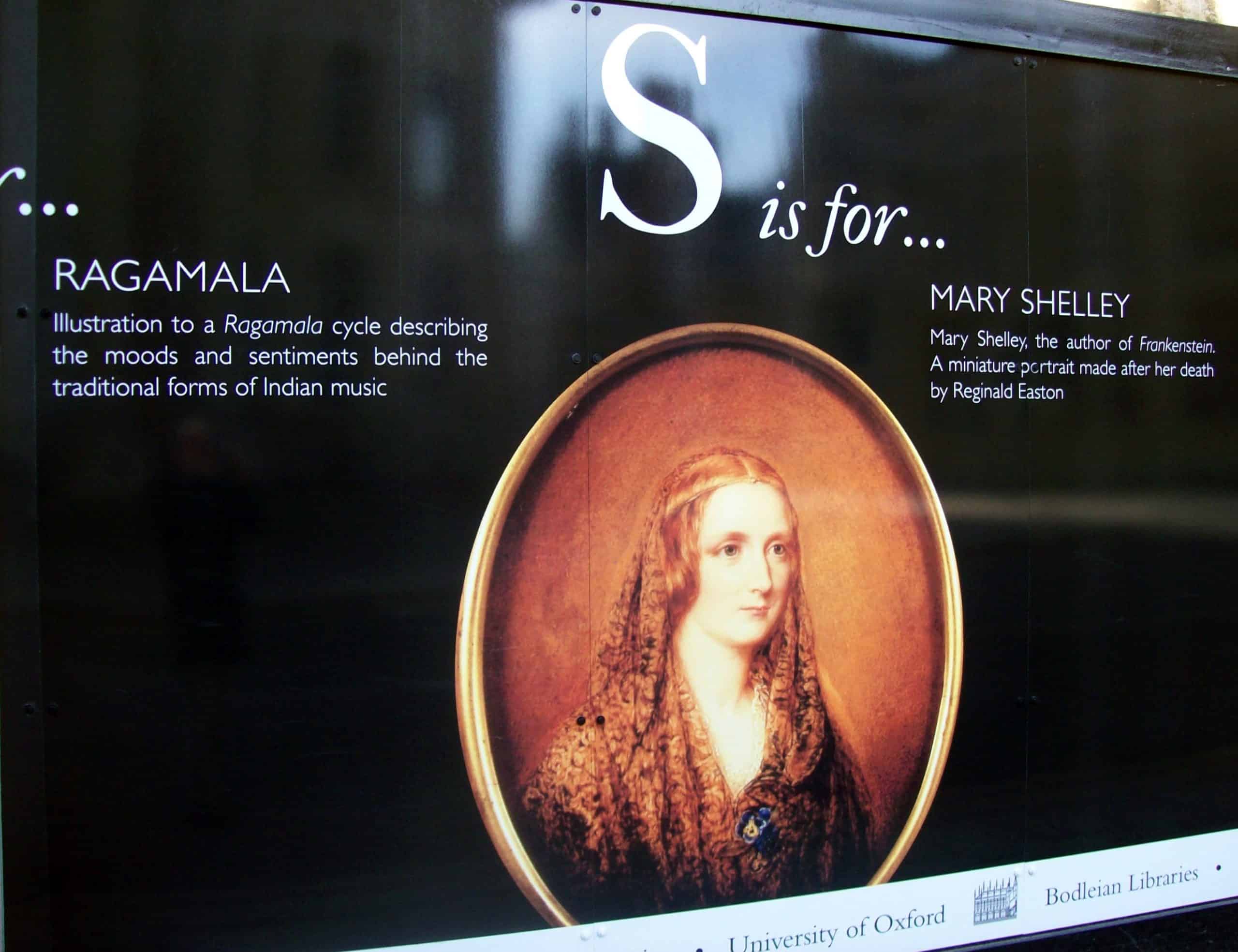
Victor Frankenstein’s creator never got over the death of her husband. Poet Percy Shelley drowned himself in 1822, leaving Mary Shelley shattered.
When he died, Percy’s body was cremated on a beach in Italy. Witnesses say his heart refused to burn and had to be carved from the funeral pyre. Instead of being buried with his ashes, the heart was given to Mary.
Far from wanting to discard it, she sewed it in silk and kept it in her writing desk drawer. For twenty-nine years Mary Shelley kept Percy’s heart safe. It was found by her children hidden in one of his poetry books after her death.
John Mytton
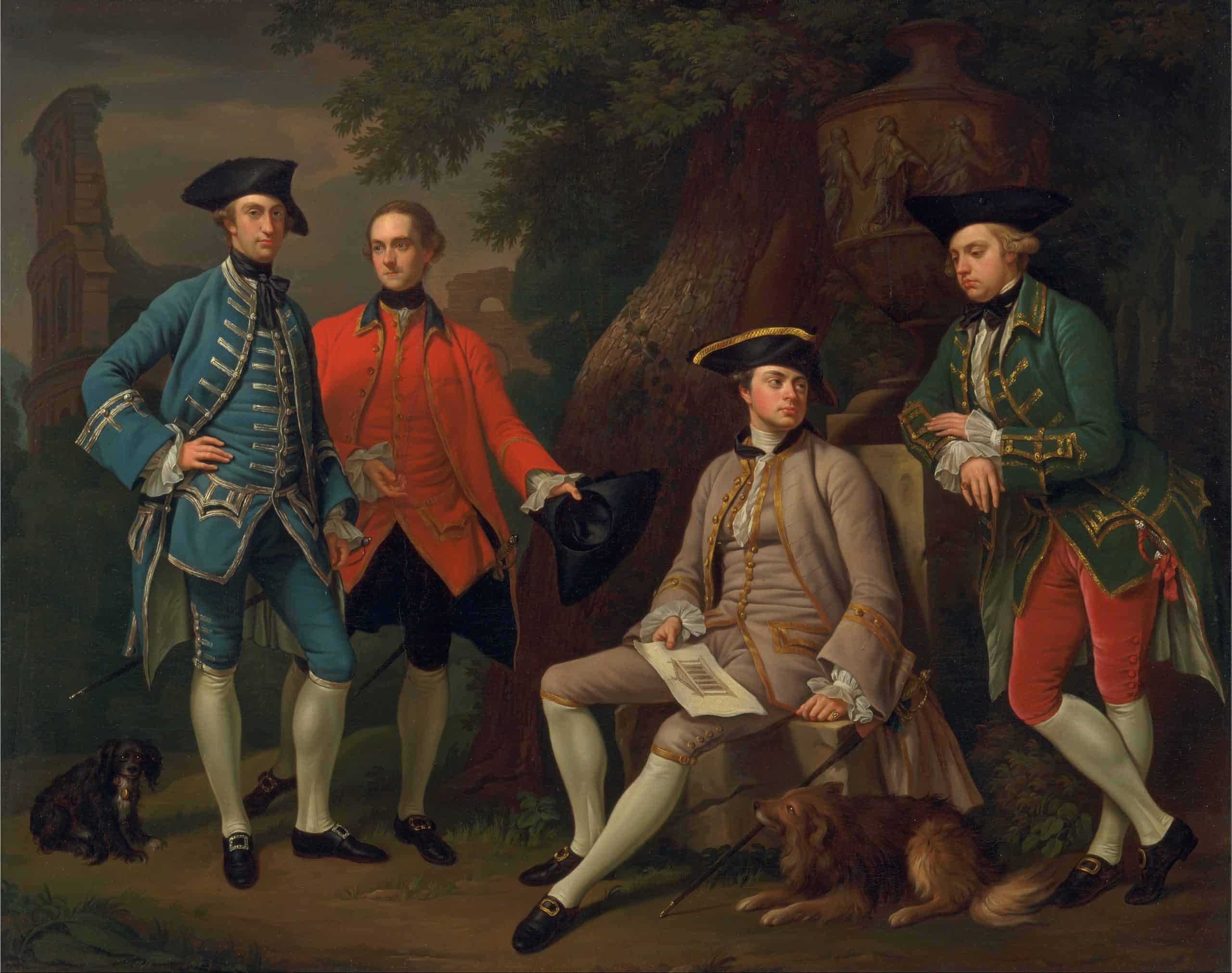
The 19th century British politician, John Mytton, was so fabulously wealthy that he literally paid people off to put up with his insane pranks.
Mytton would often attend his own dinner parties by riding on the back of a trained bear which he directed with his boots across the dinner room floor.
One night, Mytton was keen to find out if a sudden shock could be the key to banishing hiccups right before bedtime. He used his cork penny pincher candle to set his nightshirt on fire. The fright cured his hiccups, but burned him badly.
Dr. William Harvey
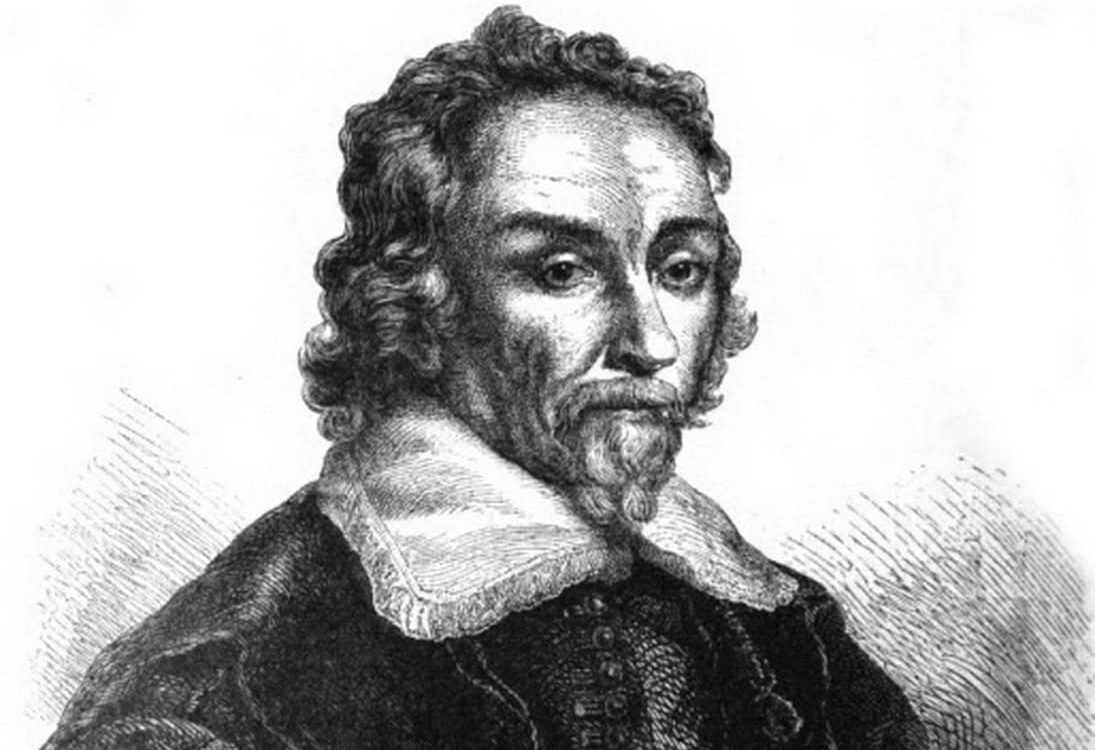
This 17th-century physician, credited with discovering blood circulation, was known to carry hidden weapons.
Even during peaceful negotiations or friendly conversations with his peers, Harvey would never take his hand off of the dagger he kept tucked up under his clothes. One friend described Harvey as having an awful temper, and would flash his blade during normal arguments in order to intimidate others into backing down.
Regardless of his irritable conduct and vocal threats, his brilliance in medicine allowed him to stay favored by the king.
Francis Egerton
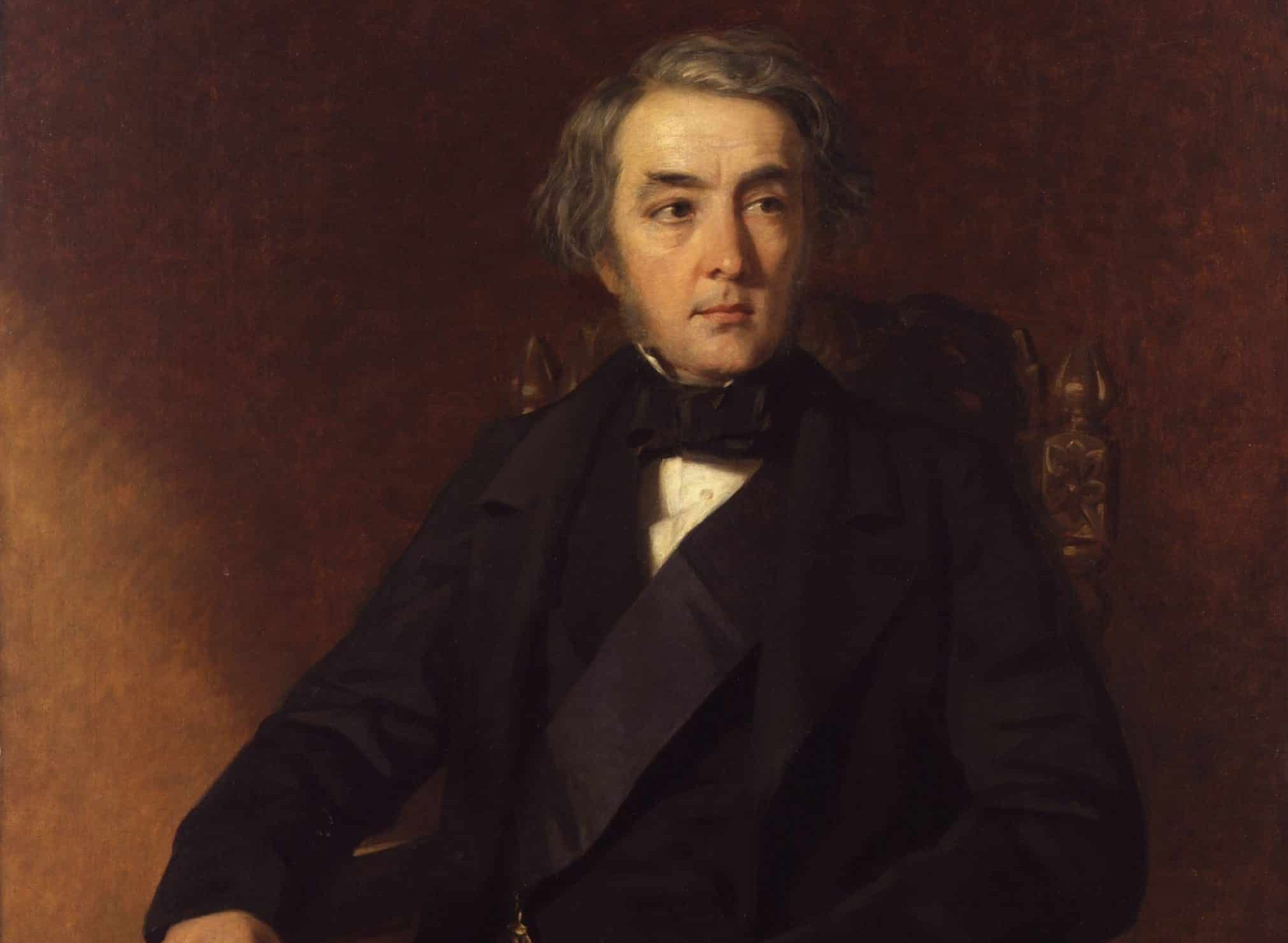
Francis Egerton, the Earl of Bridgewater was a rich British aristocrat from the 1800s that apparently preferred dogs to humans.
He loved his favorite hunting dogs like princes. He dressed them in custom tailored coats and little leather boots and demanded that everyone refer to them as “His Lordship”.
Each day, his huge dining table would be laid with china plates, silver cutlery and chairs for up to a dozen well dressed dogs. The staff would then cater to their needs, presenting them with gourmet meals as though they were esteemed visitors.
These dogs also needed to have good manners. Should one act badly or have terrible etiquette while eating, Egerton would punish the dog by forcing it to dine in the kitchen. As added humiliation, the dog would be made to wear a yellow servant’s jacket rather than its usual regal attire.
Sir George Sitwell
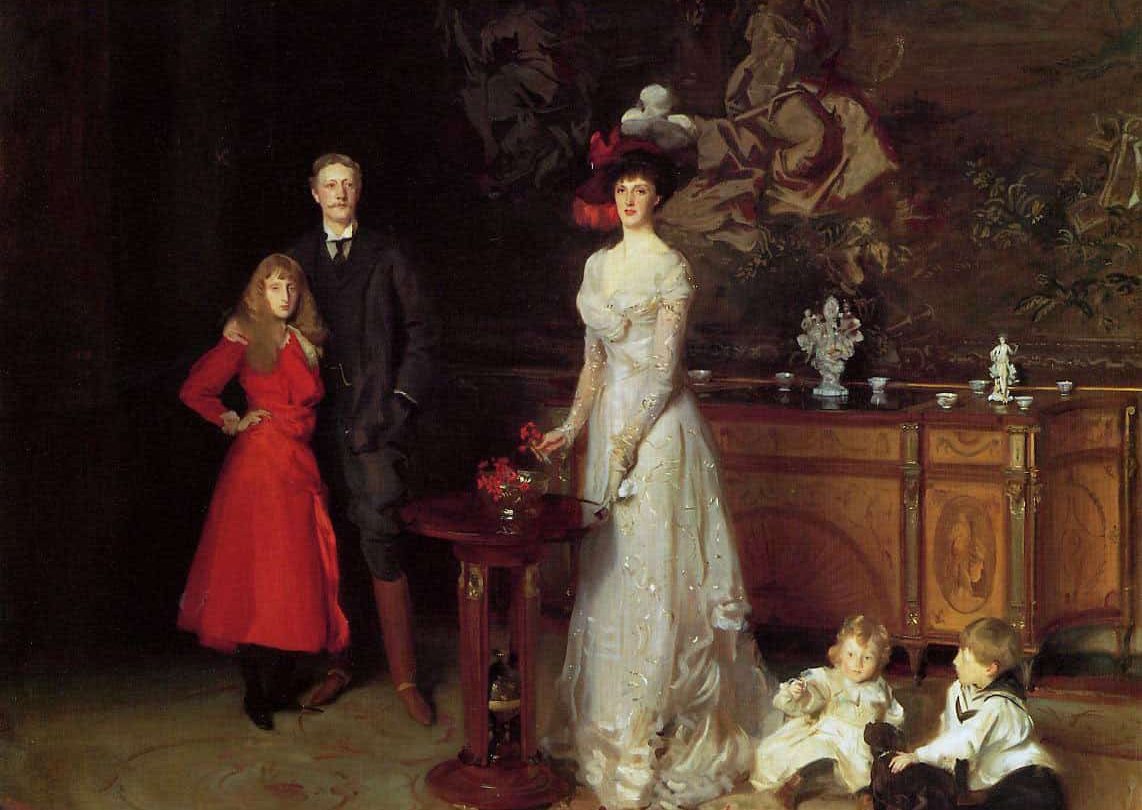
Sir George Sitwell was an upper-class English gentleman that lived in the early 1900s. He used his riches to build a life completely isolated from society.
Sitwell hated nearly everything about modern life, and demanded complete silence while at his country estate. When he roamed the grounds his staff weren’t even allowed to look him in the eye if they happened to pass him.
His staff wore shoes with velvet soles so they wouldn’t make a sound when walking about. If Sitwell was approaching, they hid behind curtains until he passed by.
He also tried to manipulate nature many times. One of his strangest ideas was painting all of his cows blue so they would blend in with the sky.
Sources: Please see here for a complete listing of all sources that were consulted in the preparation of this article.
Like our content? Be sure to follow us.
The 15 ugliest historical figures
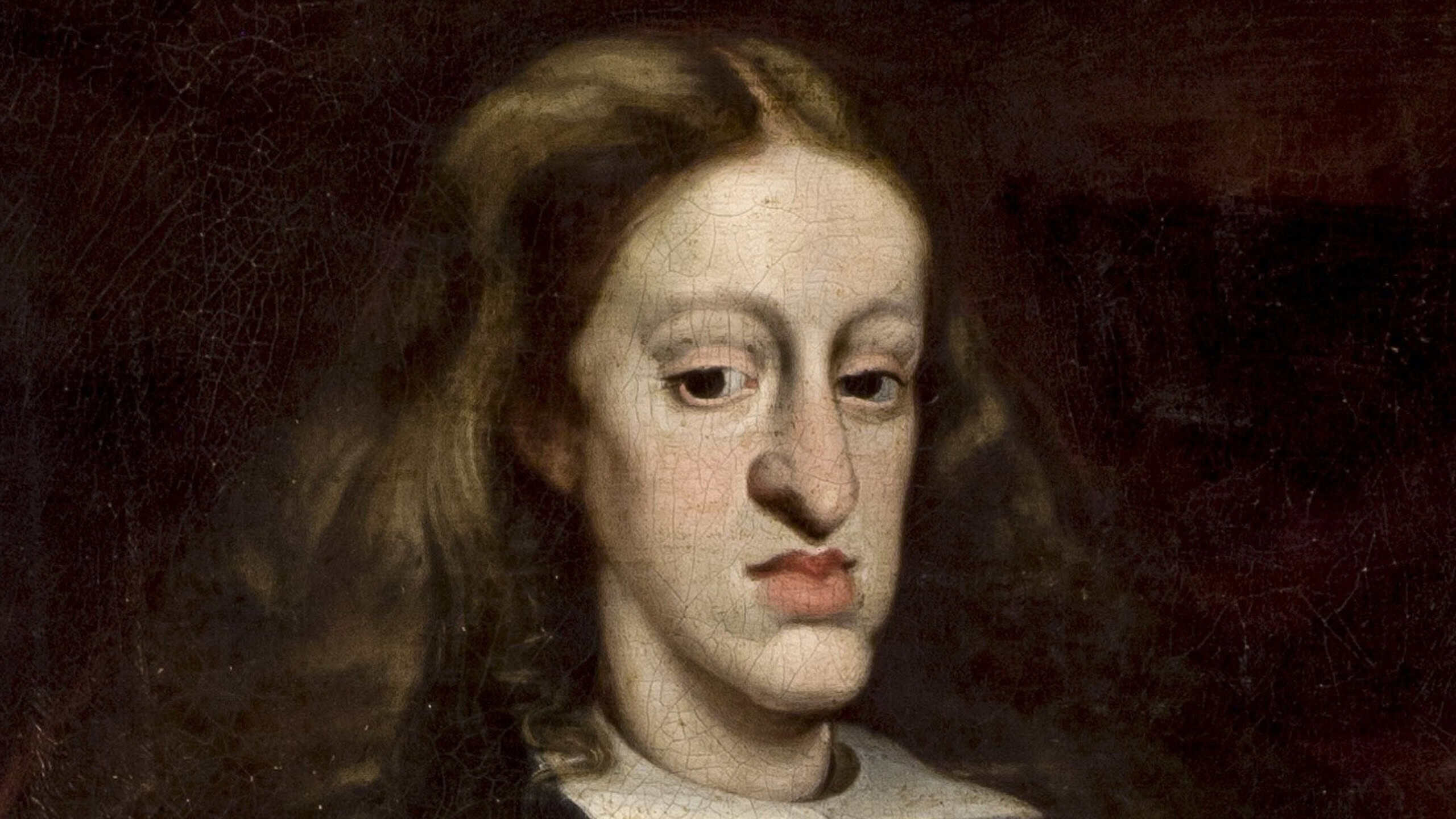
A lot of historical figures are remembered for their power and genius, but then there are the others, the ones that history remembers because they were downright unattractive.
The 15 ugliest historical figures


