

Shopping at the grocery store is looking a little different these days. Healthier options, saving money, convenience, or products more in line with one’s lifestyle or ethical beliefs are all driving the change.
Consumers are looking for options that fit these criteria and those preferences are driving what shoppers are swapping for at the grocery store. Here are 10 swaps that are on the rise. We also give a little insight into the reasons why.
Fresh produce to frozen or canned alternatives
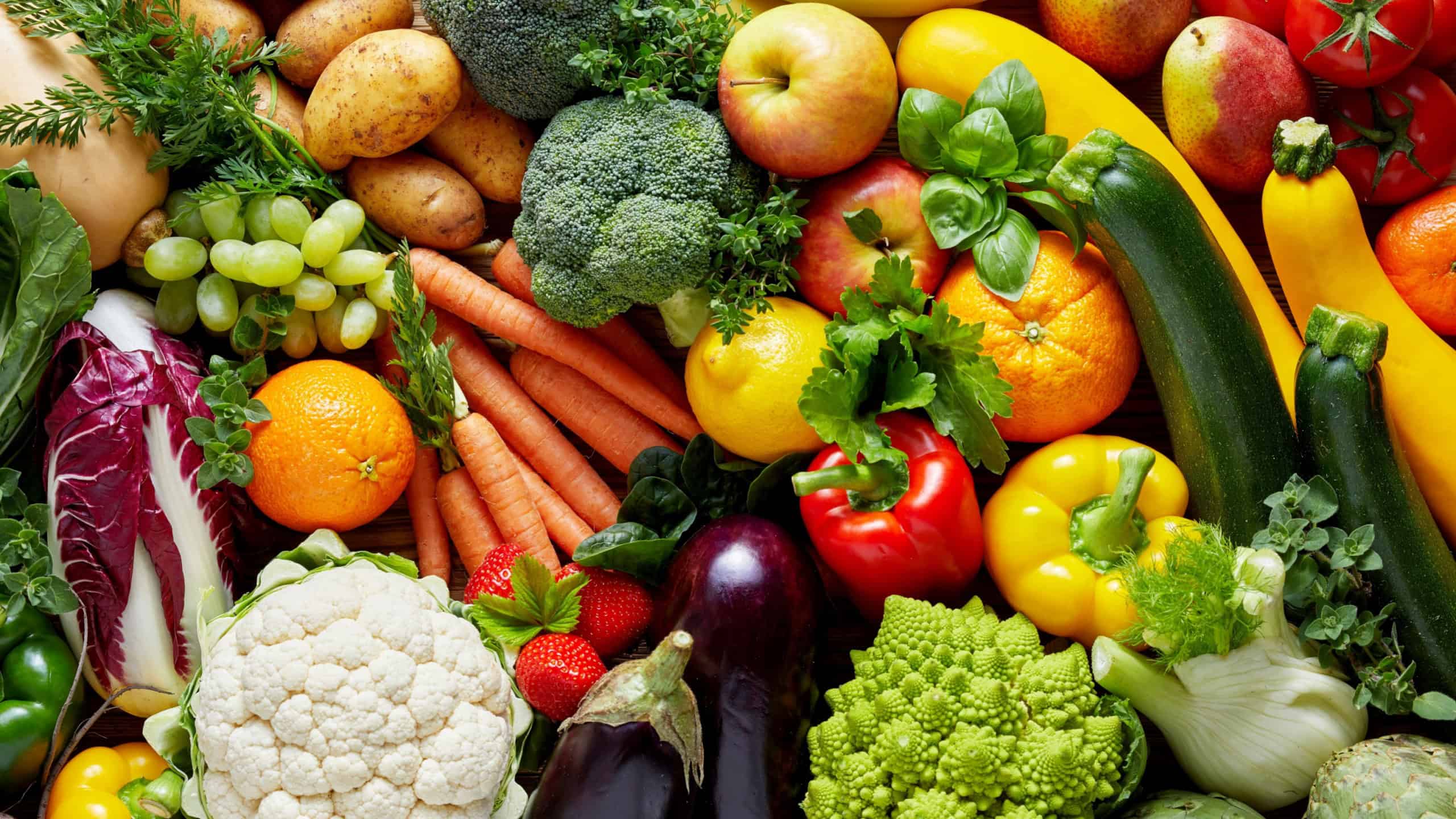
Fresh fruits and vegetables spoil easily, so more consumers are choosing frozen or canned options. They last longer, don’t need special storage and retain much of their nutritional content.
More Americans are turning to frozen fruits and vegetables as an inexpensive, convenient alternative to fresh produce for many top choices, including spinach, berries and mixed vegetables (Bastian, Russell, Roe & Rani, 2024).
Sugary drinks to low-sugar or functional beverages

Consumption of sugary sodas and juices is declining across the U.S. Instead, many people are turning to drinks with less sugar or added value, such as probiotics or electrolytes.
Consumers are more aware than ever about the potential health consequences of too much sugar, including obesity, diabetes, and more.
Because of this trend brands are launching more and more zero-sugar options that keep consumers hydrated and invested in their overall health (Institute of Food Technologists, 2025).
Red meat to poultry or eggs
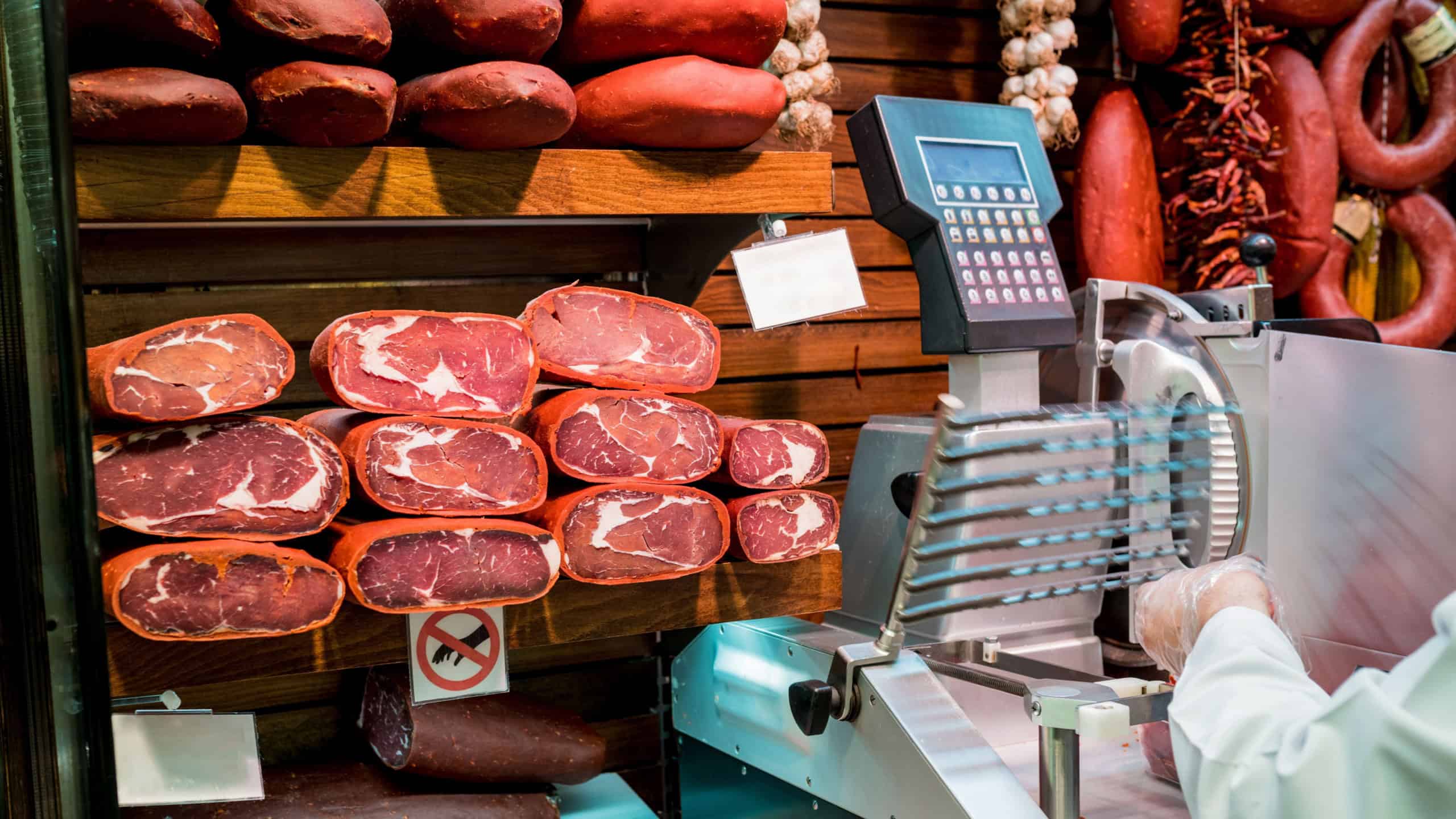
As beef and pork prices rise, consumers are turning to poultry and eggs to meet their protein needs. Poultry and eggs are cheaper and require less cooking.
In the United States, chicken consumption now represents 50% of all red-meat and poultry consumption, suggesting evolving dietary preferences among the US citizens (U.S. Dept. of Agriculture Economic Research Service, 2025).
Name-brand products to private label/store brands
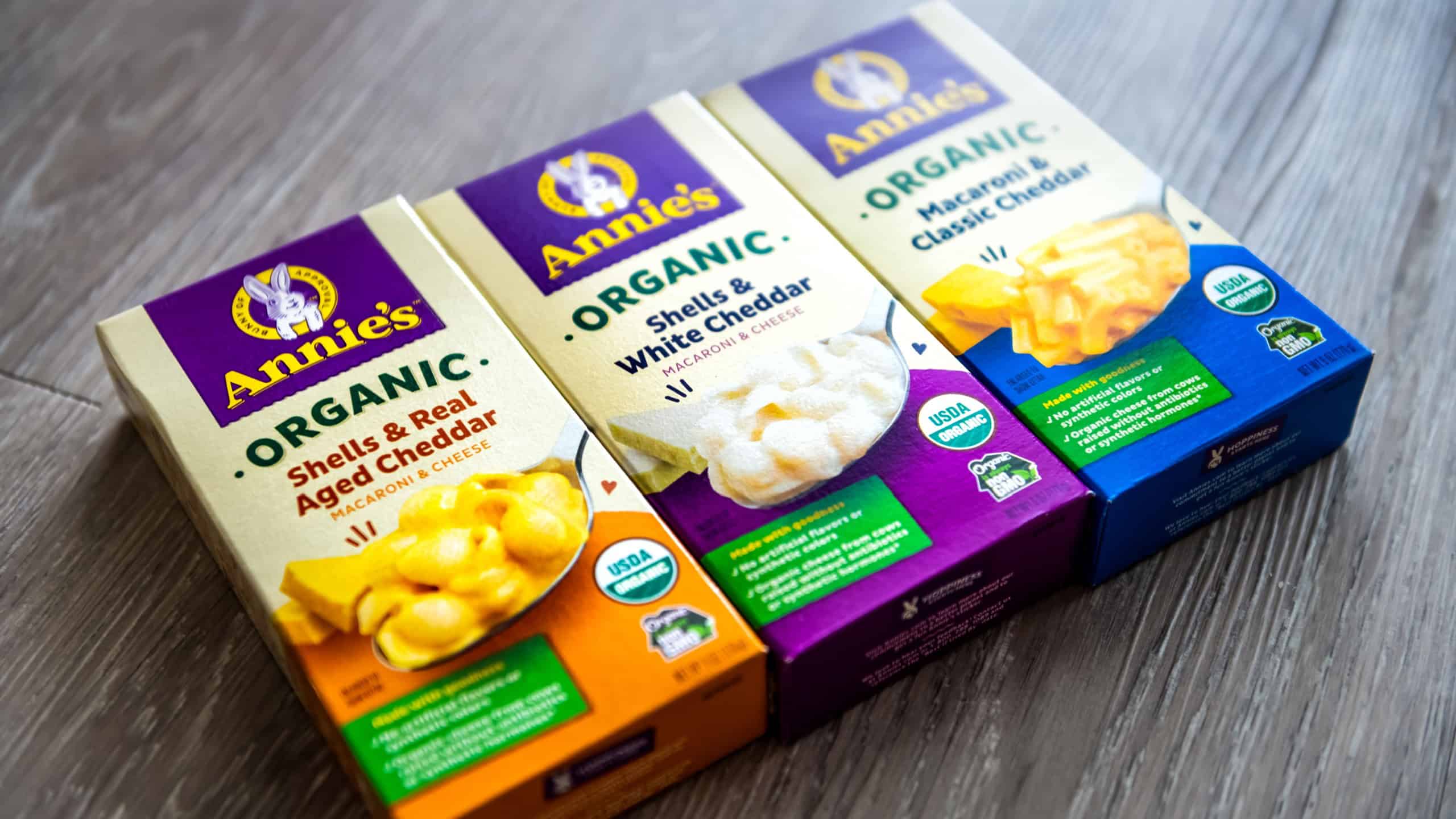
Grocery prices are high, and many people are turning to store brands. These products are less expensive and have the quality most shoppers are looking for.
Surveys show that roughly one in three Americans have switched from national to store brands while basic grocery items, including pasta and dairy products, account for the majority of substitutions.
Traditional dairy or snacks to plant-based or protein-enriched alternatives

Plant-based snacks and protein-fortified snacks are gradually displacing traditional dairy products. These soy yogurts, oat cheeses, and protein bars are now more popular than ever before.
These options can help people feel fuller, add extra nutrients to their diet while bringing down daily dairy intake (Food Institute, 2021).
Refined sugar to natural sweeteners

Customers are beginning to use alternatives like honey, maple syrup, and dates rather than white sugar in an effort to decrease the sugar they consume.
Approximately 69% of adults in the United States claim to be trying to limit the amount of sugar they are eating in an attempt to live a healthier lifestyle (Stagwell, 2025).
Consumers enjoy sweet flavors in their foods and drinks while feeling good about their healthier choices when they switch to alternative sweeteners (Stagwell, 2025).
Creamy pasta sauces to tomato-based or plant-based sauces

In many US homes, mothers are now going for tomato-based or plant-based sauces such as marinara, pesto, and vegan cream sauces, rather than indulgent cream sauces (Consumer Reports, 2024).
Doing so can cut calories and saturated fat, as well as be more eco-friendly (less resource-intensive) because plant-based ingredients often have a smaller environmental footprint.
Potato chips and cookies to functional or cleaner snacks

Snackers are trading down from potato chips and cookies to products made with beans, lentils, or other ingredients packed with protein. Chickpea and lentil snacks are extra filling, with more fiber, protein and cleaner ingredients.
In the U.S., demand for “better-for-you” snacks is increasing as consumers want treats with more substance and fewer empty calories (Glanbia Nutritionals, 2023).
Refined white flour to alternative flours

Home cooks and bakers are using flours like oat, almond, and buckwheat in place of white flour. They are higher in fiber and nutrients and may help support healthy blood sugar.
According to the American Heart Association, white flour is less healthy than whole-grain or alternative flours (2021). They also provide baked goods with a unique texture and flavor.
Traditional milk to non‑dairy milk alternatives

Oat, almond, soy, and other plant-based milks are quickly gaining traction over cow’s milk. In 2022, 42% of US households purchased plant-based milk, with oat milk having the highest growth rate (U.S. Department of Agriculture, Economic Research Service, 2022).
Reasons for making the switch range from lactose intolerance, to animal welfare, or environmental concerns to simply preference in taste.
Sources: Please see here for a complete listing of all sources that were consulted in the preparation of this article.
Related Articles:


