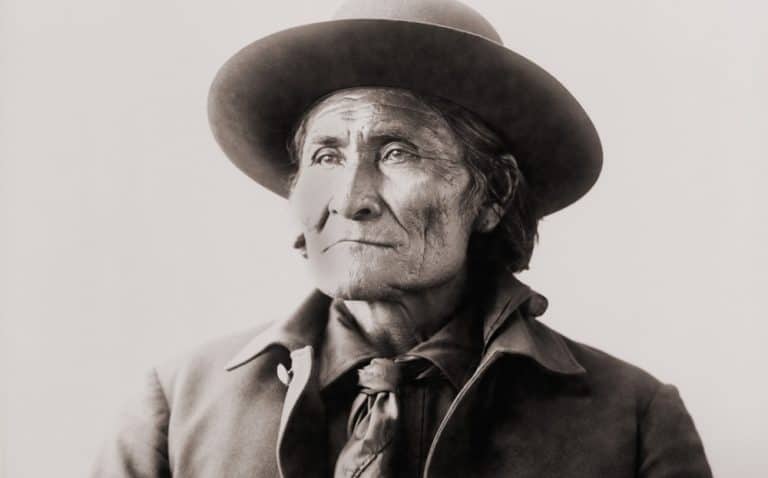

His name became a battle cry for generations, but the reality of Geronimo’s life was much more nuanced than legend.
Geronimo wasn’t his real name
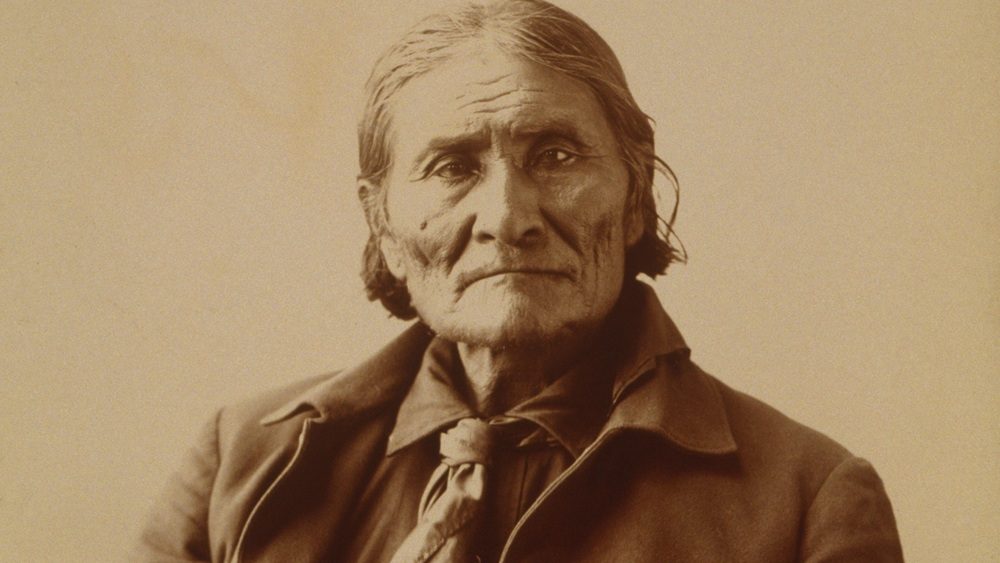
Geronimo was born circa 1829 in what is now western New Mexico, though it was part of Mexico at the time. His Apache name is commonly transliterated as Goyaałé, which most often means “One Who Yawns.”
No one knows for sure how he came to be called “Geronimo.” The most famous tale involves Mexican soldiers praying to Saint Jerome or San Jerónimo in fear during a battle.
He was Apache, but he wasn’t a tribal chief
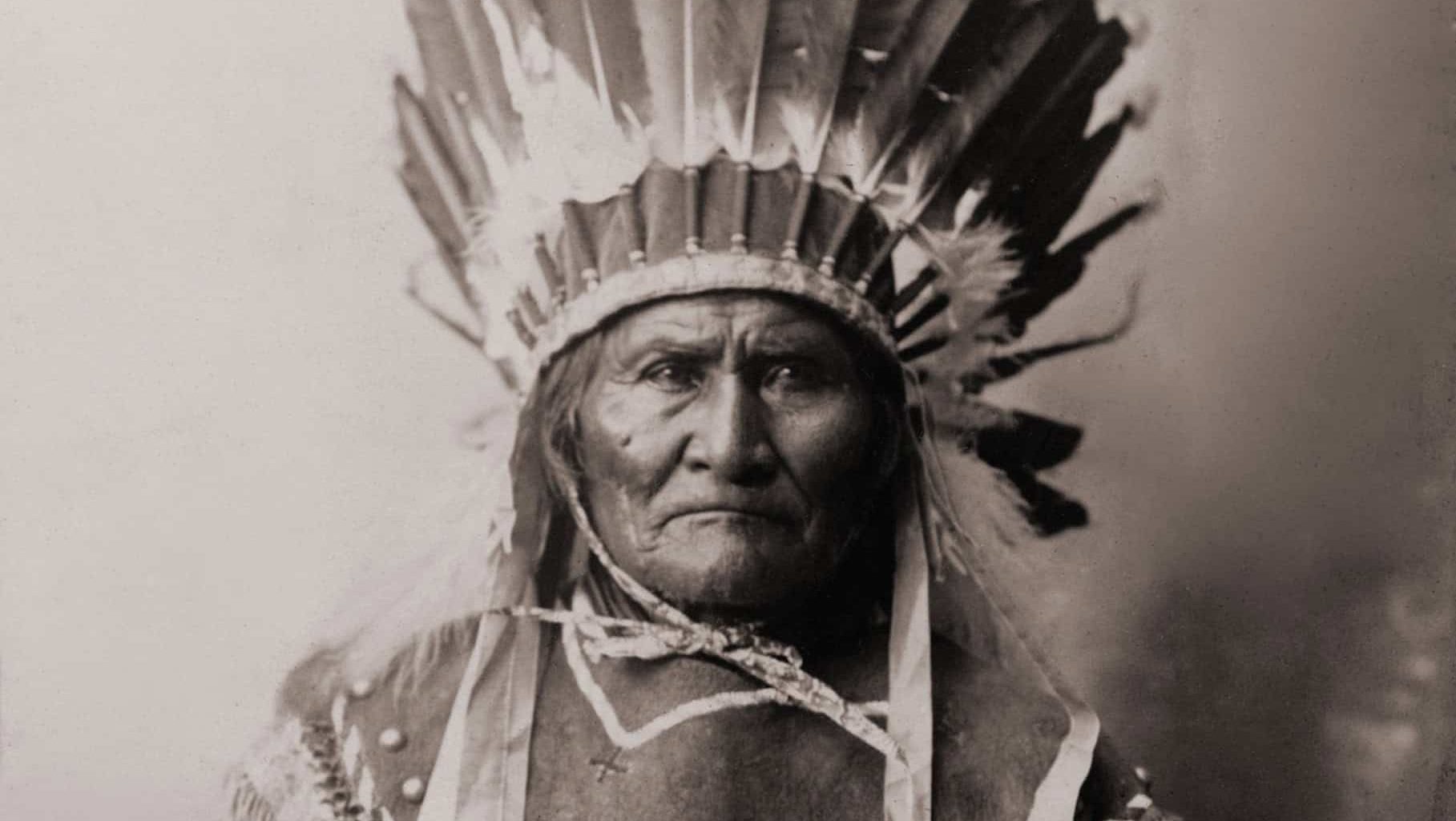
Geronimo was a member of the Bedonkohe band of the Apache tribe, but spent much of his life among the Chihenne and Nednhi Chiricahua Apache bands. He has often been referred to as “Chief Geronimo” in popular culture, but he was never a chief (hereditary or otherwise) as Cochise was.
Geronimo acquired authority because of his prestige as a warrior, raider, medicine man, and most especially as one of the most relentless warriors of resistance.
The killing of his family transformed his life

Geronimo claimed that sometime around 1851, Apache men were trading near Janos, Mexico, and when they were away, Mexican soldiers attacked their camp. His autobiography claims his mother, wife, and three small children were killed in the attack.
He said he returned to find them dead, and it had a huge impact on him. From then on, he frequently raided and fought with Mexicans, and vengeance became a major theme of his life story as he told it.
He believed he possessed spiritual power

Geronimo was not only respected as a warrior. He boasted supernatural or spiritual powers, such as precognition and safety from harm in battle. Many other Apaches also credited him with extraordinary spiritual powers. This helped him gain authority without formal chiefly power and led to his near-mythical status.
He repeatedly escaped reservation life

In the 1870s and 1880s, the U. S. government tried to settle Chiricahua Apaches onto reservations, like the San Carlos Reservation in Arizona. Life and restrictions there caused intense frustration. Geronimo continually broke out with groups of others and fled into the mountainous borderlands of Mexico. Then they’d avoid soldiers and sometimes stage raids before returning to isolated mountains.
Thousands of soldiers were eventually involved in pursuing a tiny group
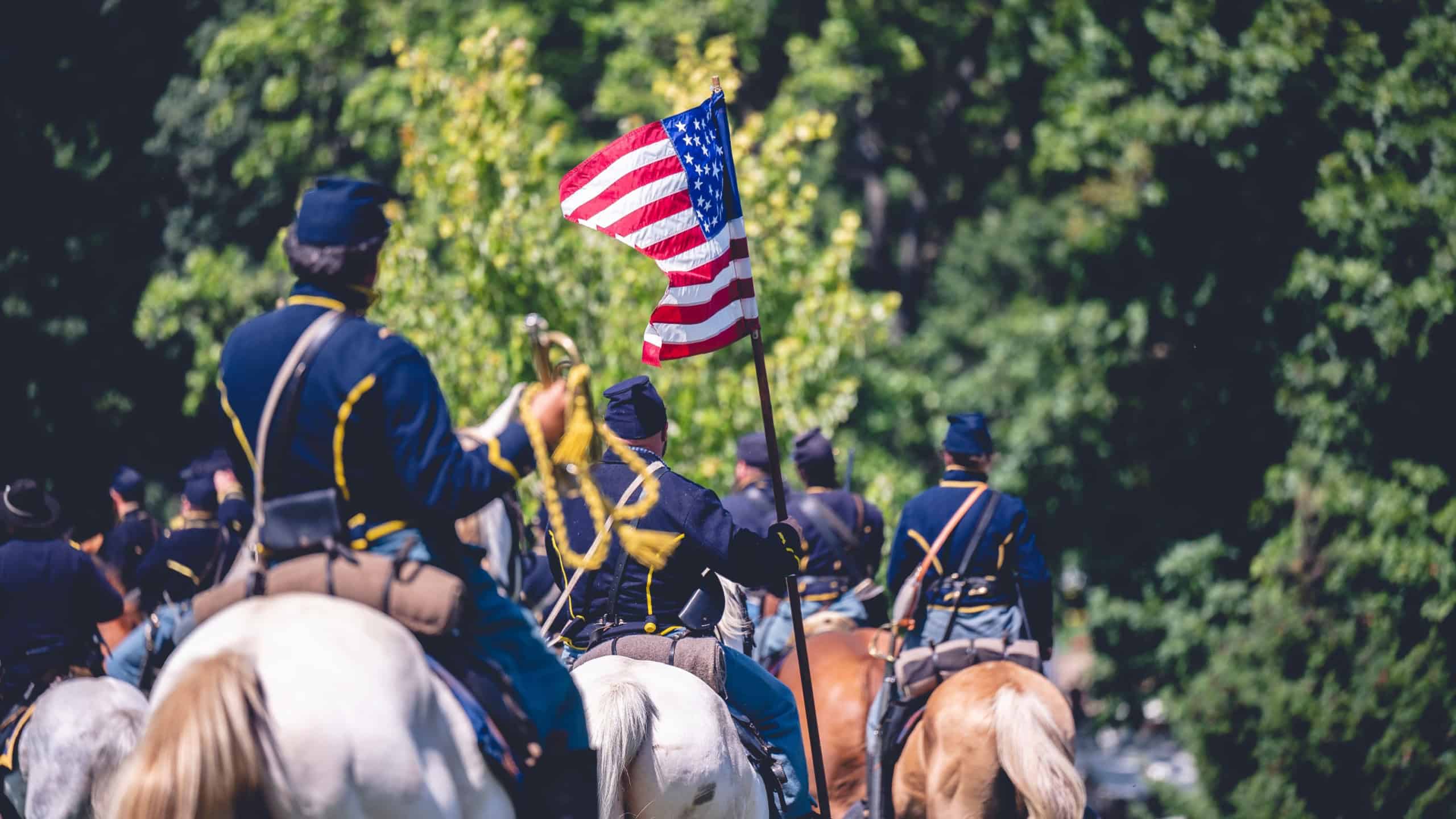
By 1886, Geronimo’s force had dwindled down to only about three dozen men, women, and children, with fewer than 20 being fighting men. Thousands of U. S. soldiers were deployed in Arizona, New Mexico, and northern Mexico searching for them. Their ability to move over huge distances of rugged desert and mountain country made Geronimo’s band very difficult to track down.
His final surrender came in 1886
After years of fighting, Geronimo met the representatives of Brigadier General Nelson Miles at Skeleton Canyon in Arizona Territory, and he surrendered on September 4, 1886. He and his band had been chased relentlessly and were running low on options.
His surrender is popularly considered the end of significant armed Apache resistance to westward expansion by the United States, but putting the entire Apache experience into that event would be far too simplistic.
Even Apache scouts who helped the U.S. Army were punished afterward

A sad chapter of the story occurred following Geronimo’s surrender. Despite the assistance of Chiricahua Apache scouts who served with the U. S. Army in pursuing Geronimo, many of these scouts, as well as other Chiricahuas, were sent east as prisoners of war.
Geronimo and other prisoners were first sent to Florida, later transferred to Alabama, and finally assigned to Fort Sill in Oklahoma Territory. Many never returned to their homeland in the Southwest.
He became a celebrity while still a prisoner of war

In his later years, Geronimo became one of America’s most famous Native Americans. He appeared at fairs and expositions, sold photographs and trinkets, and participated in Theodore Roosevelt’s 1905 inaugural parade. Sometimes tourists would pay him for his autograph or purchase souvenirs from him.
The amazing irony of this was that America was making Geronimo into a celebrity at the same time that the government considered him an official prisoner of war.
He died without being allowed to return to his homeland
Geronimo asked repeatedly to return to Arizona but was never allowed to settle there permanently by the U.S. government. He spent his final years farming, making public appearances, and converting to Christianity, although there are reports that certain aspects of his old beliefs were still maintained by him.
Geronimo died on February 19, 1909, at Fort Sill at the age of approximately 79. He was buried on post in the Apache prisoner-of-war cemetery instead of being sent home to the Southwest he fought for.
Sources: Please see here for a complete listing of all sources that were consulted in the preparation of this article.
Like our content? Be sure to follow us.
10 Native American stereotypes, as seen by Native Americans

Movies, textbooks, and popular culture have created plenty of myths about Native Americans that refuse to disappear.

