Life before touchscreens was so different. And that included everyday life, which involved a bunch of odd gadgets that kids had to actually use, even though some of them don’t make sense in hindsight. Here are ten forgotten household items that kids used. Which of these do you remember?
Featured Image Credit: Shutterstock.
Skate key for clamp-on skates
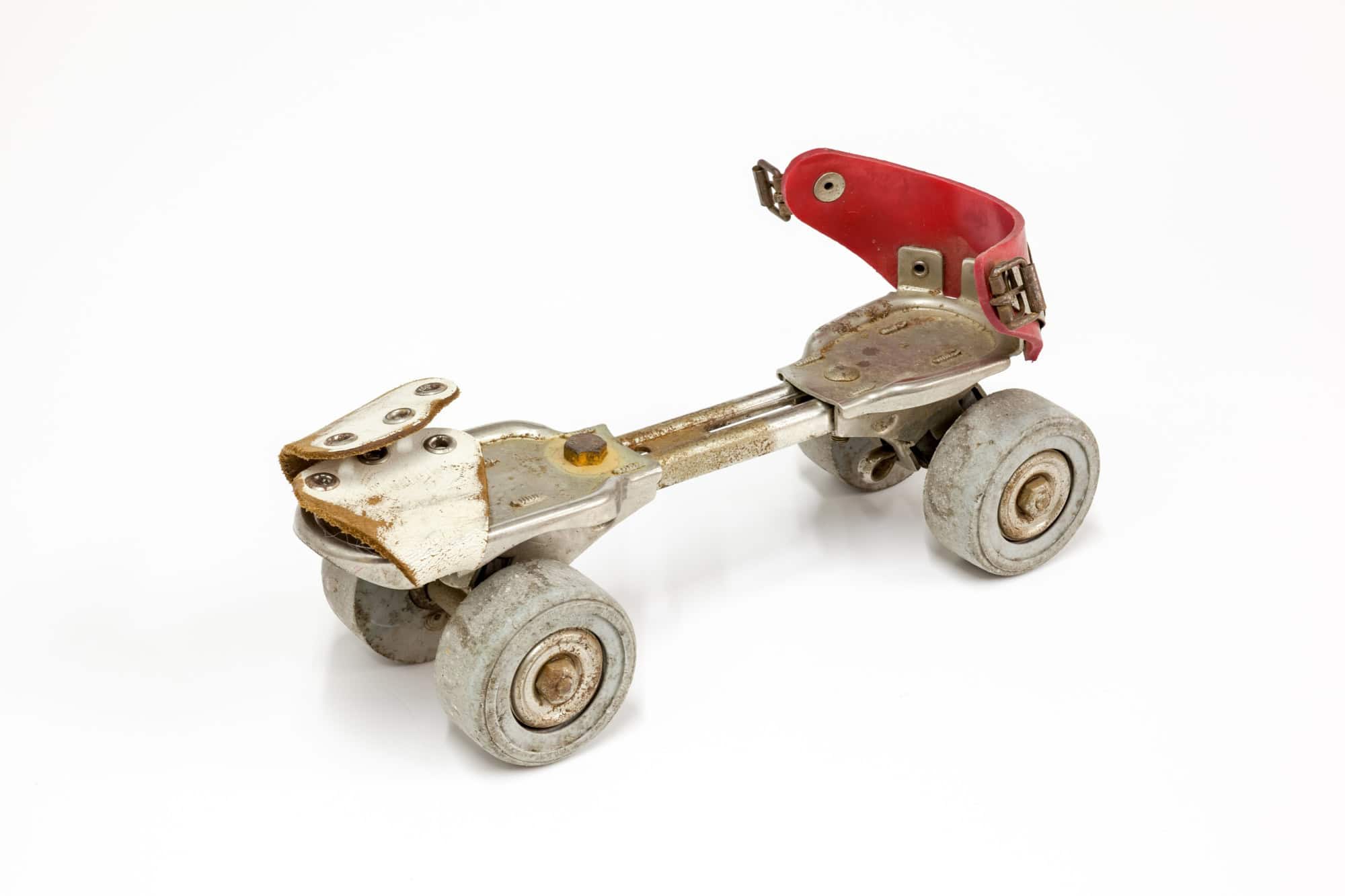
Since plastic rollerblades didn’t yet exist, kids would wear metal skates that clipped onto their shoes. They’d hang a skinny key around their necks & would be ready to tighten the clamps when they slipped loose mid-ride. After all, the skates stretched to fit your shoes. That meant the key mattered, so without a key, you couldn’t skate. Most kids adjusted them on the sidewalk.
Standalone VHS tape rewinders
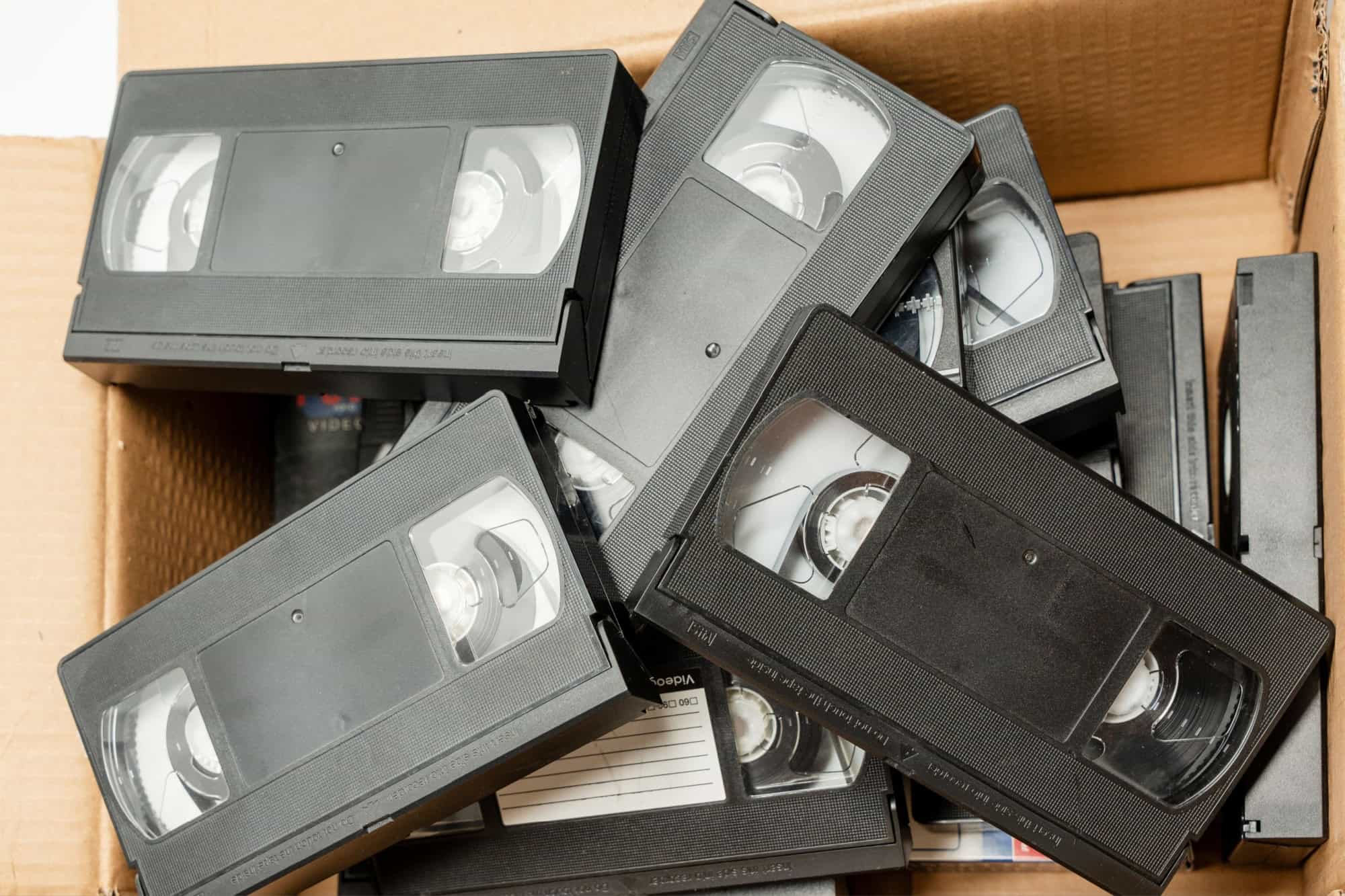
A rewinder box was a single-purpose machine that did nothing but rewind a VHS tape. Rental stores would fine you for returning tapes unwound, so every house that rented movies had one, and kids loved using them. They whirred rather quickly & clicked when they were done. By using them, you saved the VCR from extra wear and tear.
Hornbooks for first reading
Sure, hornbooks looked like mini paddles, but they weren’t for swatting anyone. Kids would put a printed alphabet sheet under a thin layer of horn & hold the handle while sounding out letters. It was something they’d practice at home, over & over, before books were cheap. It was their first study tool, long before workbooks existed.
Slide rules for homework

Slide rules also helped with homework. But ask anyone who had to use one and they’ll tell you that they weren’t exactly exciting, as you’d sit there at the table & slide the center bar. You had to squint at the tiny numbers like your life depended on it. Losing your place for just a second meant you’d have to start the whole thing over. Calculators couldn’t come fast enough.
Buttonhooks to fasten kids’ shoes
Getting into buttoned boots used to be quite the process. Rather than fumbling with tiny buttonholes, kids used a small, thin hook to yank each one shut. Most of them threw the hooks in the drawers by the door. Each morning routine involved a lot of comments to “hurry up,” with these little tools making things much faster.
Hand-cranked ice cream freezers

On summer days, the freezer came out, and the ice & salt went in. Guess who was usually stuck turning the crank? Yes, the kids. It took forever, and their arms often got tired, but doing so often meant that these kids got first dibs on the ice cream when it finally firmed up. Somehow, that made the whole thing worth it.
Stereoscope viewers for picture cards

Quite a few families would pull out a stereoscope after dinner, as TVs didn’t always exist. Kids loved grabbing the cards & slotting one in, then peering through the lenses to make the flat image look 3-D. It somehow worked every time. Stereoscope viewers mixed entertainment and education into one simple wooden viewer in the best way.
Carpet sweepers

Kids have always had to do chores, and that includes sweeping the floor. Carpet sweepers made it a little easier. They looked like mini vacuums, yet they ran on elbow grease and were lightweight enough for kids to use. The sweepers picked up crumbs between deeper cleanings. However, these tools disappeared once real vacuums got smaller & cheaper for everyone.
Whirligigs made from thread spools

It didn’t take much to keep kids entertained. With a leftover spool & a piece of string, along with a few quick knots, you suddenly had a spinning toy known as a “whirligig.” It buzzed when you pulled the ends & getting the rhythm right was half the fun. However, whenever you messed it up, the string would knot itself in about two seconds flat.
Magic slates for doodling
Every kid had a magic slate stuffed in the backseat or shoved in a kitchen drawer somewhere, which they’d use to scribble whatever came to mind. Then, they’d peel the film off for a clean slate. Unfortunately, the stylus always went missing first & the plastic sheet never stayed smooth for long, either. But they were a lot more fun than drawing on a tablet.
Sources: Please see here for a complete listing of all sources that were consulted in the preparation of this article.
Like our content? Be sure to follow us.