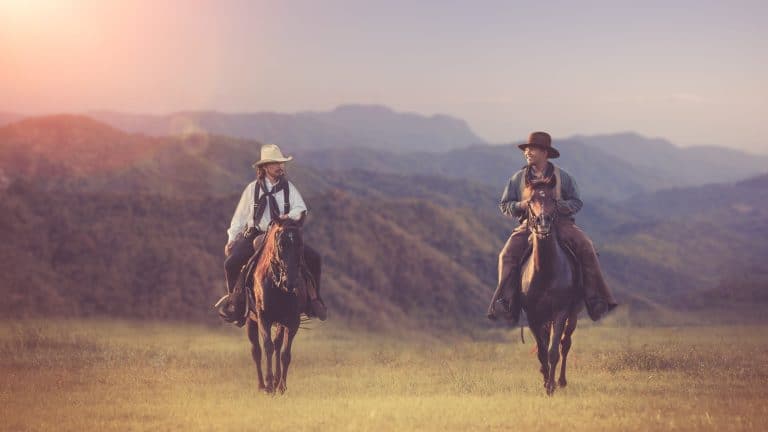

Hollywood Westerns have taught us that life in the Old West consisted of wild, lawless gold rushes, non-stop quick-draw shootouts, and pistol-packing cowboys, but the historical reality is much more complex, surprising, and stranger than fiction.
Camel cavalries
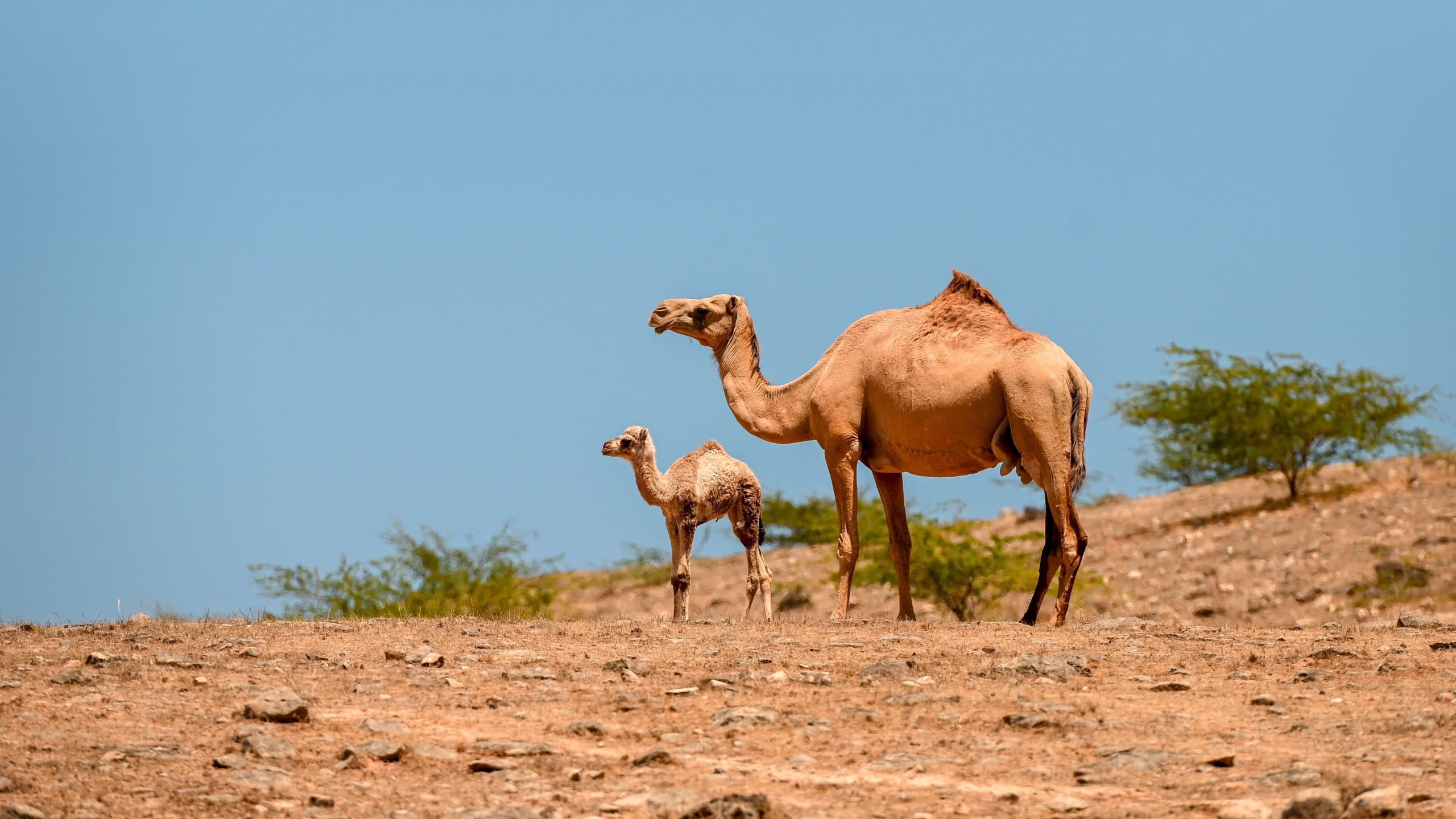
In 1856, the US military deployed the “U.S. Camel Corps” in the Southwest, importing camels from the Middle East to transport goods through Texas, Arizona, and California’s dry deserts.
Camels adapted extremely well to the climate and could travel through such dry land better than any other domesticated animal at the time. However, horses and mules panicked at their presence, and the Civil War soon made camels obsolete.
Strict gun control
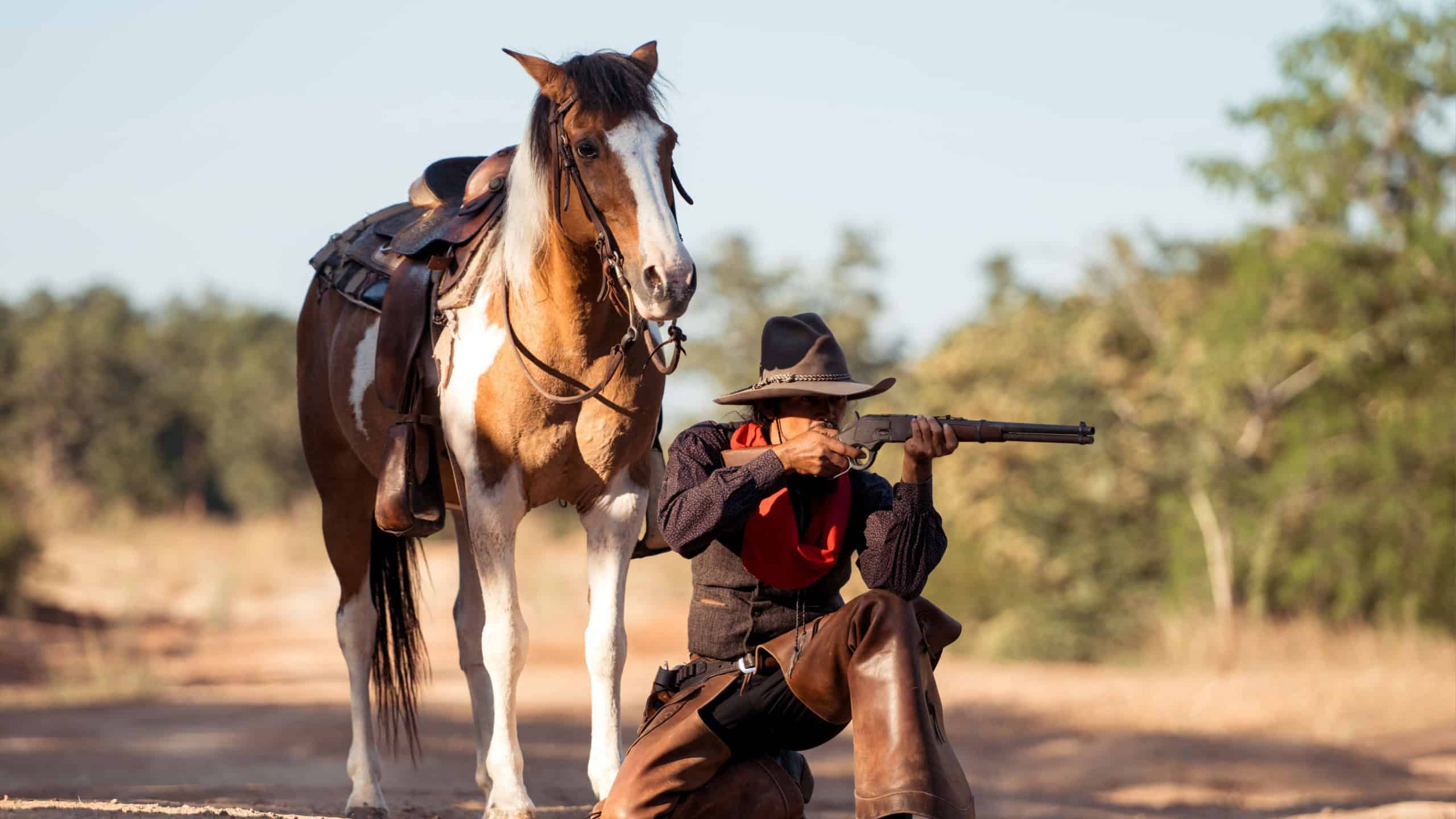
It’s Hollywood legend, not fact, that everyone swaggered through frontier towns with a Colt revolver strapped to their hips. Western boomtowns actually enforced some of the toughest gun-control ordinances in American history.
Legendary towns like Tombstone, Dodge City, and Abilene banned carrying guns within town limits, and required all visitors to turn their firearms over to the town sheriff (or a local hotel) upon arrival.
Diverse cowboys
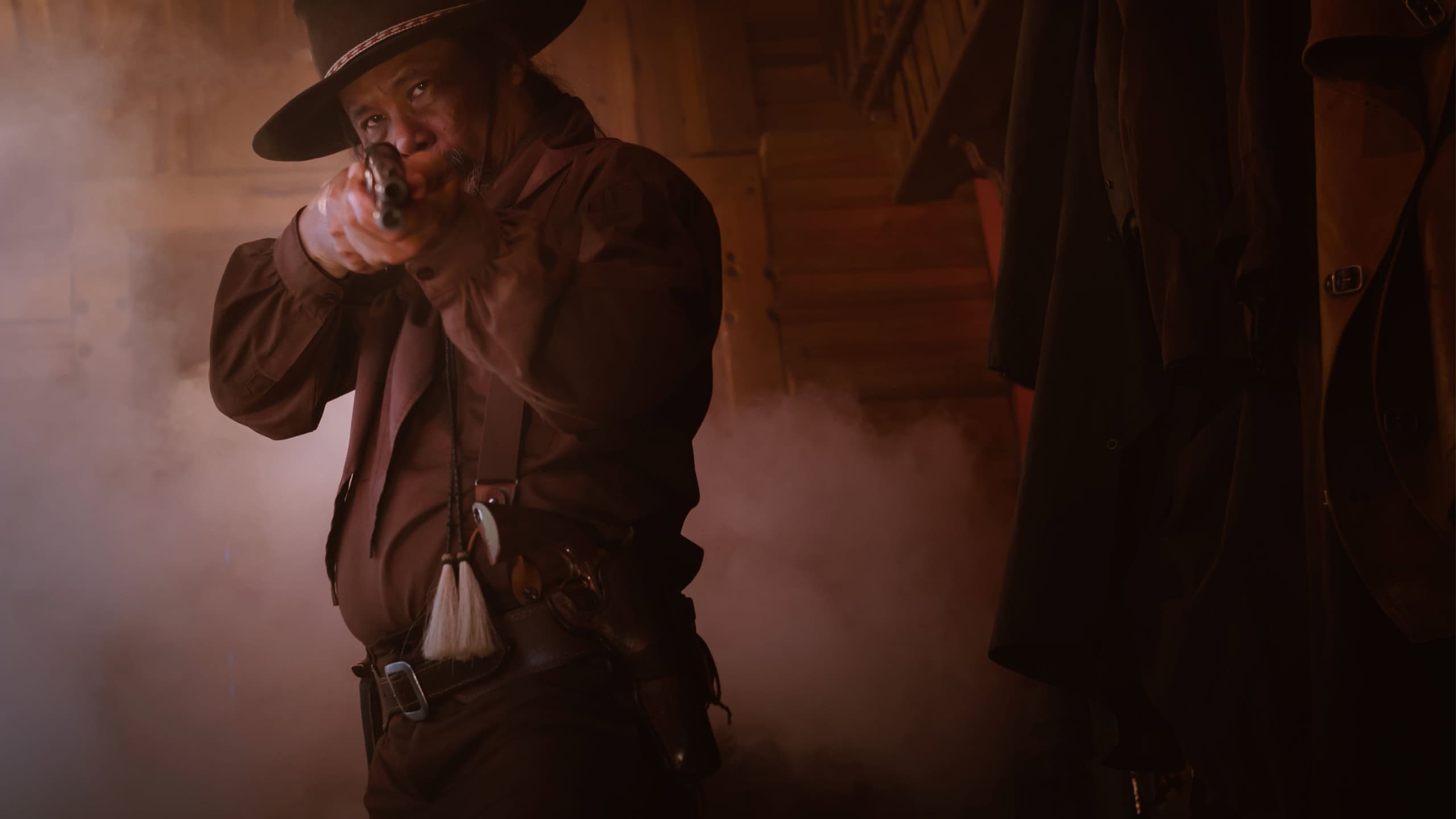
While cowboys are typically portrayed in popular culture as white men, about one in four cowboys was actually Black, and one in four was Mexican vaqueros.
After the Civil War, many freed Black Americans headed west and found that working as a ranch hand was far more egalitarian, independent, and well-paying than sharecropping in the Reconstruction-era South.
Bowler hats
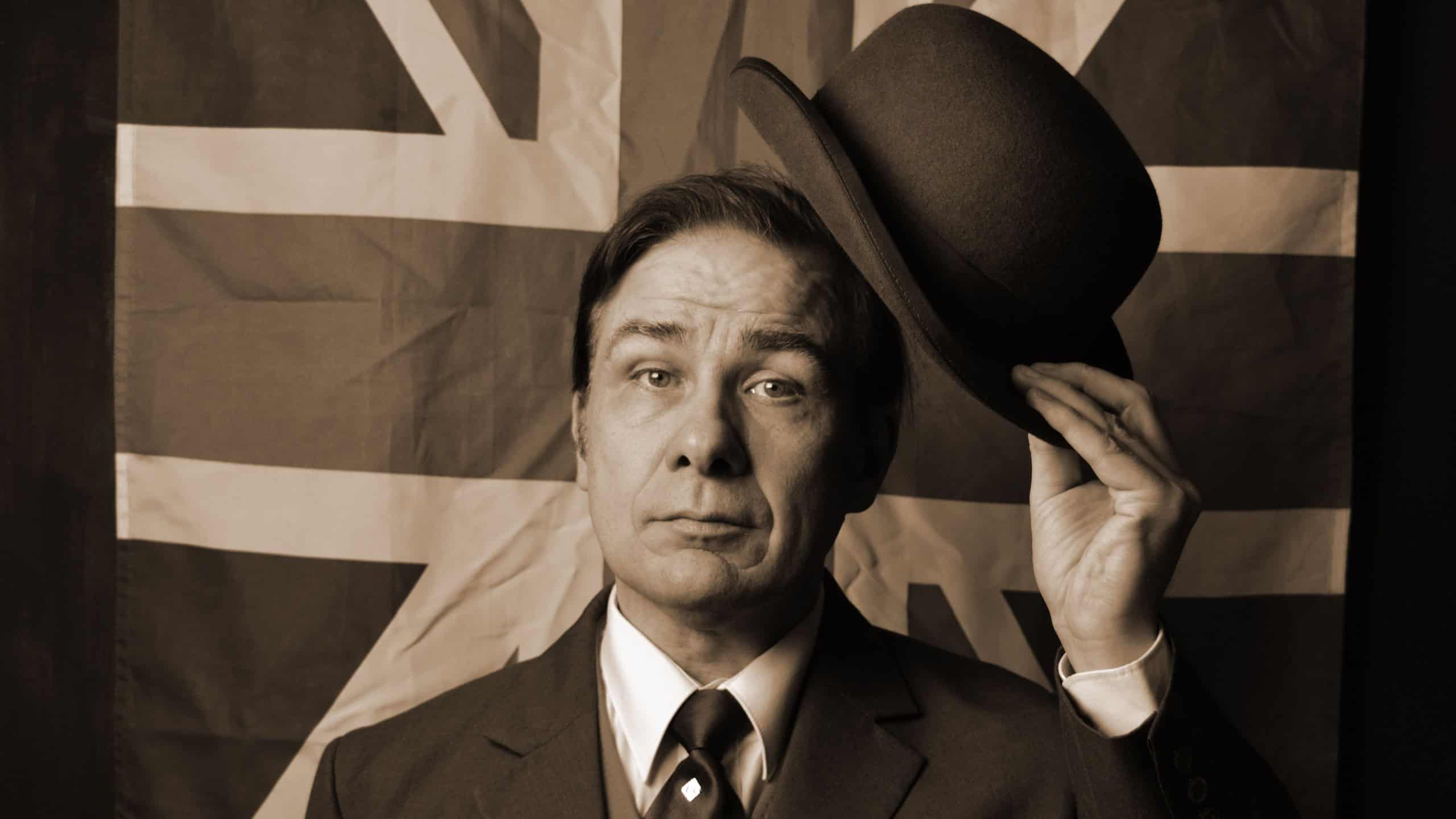
Contrary to popular belief, the ten-gallon hat was actually rarely seen on the frontier. The most common type of hat worn on the frontier was the British-made bowler derby hat.
High-priced Stetsons like the Boss of the Plains weren’t popular until near the end of the frontier period and were too costly for most folks to afford. The tight-fitting derby was inexpensive, long-lasting, and wouldn’t blow off in the wind.
Rare duels
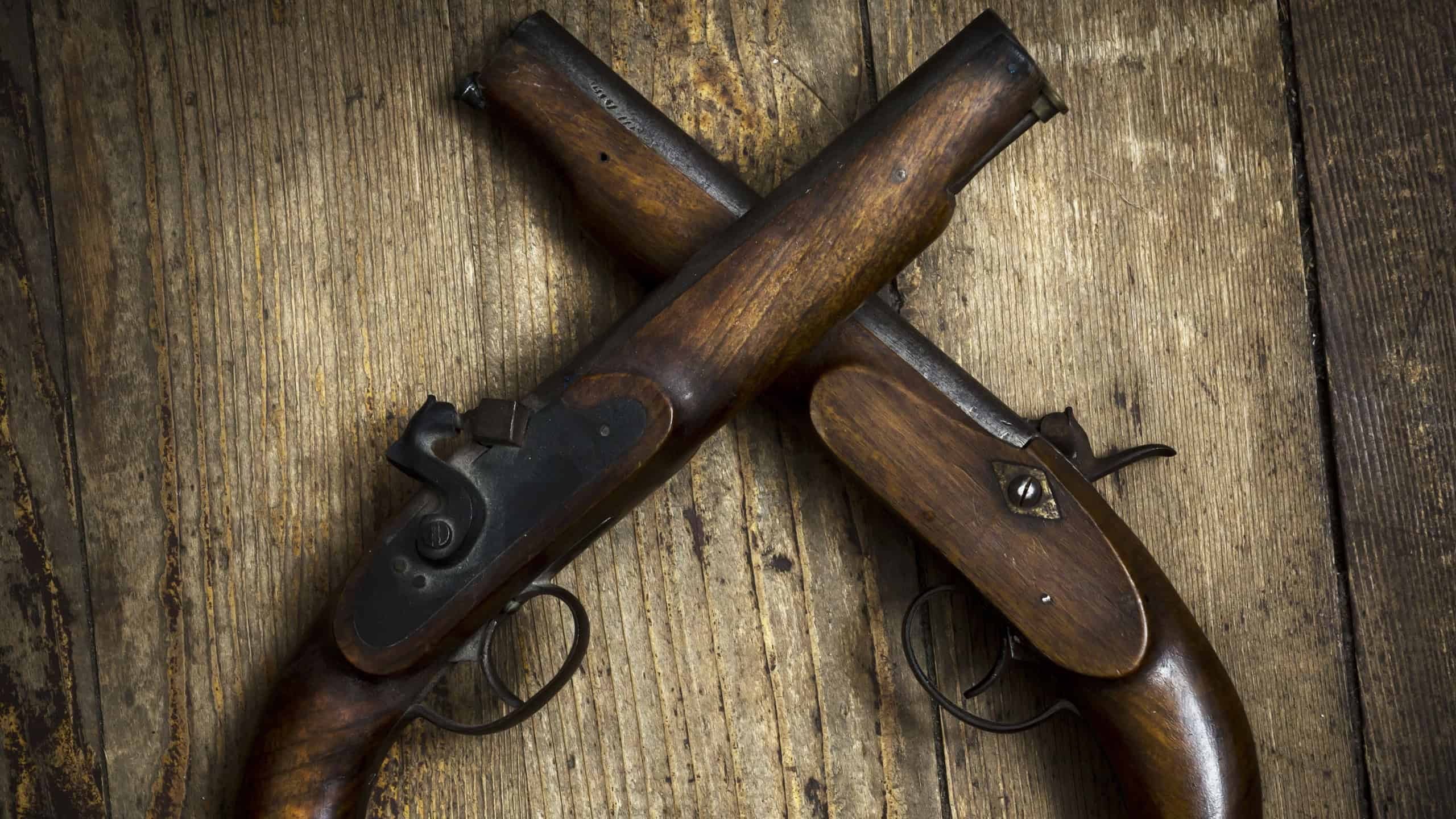
Quick-draw duels shown so often in classic western movies, in which two cowboys meet in the street at high noon and square off for a showdown, were rare in real life.
Instead, most gun-related deaths happened in the confusion of a drunken brawl or during an ambush. Standing two yards away from an enemy and trading shots across that space was more likely to get a cowboy labeled stupid than heroic.
Hispanic Vaqueros
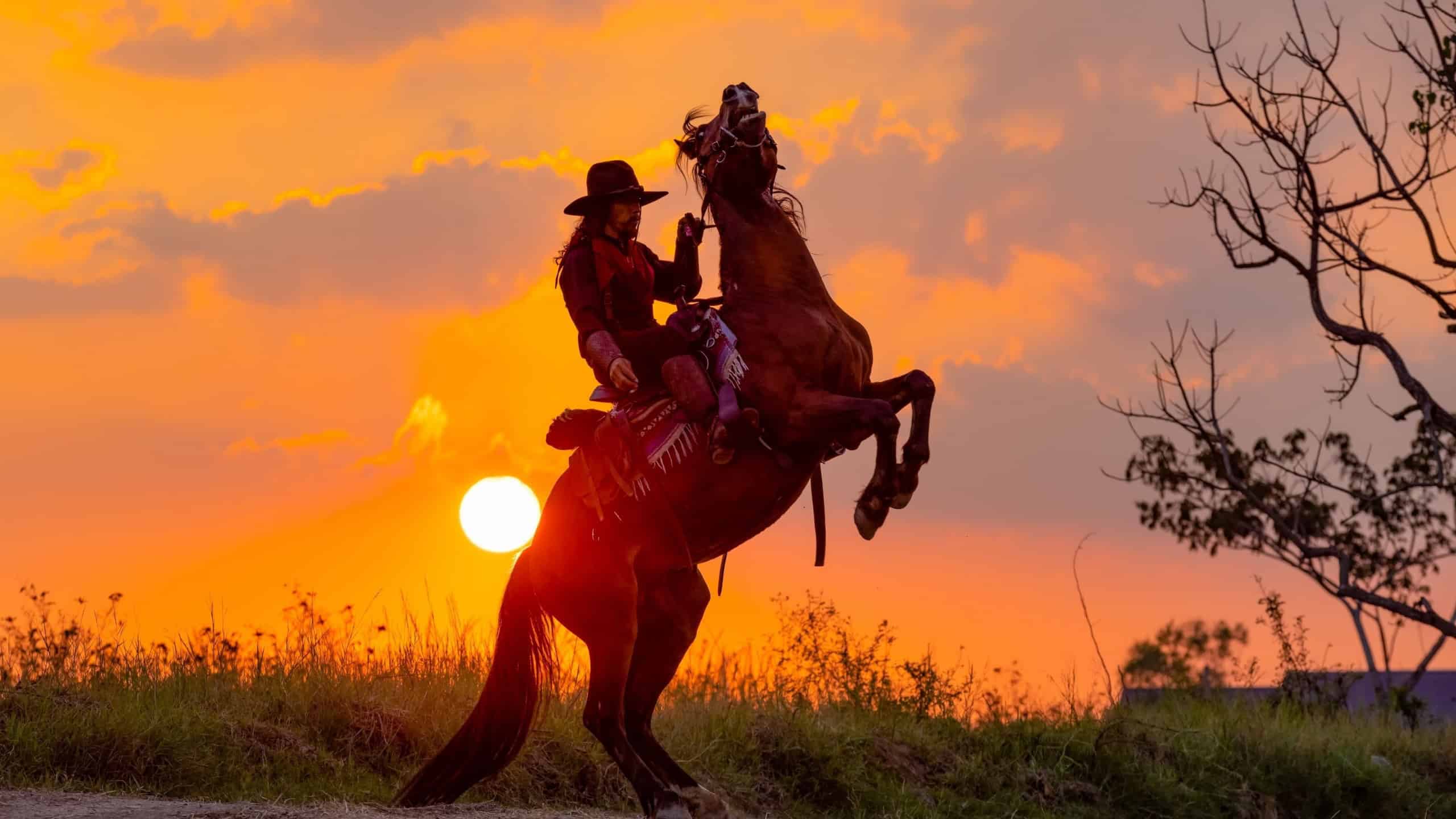
Although contemporary Western mythology claims the cowboy as an American creation, the cowboy tradition originated with the Hispanic vaqueros of Mexico. Hispanic cattle ranchers were using the techniques of open range cattle herding hundreds of years before the first English-speaking colonist set foot in the West.
Americans had appropriated nearly every aspect of the cowboy tradition when they arrived on the scene, including modifying the Spanish lariat into the lasso, chaparreras into leather chaps, and using the vaquero’s heavy spur and high- pommel saddle.
Bank robberies
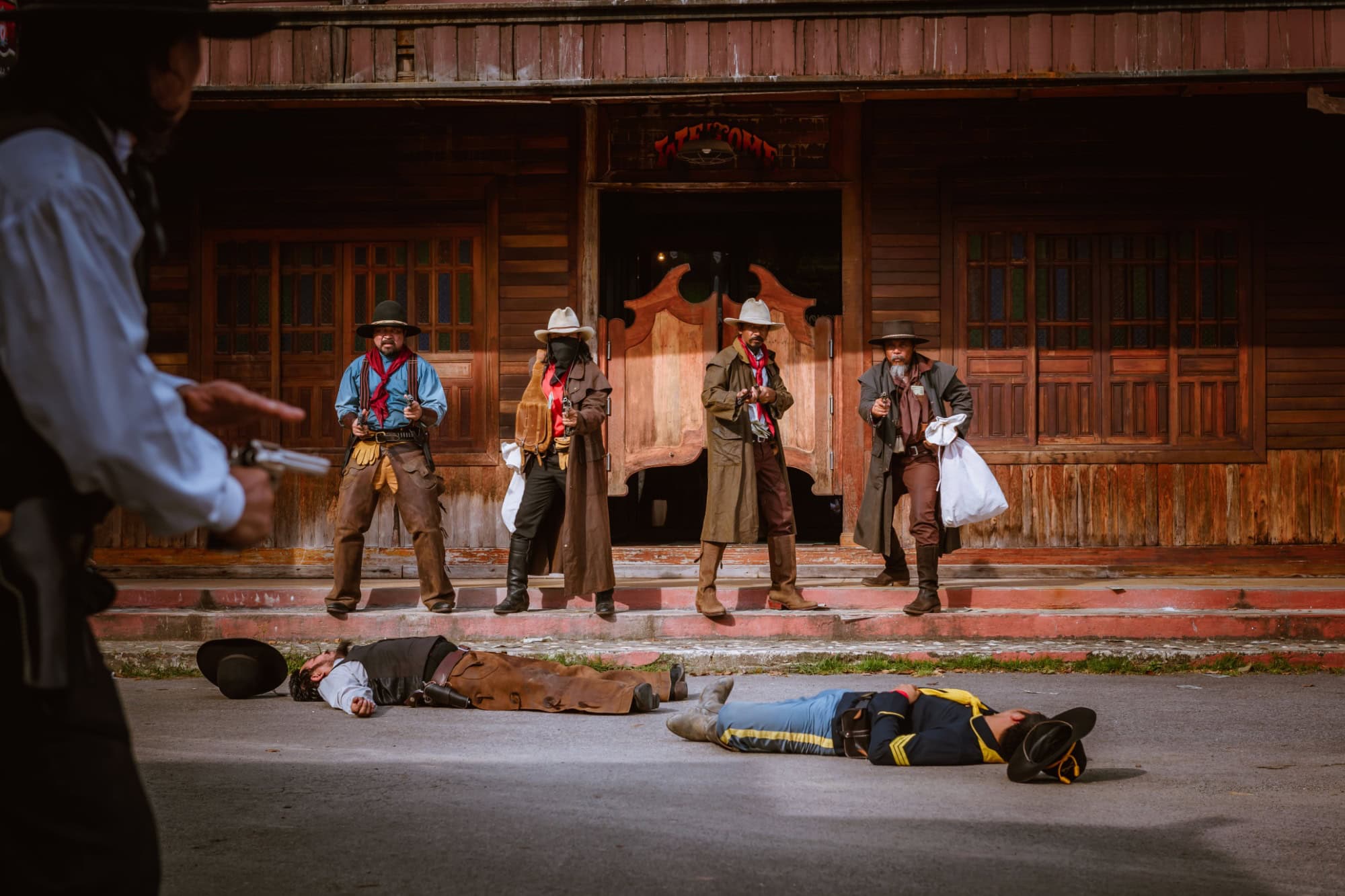
Although Hollywood often shows bank robberies as almost a daily occurrence on the old frontier, actual bank robberies were exceedingly rare.
Some historians believe that fewer than ten actual bank robberies took place in the entire West from 1859 to 1900. Since towns were small and banks were typically located next door to the sheriff’s office in the busiest parts of town, outlaws found it easier to attack isolated stagecoaches and trains on the open plains.
Gold Rush wealth
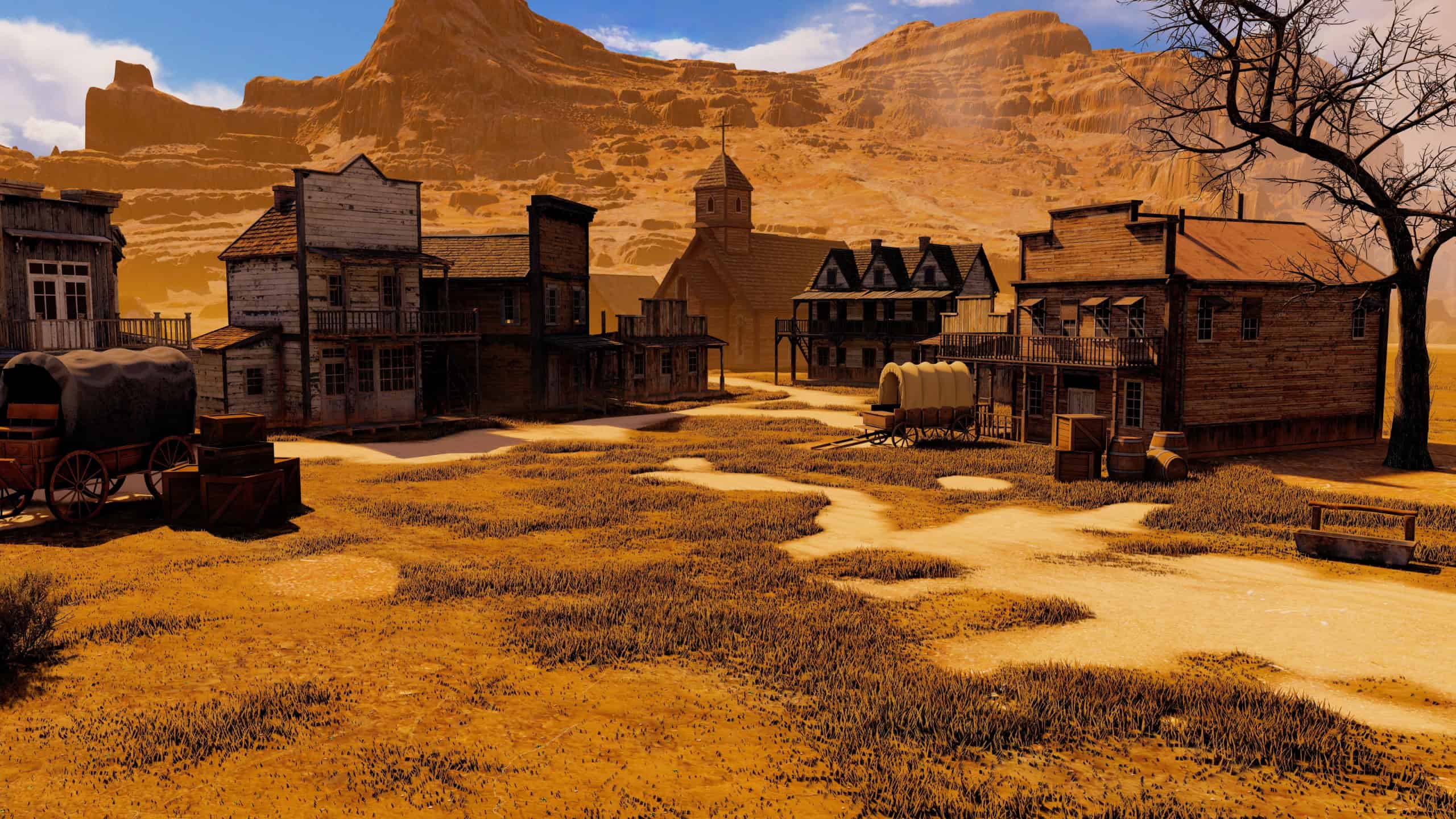
Most of the “Forty-Niners” who migrated to California in 1849 came home penniless. The people who became rich during the Gold Rush were actually the entrepreneurs selling goods to prospectors.
Levi Strauss, who created strong denim jeans for miners, is one example. Samuel Brannan, who made a small fortune by buying every shovel in San Francisco and selling them back to prospectors at a steep price, is another example.
Women’s suffrage
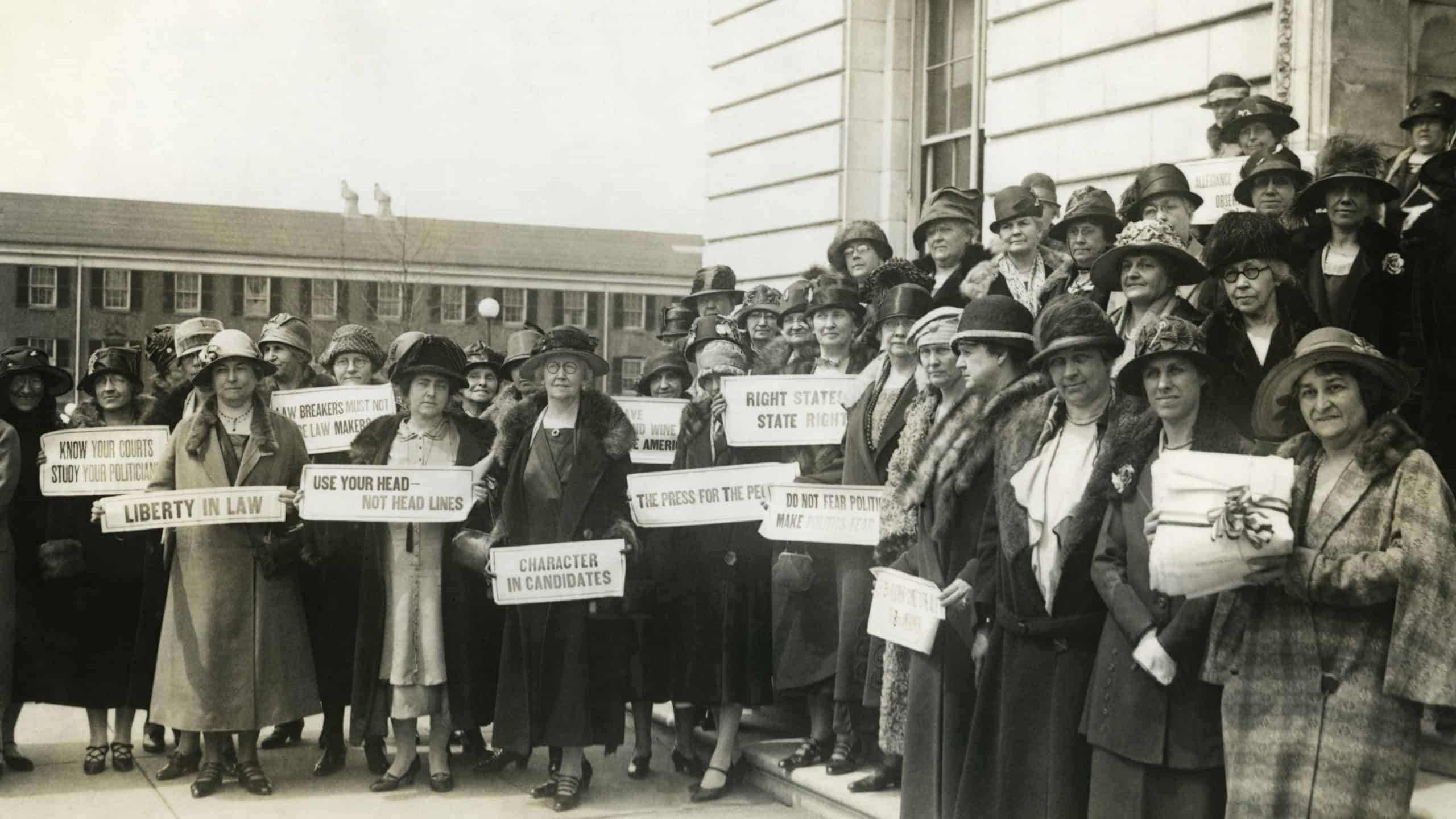
Although it took the Eastern United States decades to grant women the right to vote, America’s western frontiers led the way in gender equality out of practicality.
Wyoming Territory gave women the right to vote in 1869, 51 years before the 19th Amendment, in an effort to encourage more women to come to the West, where women were outnumbered six to one by men.
Native allies
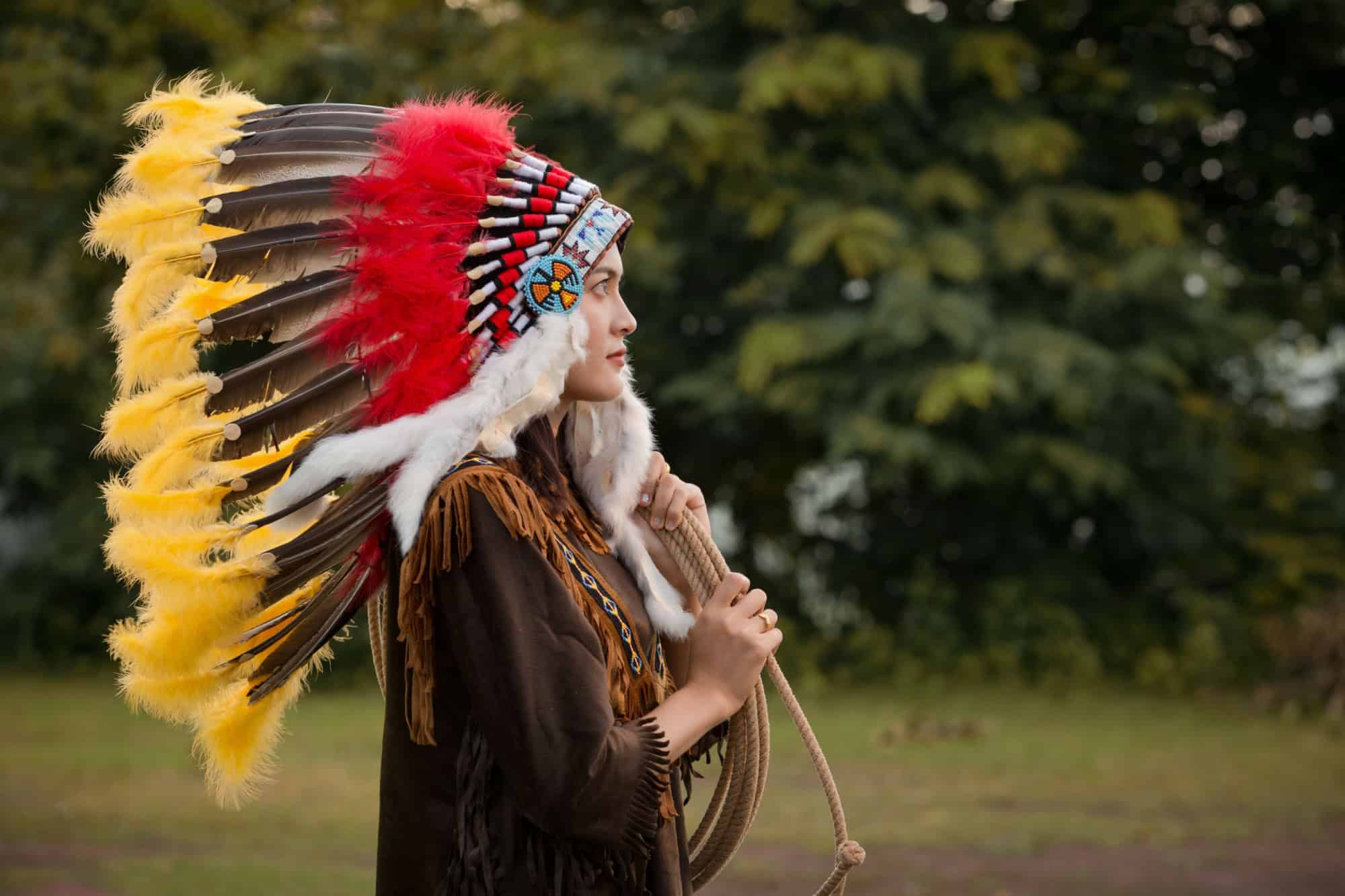
“The Cowboys versus Indians” trope doesn’t take into account the complicated systems of alliances that actually existed throughout the frontier. The US Army employed Indian scouts from tribes such as the Pawnee, Crow, and Shoshone who volunteered to fight alongside federal troops against their traditional tribal enemies like Sioux and Apache.
Bison slaughter
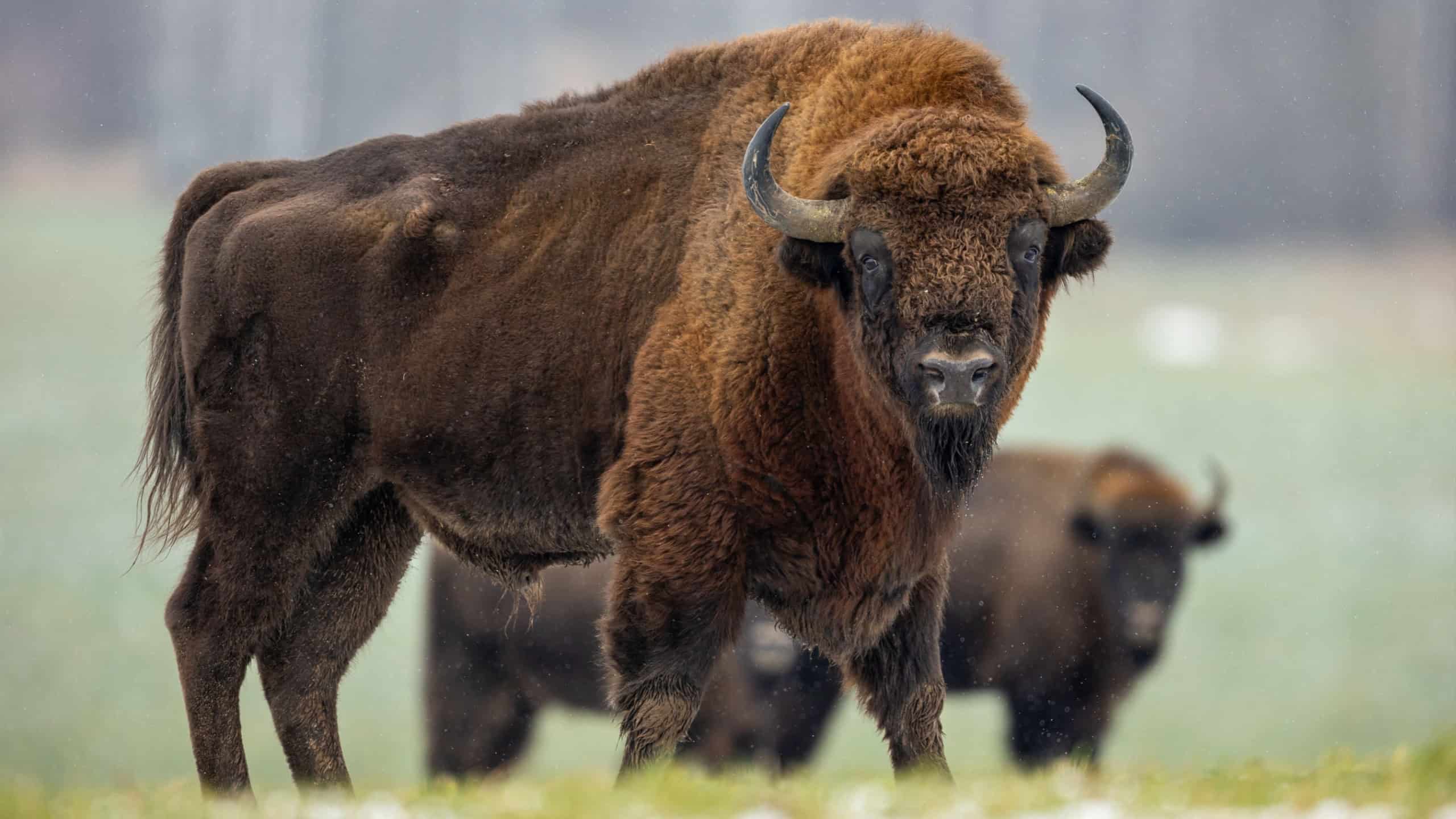
While overhunting played a role in American bison nearly becoming extinct, it was actually an organized effort executed with government approval.
Purposefully rounding up massive numbers of animals and setting commercial hunters loose on them to kill them for their hides starved Native Americans on reservations by taking their primary source of food, clothing, and shelter.
Short pony express
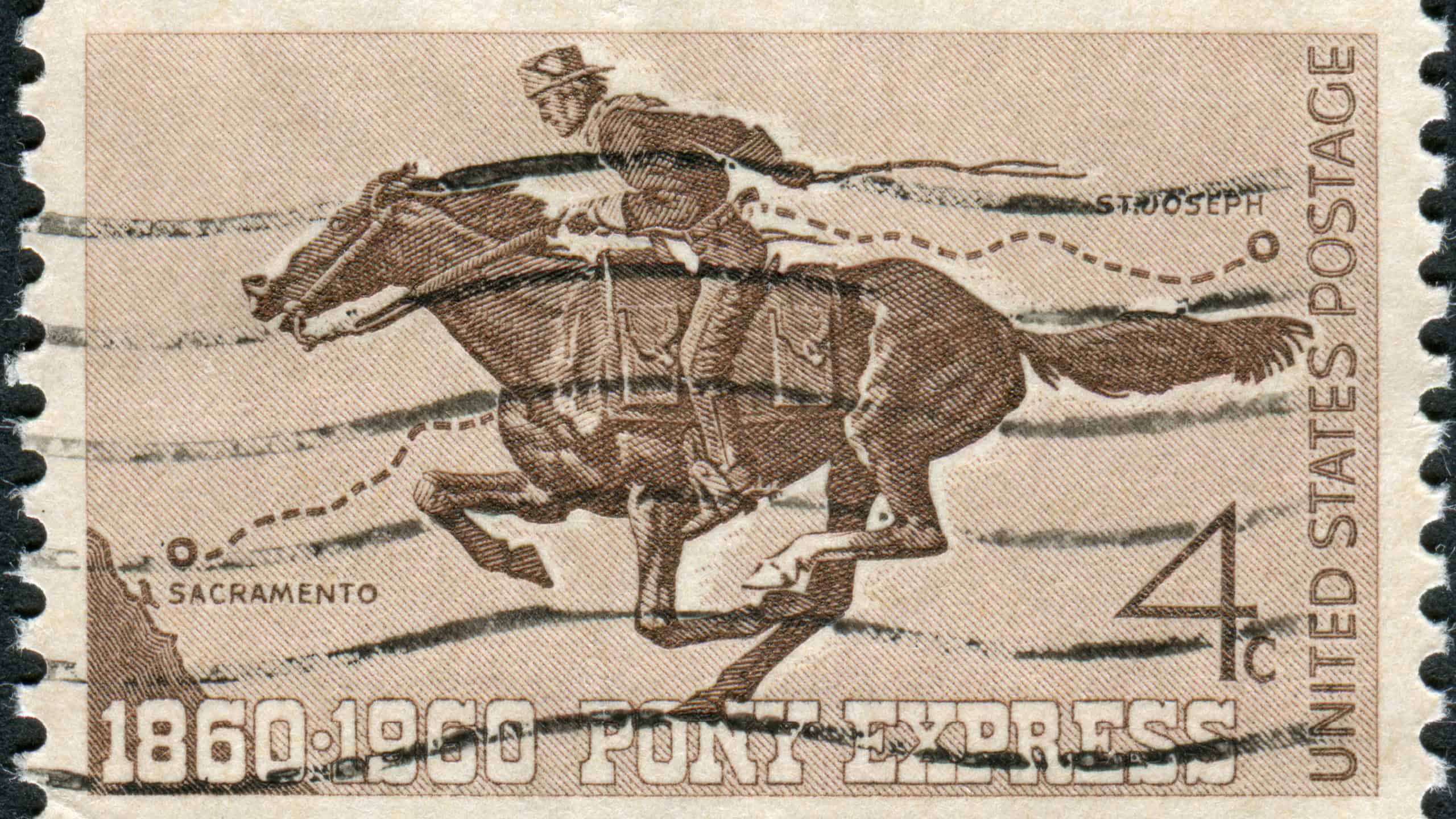
No tales of the Wild West are complete without mentioning the iconic Pony Express mail service, but the entire operation lasted only 19 months total, between April 1860 and October 1861.
Carried out at breakneck speed entirely by horsepower, it was made instantly obsolete and bankrupt by the transcontinental telegraph, which could transmit messages in seconds.
End of the frontier
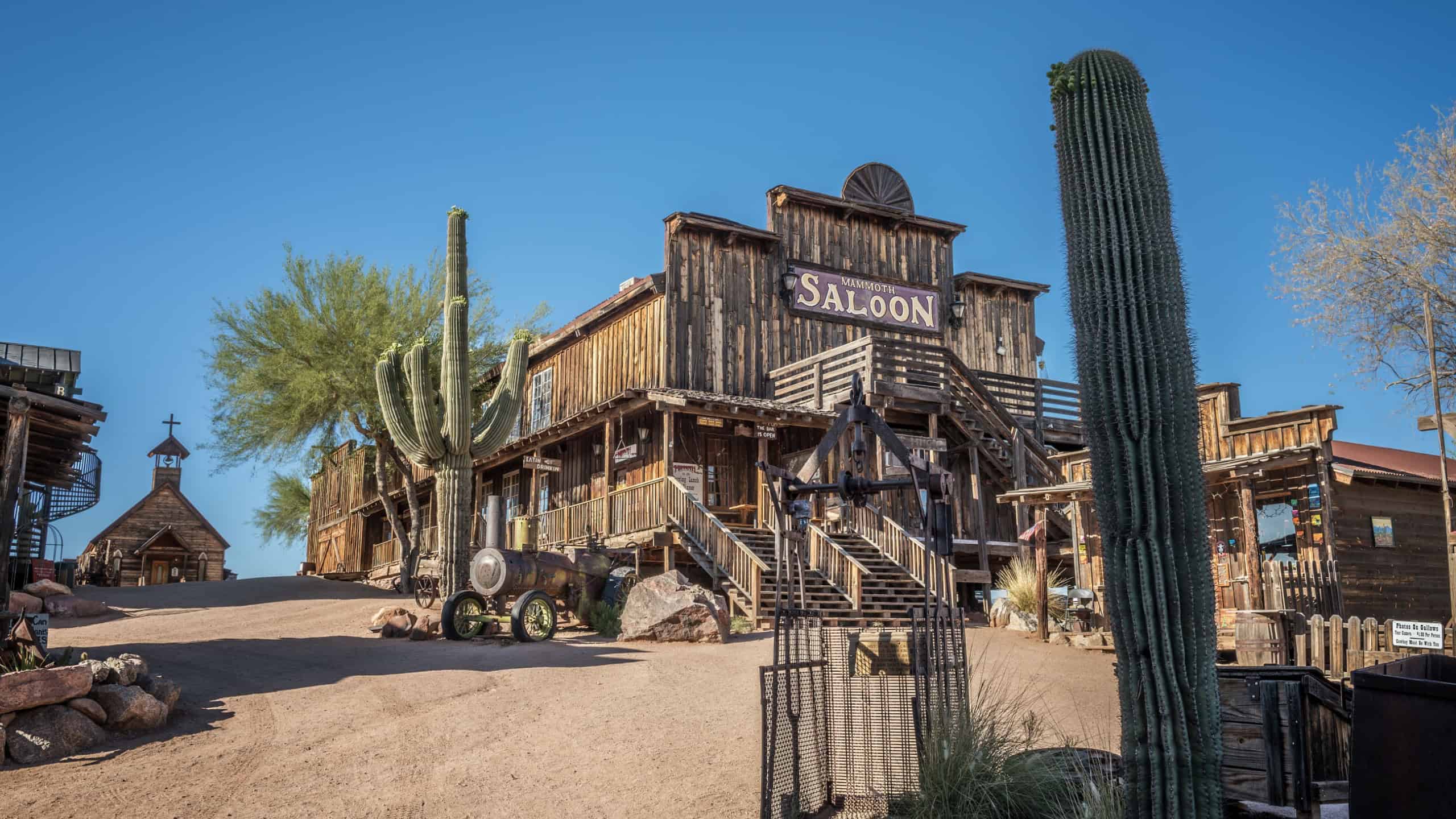
By 1890, railroads, homesteads, and towns had become so dense throughout the continent that the United States Census Bureau announced there was no longer a distinguishable uninterrupted border of unsettled land.
Despite this, there were still large swaths of unsettled wilderness, but this declaration marked the end of the frontier as a whole. Most historians mark this as the closing of the frontier.
Sources: Please see here for a complete listing of all sources that were consulted in the preparation of this article.
Like our content? Be sure to follow us.
13 historical facts that will totally mess with your sense of time

You might not realize it, but quite a few parts of history sit a lot closer together than they should have any right to, and it’s enough to seriously mess with your mind.
13 historical facts that will totally mess with your sense of time


