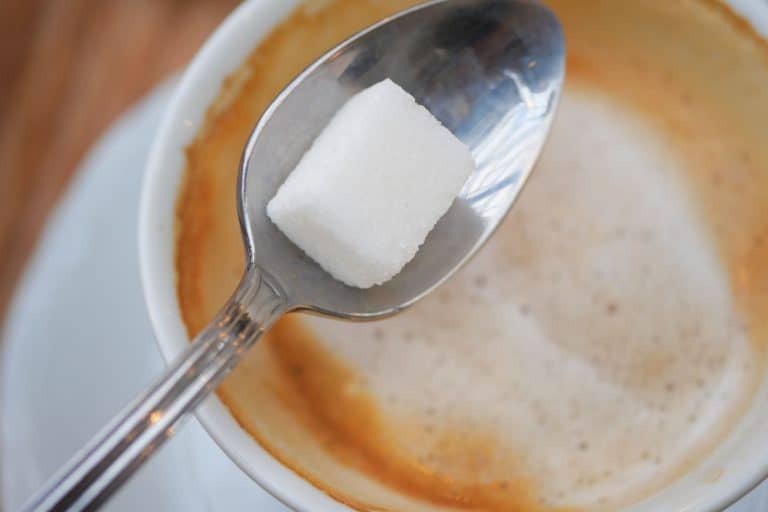

For the longest time, sugar cubes had the starring role at café & restaurant tables, mostly because they were so neat & stackable. They also made the coffee service feel a little more formal, but by the middle of the 20th century, packets began replacing them.
Why the sudden swap? It’s down to a bunch of reasons, some of which might make you look at that paper sleeve a little differently.
Featured Image Credit: Shutterstock.
What’s coming up
You’ll learn about:
- When sugar cubes first appeared
- Why sugar bowls dominated American dining before packets
- The war years that pushed sugar into ration books
- The packaging boom that made packets cheap & easy
- The pros & cons of sleeves vs. cubes
From loaves and bowls to neat white cubes
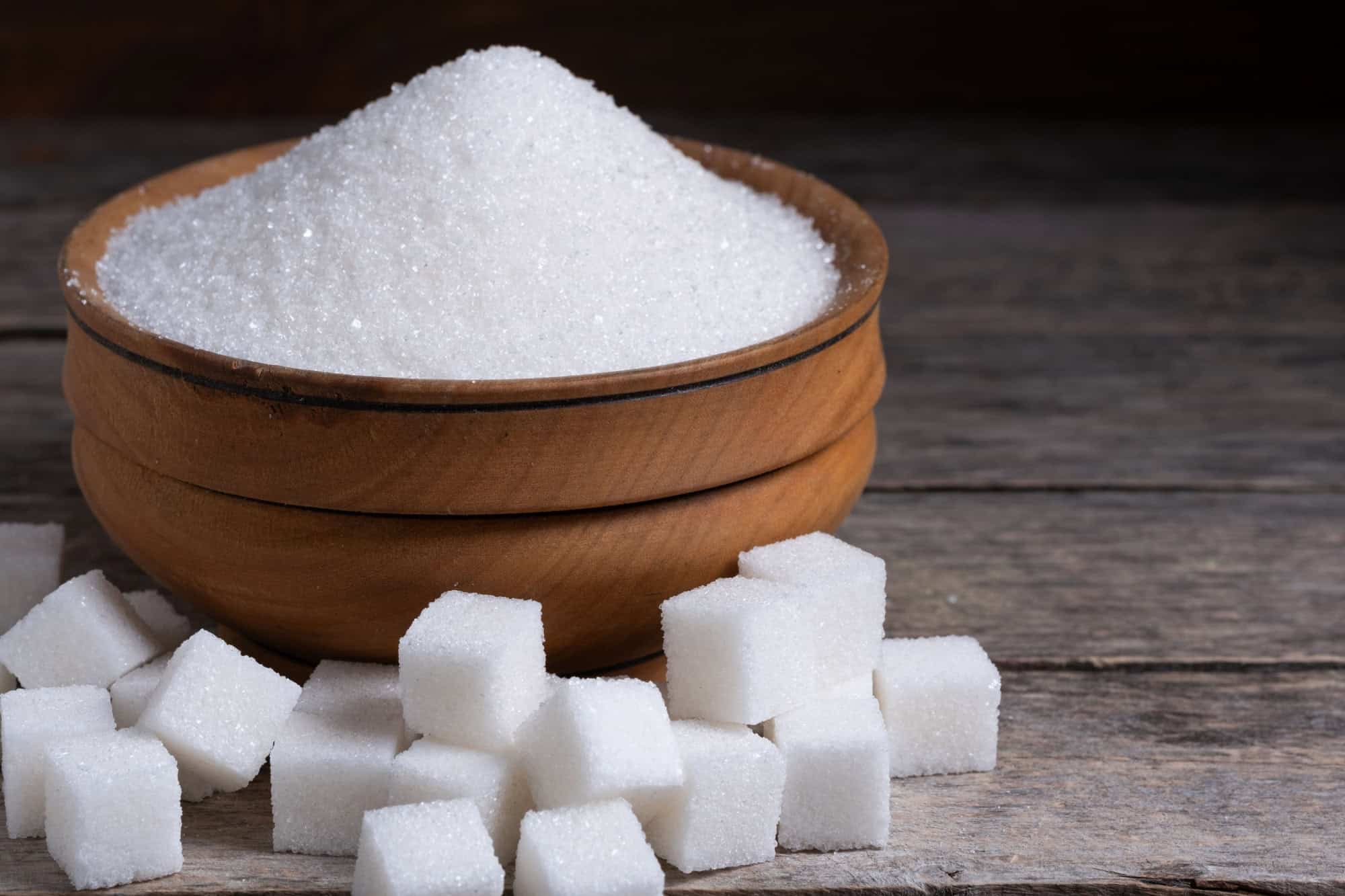
Sugar didn’t always begin in tidy little lumps. During the 1800s, it came as a hard “loaf” that had to be chipped into uneven bits. That all changed in 1843.
Jakub Kryštof Rad in the Czech lands came up with a press that made perfect cubes, so within a few decades, cube-making spread through Europe. Companies like Henry Tate’s in Britain scaled it up.
Through the late 1800s & early 1900s, tables had a little bowl of lumps or a shaker with loose granulated sugar. It was completely normal back then to serve sugar in this communal way. To those people, sugar, salt & pepper were all meant to be shared.
Rationing years & a post-war packaging boom
Sugar was one of the first foods rationed in the U.S. during World War II. It started in May 1942 and lasted until 1947, so people became used to measuring it carefully. After the war ended, industries that had been focused on military packaging switched gears to focus on food instead.
Flexible wraps? Heat-sealed bags? These both came out of this boom, as well as portion-control design. By the 1950s, machines could crank out thousands of single-serve sachets per hour. Sugar was the perfect candidate for these.
It all changed with a Brooklyn cafeteria owner named Benjamin Eisenstadt, who was tired of dealing with messy sugar dispensers. They always got clogged. So, he came up with the idea of portioned paper sleeves, although he never patented it.
Sugar packets became big business soon enough. Amstar, the maker of Domino sugar, had a thriving portion-pack line that was worth millions of dollars. Those familiar paper sleeves had one side paper & one side thin plastic. These packets were sealed tightly with a tear edge. These days, they have almost the same design.
Once packets caught on, they didn’t stop with sugar, as artificial sweeteners like Sweet ’N Low & Splenda also started to appear. Salt, ketchup, mustard, mayo, even soy sauce ended up in single-serve packets everywhere.
Why paper sleeves fit restaurant operations

So why the change? A lot of it has to do with health codes. The FDA’s model Food Code encouraged restaurants to stick with single-use items instead to cut down on the risk of contamination. This way, people stopped dipping into the same bowl & each diner could just rip open their own packet.
There’s also the practical sign of things. Paper packets stack neatly & pour evenly. They also keep better in storage. Plus, machines made them fast & cheap, so that sealed the deal for restaurant operators.
Another positive is the color-coding trick with sweeteners. People learned pretty quickly that pink was for saccharin & blue for aspartame, yellow was for sucralose & green for stevia. It’s so built in now that most people simply reach for the color that they want.
Sugar packets are useful for businesses because they’re also small ad platforms. Some cafés and hotels brand the packets with logos or slogans, which turns every table into a mini billboard. It’s cheap marketing. And the packet usually lasts for a while.
You can’t do that with cubes.
The downsides of sugar sleeves

However, packets weren’t perfect. All that extra wrapping means there’s more trash compared to cubes that you just leave in a paper box. The packets themselves also aren’t that simple to recycle because they’re often made from lots of paper & plastic pressed together.
While packets did take over, sugar cubes never completely disappeared. You’ll still see them at formal teas & high-end cafés, along with certain European-inspired service styles. Anytime that you’ve been served a cube with a tiny set of tongs, you’ve had a little taste of the old way.
Sugar cubes had their moment. But packets have become the norm in American restaurants, thanks to health rules & packaging advances. They’re also just convenient. Sure, both formats still exist, but it’s clear to see who won the spot at the table.
Sources: Please see here for a complete listing of all sources that were consulted in the preparation of this article.
Like our content? Be sure to follow us.


