

Tap-to-pay has taken over American shopping, yet millions of people still reach for a checkbook. For many Boomers, it’s not stubbornness. It’s a money habit built over decades—and one that still serves a purpose.
1. They learned money management on paper
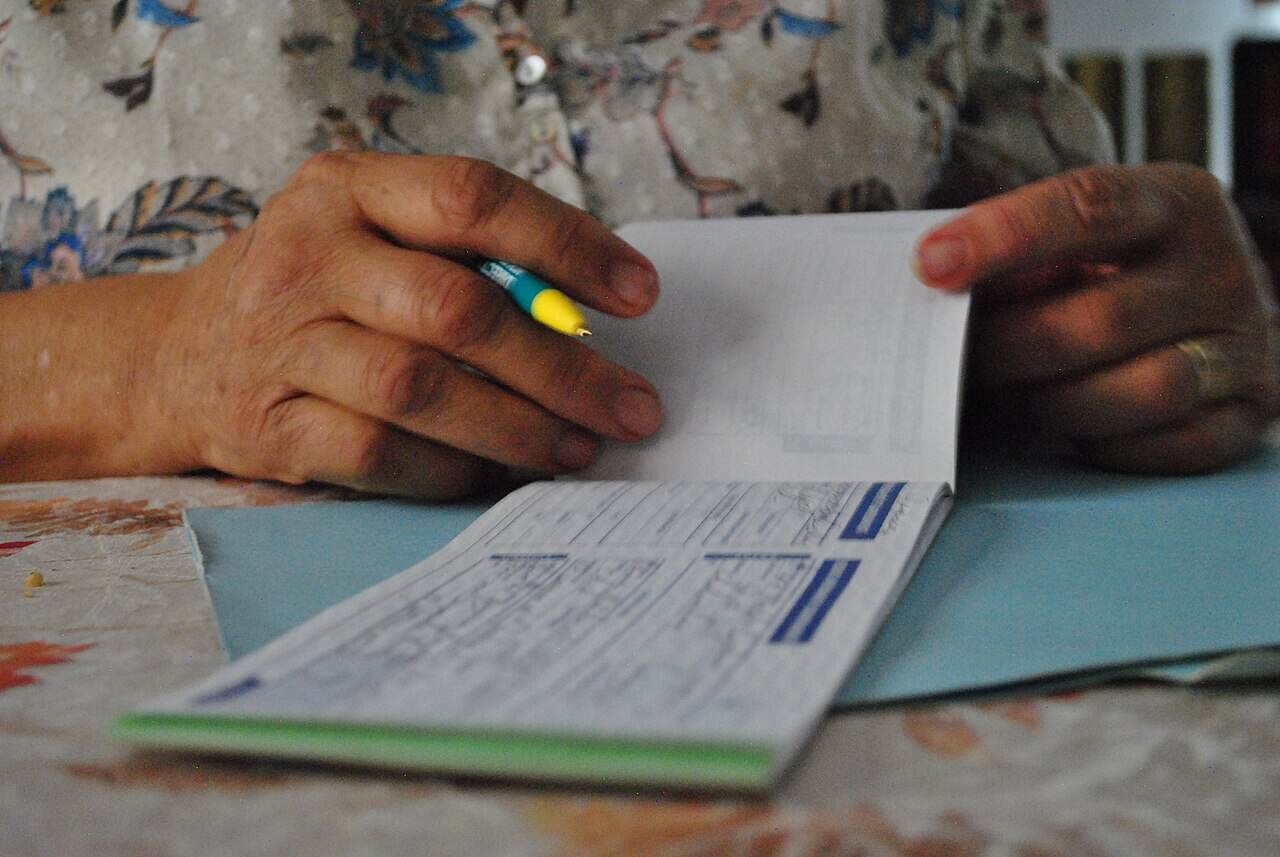
For Boomers, a checkbook register was once the household budgeting app. Every payment went into a ledger, and balancing it against the monthly bank statement helped track spending. Banking apps can do that automatically now, but old habits are hard to replace when a system has worked for 40 years.
2. A check leaves a paper trail
Writing a check creates a record of the amount, recipient and date. That can feel reassuring when paying a contractor, donating to a charity or settling a bill. Bank statements provide digital records too, but a signed paper payment can feel more tangible to someone accustomed to keeping financial paperwork.
3. Cash feels real, and checks feel deliberate
A card payment takes seconds, making spending easy to overlook. Writing a check requires entering an amount, naming the recipient and signing it. That extra step creates a pause—and for people who prefer deliberate money management, slowing down can be a benefit rather than an inconvenience.
4. Some bills still suit checks
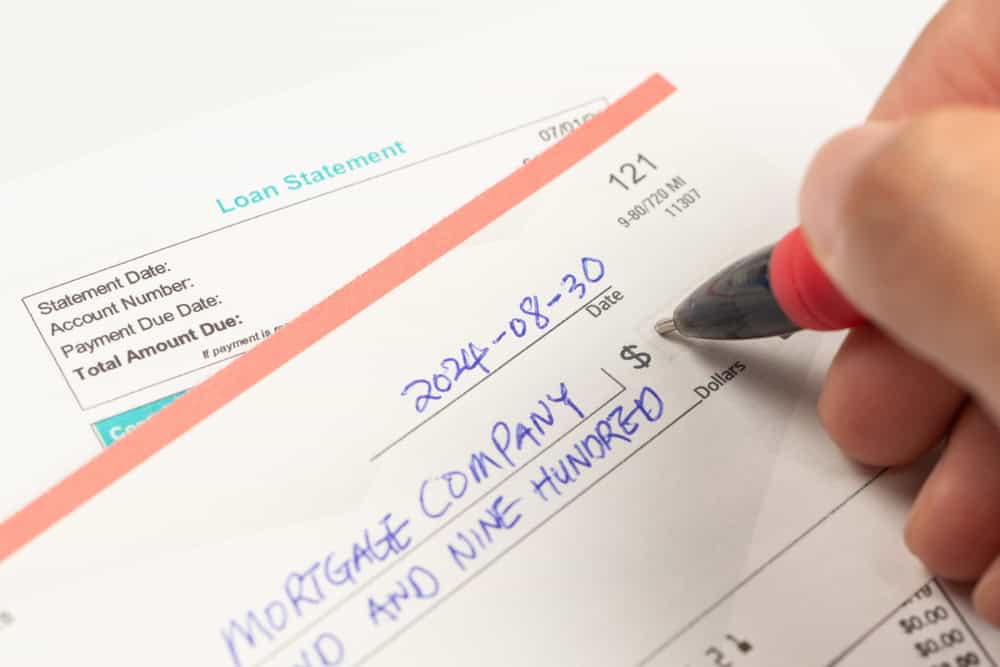
Certain contractors, small organizations, landlords and service providers continue to accept checks. Some recipients prefer them, and some payments don’t fit neatly into a tap-to-pay transaction. Checks are less convenient for everyday shopping, but they remain useful for occasional larger payments.
5. The numbers explain their survival
The Federal Reserve counted 9.2 billion check payments in 2024, worth $24.45 trillion. Checks represented only 4% of noncash payments by number, down from 59% in 2000. Yet their average value reached $2,653. Americans write far fewer checks, but the method hasn’t vanished.
Why Boomers haven’t all switched
For many, it’s a mix of familiarity, record-keeping and personal preference. Digital banking offers speed; checks offer a familiar routine. The real surprise isn’t that Boomers still write them—it’s that a payment method invented centuries ago still moves trillions of dollars.
