

No dog can tell its owner that something is wrong, but certain changes may appear when its health begins to seriously decline.
Even the bowl gets ignored
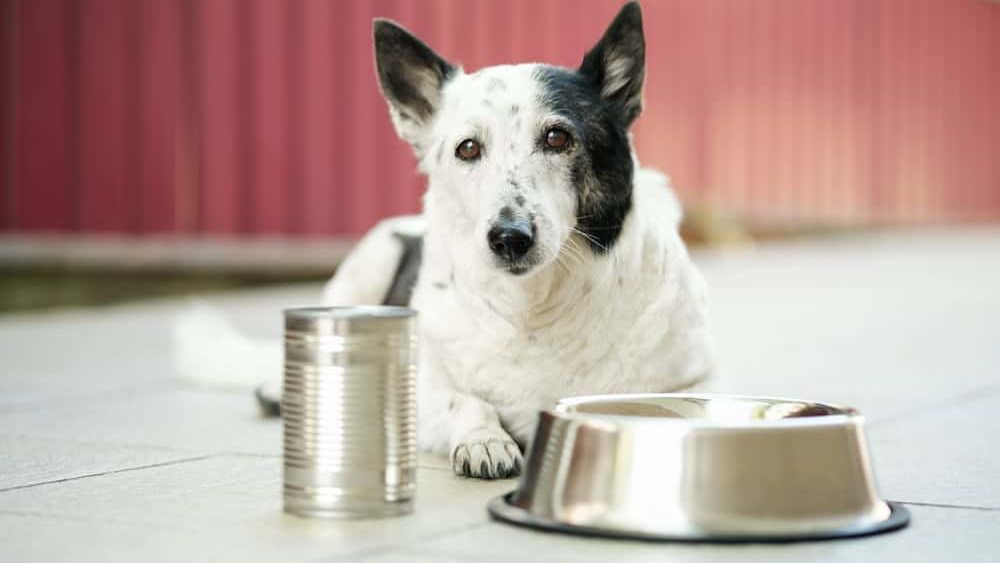
Food is often one of the great joys of a dog’s day. So when a normally healthy dog suddenly starts leaving food on the plate, turns his nose up at favorite snacks, or ignores you when you offer dinner, it’s natural for owners to worry. Increased or decreased water consumption can also be an indicator.
An appetite decrease doesn’t always mean your dog is dying. Oral disease, infection, digestive diseases, drugs, and countless other medical issues can also decrease a dog’s appetite. Many are easily treated.
However, if your senior dog or dog with a serious illness stops eating and you notice increased weakness, weight loss, or other symptoms developing, contact your veterinarian.
That quiet corner becomes important
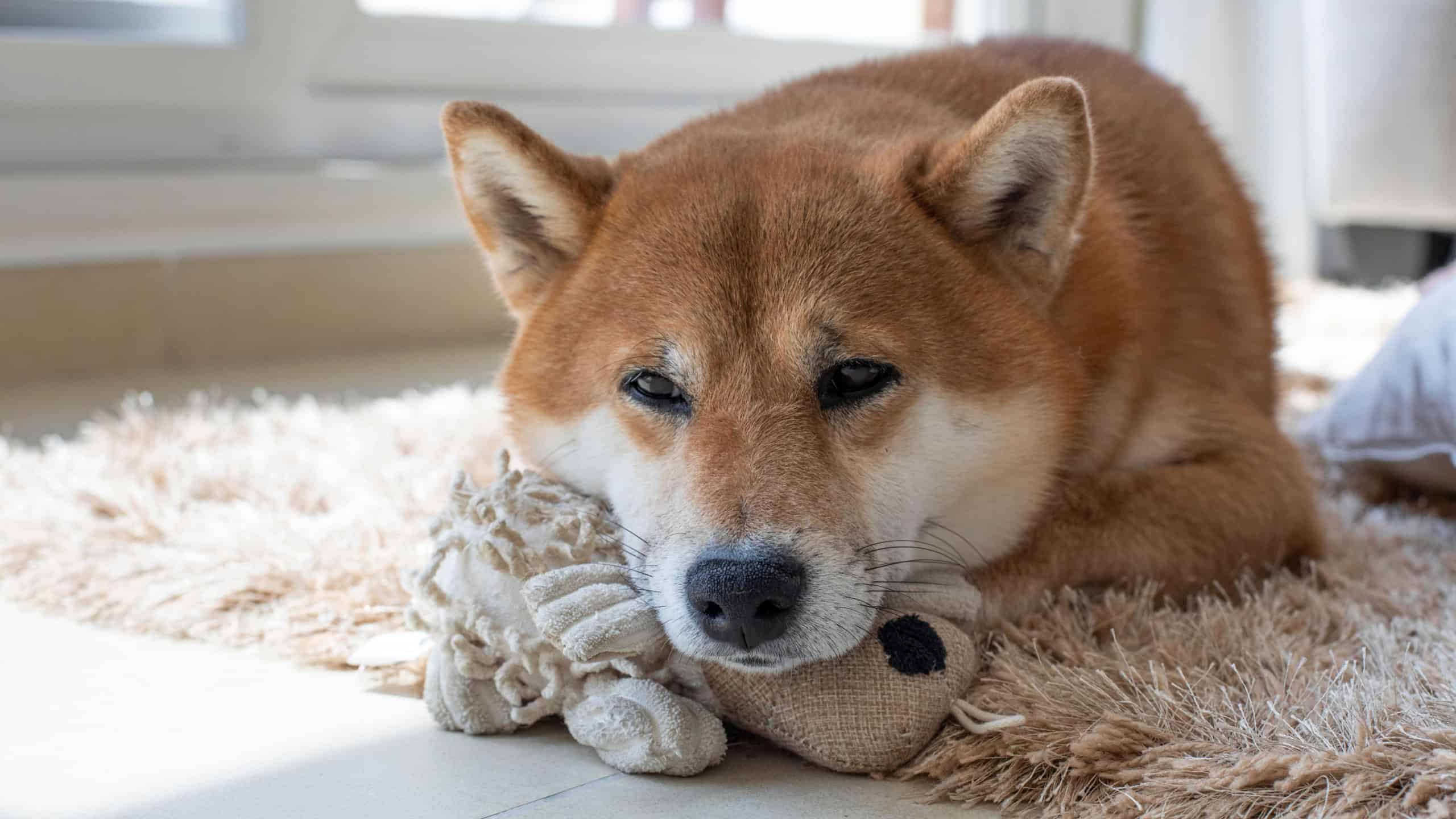
A dog that usually follows everyone around might suddenly start hanging out someplace quiet and away from the action. He may sleep behind the couch or hang out in another room or even choose a corner he never used to notice. Some dogs seem to pull away when they feel weak, ill at ease, or tired.
Others react the complete opposite way and become hyper-clingy, sticking by your side almost all the time. Neither confirms that your dog knows he’s dying, but either one could be significant if it’s a departure from his normal personality.
If your friendly dog suddenly hides from the family, or your independent dog suddenly can’t bear to be left alone, something may be wrong.
The distance keeps getting shorter
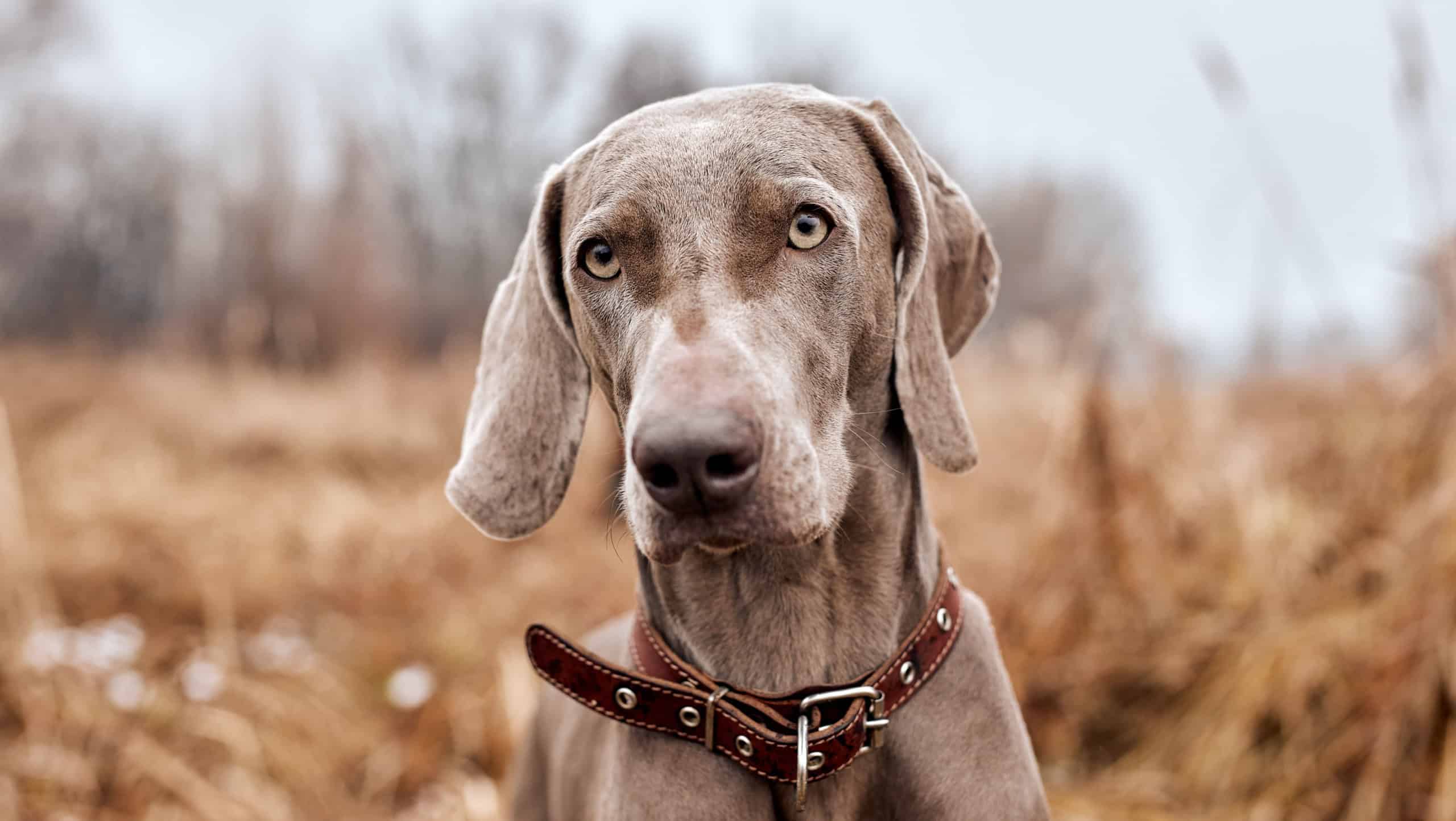
The dog who once flew to the door may hesitate even to rise from bed. Weakness and reduced mobility can become strikingly apparent during a dog’s final weeks or months, especially as the result of advanced disease or serious geriatric conditions.
Dogs may be unable to climb stairs or change their walking routine from several blocks to just a few steps inside and out. Slippery floors may present difficulties. Some dogs require help getting out of bed or into a standing position.
Most of the day disappears

Senior dogs naturally begin to slow down with age, but excessive sleeping and inactivity can be a sign of something more serious. An elderly dog who is nearing the end of its life may sleep or lie down for nearly the whole day and exhibit very little interest in things that used to immediately excite them.
Hearing the leash or crate open, someone come into the house, or the treat cupboard open may elicit little to no response from your dog. If you notice that your dog, who was normally interested in things, seems suddenly tired out, out of it, or hard to wake up, please seek veterinary care.
The rhythm isn’t the same

Breathing patterns are one of the more distressing changes owners may witness. Breathing may become shallow, irregular, abnormally slow, or labored with advanced illness or toward the very end of life. There may be increased time between breaths, more effort from the chest or abdomen when breathing, or inability to comfortably lie down.
Keep in mind that difficulty breathing should never be assumed to be just a sign that your senior dog is nearing the end. Heart disease, lung issues, pain, and other emergencies can cause similar signs.
Little accidents start appearing

An older dog that was previously perfectly housebroken may suddenly start having accidents in the house, and many owners inadvertently blame the dog for being naughty. If a senior dog or a very sick dog has an accident in the house, it may be because they no longer have the ability to make it outside in time.
This is a time for compassion instead of punishment. Highly absorbent pads, providing easier access to go outdoors, and frequent gentle cleaning can assist.
The good days become harder to find
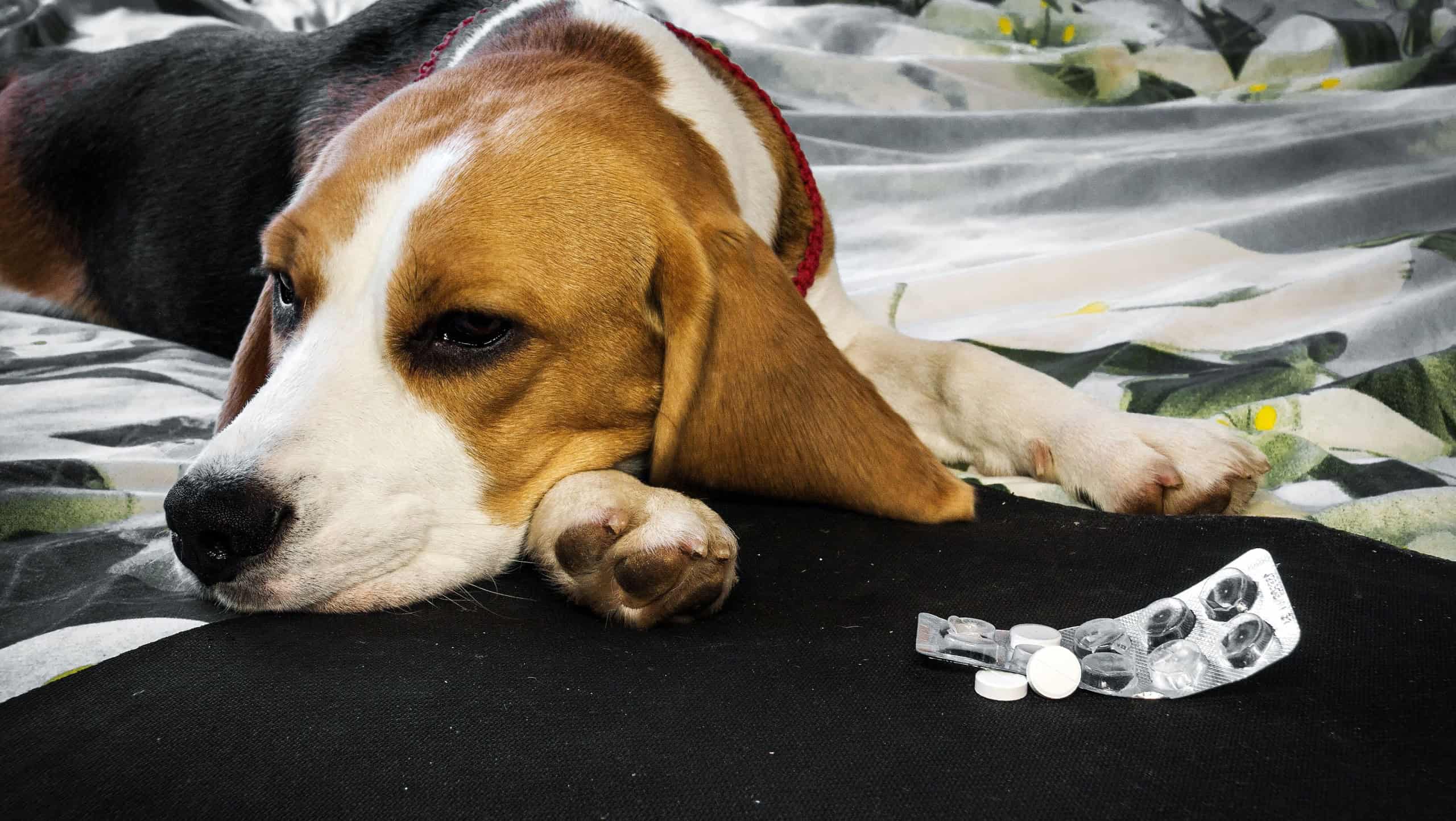
One of the most valuable indicators may not be a single symptom at all. It can be an overall change in the balance between good days and bad. You may still notice times when your dog perks up to receive some petting, watches the family room, sniffs a favorite snack, or wants to sit in the sunshine.
But those positive moments may become shorter in duration and more spaced out. Pain, confusion, nausea, restlessness, or fatigue might begin to fill more of your dog’s waking hours.
Like our content? Be sure to follow us.
