

Hobbies are supposed to be all about fun and relaxation. But they can teach bad habits too without us knowing. Something that begins as fun but eventually gets beneath our skin and damages our health, relationships or daily routine. It’s easy to get caught up in what we enjoy and overlook the downsides. In this list, we’ll explore how your hobbies might be doing more harm than good.
Featured Image Credit: Joshua Mcknight /Pexels.com.
Spending Too Much Time Online

If you have an online hobby such as gaming or scrolling through social media, you may just find yourself sitting on your computer or in front of a screen for hours and hours without realizing it. This is sabotaging your sleep, mood and social life. You’ll never get these hours back – Try to balance screen time along with other activities.
Shopping All The Time

Some hobbies, like buying expensive collectibles or shopping at craft store when you are bored, add up. It is all too easy to accidentally spend more than you thought you were. Be sure to set a budget and stick to it to prevent your hobby from forcing you into debt.
Like our content? Be sure to follow us.
Hobbies That Require Sitting

With some hobbies – like watching movies or reading – you have to sit for long hours. Although this is good for relaxation, sitting for extended periods can cause weight gain and bad posture. Make time to move around, even if you love your hobby.
Isolating Hobbies

Some hobbies, especially those done alone, can isolate you. You may spend hours by yourself, losing touch with friends and family. It is okay to enjoy the alone time but be sure to connect with each other and avoid feeling lonely.
Ignoring Responsibilities

It’s easy to get caught up in a hobby and forget about chores, work, or other important tasks. If your hobby starts to take over your schedule, work and all that you have to do at home will be the first to suffer. Try to keep a balance so you don’t fall behind.
Overeating While Doing Your Hobby

When you snack or drink while doing your hobby (like watching TV, reading, playing pool etc.), you might eat more than you realize. Eating without thinking can increase weight over time. Practice mindful eating, paying attention to portion sizes and reducing mealtime distractions.
Becoming Too Competitive
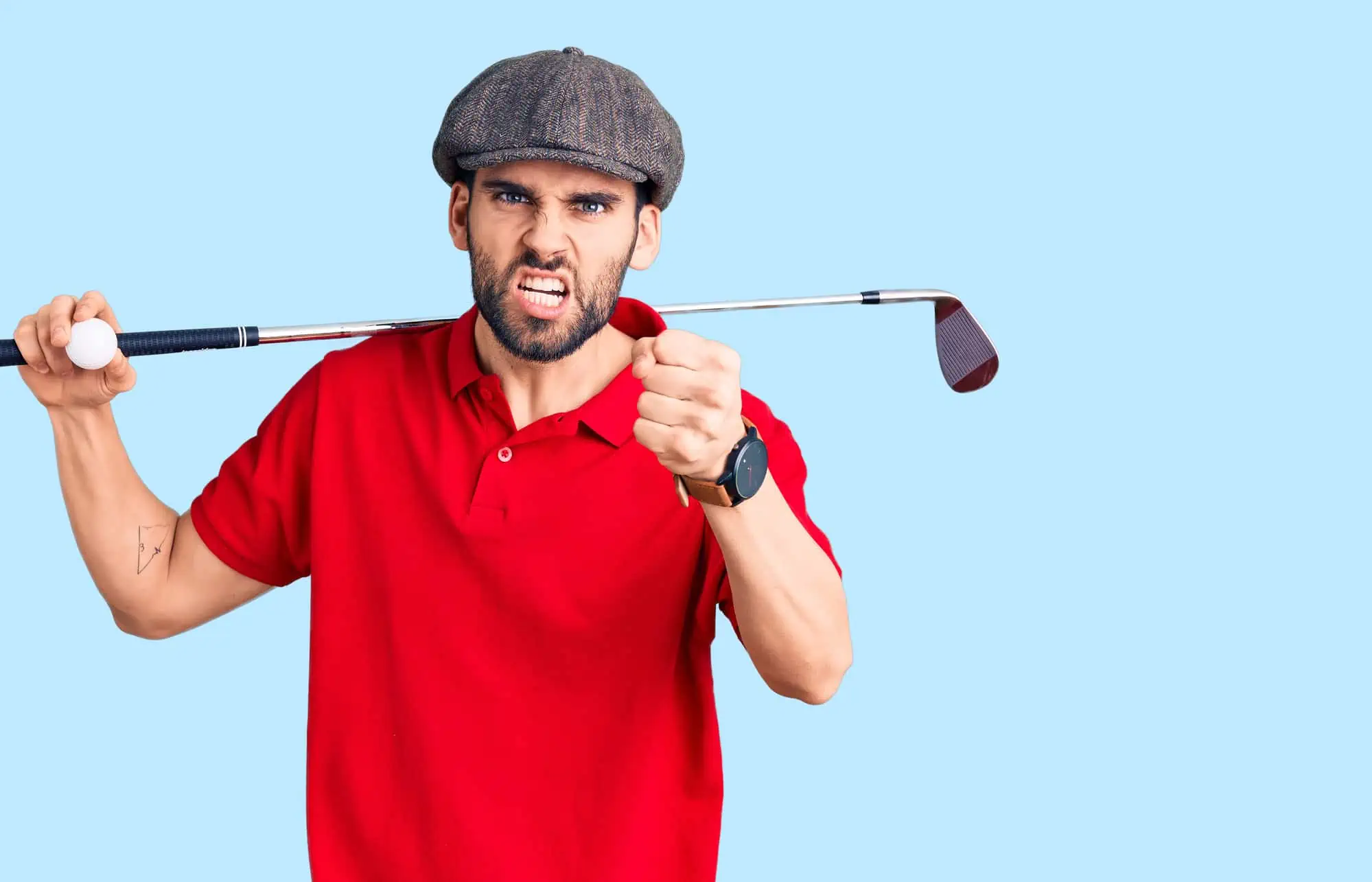
Some hobbies like sports or games can trigger your competitive side. Although a bit of friendly rivalry helps, unnecessary conflict will just make you stressed or unhappy. Try and have fun playing, rather than focusing on winning too much. A hobby should be fun, not stressful.
Neglecting Sleep

If you’re really into a hobby, like binge-watching shows or playing video games, you might stay up too late without noticing. Over time, lack of sleep can hurt your health and energy levels. A fixed bedtime would let you enjoy your hobby without sacrificing rest.
Distracting Yourself from Problems

There are times when hobbies are just a form of escape from stress, or an excuse to avoid tackling issues. Although postponing real issues with a hobby can provide some relief, it is actually worse to put off life by hiding behind something fun. Face challenges head-on rather than using hobbies as a constant distraction.
Becoming Obsessed
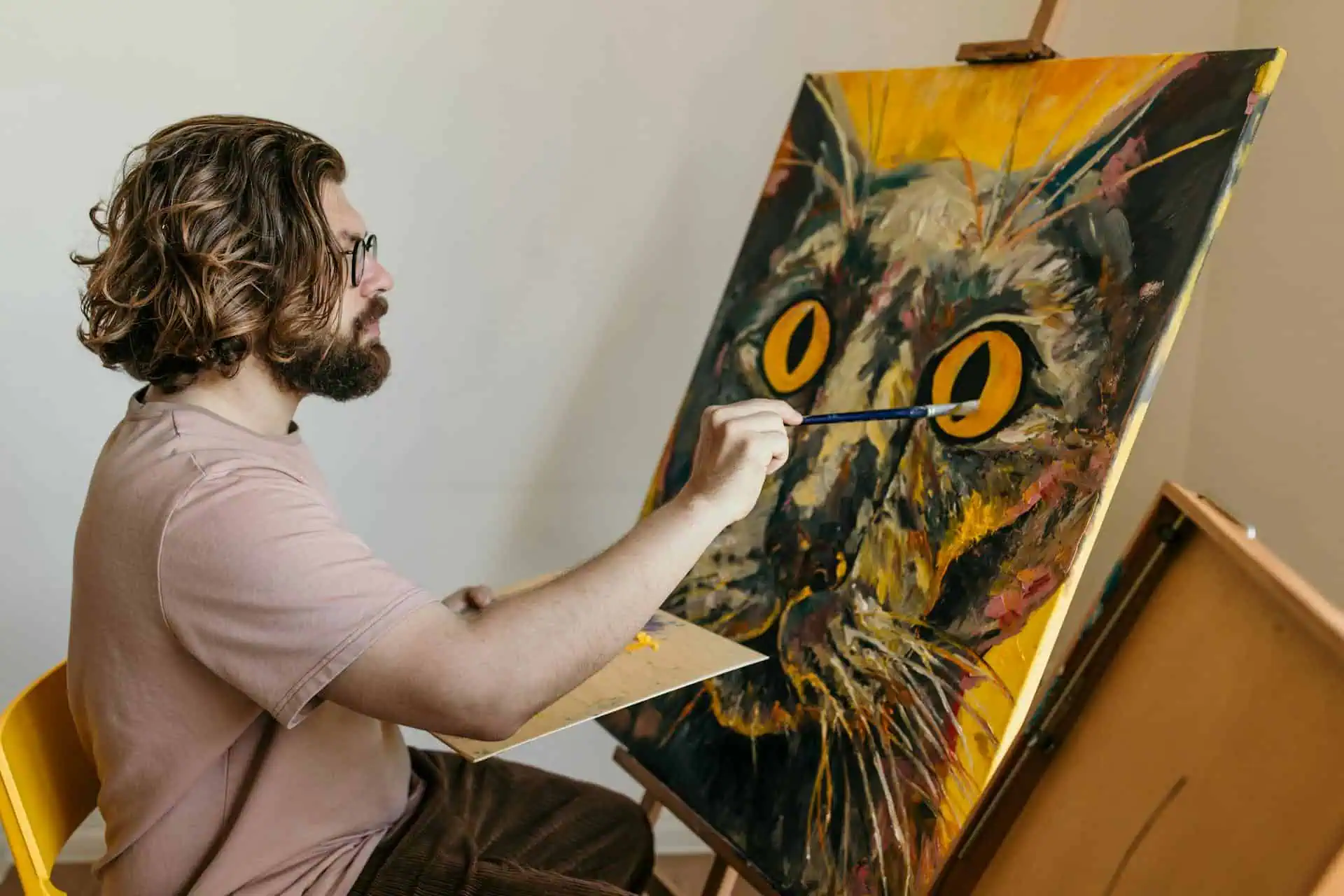
It can be so simple to let a hobby take over your life. Anything can become an obsession if it’s taken too far — whether that’s exercise, crafting or reading. If your hobby becomes an interference in life, you need to draw a clear line.
Overworking Your Body
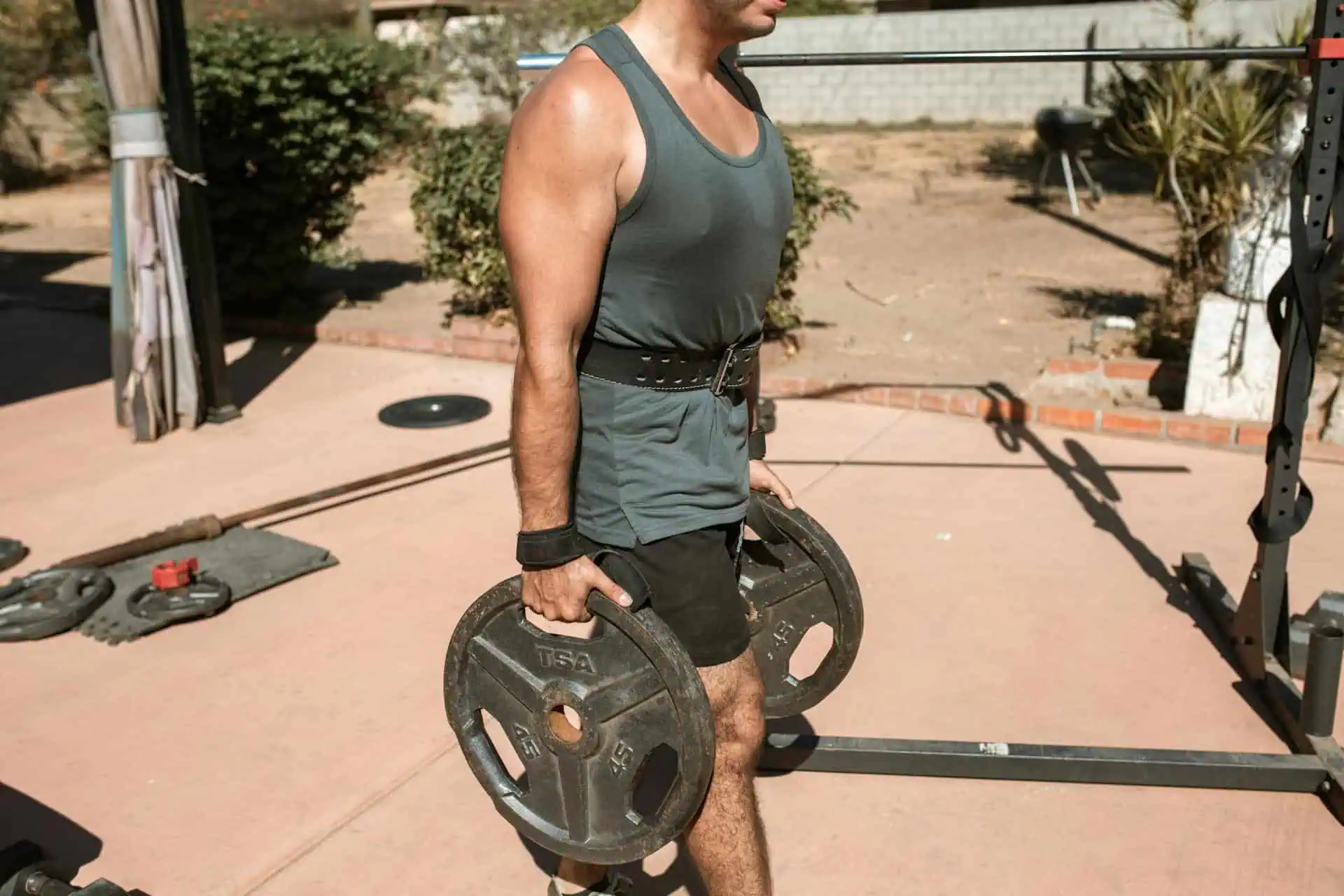
Running or weightlifting or playing sports are all awesome things to do for fitness, but taking them too far can lead to injuries. Pushing yourself to the limit without taking a break can push you into burnout. Rest when your body tells you to.
Avoiding Challenges

Hobbies can be a comfortable escape, but sticking too much to familiar routines might stop you from trying new things. If your hobby becomes too easy or repetitive, it might limit personal growth. Stepping out of your comfort zone keeps things interesting and forces you to learn.
Disclaimer: This list is solely the author’s opinion based on research and publicly available information.
Like our content? Be sure to follow us.
Read More: