

When we think about fighting climate change, we might not immediately think of ourselves, but rather big businesses and national governments. However, there are many steps that any person can take to contribute. Small changes around the home can add up to make a big difference. There are lots of ways to save energy and reduce your carbon footprint. These steps help the environment, can make your home more efficient, and even save you money. Here are 12 ways you can contribute to stopping climate change.
Featured Image Credit: Markus Spiske /Pexels.com.
Unplug Devices When Not in Use

Many gadgets require power even when switched off and idle. This is a process called standby power. Unplugging appliances and electronics like televisions, phone chargers and kitchen appliances when not in use can help decrease your electricity bill and save energy.
Reduce Water Consumption

Using less water at home saves water, yes – but it also saves the energy needed to pump, heat and treat this water. Taking relatively small steps – like mending leaks, installing an efficient showerhead or turning off the tap while brushing your teeth – can decrease your energy use overall.
Like our content? Be sure to follow us.
Eat More Plant-Based Meals

The production of meat, especially beef and lamb, has high energy requirements and comes at a considerable environmental price. When you eat more plant-based meals, you can reduce the demand for these energy-intensive products. Going vegetarian for a day or two a week is a good way to reduce your dietary impact on the planet.
Start Composting
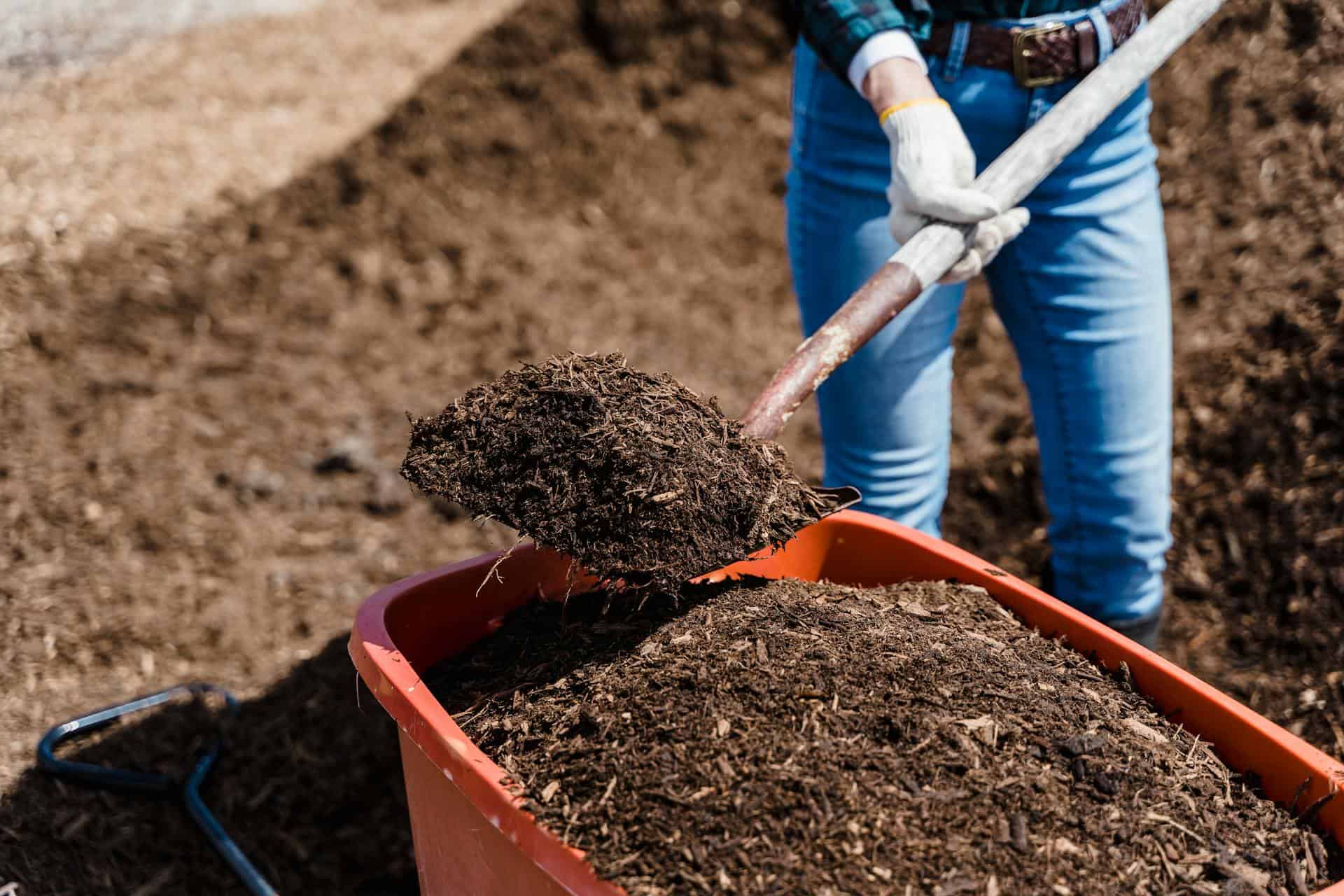
Food waste sent to landfills emits methane – which is a potent greenhouse gas. Keep food scraps out of the landfill by composting. This also creates nutrient-rich soil for your garden; you can use it for plants instead of chemical fertilizer.
Recycle and Reuse Materials

Recycling helps reduce the energy usage that it takes to create new products when old products are thrown away. When paper, glass and plastic, etc. are reused after recycling, they stay in use for a longer time period. Likewise, reusing items that can be replaced or reused prevents waste, and the demand for new products are cut too.
Use Energy-Efficient Appliances

Switching to energy-efficient appliances is a great way to reduce the amount of electricity you use. For example, LED bulbs, energy-efficient refrigerators, and smart thermostats use substantially less power than their older counterparts to deliver the same results. By making these changes, you reduce how much energy your home uses (in the short run). In the long run, this can lead to reductions in carbon emissions.
Switch to Renewable Energy

Switching to renewable sources of energy like solar panels or green energy providers is a great way to fight climate change. These don’t use fossil fuels and have significantly less emissions. Over time, this starts reducing your carbon footprint.
Minimize Single-Use Plastics
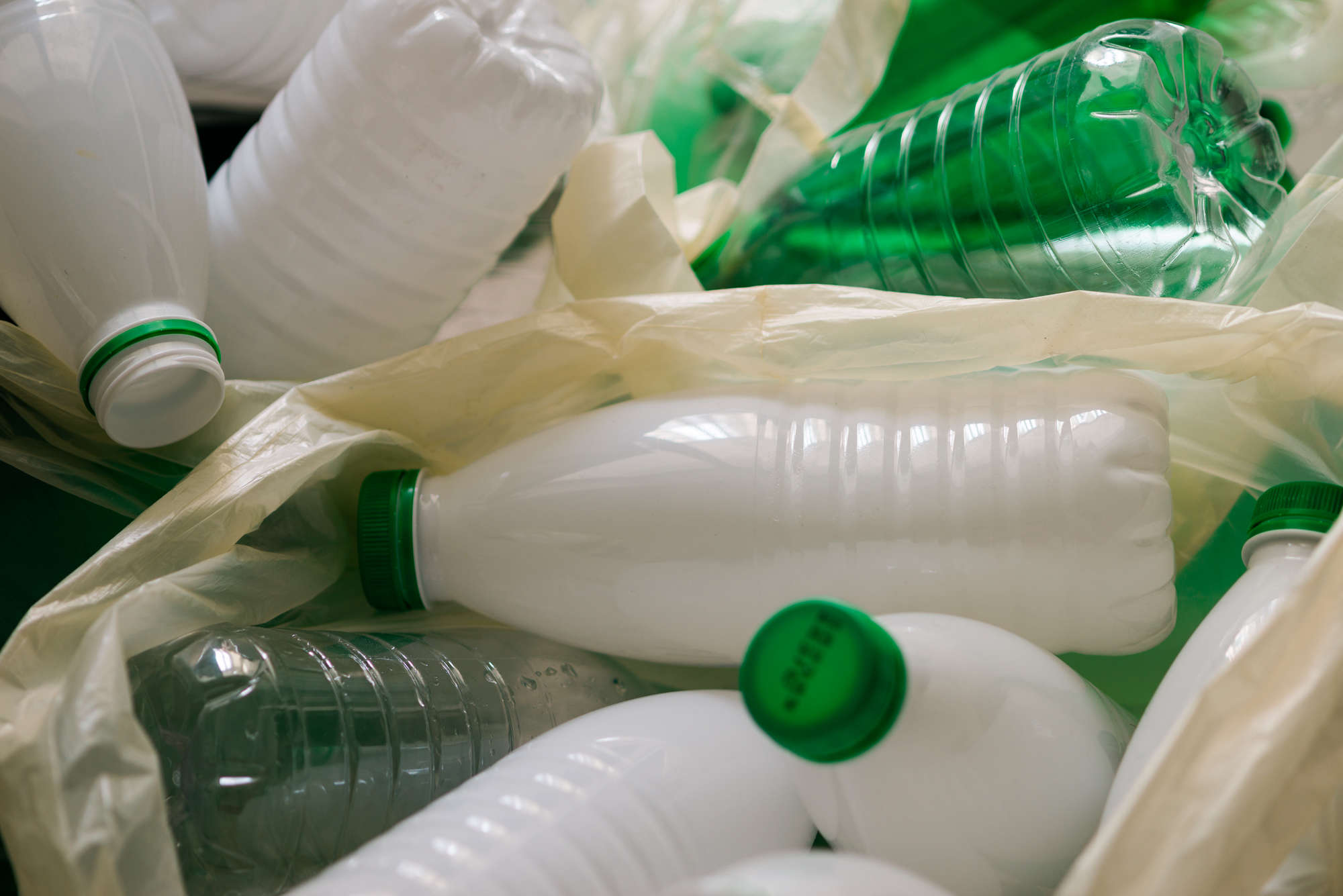
Waste from single-use plastic packages is a major source of pollution. Making them requires enormous amounts of energy, and when we’re done with them, they end up in landfills or oceans. When we switch to reusable bags, bottles, and containers, we reduce waste as well as the energy expended in their production.
Insulate Your Home

Proper insulation makes your house more comfortable in the winter and in the summer. This means you do not have to use your heater or your air conditioner as often. Thanks to better insulation, your home will be more comfortable and more energy efficient.
Support Local and Sustainable Products

Buying things that are made locally cut down on the energy needed to transport goods. Plus, choosing items that are made from sustainable materials helps reduce the impact on the environment. Choosing local and sustainable businesses is a small step to help reduce global warming.
Drive Less and Use Public Transportation

A lot of emissions come from cars. Therefore, if you are walking, biking, carpooling or using public transportation, you reduce the number of cars there are on the road. This helps lower the overall emissions, making a big difference, especially in urban areas.
Grow a Garden or Plant Trees

Plants and trees absorb carbon dioxide, which helps offset emissions. Growing your own vegetables or planting trees around your home not only helps the environment, but also adds beauty to your surroundings. Plus, it can reduce the need for store-bought food, which cuts down on transportation emissions.
Disclaimer: This list is solely the author’s opinion based on research and publicly available information.
Like our content? Be sure to follow us.


