

Social media influencers are everywhere these days and they’ll share insights into their seemingly perfect lives & give us advice about everything under the sun. But sometimes, what we see on our screens isn’t the whole truth—influencers have some rather devious tactics to keep their followers engaged. Here are thirteen ways influencers trick their followers. Don’t trust everything that you see on social media because they might be trying to pull the wool over your eyes!
Featured Image Credit: IgorVetushko /Depositphotos.com.
Promoting Hidden Ads as Personal Recommendations
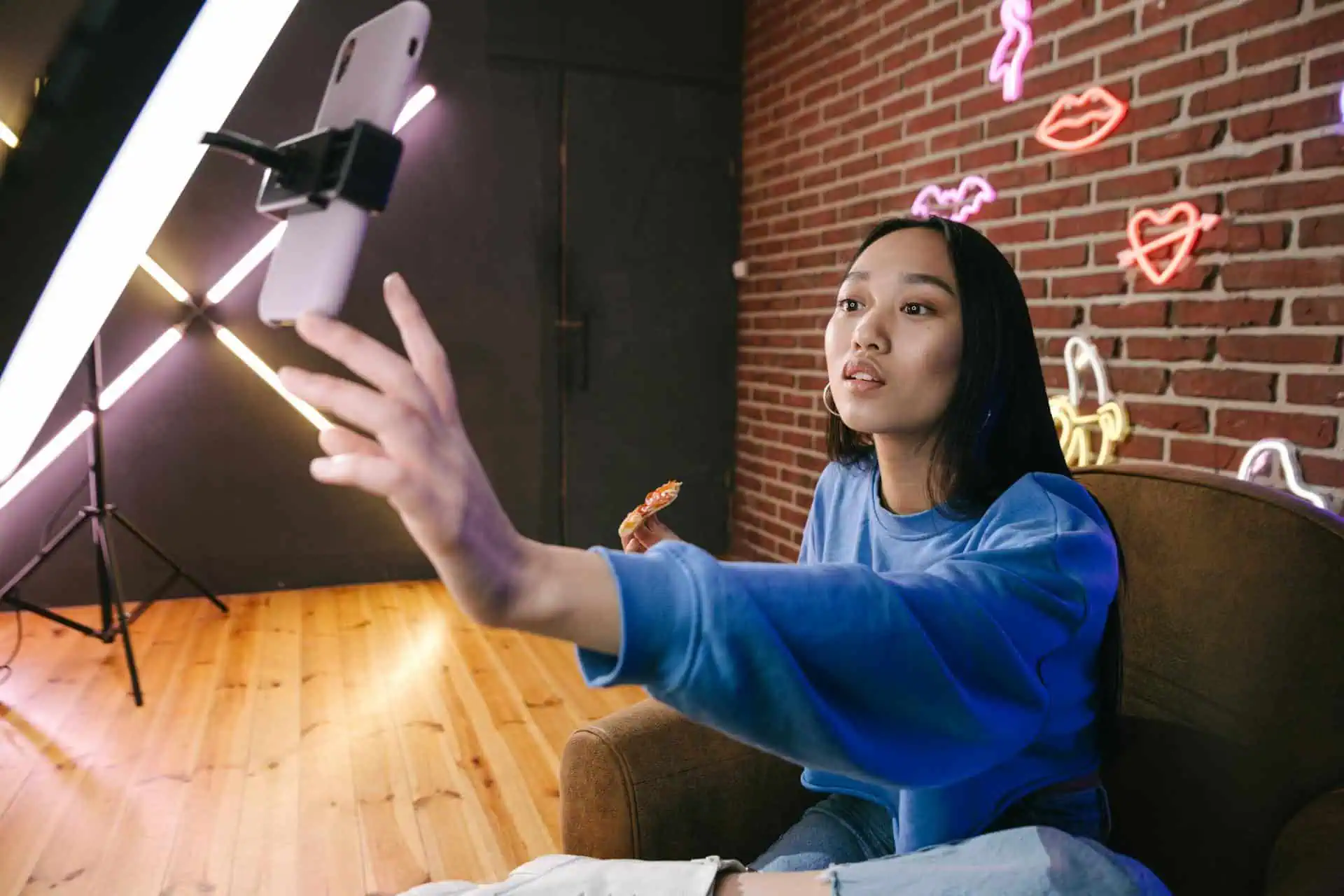
Some influencers will gush over a new phone or a skincare line they claim to love and it looks super genuine—but they’re probably being paid to mention these products. Many followers assume they’re hearing a real recommendation without realizing it’s part of a sponsored deal. As such, they’re tricked into thinking these endorsements come from a place of honesty instead of cold, hard advertising.
Skipping Legal Disclosure Requirements

Likewise, the law states that influencers have to mark any paid content with a clear hashtag like #ad or #sponsored but plenty of them quietly ignore that rule or make it too small to notice. This way, they’re able to trick followers into thinking the post is regular content. Viewers trust what they believe is real feedback so they’re more likely to buy the product.
Buying Fake Followers and Engagement

Some influencers buy fake followers to look a lot more popular than they actually are, so people are more likely to follow them. All those followers are a kind of social proof that makes the influencer’s page appear larger than life—it pulls in real users who think they’re following someone with genuine reach. People often miss the fact that it’s all an illusion built on paid likes and comments.
Like our content? Be sure to follow us on MSN.
Manipulating Algorithms with Engagement Pods

Similarly, many influencers join groups where members agree to like & comment on each other’s posts to trick social media algorithms into promoting their content more widely. For example, they might schedule times to all support each other’s content so it goes viral fast by creating a surge of activity. Doing so tricks brands into thinking there’s genuine interest.
Staging Candid Moments

Those off-the-cuff photos that look spontaneous are usually anything but because influencers spend a lot of time setting up scenes to look effortless & natural. In reality, they’re carefully planned—some even bring in professional photographers or carry extra props to get just the right setup! People scrolling through often assume it’s all real without realizing how much staging goes on behind the scenes.
Using Clickbait Captions

Influencers often use sensational captions to get more engagement and the actual content doesn’t usually live up to the hype, but the intriguing caption gets more clicks, likes & comments. Most of the time, these captions overpromise and leave people feeling let down when they see what’s actually posted. It’s never as sensational as they make it seem!
Pushing Low-Quality Products

Some influencers promote products they don’t actually believe in, whether that’s because they’re low quality or even faulty items—either way, they’re doing it because it gets them paid. They may take sponsorships that sound great on the surface, even though the items themselves aren’t well-made. Their followers trust those reviews and are usually stuck with something that doesn’t perform as promised, making them feel ripped off.
Pretending to Be Experts
Lots of influencers present themselves as experts in fields where they don’t have qualifications—we’ve all seen those supposed nutritionists sharing advice on what to eat! But they’re usually peddling a course or giving advice without the right knowledge, which misleads followers who are looking for trustworthy guidance. They could end up with incorrect or even harmful information.
Hosting Fake Giveaways

To drive engagement, influencers might announce giveaways that never happen and they collect likes & new followers from people hoping to win–but in the end, there’s no prize. It’s something that quickly boosts their follower count, especially if they tell people they’ll need to tag friends in the comments. When it’s time to reveal the winner, the influencer may claim there’s been a shipping issue or a misunderstanding—or simply reward a friend instead!
Renting Luxury Items to Appear Wealthier

Despite what you might think, lots of influencers rent expensive cars & designer clothes to make their lives look more glamorous than they really are. They show off these high-end items to create an illusion of success that doesn’t match their true financial situation. All those private jets on TikTok or Instagram? They’re set pieces that influencers rent for a day, record content in, then leave.
Hiding Negative Comments or Feedback

All influencers want to keep up a perfect image and some of them will delete or hide negative comments on their posts to make it seem like everyone loves their content—but that’s never the case. Doing so stops followers from seeing genuine opinions & might make them believe the influencer is more popular than they really are. Followers assume there’s no downside to what’s being presented and the truth gets buried under carefully curated feedback.
Stirring Up Fake Drama for Attention

Controversy always sells and that’s why some influencers create fake arguments or controversies to grab attention. They’ll post about supposed conflicts with other influencers & people in their lives to get people interested and talking which, as you might’ve guessed, boosts engagement. They might even say things they know will get people angry and responding, which is known as rage bait.
Exploiting Personal Relationships for Content
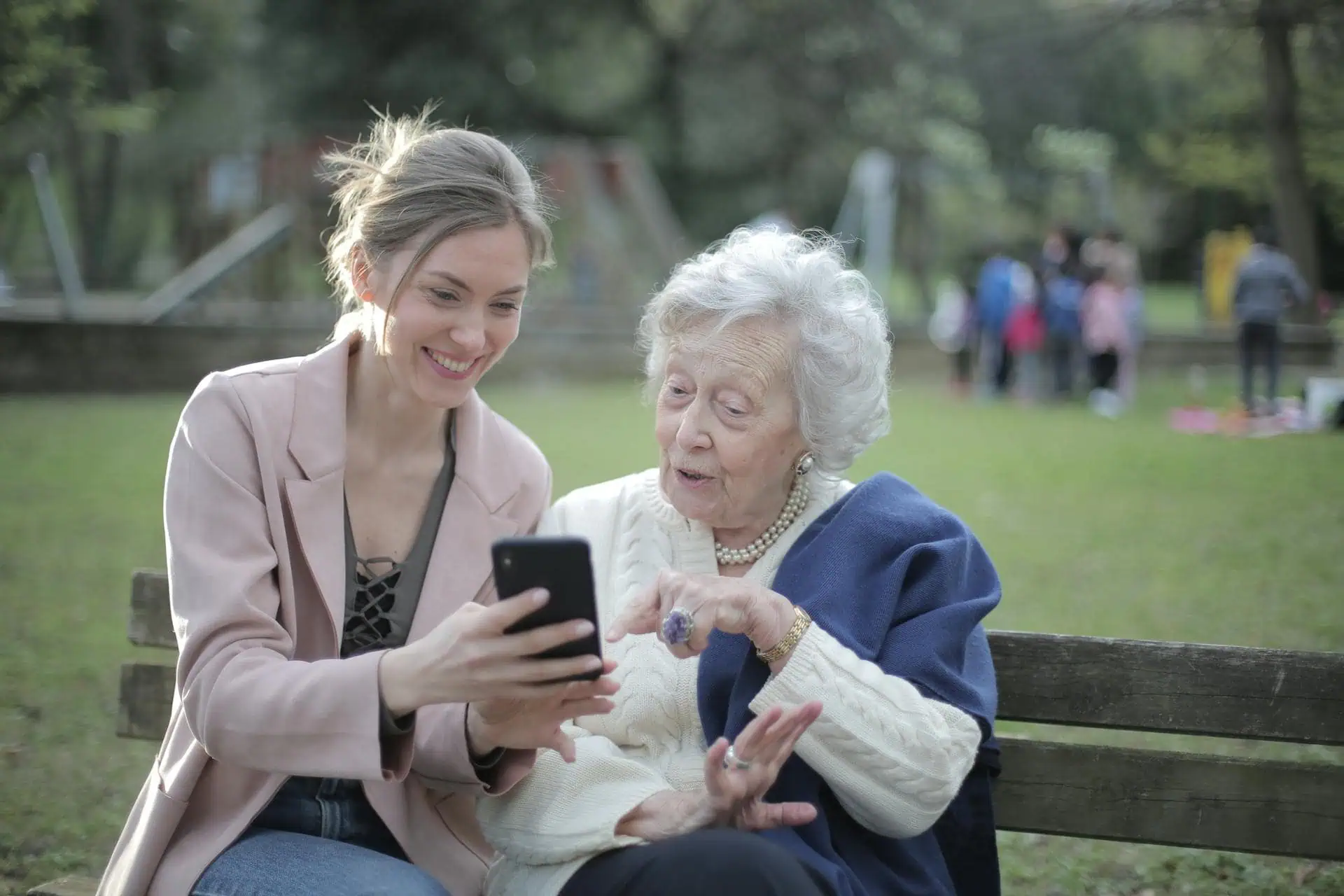
They’ll also share intimate details of their relationships and perhaps even stage fake ones because dramatizing their personal life keeps followers invested. However, it blurs the line between genuine sharing & manipulative storytelling—their real emotions get confused with what’s planned. Followers feel part of these private moments and this makes them more likely to keep coming back for updates.
Disclaimer: This list is solely the author’s opinion based on research and publicly available information.
Like our content? Be sure to follow us on MSN.


