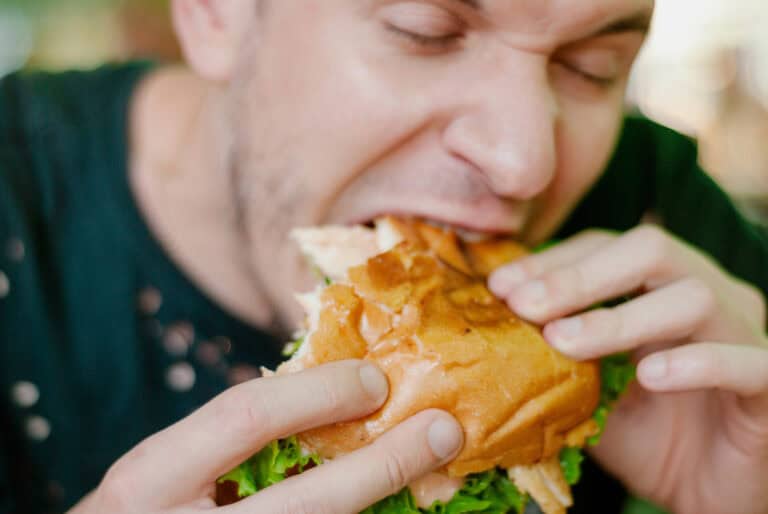

Fast food chains are great at keeping us coming back for more and it’s all thanks to the tricks up their sleeve that make their meals almost impossible to resist. Whether it’s the tempting smells wafting out of their doors or the things they put in our food, everything is carefully planned to keep you wanting more. Here are thirteen ways these fast food chains keep us hooked. You’ll never look at a burger and fries the same way again!
Featured Image Credit: spongePo /Depositphotos.com.
Crafting the Perfect Flavor Combo

Fast food places know how to hit the sweet spot with flavors and they’ll use the right mix of ingredients to create what’s called the “bliss point.” This makes their food incredibly satisfying and leaves us craving that taste again & again. Food researchers run countless tests to fine-tune that balance to make sure every bite gives you a rush of pleasure that triggers dopamine in the brain, which nudges you to get more.
Strategic Use of Sugar
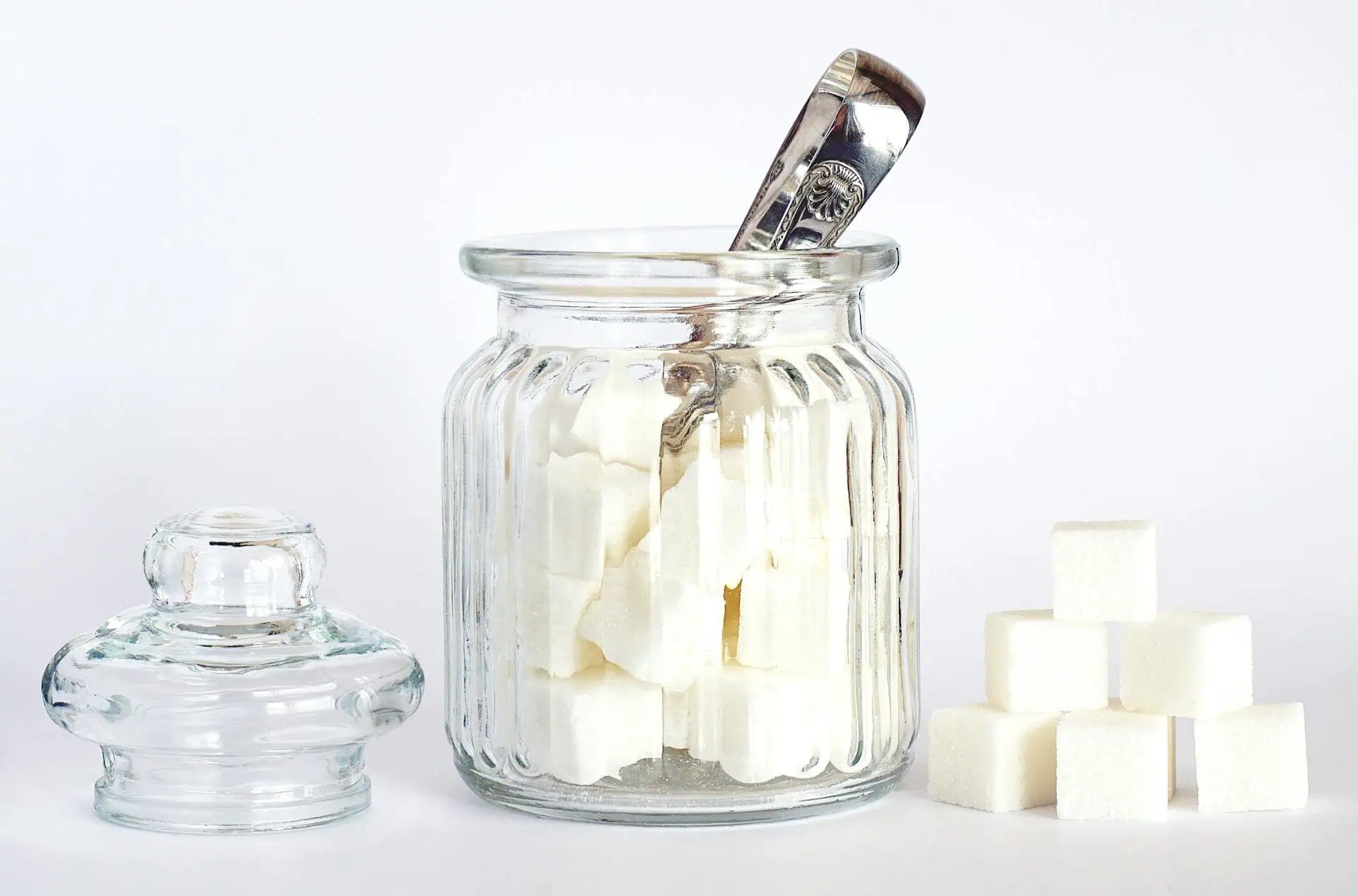
Similarly, chains also add sugar to savory items like sauces and bread because these improve the flavor—and increase cravings, making us more likely to come back for that hint of sweetness. Food producers know small doses of sugar make dishes taste “complete” to the average person so even things like dipping sauces have more sugar than people might guess. Your body quickly recognizes that sugary kick & starts wanting more soon after you’ve finished.
Tempting Aromas Everywhere
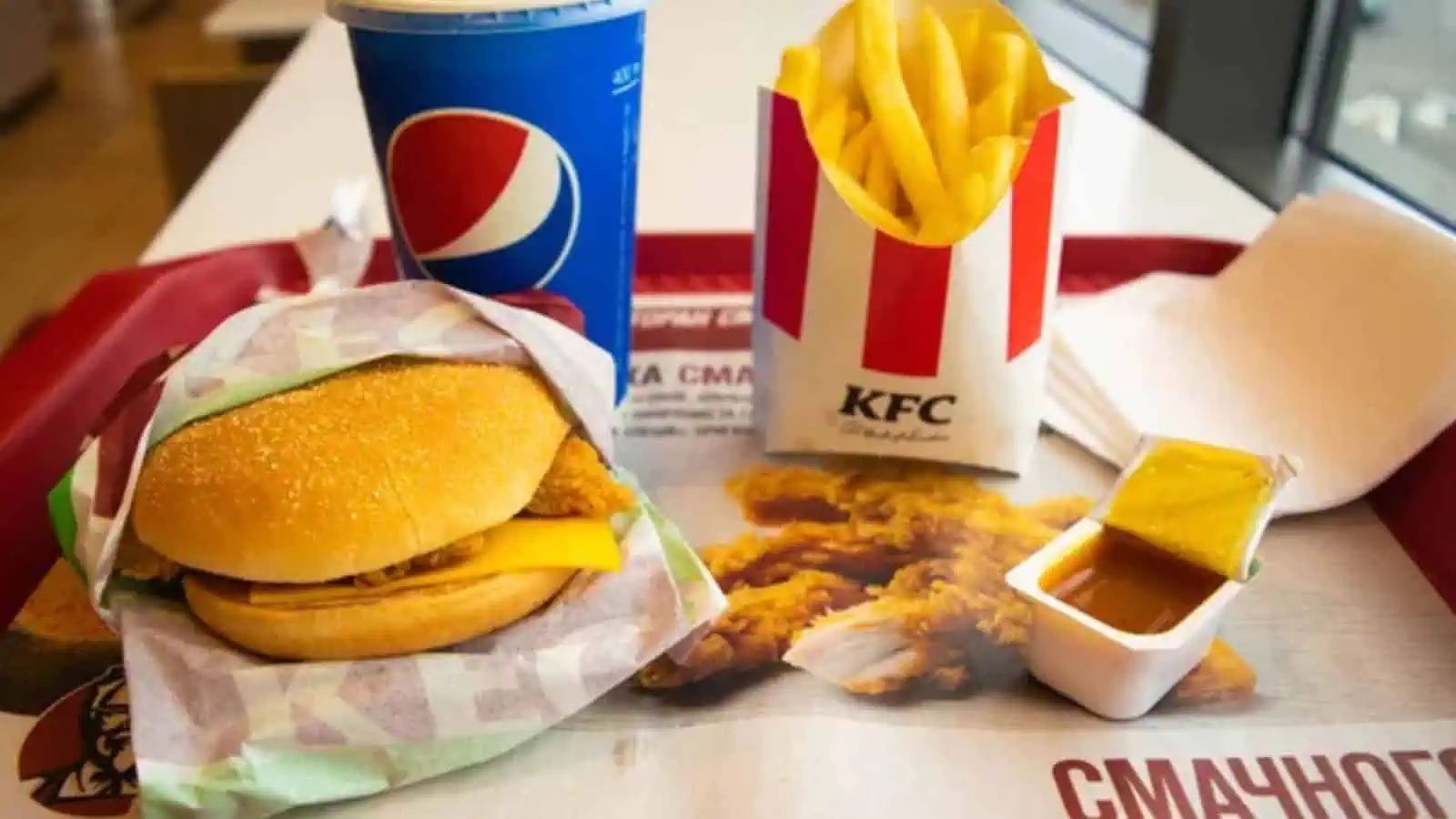
The smell of fries or a burger makes you hungry even if you weren’t before and fast food restaurants pump these delicious aromas into the air to lure people in. The scent travels quite a distance, drawing in customers from down the street—some places even design their kitchens so the smells flow outside. It’s hard to ignore a craving when you smell that warm, fried scent.
Eye-Catching Color Schemes
There’s a reason so many fast food logos use bright reds & yellows—these colors are known to grab people’s attention and even stimulate appetite. Using these colors in their branding makes their restaurants more inviting in a way that makes us feel hungry and these shades are also useful as they work against almost any background. That visual spark gets people thinking about food right away.
Addictive Texture Manipulation

Even the feeling of fast food in our mouths plays a big role in how much we enjoy it and chains focus on pleasing textures—like the crunch of fried chicken or the smoothness of a milkshake. These textures improve the eating experience and make us want to repeat it, making us hooked. Food technologists run tests to find the best texture and keep adjusting recipes until each product hits that perfect bite, creating a loop of craving that’s hard to break.
Bottomless Soda Cups

Many fast food spots have unlimited refills and such a setup keeps people gulping down sweet drinks throughout a meal—each cup is loaded with sugar to keep you addicted. Some even have caffeine that can hook the brain into wanting more and unlimited refills may stop you from realizing how much you’ve actually drunk. Fast-food places will also put drinks machines near seating areas so that it’s easy to keep drinking without much effort.
Routine-Based Cravings

Some chains push breakfast deals & lunch combos that fit neatly into your daily schedules and when people follow that routine enough times, cravings kick in at those exact hours. That habit loop feels automatic—especially when the chains have designed the food to be so satisfying. Soon enough, customers associate certain times of day with grabbing something fried or sweet.
Short-Term Menu Specials

You may have noticed that some places rotate items for just a few weeks and that short window makes people rush in before they’re gone. These specials usually have over-the-top toppings or extra flavors that stick in people’s minds so that when an item disappears, it makes you feel like you’re missing out. This pushes customers to drop by more often—even the excitement of a new taste can be addictive on its own.
Spike-and-Crash Ingredients
Many fast food meals are loaded with refined carbs and these will hit your bloodstream quickly, causing a brief burst of energy followed by a crash. That crash makes you feel tired or even hungrier than before & that makes your body crave another quick fix to feel more energized again. The pattern becomes addictive because it trains you to reach for the same foods again.
Supersized Portions
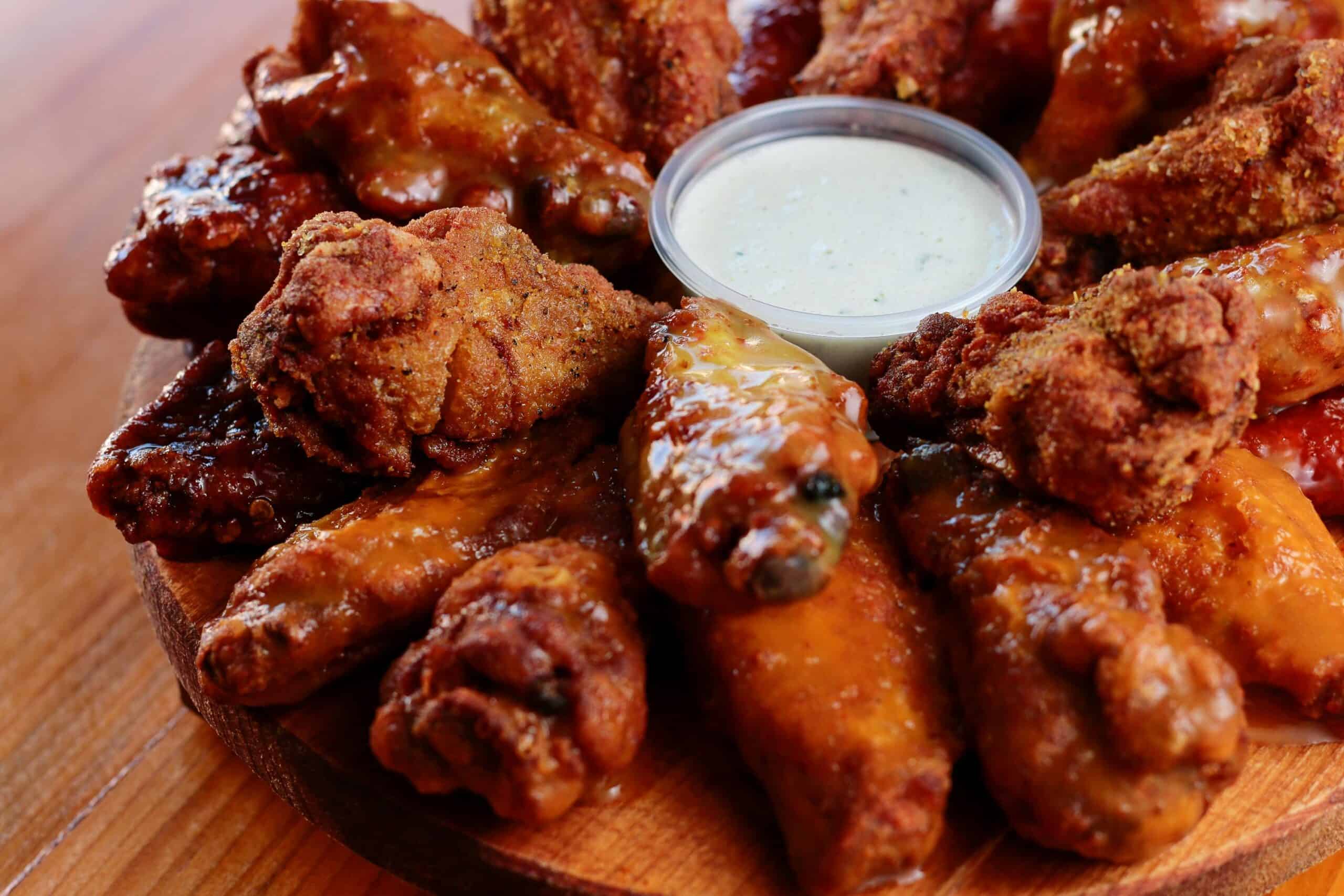
Almost every fast food chain serves portions that are bigger than what people actually need and, over time, these oversized meals train your appetite to handle more food in one sitting. That habit increases your cravings for those large servings because the body starts to expect a bigger hit of fats, sugars or carbs. But that’s not all because bigger portions seem like a better deal so you’re likely to order more large combos.
Use of Additives Like MSG

Monosodium glutamate (MSG) is an additive that some places use to make their food taste better—it makes meals more savory & satisfying, which leads to increased cravings. You’ll find MSG in seasoning blends for fried chicken, sauces or soups, and when your body notices that extra flavor, it becomes an experience you want again. Your body keeps chasing after that taste and it’ll do anything to get it.
Nostalgia-Inspired Options

Many brands bring back menu items from decades ago and include them in big promotions, using childhood mascots or limited-time packaging that triggers your nostalgia. People who remember those items feel excited when they see them again and they start craving that feeling of comfort again. Such an emotional tie makes the food feel irresistible which pulls people back each time they think about that old favorite.
Addictive Cheese Proteins

Fast food places have so many items with cheese in them and that’s because cheese contains proteins that turn into casomorphins when you eat it. These compounds attach to the same receptors in the brain that respond to addictive substances, which makes you want more cheese afterwards. All it takes is a few bites of a mozzarella stick or some melted cheese on a burger for your body to crave that dopamine rush again!
Disclaimer: This list is solely the author’s opinion based on research and publicly available information.
Like our content? Be sure to follow us on MSN.