Most of us see American suburbs as the ideal place to live—they have huge homes & peaceful neighborhoods, so what’s not to love? However, there’s more beneath the surface than perfectly manicured lawns and quiet streets because life in the suburbs comes with its own set of challenges. Here are ten reasons why the American suburbs aren’t the ‘dream’ they seem to be. It’s a lot harder living in suburbia than most people ever realize!
Featured Image Credit: HayDmitriy /Depositphotos.com.
Hidden Transportation Costs
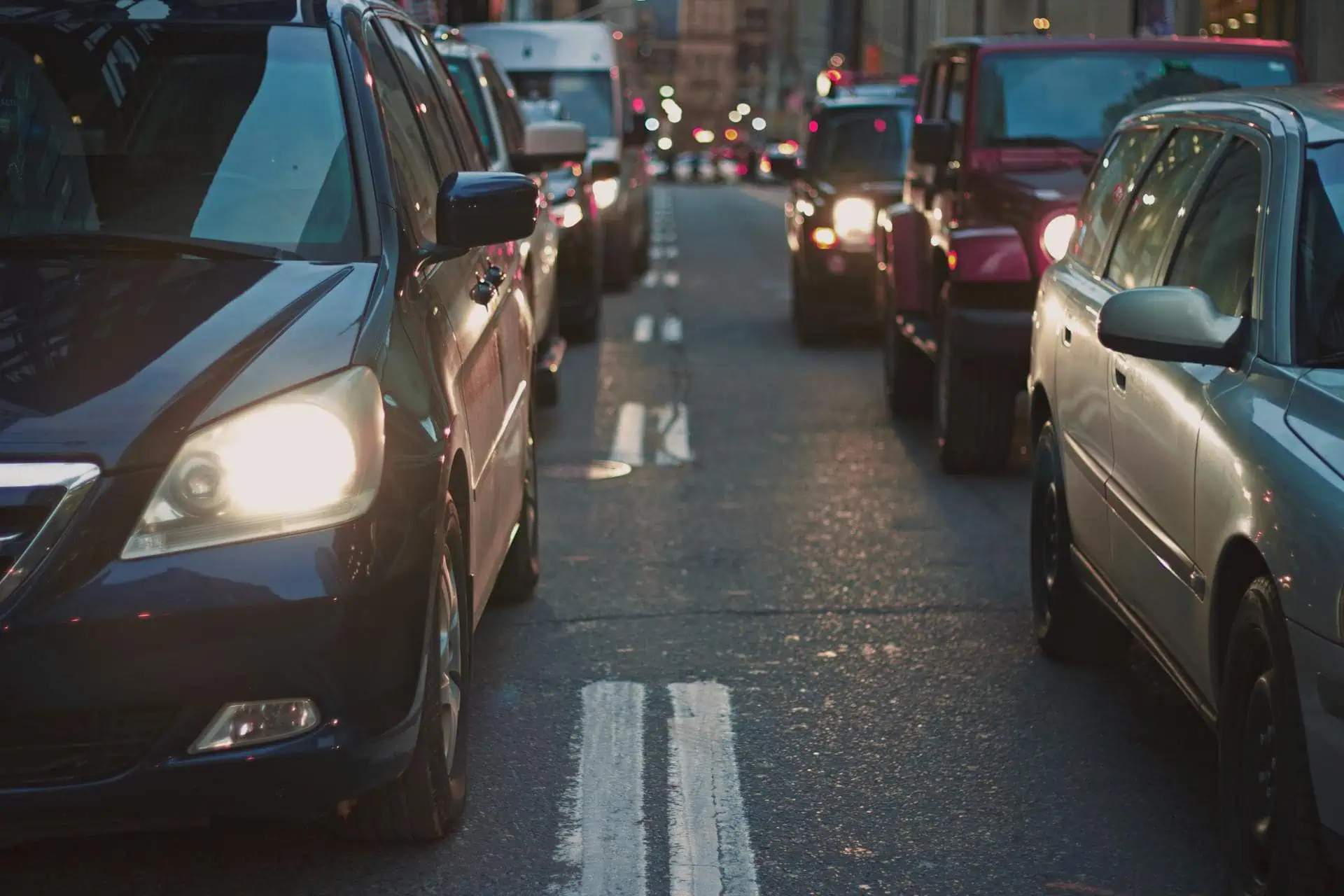
Having a car is more of a necessity than a luxury in the suburbs because public transportation options are often scarce—or entirely nonexistent, so residents rely a lot on personal vehicles. As such, they spend more on gas, maintenance & insurance than people living closer to the city do. Commuting to work or running errands also wastes a lot of time, meaning that the cost of living in the suburbs isn’t just financial.
Restrictive Zoning Laws

Strict zoning regulations in the suburbs limit the types of housing that people may build and, sometimes, affordable housing options are rather scarce due to these restrictions. In doing so, this creates communities that lack economic diversity, which makes it hard for people with different income levels to live there. Only people with money are able to afford life in the suburbs.
Lack of Diversity

Likewise, suburban neighborhoods often have less diverse populations in terms of race & culture, which limits residents’ exposure to different perspectives and experiences. People with similar backgrounds tend to move to the same neighborhoods. It also makes anyone who doesn’t fit the predominant demographic feel left out—the suburbs become less welcoming for everyone. Unfortunately, it’s hard to break out of this homogeneity and it makes every neighborhood look the same.
Inconsistent Community Development

On the other hand, some suburbs grow without much planning and this creates a mix of building styles that lacks a clear & cohesive design. You might see a modern home next to a traditional one—with no real rhyme or reason, which makes some neighborhoods feel disjointed.
Strict Homeowners Associations

Many suburbs have homeowners associations (HOAs) that have strict rules about property appearance & usage, with the aim of keeping neighborhoods tidy. But these regulations are rather overbearing because residents might have to deal with fines for minor infractions like lawn length or house color. It’s a level of control that makes people feel like they have less freedom in their own homes.
Limited Local Job Opportunities

Job opportunities within suburbs are usually quite scarce, which often forces residents to commute long distances for work—creating longer days & increased stress. There’s a real lack of nearby employment options in the suburbs so balancing work and personal life is more challenging than it needs to be. In some industries, especially creative ones, local job opportunities are completely non-existent.
Few Activities for Teens and Young Adults

Suburbs don’t usually have a lot for teenagers & young adults to do since they lack entertainment venues or even social spots. As a result, many younger residents feel bored or disconnected from the world around them which has a negative effect on their overall well-being.
Fewer Options for Eco-Friendly Living

Living green in the suburbs isn’t always easy because recycling programs are often minimal and suburban culture encourages wasteful behavior. Public transportation is also lacking so it’s much harder to reduce carbon footprints, while farmers’ markets usually only exist in the city. Anyone trying to lead an eco-friendly lifestyle will likely feel quite frustrated by these limitations.
Light Pollution Blocking Out the Stars

Likewise, the vast amount of streetlights & illuminated homes in the suburbs creates a lot of light pollution that washes out the night sky almost entirely. Stargazing is nearly impossible and that’s quite disappointing news for anyone who loves looking up at the stars. Instead, you’ll have to travel farther afield to get some unspoiled sights of the night sky.
Overdependence on Chain Stores and Restaurants

Suburban areas are often filled with the same chain stores & restaurants that you’ll find everywhere else and this makes shopping feel monotonous. Even dining is difficult because there’s a significant lack of unique, locally-owned places—just the same chains for miles on end. A lack of small businesses makes the community feel less personal & less connected to local culture.
Disclaimer: This list is solely the author’s opinion based on research and publicly available information.
Like our content? Be sure to follow us on MSN.