Most of us know that the Space Race was an ideological & technological competition between the United States & the Soviet Union. It was kinda like the Olympics, with rockets and satellites instead of athletes! This period was a time that changed the course of history. It also led to rather incredible inventions & innovations that we still use today. As such, here are 13 unbelievable facts about the Space Race that might just surprise you. You won’t need a rocket science degree to understand these!
Featured Image Credit: Y-Boychenko/Depositphotos.com.
The First Satellite Wasn’t American
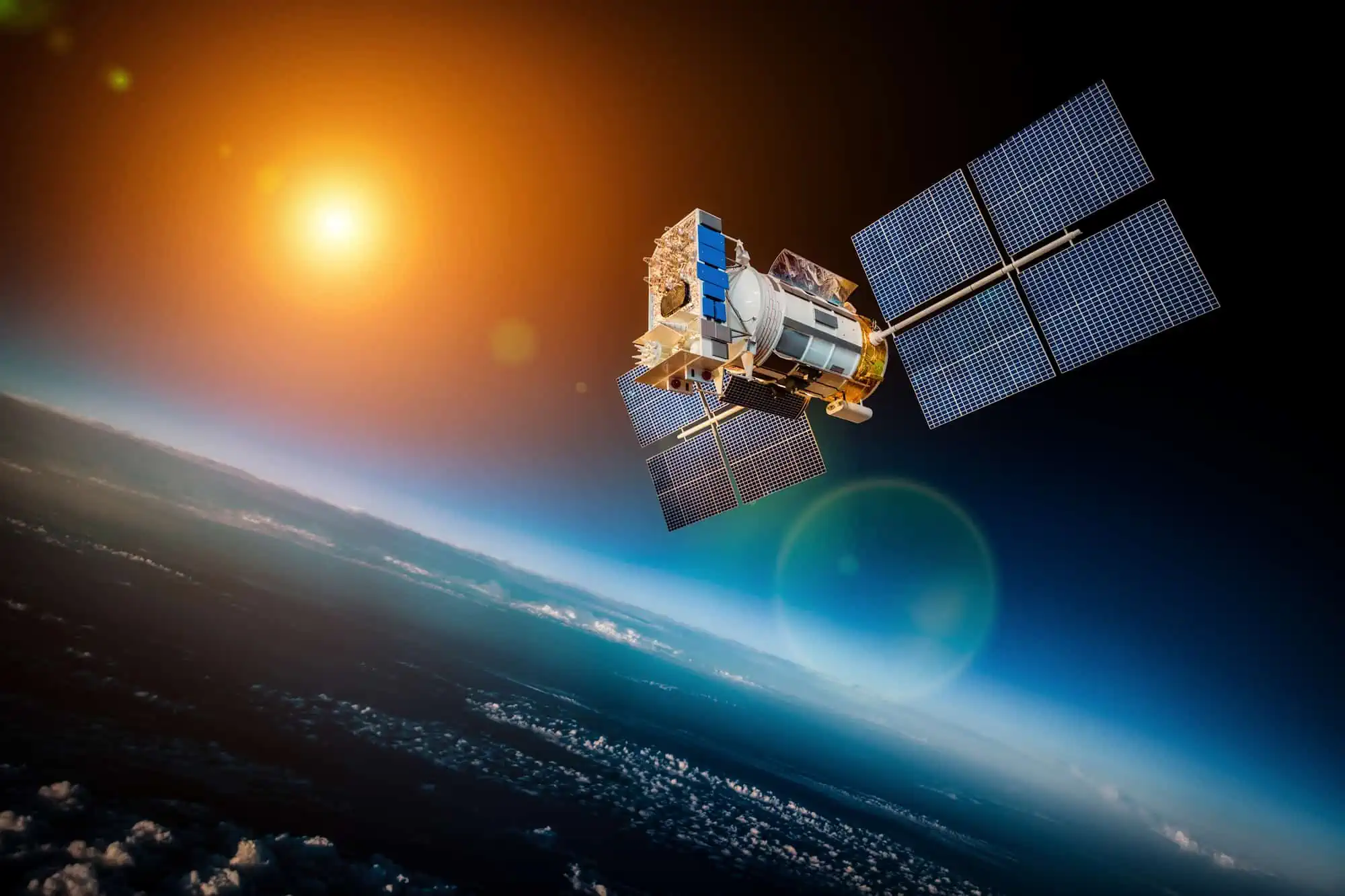
While the US got the first man on the moon, they didn’t get the first satellite in space. That honor goes to the Soviet Union with their launch of Sputnik-1 on October 4, 1957. When they launched this beeping ball into Earth’s atmosphere, it began humanity’s space age. Naturally, it was a huge wake-up call for the US. They had to compete—and so began the Space Race saga.
Space Race Inspired Educational Reforms

The shock of the Soviet Union’s early space successes forced the USA to improve its science & math programs. Enter the 1958 National Defense Education Act. This poured funds into schools for better science, math & tech education to create a whole new generation of engineers and scientists. Later, these people would help create all kinds of new technology.
Like our content? Be sure to follow us.
A Dog Paved the Way for Human Spaceflight
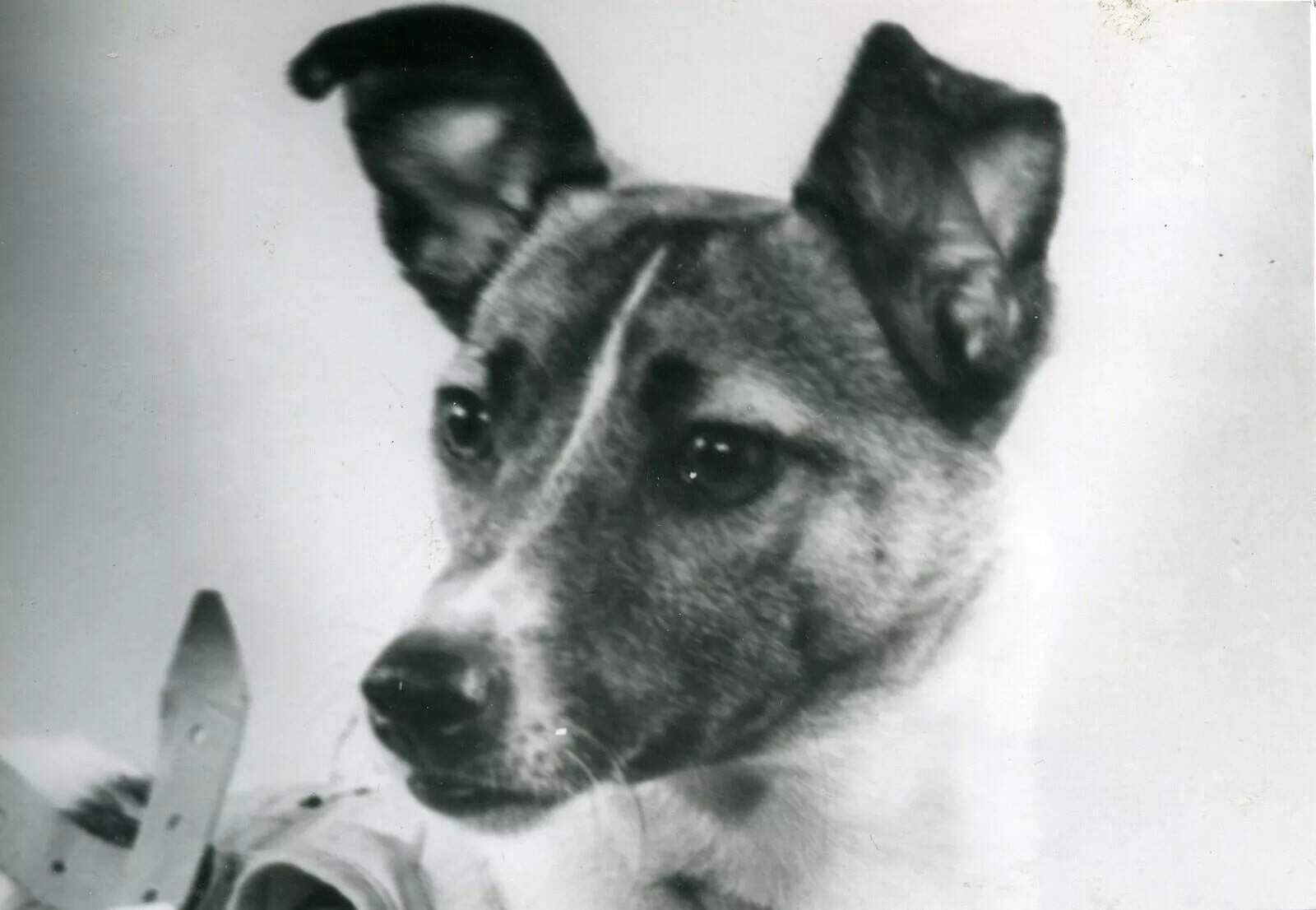
Before humans braved the final frontier, a dog named Laika was the first mammal to orbit our planet when she went aboard Sputnik 2 in 1957. Sadly, scientists didn’t plan for Laika to make it back. She died alone in space, overheated & stressed from the re-entry journey. Still, her journey into orbit tested the life support systems that were necessary for human spaceflight. We wouldn’t be able to go up there without her.
A Bra Manufacturer Made the Astronauts’ Spacesuits
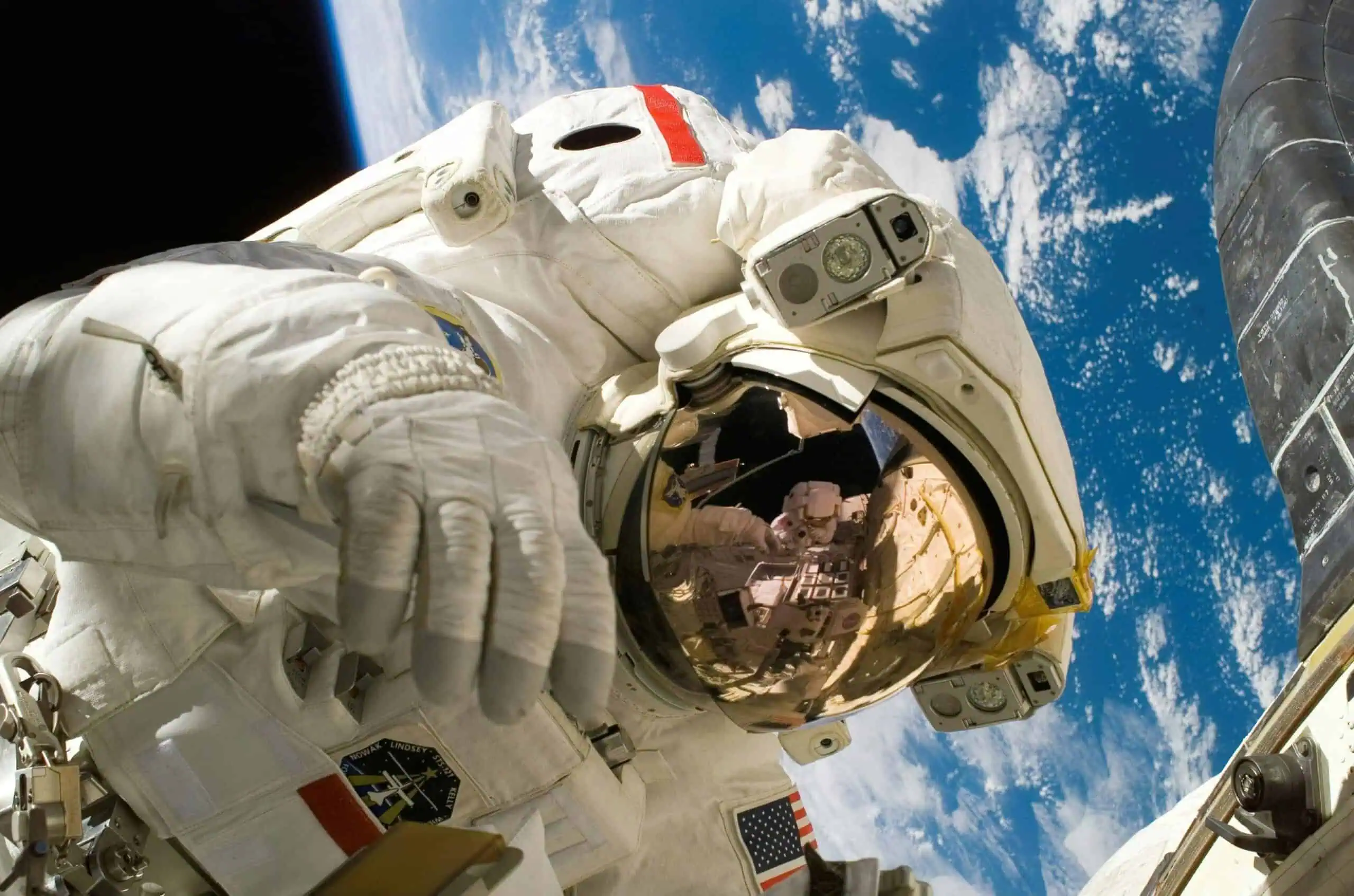
Playtex, the company known for bras & girdles, had a hand (or stitch) in making the Apollo astronauts’ spacesuits. It turns out that making comfortable, flexible undergarments translates rather well into designing spacesuits to handle the harshness of the Moon’s surface! Playtex created both safe & durable spacesuits. These gave astronauts the mobility they needed to walk on the lunar surface.
Space Food Started With Toothpaste Tubes
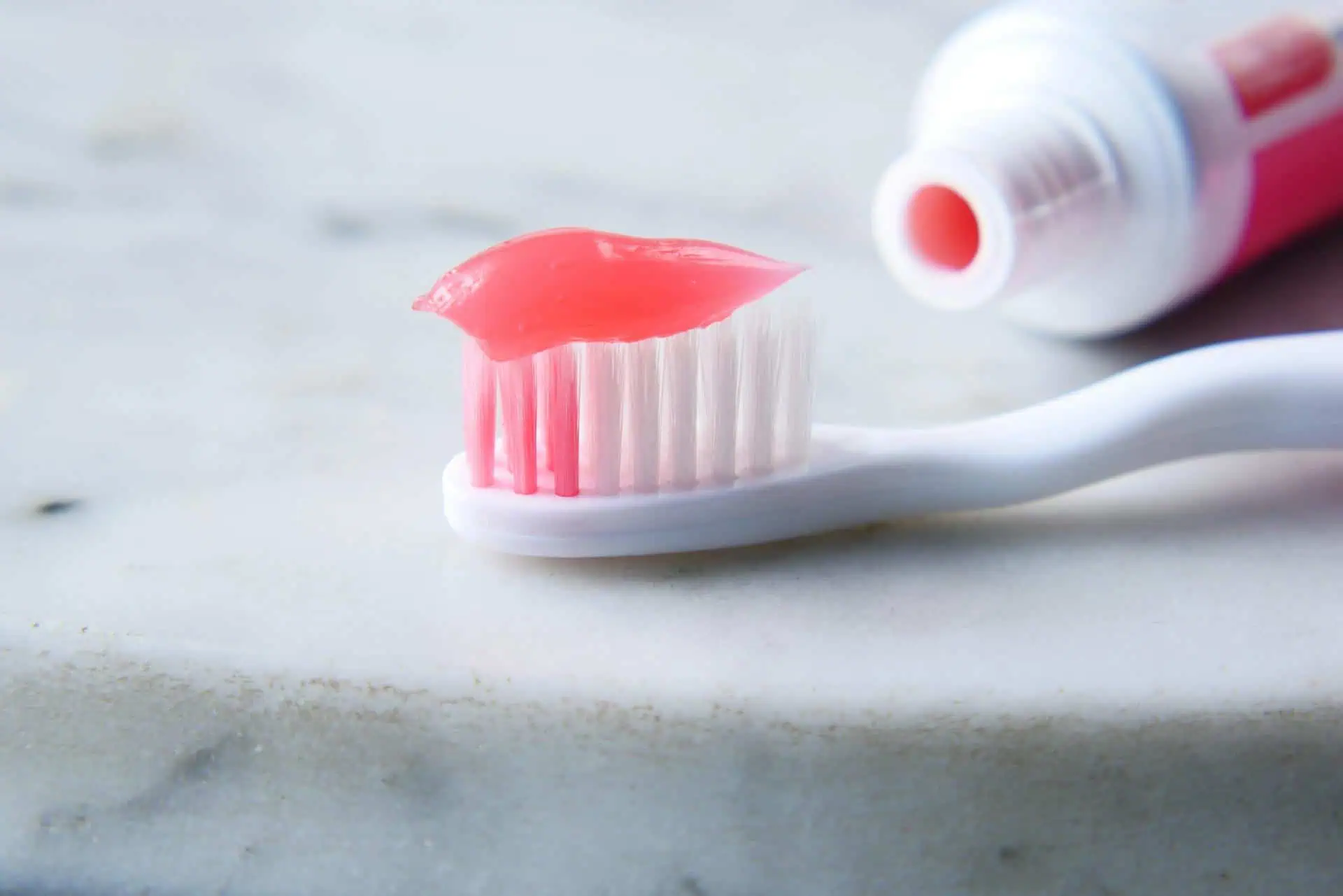
Early astronauts had to squeeze their meals out of tubes, just like toothpaste, which wasn’t exactly gourmet dining. But it did the job! The biggest challenge back then was to provide nutrition in a form that wouldn’t float away in zero gravity. Thankfully, space food has come a long way since then and astronauts now enjoy much more appetizing options. It’s no longer a chore.
A Pen That Writes in Zero Gravity

How do astronauts write down their thoughts or do research in space? It’s all thanks to the Fisher Space Pen, which is capable of writing upside down, in zero gravity & many different temperatures. One small pen for man, one giant leap for pen-kind! If you really want one, you can buy one yourself to use on Planet Earth.
Space Race Led to the Invention of Memory Foam
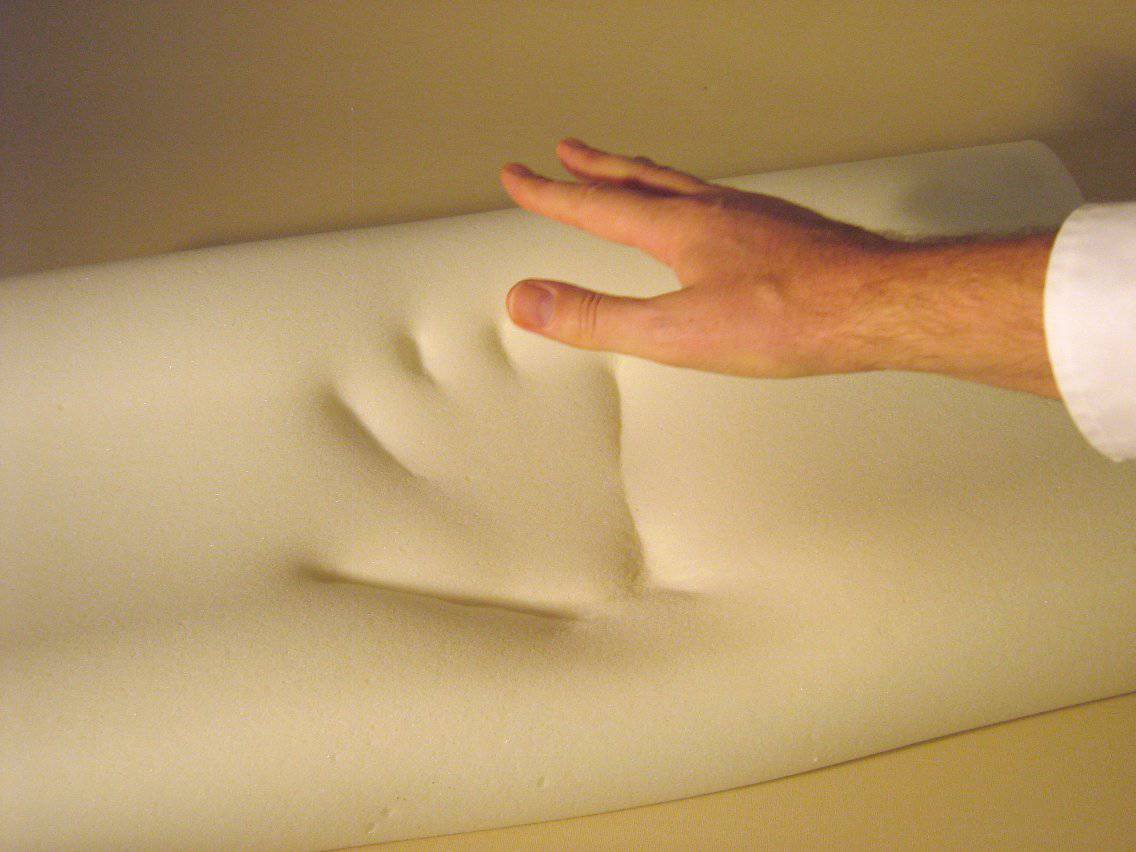
Another useful space invention was memory foam, which you’ll find in most mattresses today. NASA originally designed it to improve seat cushioning & crash protection for pilots and astronauts. Memory foam molds to the body in response to heat & pressure. As such, it has changed mattresses as well as shoes, seating & medical equipment.
The First Space Walk Was Nearly Disastrous

In 1965, Alexei Leonov’s historic spacewalk was almost his last because his suit ballooned in the vacuum of space. This made it nearly impossible to get back into his spacecraft. Thankfully, a highly dangerous method of partially depressurizing his suit saved him. But it was still a close call. Leonov’s quick thinking & bravery saved his life and gave us valuable lessons for future spacewalk protocols.
Satellite Technology Revolutionized Weather Forecasting
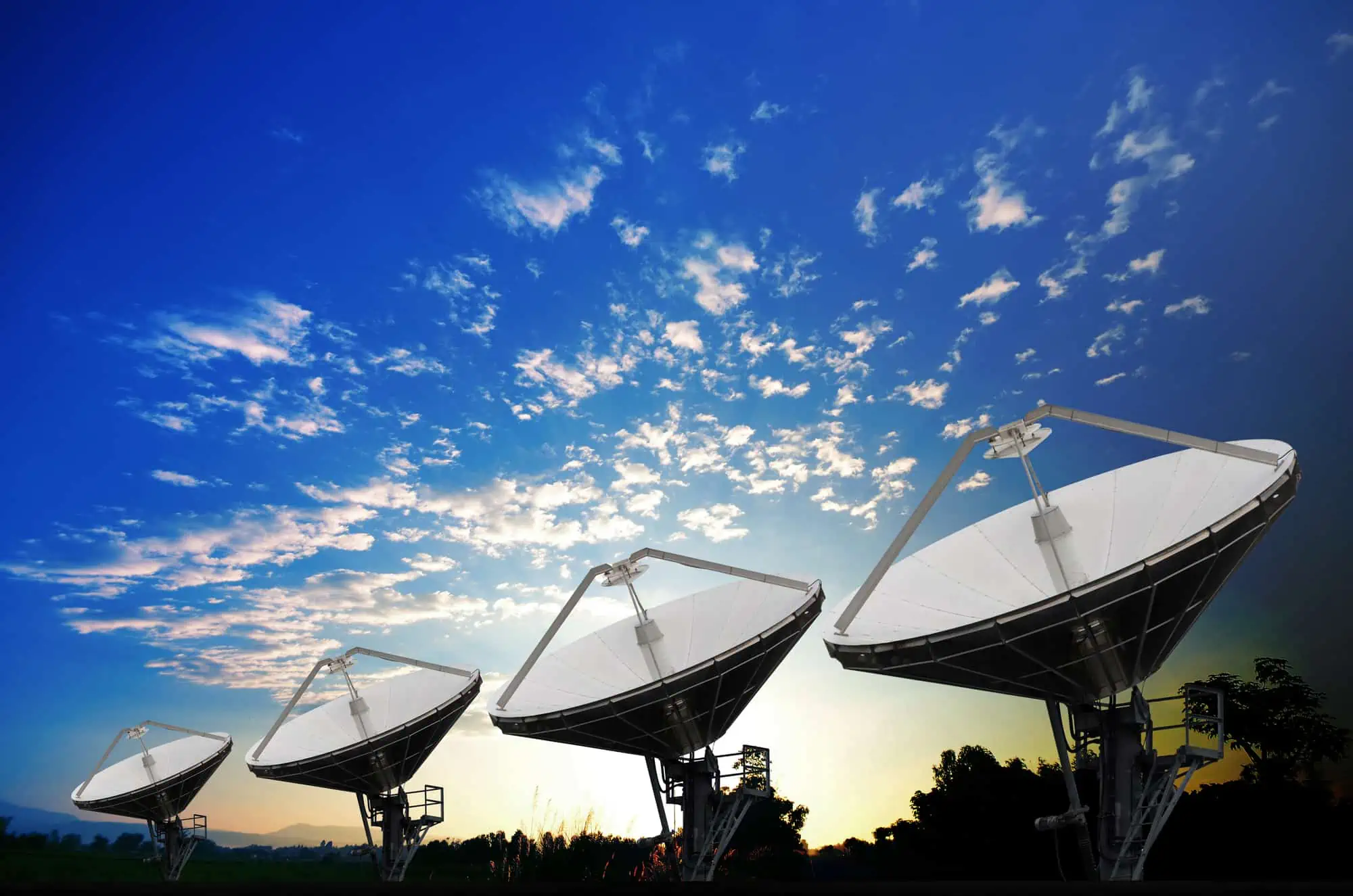
Before satellites, weather forecasting was practically a guessing game—TIROS-1’s 1960 launch changed all that. It gave us a bird’s-eye view of weather patterns that seriously helped meteorologists to predict the weather. In fact, these systems have saved countless lives by improving storm tracking & forecasting. We’re much better prepared for natural disasters.
The Space Race Produced One of the World’s First Global Live TV Broadcast

During the Space Race, we developed satellite technology that allowed people to watch the moon landing live. It all started with the 1967 ATS-3 satellite! Because of this, the entire world can now watch live broadcasts and it began a whole new era when we could share things in real-time. It made the whole world just a little smaller.
Astronauts Trained for the Moon in a Volcano
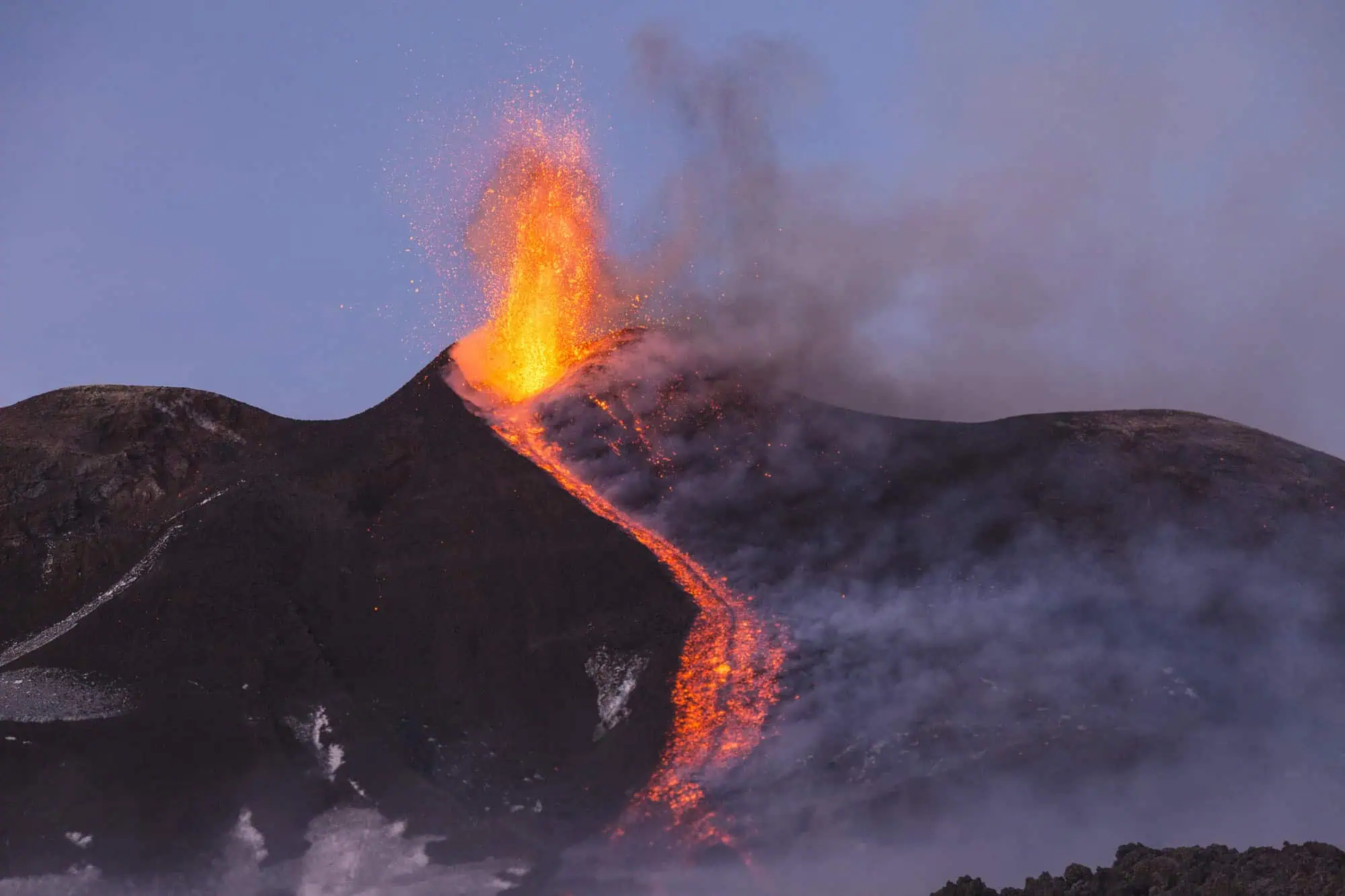
Before going to the Moon, astronauts practiced their moonwalks closer to home—in a volcano no less! They turned the Cinder Lake Crater Fields in Arizona into a mock lunar surface, complete with craters. The goal was to help astronauts prepare for the real deal. Essentially, it gave them a feel for walking on the Moon without leaving Earth.
The First Space Bathroom Was a Bit of a Challenge

One of the less glamorous aspects of space travel is going to the bathroom. Initially, the solution was rather basic & not so pleasant—early astronauts had to use diapers. They were exactly what you’re imagining! However, technology has since improved and modern spacecraft are equipped with more sophisticated waste management systems. But those early missions took “answering nature’s call” to a whole new level!
The Moon Smells Like Spent Gunpowder

When the Apollo astronauts got back inside their lunar module after being on the moon, they noticed something weird. The moon dust clinging to their suits smelled a lot like spent gunpowder. What’s going on?! Since the moon has no atmosphere or water, this keeps its chemical makeup quite stable. And that’s what makes it smell like gunpowder!
Disclaimer: This list is solely the author’s opinion based on research and publicly available information.
Like our content? Be sure to follow us.
Read More: