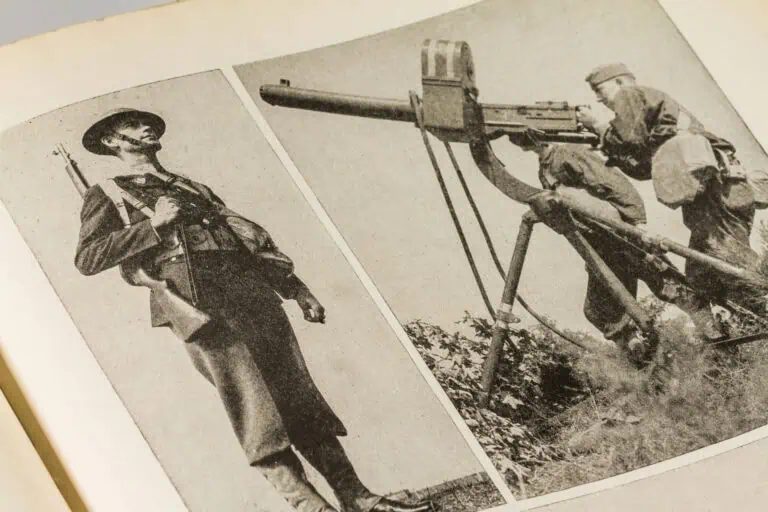

Unfortunately, some of the most bizarre, uncomfortable, or just plain ignored moments in U.S. history don’t make it into school textbooks—and it’s not because they’re conspiracy theories. In fact, they’re actual events backed by historical documents, yet for one reason or another, they often get left out. Let’s fix that. Here are twelve things that happened in America that your history class probably skipped.
Featured Image Credit: aetb /Depositphotos.com.
Battle of Blair Mountain (1921)
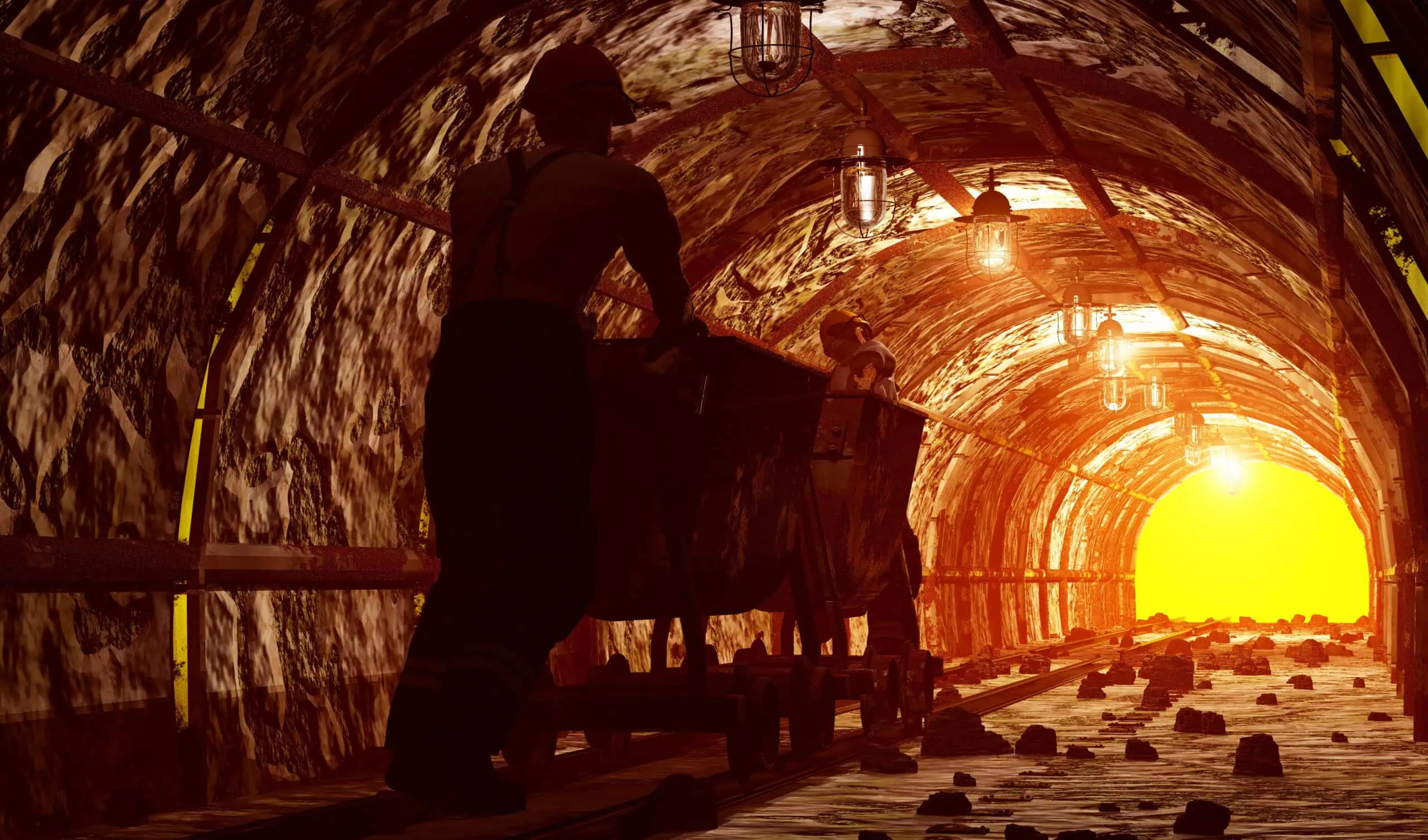
The Battle of Blair Mountain was the largest labor uprising in U.S. history & the biggest armed uprising since the Civil War. It involved around 10,000 coal miners in West Virginia picking up rifles and fighting against law enforcement and hired private guards—the U.S. Army had to get involved to sort things out. However, most schools leave this event out when they’re talking about labor history and they fail to teach their students the importance of such an event.
Bonus Army March (1932)
Almost every American history student learns about the Great Depression, but hardly any of them are taught about the Bonus Army March. During this march, over 40,000 people—including 17,000 WWI veterans—camped in Washington, D.C., and they asked for an early payment of a promised bonus. But instead of getting the help they asked for, troops led by General MacArthur tear-gassed and pushed out the lot of them.
MOVE Bombing in Philadelphia (1985)

The city of Philadelphia once dropped a bomb on a rowhouse where a Black liberation group called MOVE was living, with the resulting fire destroying 61 homes & killing 11 people, including children. It’s one of the only times a U.S. city has bombed its own citizens and it’s barely mentioned in school history lessons. Rather than putting the fire out, the police let the fire burn and they arrested survivors—but no city officials were held criminally responsible for any of it.
The Business Plot (1933)

The Business Plot involved a group of wealthy businessmen who planned to remove President Franklin D. Roosevelt and install a fascist-style government. They approached Marine General Smedley Butler to lead it, but he turned them in, with Congress later holding hearings over the case. Butler testified under oath and said he was offered money & support to raise a private army of veterans. Unfortunately, nobody was ever officially charged and the whole event was swept under the rug.
Wilmington Coup (1898)

As part of the Wilmington Coup, an elected, racially integrated government in Wilmington, North Carolina, was overthrown by a white mob, who burned buildings & killed Black residents. They also forced officials to resign—it was a full-on coup in the U.S., yet most students never hear a word about it in school. The incident wasn’t even a secret because the people who did it published their plans ahead of time in the newspaper.
Ludlow Massacre (1914)
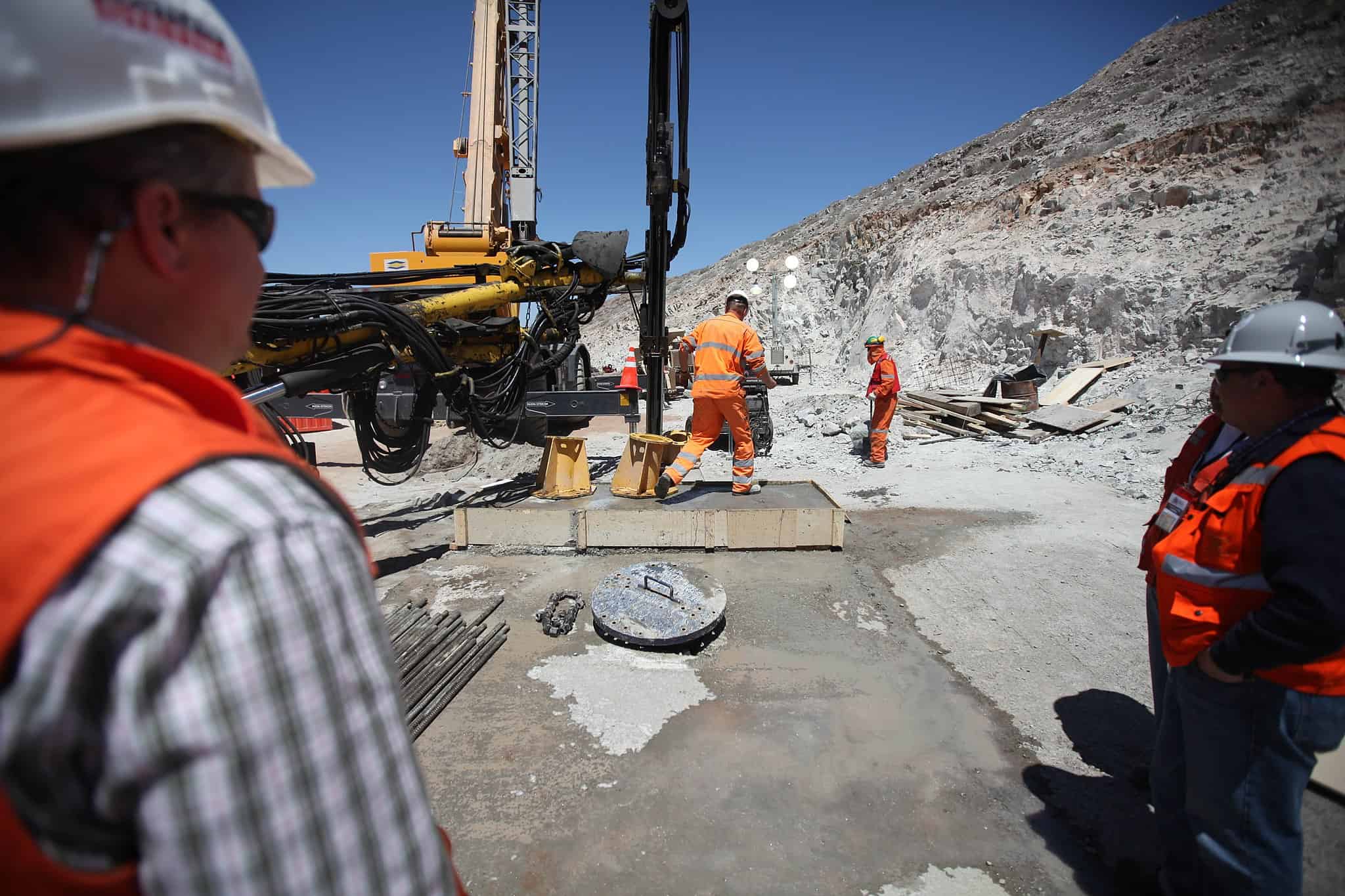
During a coal miners’ strike in Colorado, the National Guard and company guards opened fire on a tent colony of strikers, killing at least 20 people, including women & children. This was known as the Ludlow Massacre and the miners had been protesting unsafe conditions, unfair pay, and child labor. The police set the miners’ tents on fire and some of the people killed were hiding in underground pits dug beneath the tents for shelter.
San Francisco Plague Outbreak (1900–1904)

While most of us think of the bubonic plague as a medieval disease, it’s actually still very much a danger today—just ask anyone who lived in San Francisco’s Chinatown during the early 20th century. There was an outbreak that the local leaders covered up to protect tourism and real estate. Quarantine efforts targeted only Chinese residents, even though the disease didn’t discriminate, with the governor at the time trying to shut down the doctors involved. It took years for the truth to fully come out.
Red Summer (1919)
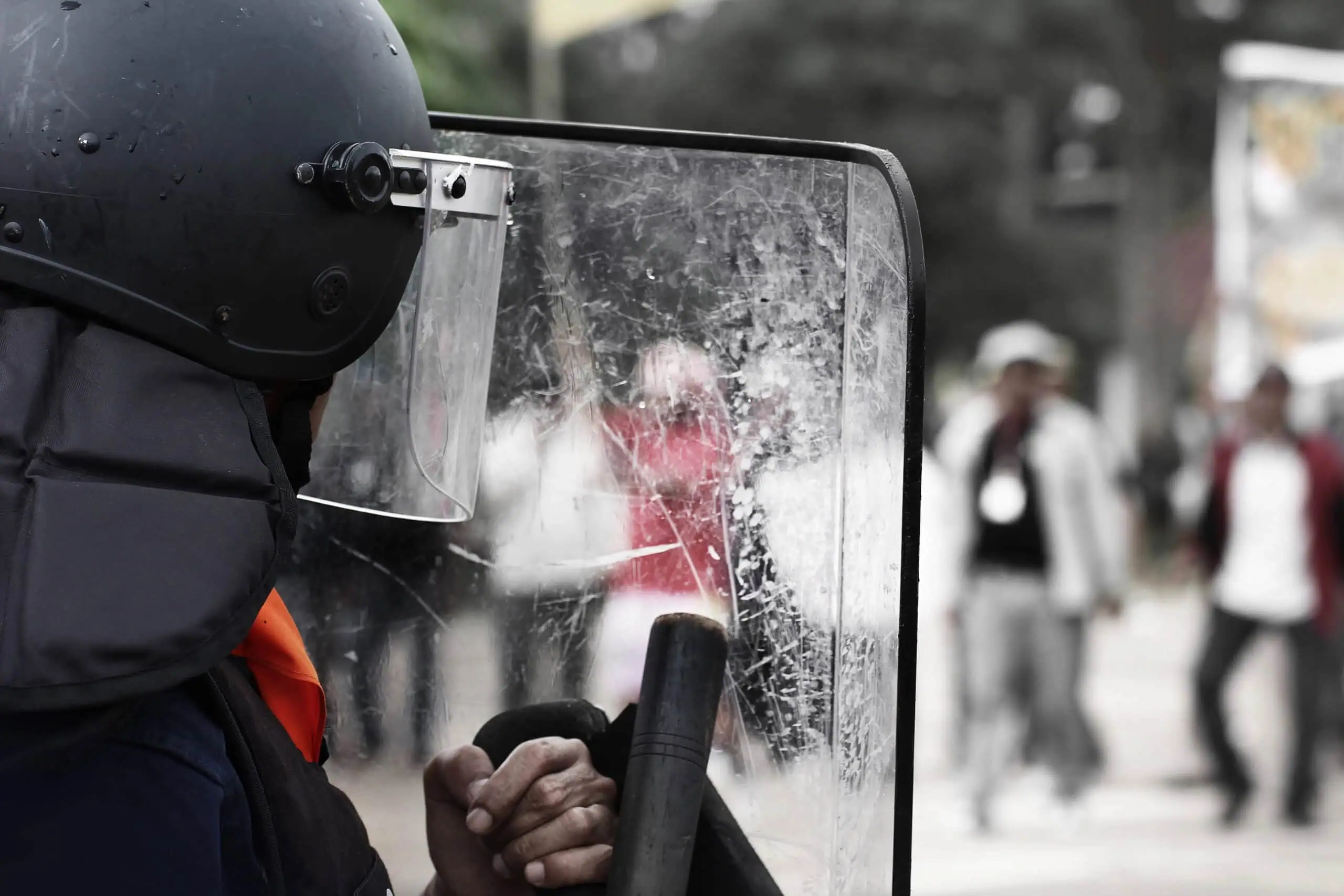
In the summer and early fall of 1919, race riots erupted in over 30 U.S. cities as part of something called the Red Summer. It started after a Black teenager was killed in Chicago for crossing an invisible line at the beach—what followed was days of violence, with armed white mobs attacking Black communities. Black veterans who had just returned from WWI tried to defend their neighborhoods, yet many of them were arrested for it.
Operation Paperclip
Right after World War II, the U.S. quietly brought over more than 1,600 German scientists—some of whom were former Nazis—to work on space & weapons programs under Operation Paperclip. The government scrubbed the scientists’ Nazi links from many of their records so they could get visas, even though some had been involved in building weapons for Hitler. Others had used forced labor in their research and were given jobs, houses & even citizenship by the U.S. government.
The Dakota 38 Execution (1862)
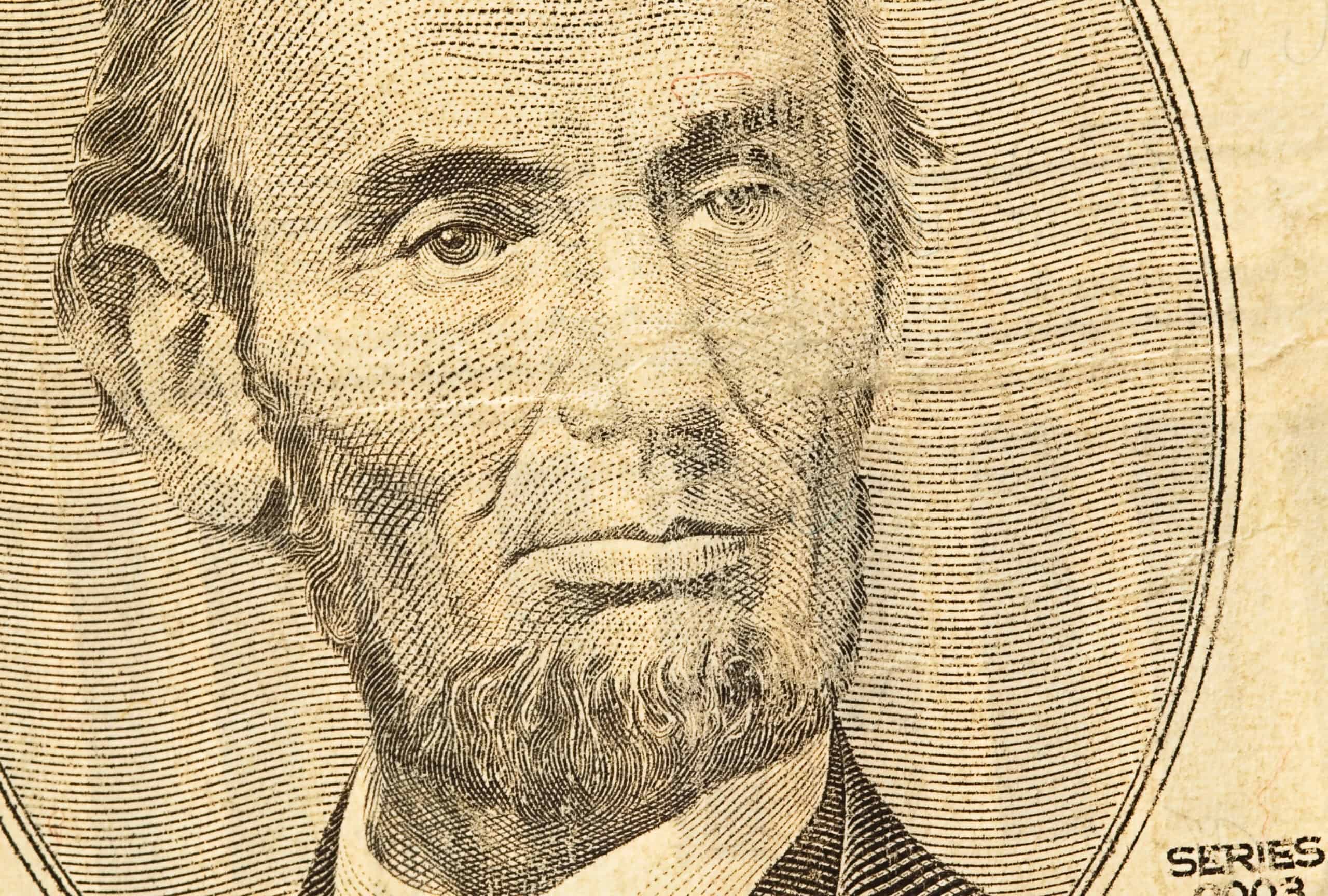
During the U.S.–Dakota War, President Lincoln approved the hanging of 38 Dakota men in Minnesota, which later became the largest mass execution in U.S. history and was known as the Dakota 38 Execution. The war started after years of broken treaties & unpaid annuities left Dakota families starving. After the fighting ended, over 300 men were sentenced to death, but Lincoln reduced the number after reviewing the cases—he still allowed for nearly 40 people to be killed, though.
St. Augustine’s Slave Rebellion (1687)
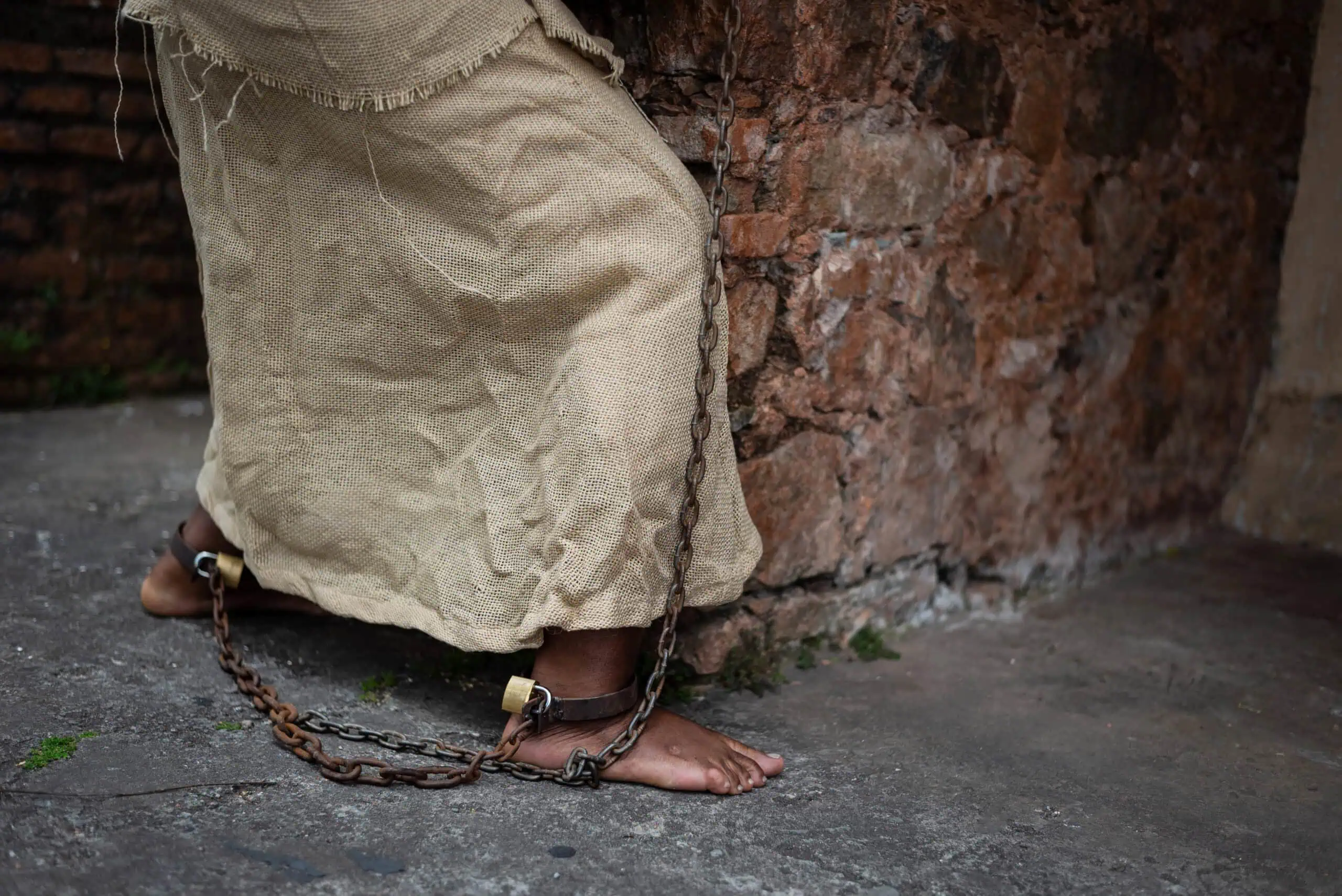
In 1687, a group of African slaves escaped from the British colonies and fled to Spanish Florida—Spain promised them freedom if they converted to Catholicism & defended the territory. They made it to St. Augustine and while the British colonists demanded they be returned, Spain refused. These runaways eventually formed Fort Mose, which became the first free Black settlement in the modern United States.
The Chicano Moratorium (1970)
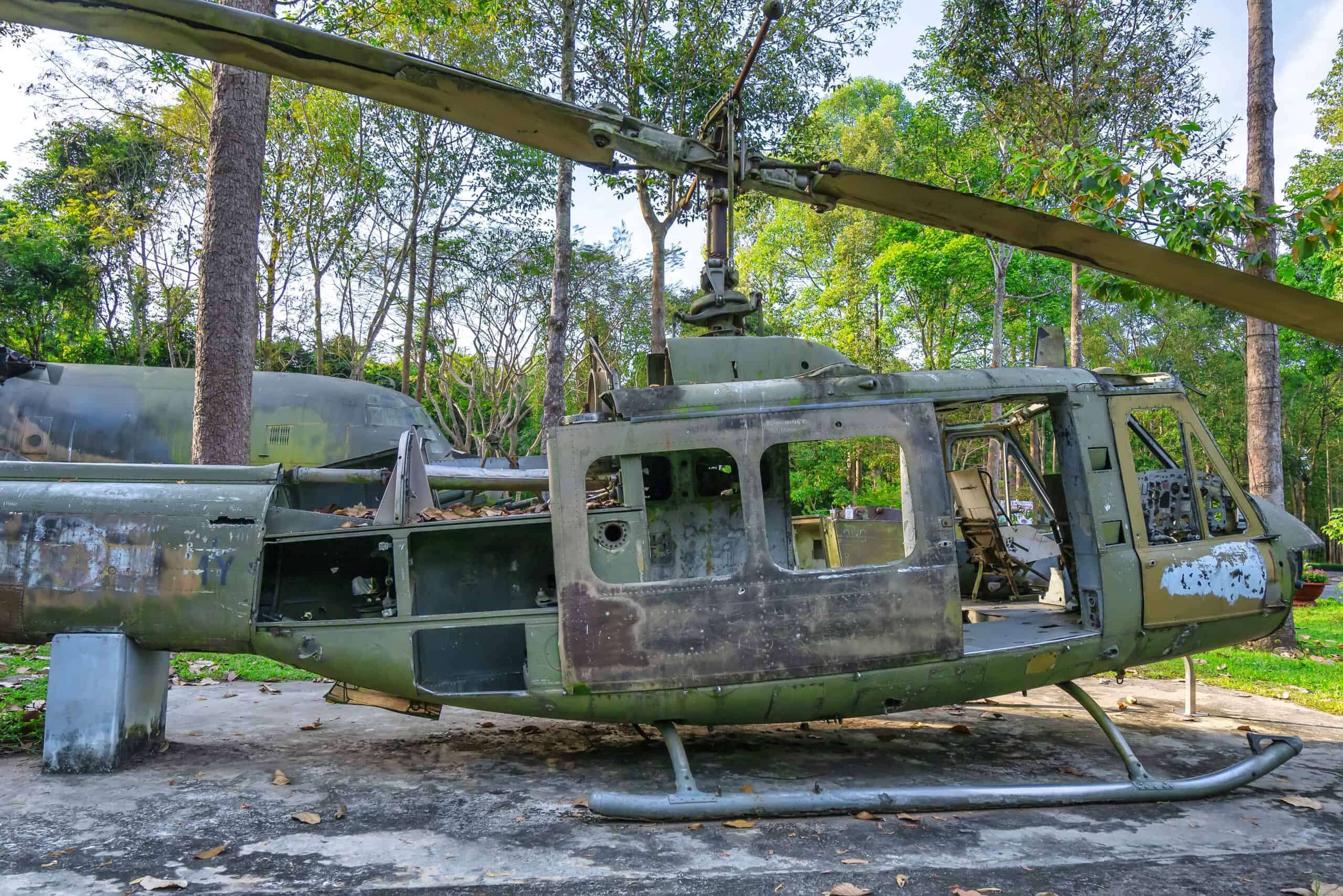
On August 29, 1970, over 20,000 people in East Los Angeles marched to protest the Vietnam War and how it was unfairly sending Mexican-American men to fight & die. It started peacefully—but it ended in chaos when police showed up and cracked down. A well-known journalist, Ruben Salazar, was killed by a tear gas canister fired into a bar, with his death leading to more protests.
Disclaimer: This list is solely the author’s opinion based on research and publicly available information.
Like our content? Be sure to follow us on MSN.
Read More: