

Parenting is one of the most challenging jobs out there – no one gets it perfect at all times. Repeated toxic habits can deeply damage a child’s self-esteem, emotional stability, and ability to build healthy relationships in the future. Many parents are not aware of their harmful actions and the extent of the damage they cause. The first step in breaking the destructive cycle begins with recognizing toxic parenting behaviors. In this list, let’s examine 10 parenting habits that damage kids.
Featured Image Credit: Wavebreakmedia /Depositphotos.com.
Constant Criticism

Kids need guidance. But constant negative feedback about their actions will make them believe they will never be good enough. Comments like “Why are you so lazy?” and “You always mess things up” leave a long-lasting impact on children. They will grow up to feel like failures or become perfectionists who fear making mistakes.
Using Guilt and Shame as Discipline

When parents say, “After everything I do for you, this is how you treat me?” they are guilt-tripping their kids and teaching them that love and acceptance depend on meeting certain conditions. Adults who have learned to earn affection during their childhood will develop difficulties with establishing boundaries and maintaining self-worth later in life.
Ignoring or Dismissing Their Feelings

Responses like “Oh, stop crying, it’s not a big deal” or “You’re just being dramatic” may appear harmless but they send a message to children that their emotions are not important. Children who learn that their feelings are dismissed may eventually stop sharing their emotions, which can create emotional problems later in life.
Controlling Every Aspect of Their Life

Parents who practice helicopter parenting may have good intentions. But their constant control over their children’s clothing choices, friendships, or their hobbies makes kids feel confined. Over time, these children may display rebellious behavior or they may face challenges when trying to make independent choices during adulthood.
Comparing Them to Others

When children hear things like “Why can’t you be more like your brother?” or “Sarah is so much smarter than you,” their self-esteem can be seriously damaged. Children who face comparisons either develop self-doubt about their abilities or become overly concerned with proving their worth.
Never Apologizing When You’re Wrong

Parents who believe that adults shouldn’t say sorry think it reflects strength. When adults refuse to acknowledge their mistakes, kids learn that grown-ups aren’t held accountable for their actions. And guess what? Children raised without accountability end up having trouble taking responsibility for their actions as adults.
Making Love Conditional
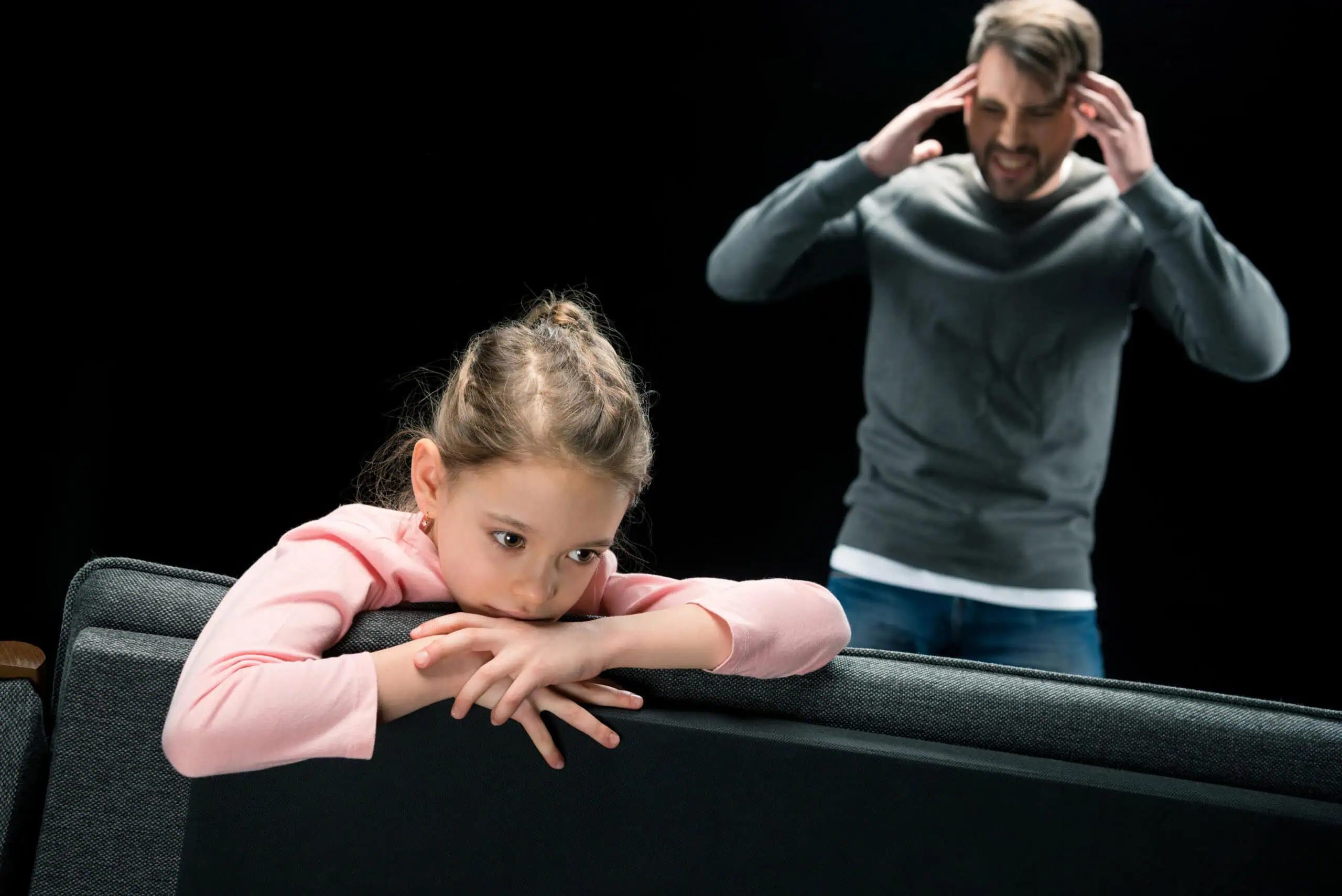
Have you seen how certain children receive praise only when they earn a trophy or achieve academic excellence or fulfill parental expectations? This teaches children that they must earn love through their achievements. Parents must make sure that kids know they love them no matter what.
Projecting Your Own Dreams Onto Them
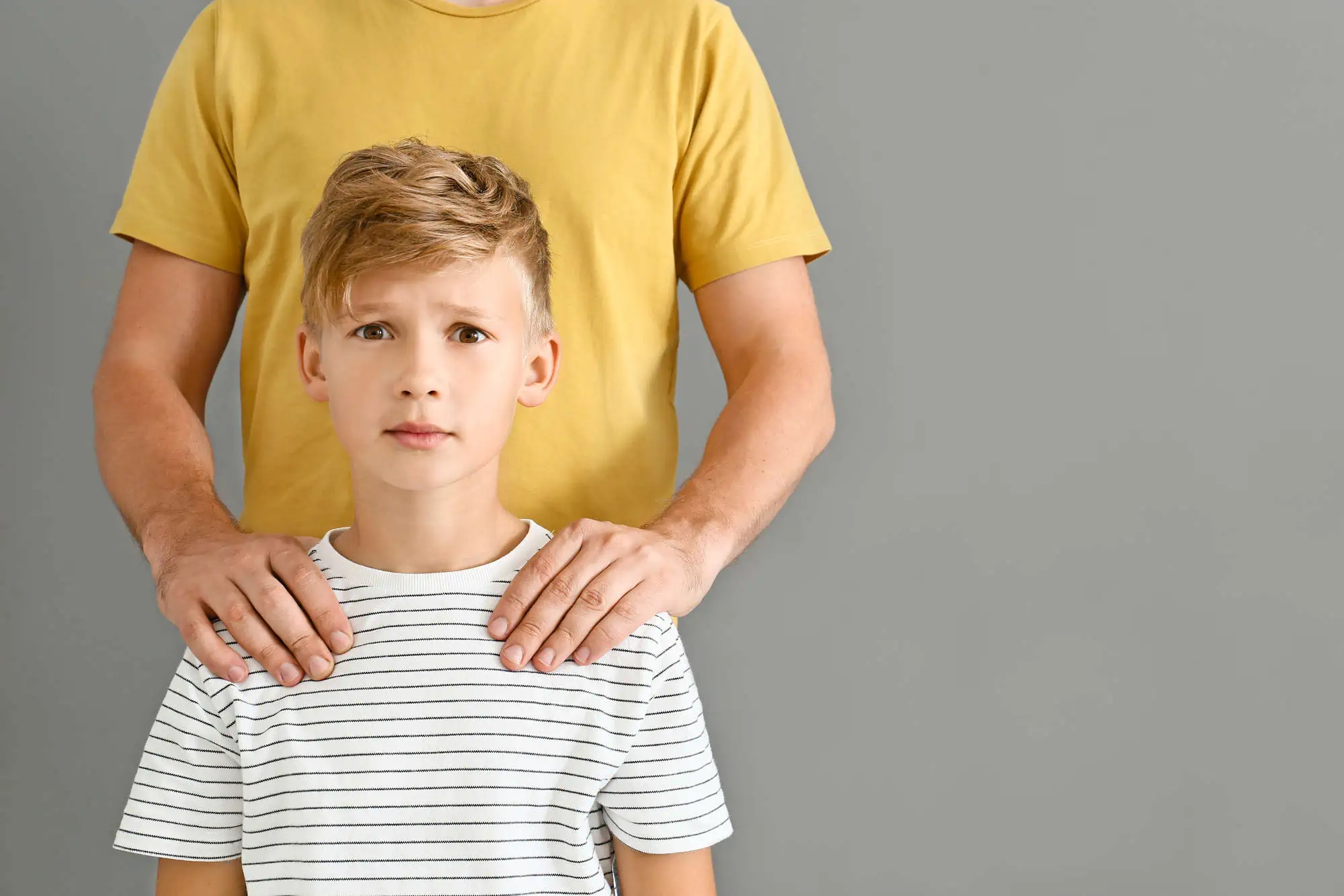
Although you wanted to become a doctor all your life, that doesn’t automatically mean your child shares your ambitions. When you make them live your unrealized dreams, they end up feeling confined and develop resentment. They should have the freedom to pursue what excites them instead of fulfilling their dreams.
Using Fear Instead of Respect

Children who follow instructions to avoid yelling or harsh punishments do not show genuine respect. That’s intimidation. The approach fails to teach children about the importance of doing the right thing because it only focuses on preventing them from being caught.
Not Letting Them Express Themselves

When you say to children, “You can’t wear that because it’s embarrassing,” or tell them to “Stop talking about that because it’s weird,” it makes them feel their true selves are unacceptable. Eventually, they may hide their genuine personality to comply with social expectations.
Disclaimer: This list is solely the author’s opinion based on research and publicly available information.
Like our content? Be sure to follow us on MSN.