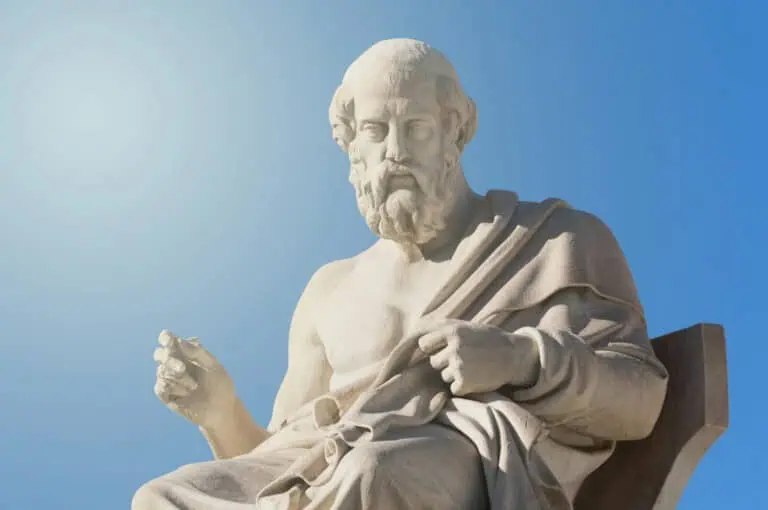

In every era, some people seem so ahead of things that you can’t help but wonder if they have a time machine! Sadly, we’re many years away from those. But these people still came up with ideas that seemed out of sync with their era—yet we can’t imagine living without their contributions these days. Here are eleven of these people. They were shockingly ahead of their time & we’re going to look at what made them so significant.
Featured Image Credit: araelf/Depositphotos.com.
Leonardo da Vinci’s Flying Machines
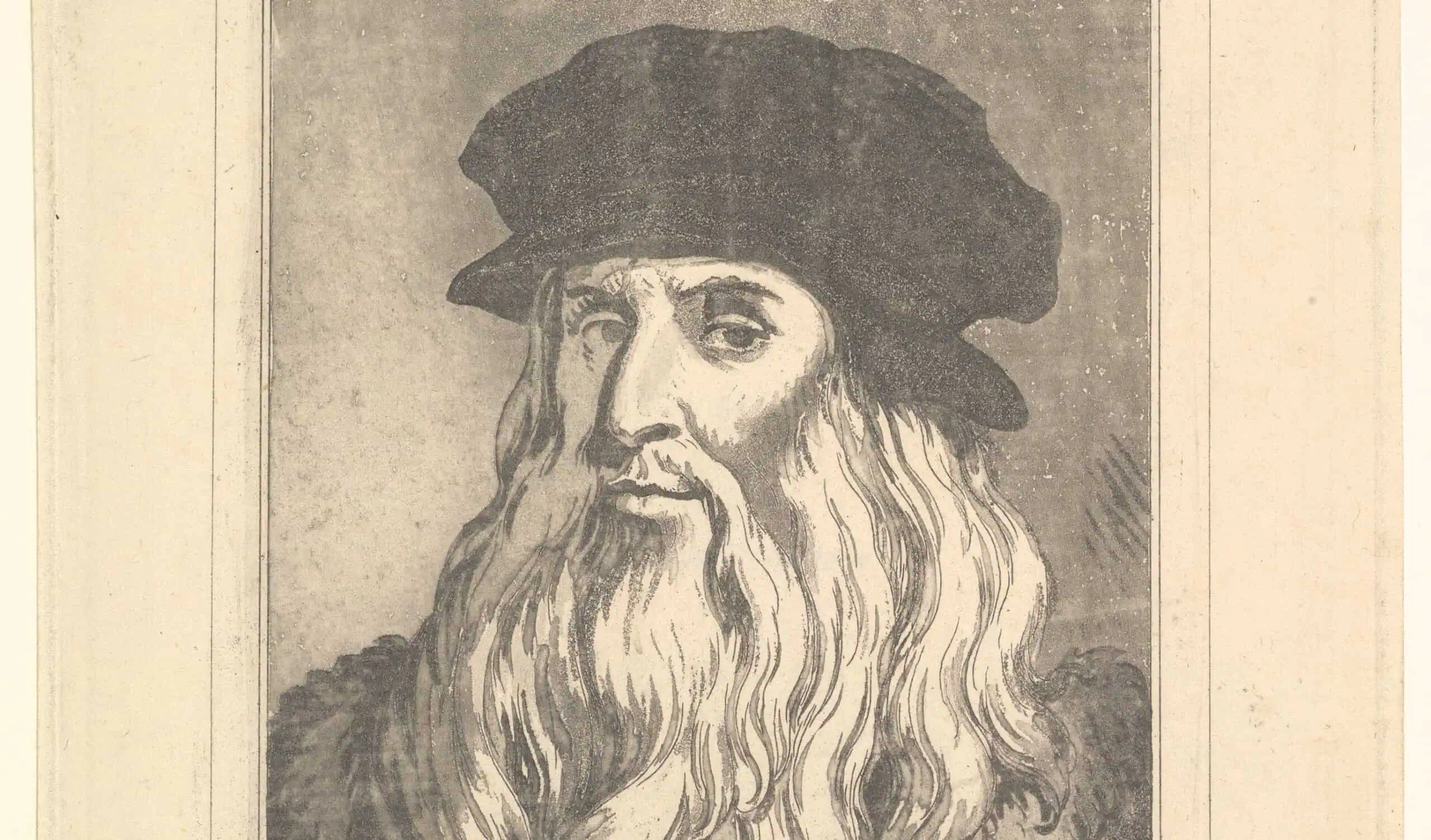
Leonardo da Vinci didn’t just care about painting mysterious smiles. Back in the 15th & 16th centuries, he sketched flying machines that make you think he was aiming for a career at NASA! His designs included the ornithopter. He tried to get humans off the ground & into the air 400 years before the Wright Brothers eventually did.
Nikola Tesla’s Wireless Communication

Nikola Tesla was the original king of wireless. Long before we were all glued to our smartphones, Tesla dreamed up ways to get everyone connected without wires. His work on the Tesla coil & experiments to send messages across the airwaves laid the foundation for the Wi-Fi and Bluetooth tech we can’t live without today. He was truly ahead of the curve!
Like our content? Be sure to follow us.
Ada Lovelace and Computer Programming
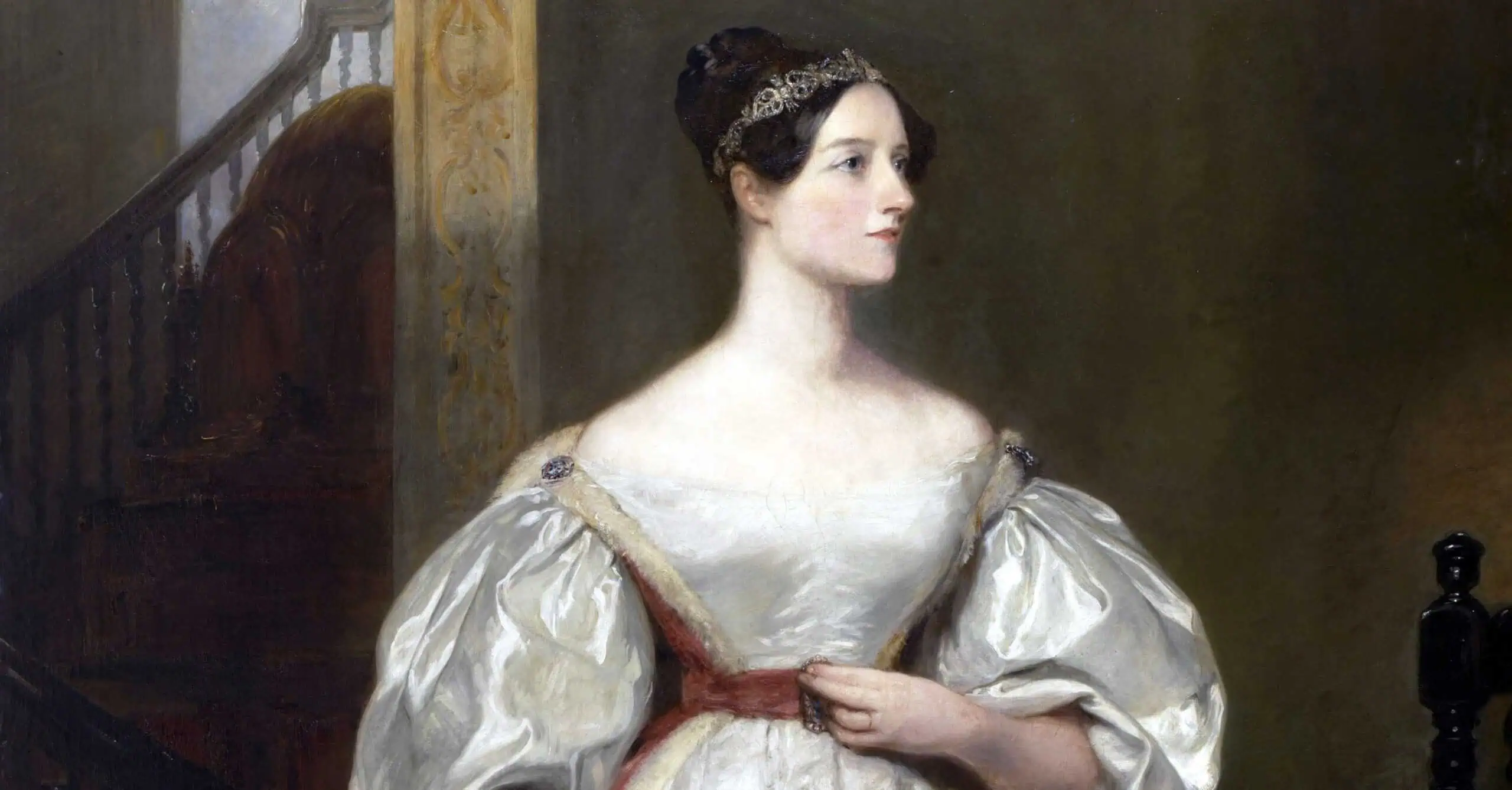
Essentially, Ada Lovelace was the first computer geek—and we mean that in the best way. In the mid-19th century, she saw beyond the numbers to imagine a world where computers could do more than just calculations. She wrote the first algorithm for Charles Babbage’s Analytical Engine. We owe a lot of our technology to her early start in programming.
Jules Verne’s Submarine

Jules Verne wrote sci-fi before it was even a genre with books like “Twenty Thousand Leagues Under the Sea.” In it, he described a submarine that could do things only modern nuclear subs can achieve. He predicted underwater exploration & technology with a level of detail that’s downright spooky. And he did it decades before it came to be.
Hedy Lamarr’s Frequency Hopping

Hedy Lamarr was a Hollywood star yet also a brilliant inventor. She co-created a technology called frequency hopping which was designed to keep enemy ships from messing with torpedo guidance systems. It’s kinda like the granddaddy of Wi-Fi and Bluetooth. Whenever you’re streaming your playlists on Spotify or Apple Music, just remember you have Lamarr to thank for her off-screen genius.
Heron of Alexandria’s Steam Engine

In the 1st century AD, Heron of Alexandria created the first steam engine. Yes, really! He built the aeolipile which demonstrated how steam could turn into rotary motion. It was far simpler than steam engines that we know—but still, it was essentially the first of its kind. We wouldn’t realize the full potential of steam power until many centuries later.
Gregor Mendel’s Genetics
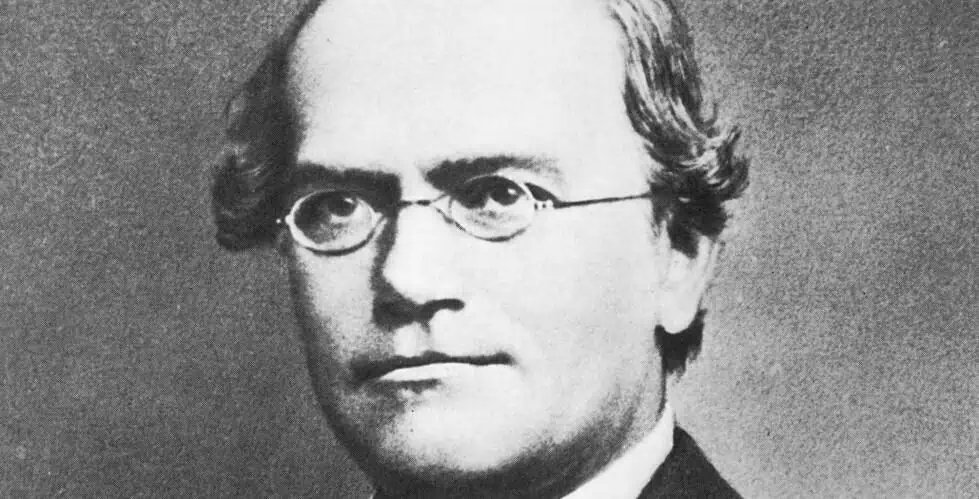
Gregor Mendel was a quiet Austrian monk who did a lot of important work with pea plants. In fact, he laid down the laws of genetics without even realizing it. His experiments in the 19th century demonstrated how we pass down traits through generations. Of course, it took a while for the scientific community to catch up. But catch up it did.
Archimedes’ Calculus

Archimedes was doing calculus in the 3rd century BC and his method of exhaustion focused on getting as close as possible to calculating areas & volumes. This created the groundwork for what would much later become integral calculus. You wouldn’t be able to do your math homework without any of the formulas he worked on!
Ibn al-Haytham’s Optics
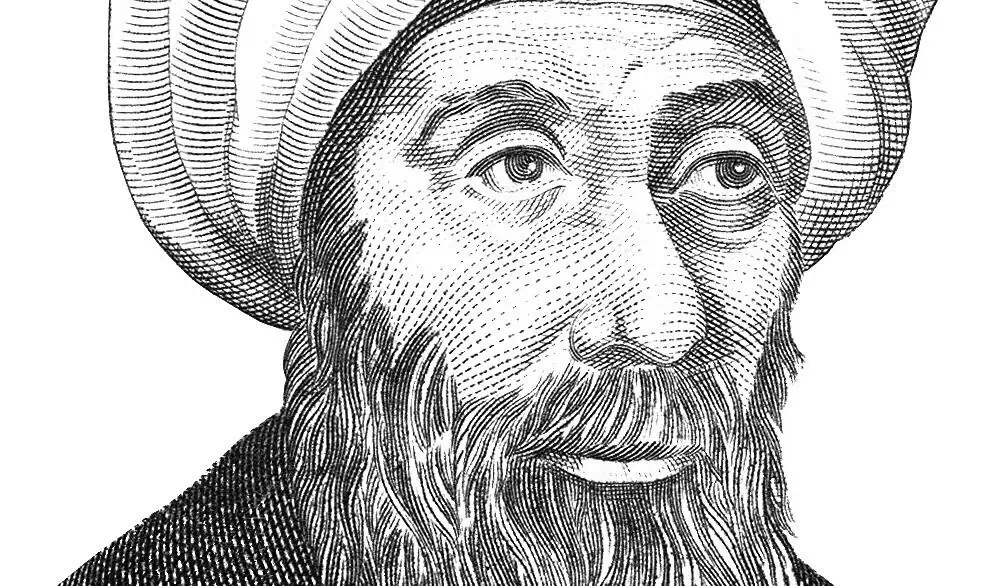
In the 11th century, Ibn al-Haytham figured out how we see & how light works. Most importantly he understood why it’s important that it travels in straight lines. His “Book of Optics” taught us a lot about how our eyes & lenses work. Without his curiosity, who knows how long it would’ve taken us to understand these vision basics?
Rosalind Franklin and the DNA Double Helix

While Rosalind Franklin might not be a household name, her work is why we know so much about DNA today. In the early 1950s, she used X-ray diffraction to take a photo of DNA that showed its double helix structure for the very first time. This photo taught us how DNA works & replicates. It opened the door to genetics in a way that scientists are still exploring today.
Alfred Wegener’s Continental Drift

Last but not least, in 1912, Alfred Wegener had the wild idea that the continents are not fixed in place. He argued they move across Earth’s surface over time. At the time, people thought this was way too crazy to be true—yet now we know differently. Wegener’s theory of continental drift later became the plate tectonics theory that we take for granted in geology today.
Disclaimer: This list is solely the author’s opinion based on research and publicly available information.
Like our content? Be sure to follow us.
Read More: