

Even the smartest experts get things wrong sometimes! History is full of times when specialists made predictions or decisions that didn’t quite pan out. As such, here are twelve times when experts were completely off base, leading to some surprising outcomes. Take these moments as a reminder that everyone makes mistakes—no matter how experienced they are.
Featured Image Credit: luismolinero /Depositphotos.com.
Decca Records Rejecting The Beatles

Back in 1962, The Beatles auditioned for Decca Records and hoped to land a deal. But the label’s executives turned them down. They famously said, “Guitar groups are on the way out” and didn’t see any future for the band in show business—how wrong they were! Decca missed out on signing one of the biggest musical acts ever.
Underestimating the Future of Automobiles

At the start of the 20th century, many experts thought the automobile was just a passing fad & they believed horses would remain the main mode of transportation. They dismissed cars as both dangerous and impractical. However, such skepticism missed the rapid changes in automotive technology that would soon make cars a part of daily life worldwide. By the 1920s, cars were much more affordable & it was thanks in part to Henry Ford.
Misjudging the Demand for Home Computers
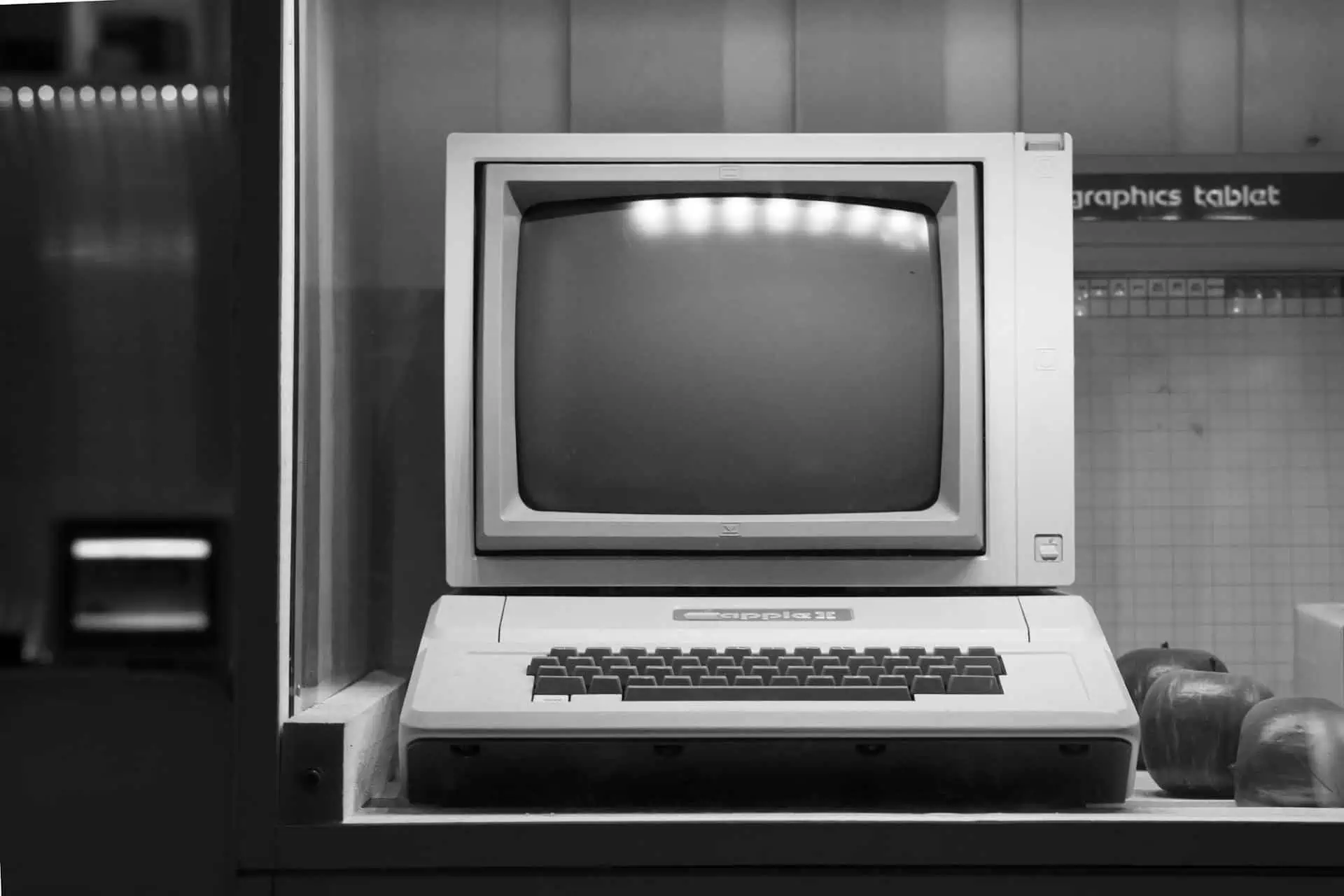
In 1977, Ken Olsen was the founder of Digital Equipment Corporation and he said, “There’s no reason anyone would want a computer in their home.” He believed computers were only useful for businesses & professionals. But just a few years later, companies like Apple and IBM changed the market by introducing affordable home computers. Can you imagine how our lives would be without them?
Like our content? Be sure to follow us on MSN.
IBM’s Underestimation of Computers’ Potential
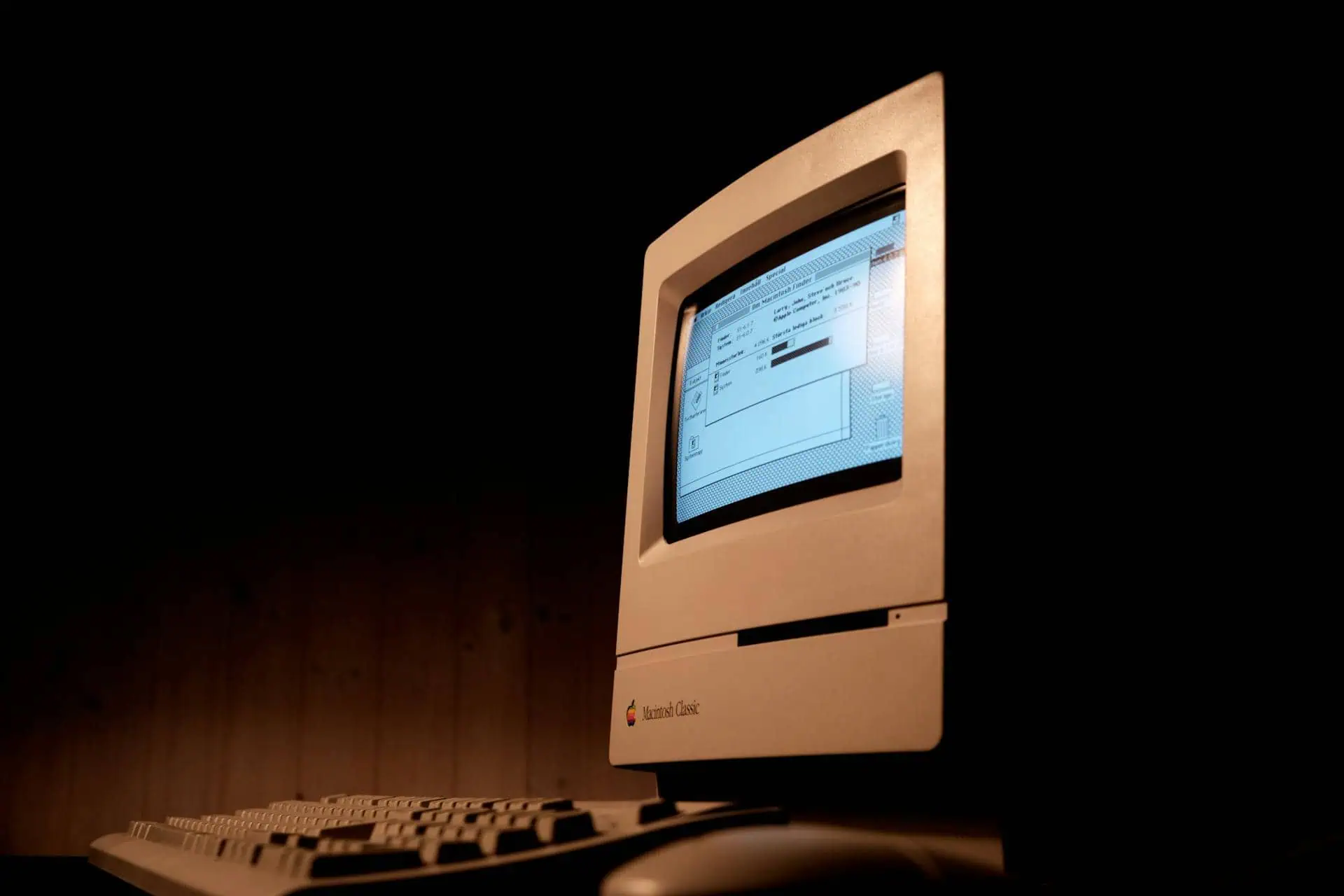
Likewise, the chairman of IBM, Thomas Watson, didn’t believe in the 1940s that there’d be a market for computers in the future. At the time, computers were huge machines. Only specialists used them for complex calculations which is why Watson couldn’t imagine a future where computers would be a normal fixture in homes & offices around the globe.
Declaring the Titanic Unsinkable
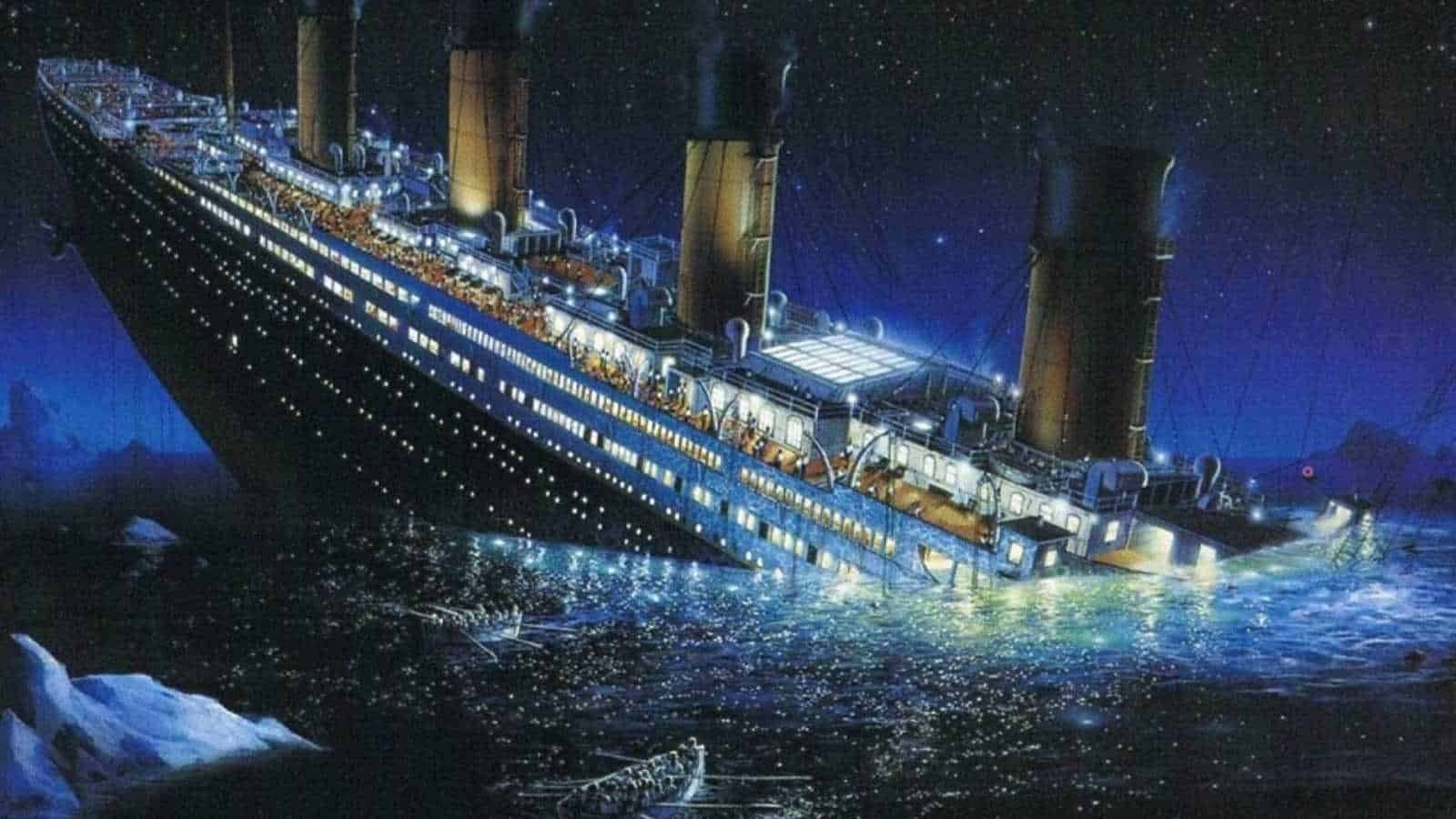
One of the most famous sayings about the RMS Titanic was the claim that maritime experts said it was “unsinkable.” This was due to its advanced safety features like watertight compartments & remotely activated watertight doors. Tragically, when the ship struck an iceberg, it sank on its maiden voyage and over 1,500 people lost their lives. It proved the experts disastrously wrong.
Lord Kelvin’s Denial of Human Flight

In 1895, esteemed physicist Lord Kelvin declared that “heavier-than-air flying machines are impossible.” He was one of the leading scientists of his time so many people believed what he had to say. But despite his claims, just eight years later, the Wright brothers achieved powered flight at Kitty Hawk, North Carolina. Their success showed that human flight was possible—and that it’d soon revolutionize transportation.
Doubting the Internet’s Potential

Clifford Stoll wrote an article in 1995 about the future of the internet, arguing that online shopping, digital news & virtual communities were unlikely to succeed. Essentially, he thought the internet was just a fad that wouldn’t change our lives. Just imagine being as spectacularly wrong as he was!
Doubting the Smartphone Revolution

In 2007, Microsoft’s CEO Steve Ballmer criticized Apple’s iPhone, claiming it wouldn’t catch on because it didn’t have a physical keyboard. He believed business customers wouldn’t want a touchscreen device. He was so wrong. The iPhone set the standard for future cell phones & smartphones alike which demonstrated Ballmer’s predictions completely wrong.
Western Union Rejecting the Telephone

Back in 1876, Alexander Graham Bell offered to sell his telephone patent to Western Union for $100,000. But the company’s executives weren’t interested. In fact, they dismissed the device as an “electric toy” with no real value because they believed the telegraph would continue to dominate communication. Such an oversight meant Western Union lost what could’ve been a seriously lucrative investment.
Medical Experts Endorsing Smoking

Who would’ve thought doctors would encourage people to smoke? During the early 20th century, many experts did exactly that since they believed smoking was harmless or even beneficial. It wasn’t uncommon to see ads claiming that certain brands were “doctor recommended” for throat irritation or cough. Later, in the 1950s & 1960s, mounting scientific evidence linked smoking to cancer & heart disease.
Ignoring Joseph Lister’s Antiseptic Methods

British surgeon Joseph Lister introduced antiseptic procedures in the 1960s to reduce infections during surgeries. He supported cleaning surgical tools & using carbolic acid to sterilize wounds. However, many of his contemporaries dismissed his ideas since they refused to believe that invisible “germs” caused infections. It took years for the medical community to accept Lister’s practices.
Experts Claiming Television Wouldn’t Last

Several film industry leaders thought television had no future when it first came out. Darryl Zanuck, a film producer at 20th Century Fox, said in 1946, “Television won’t be able to hold on to any market it captures after the first six months.” He believed people would get tired of staring at a small screen every night. How could you be this wrong?!
Disclaimer: This list is solely the author’s opinion based on research and publicly available information.
Like our content? Be sure to follow us on MSN.


