

Tipping has been a part of dining out for ages & especially in the United States. However, more people are beginning to wonder if it’s really the best system for everyone. And it’s mostly because they feel so awkward or unsure about how much to tip! Here are eleven arguments against tipping culture. A quick heads up, though—we’re not saying that any of these arguments are right, just that there’s a lot to think about.
Featured Image Credit: svershinsky /Depositphotos.com.
Confusing Customs

Tipping customs are rather confusing for visitors or newcomers as different countries—even different regions within a country—have their own expectations for tipping. Tourists might overtip or undertip simply because they don’t understand the local practices. Eventually, it creates a lot of awkwardness. The rules aren’t clearly defined for everyone to understand so many people simply don’t.
Complicated Tax Reporting
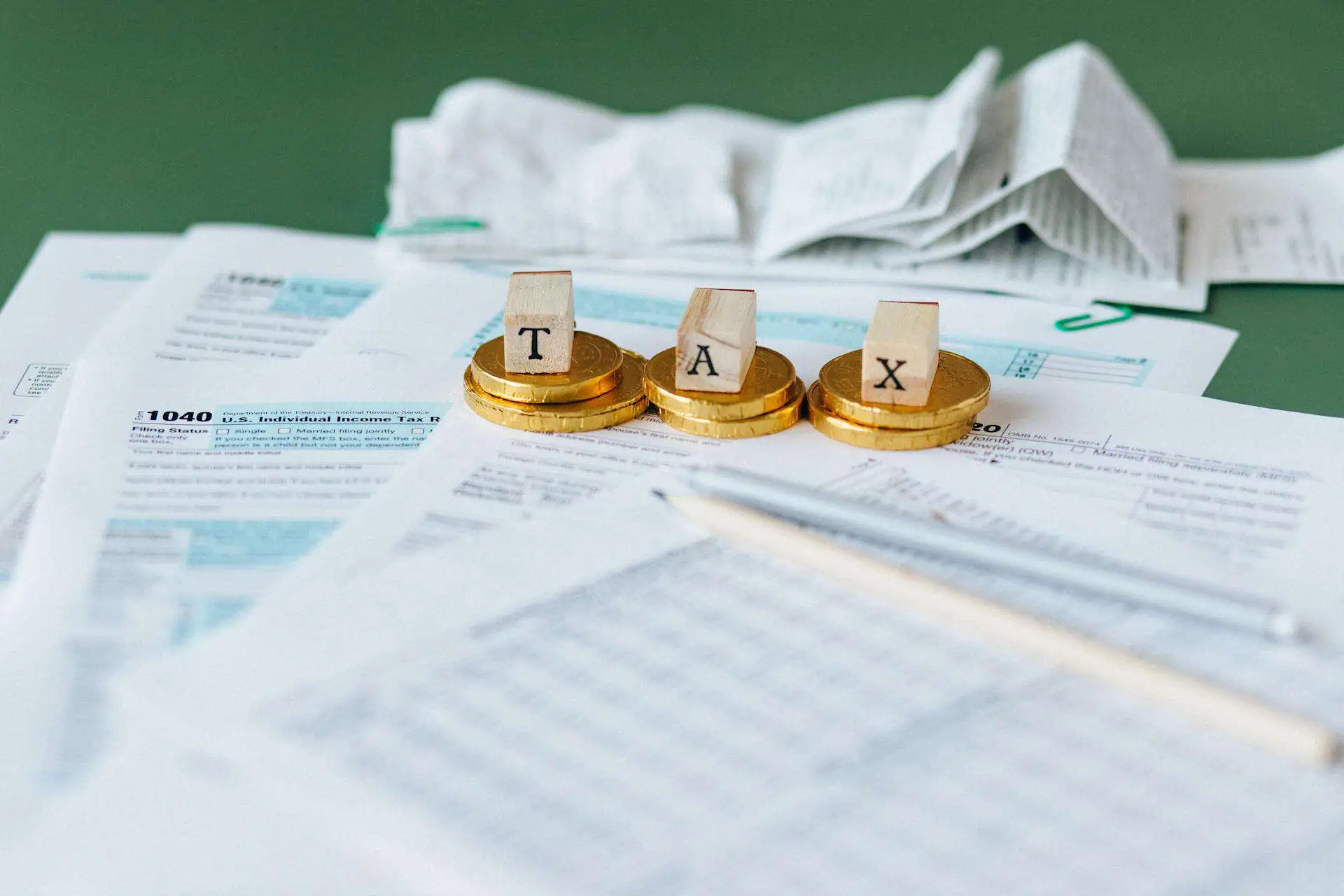
For workers, tipping makes tax reporting more complicated because cash tips aren’t always accurately recorded. Underreporting income, even by accident, often causes legal problems—or unexpected tax bills later on. It’s just more stress for employees. They have to keep careful track of their earnings and tipping makes the whole thing even harder.
Unpredictable Income for Workers

One big problem with tipping is that it makes workers’ income rather unpredictable. Servers & bartenders usually have no idea how much they’ll make in a shift because tips fluctuate, which is often due to slow weekdays or bad weather. Even events happening in town may affect how many customers show up—and how generous they are. Such uncertainty makes it hard for workers to budget and plan for the future.
Like our content? Be sure to follow us on MSN.
Shifting Employer Responsibility

Tipping shifts the responsibility of paying fair wages from employers to customers. Rather than businesses providing proper salaries, they count on customers to chip in extra through tips & workers have to rely more on customer generosity. In some cases, employers might even pay below minimum wage because they expect tips to make up the difference!
Potential for Biased Service

The tipping system sometimes makes customers receive unfair treatment as service workers focus more on people they think will tip well. As a result, certain customers might be overlooked. It’s really not fair to customers who deserve good service regardless of how much they might leave as a tip.
Social Pressure on Customers

Many customers feel pressured to leave a tip—even if the service wasn’t that great. Nobody wants to seem rude or cheap so they tip out of obligation rather than appreciation, which makes dining out less enjoyable. People worry about how much to tip or whether they’re following the right etiquette.
Lack of Price Transparency
When prices don’t include tips, customers have a hard time understanding the true cost of a meal or service. Whatever price they see on the menu isn’t the final one! Such a lack of transparency makes budgeting harder, which creates unwelcome surprises when the bill arrives. Worse still, it makes it harder to compare prices between different places.
Employee Resentment

Unfortunately, tipping may also create tension among employees if tips are pooled or not distributed evenly. It makes some workers feel they’re not getting their fair share. For example, a server who handles more tables might end up with the same tips as someone who had a slower night. How is that fair? As such, it may create a negative work environment that’s bad for the staff & the customers.
Inequity Between Front and Back-of-House Staff

Likewise, in many places, only the front-of-house staff receive tips—the people behind the scenes do not. It creates significant income gaps among employees, even though they all contribute to the customer experience. Cooks & dishwashers work hard but may earn less. And it’s just because they don’t interact directly with customers so they don’t receive tips.
Potential for Harassment and Exploitation

Tipping culture puts some workers in vulnerable positions. Since their income relies so much on tips, some employees feel pressured to tolerate inappropriate behavior from customers just to earn more. This may include enduring rude remarks or harassment without reporting it. As a result, service jobs become more stressful & less safe for those involved.
Questionable Impact on Service Quality

Finally, tipping might not actually lead to better service since there’s not always a connection between the size of a tip & the quality of service provided. Customers might be tipping more without really seeing any improvement in their experience. Does the tipping system actually encourage better performance or is it just an additional cost for customers?
Disclaimer: This list is solely the author’s opinion based on research and publicly available information.
Like our content? Be sure to follow us on MSN.


