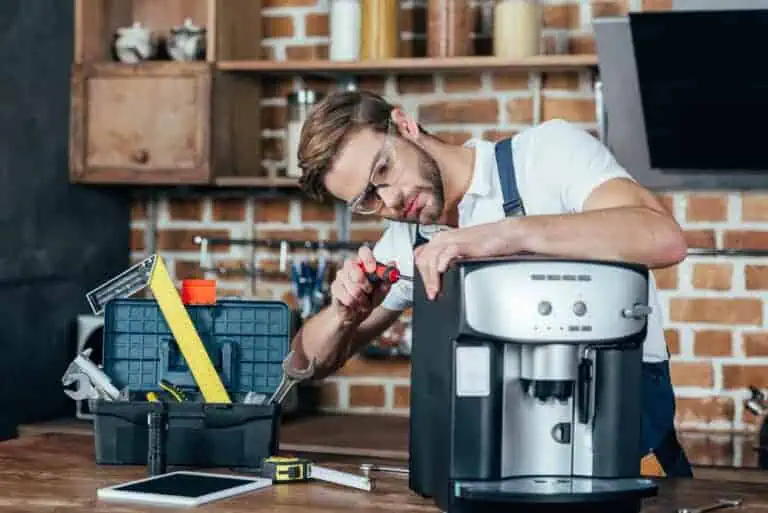

When your TV or phone broke down in the past you could easily open it to swap a faulty part, seal it back up and get it running perfectly again. But now? Everything’s sealed shut like a high-security vault. One small problem and before you know it’s cheaper to replace the whole thing than trying to repair it. Here are 10 common everyday items that no longer offer spare part options and are designed to be permanently sealed.
Featured Image Credit: IgorVetushko /Depositphotos.com.
Vacuum Cleaners
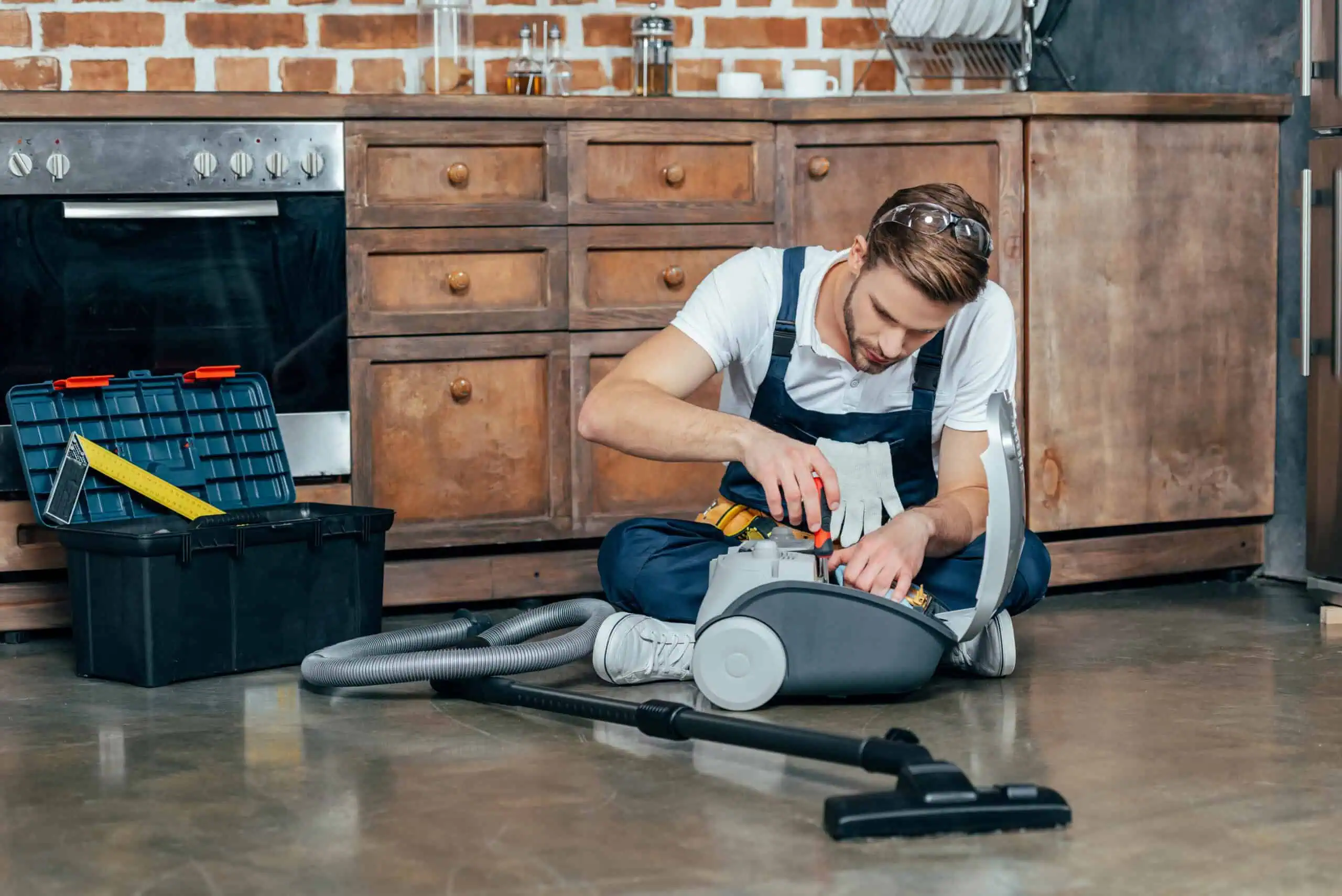
Vacuum stops sucking? You’d turn the vacuum over to replace the belt before cleaning continued. These days, you need to Google the model, hope they still sell belts for it (spoiler: they don’t) or just buy a new vacuum cleaner because it’s the simplest solution.
Televisions

Before flat-screen TVs became common, you could repair your TV by replacing components like the screen, speakers or power supply. Today’s flat-screen TVs are so thin and sealed that any repair requires paying high costs or buying a replacement unit. These products last only a few years – then you must replace them because they are built for compactness.
Smartphones

When you owned phones from Nokia or early Samsung models your battery died? Just open the back cover and switch it with a new battery. Now everything’s glued shut. Want to replace the battery? Get ready to use a heat gun and tiny screwdrivers to open your phone – or just buy a new phone instead.
Watches

Did you ever have those Casio watches or traditional analog timepieces? You could unscrew the back and change the battery by yourself. Now with smartwatches, everything’s sealed tight. When a device stops working, you receive “Sorry out of warranty” notice, and off it goes to the trash.
Washing Machines

Repairing old washing machines was a simple process. You could easily replace components like the belt, pump or motor. Modern washers have compact designs and focus more on efficiency so most internal parts are hidden within the machine. It becomes simpler to replace the entire machine when something breaks instead of trying to repair one piece.
Laptops

Opening the back of your laptop and replacing your RAM or the hard drive was pretty simple & could give your computer a new lease of life. But the way today’s laptops are sealed with glue and solder makes it extremely risky to open them without causing damage.
Inkjet Printers
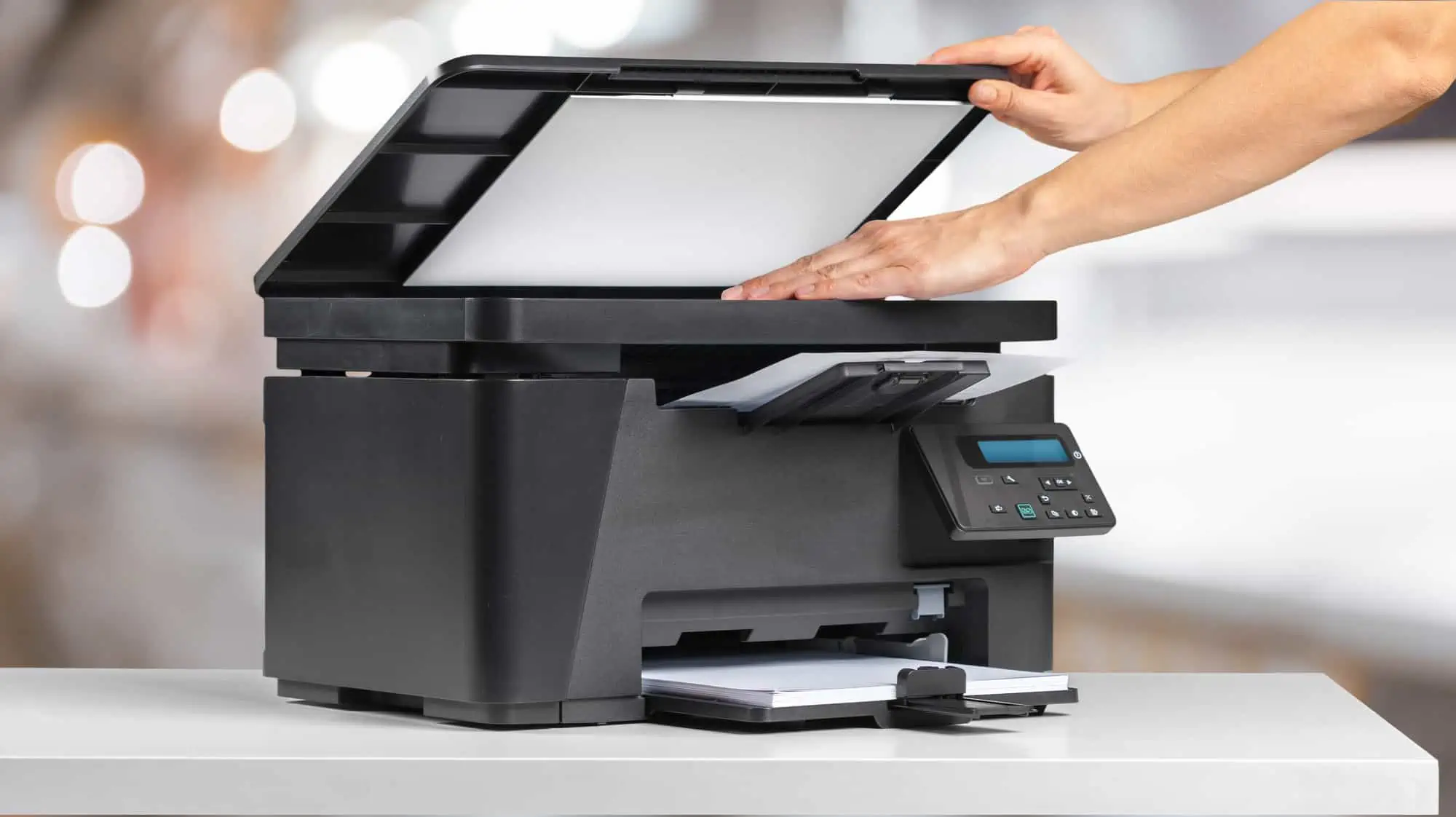
There was a time when affordable ink refill kits let you refill your printer cartridges at home. It was messy but effective – but now printers are like ink gatekeepers. If you try to print using a non-brand ink cartridge, your printer will stop printing.
Kitchen Appliances
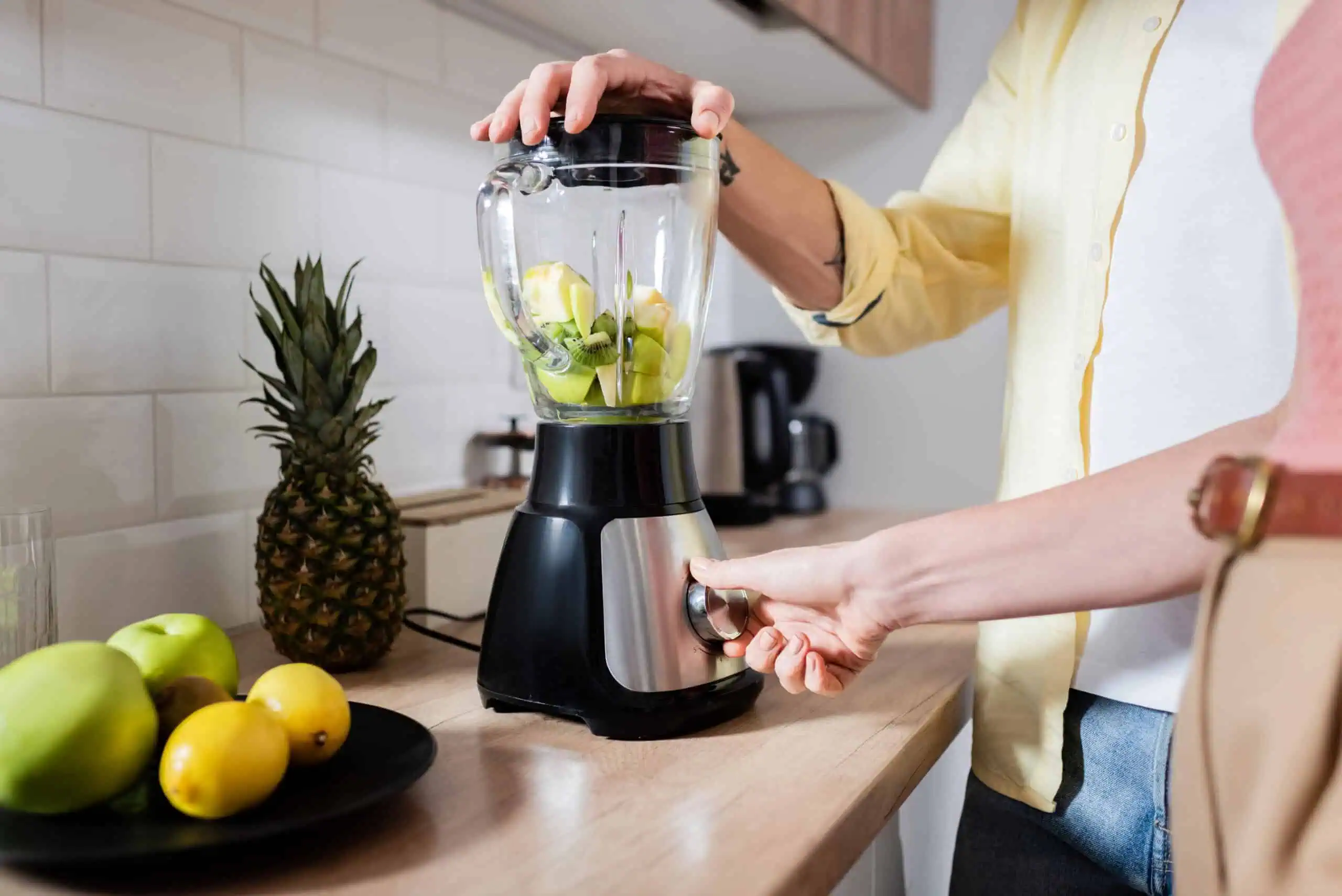
Your grandma’s mixer probably still works. That thing was made of metal, with motors that ran forever. Broken parts meant you could simply buy replacements. Today’s appliances? Plastic gears, sealed motors and no spares. If something stops working, you need to buy an entirely new product.
Game Consoles

Did you know you could replace components in older game systems like the PlayStation 2 or Xbox 360? You could just replace a malfunctioning disc drive or fan. Now, game systems are like mini fortresses. One internal error – you have to send it for repair or get rid of it.
Headphones

The design of older headphones allowed you to replace parts such as ear pads or damaged cords easily. Headphones today (especially wireless ones) use glue to connect all their components permanently. When headphones stop working the repair process becomes so difficult that most people prefer purchasing new ones.
Disclaimer: This list is solely the author’s opinion based on research and publicly available information.
Like our content? Be sure to follow us on MSN.


