

As Americans, we have a bunch of everyday words that we use without ever thinking about them—until someone from another state looks at us confused. Beyond the spelling changes or slight accents, some everyday things have totally different names depending on where you grew up. Here are seventeen things Americans have entirely different names for depending on where they live. There’s no “right” name for these items but it sure is interesting to see how different words can be.
Featured Image Credit: Vadymvdrobot /Depositphotos.com.
Slaw Dog vs. Hot Dog With Coleslaw
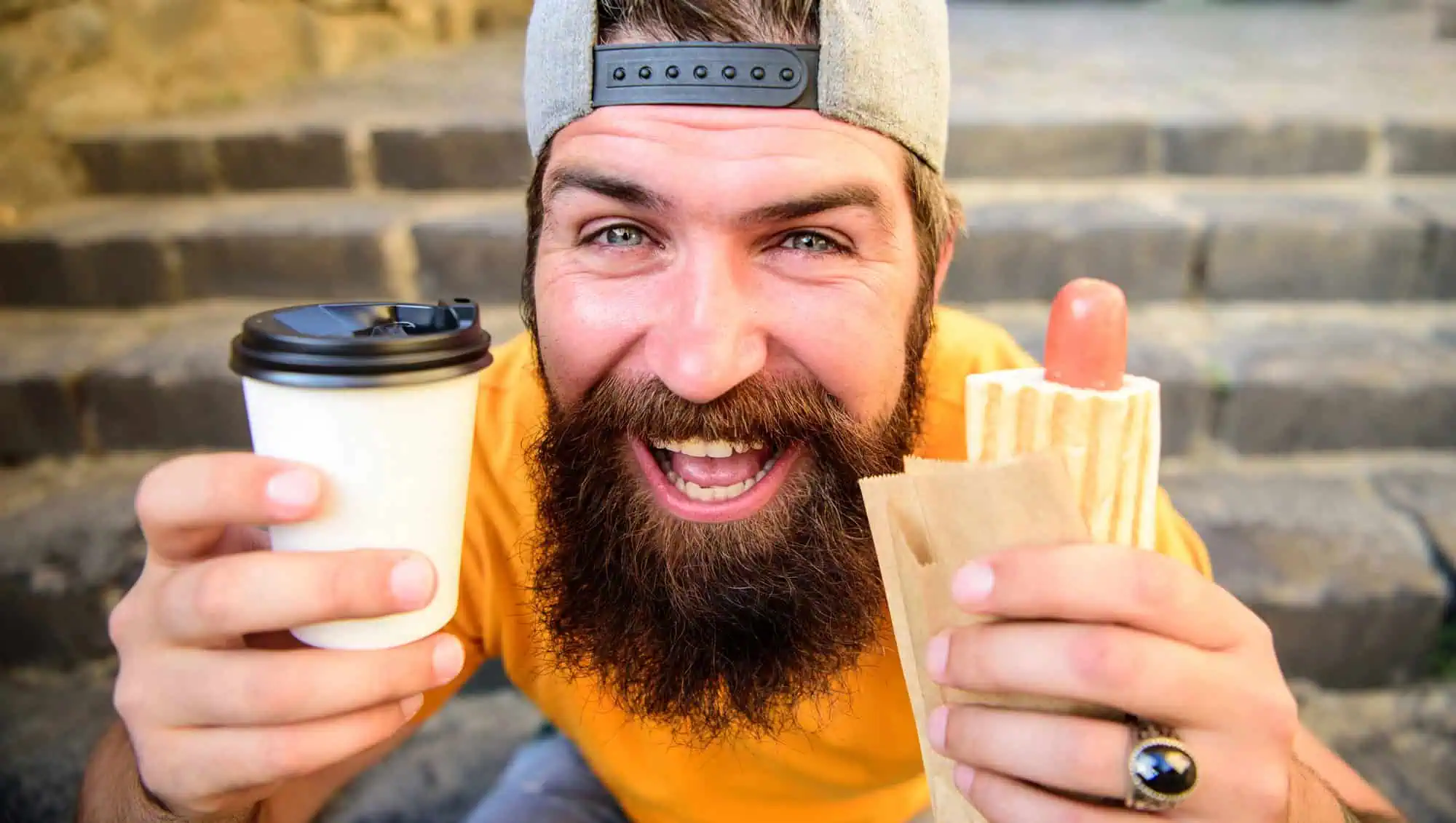
In West Virginia, North Carolina & parts of the Appalachian region, a “slaw dog” is just a regular hot dog, but one topped with coleslaw and often chili too. Some locals see it as a standard order in diners and roadside stands, with people there not thinking much of the name. However, outside of this area, most people are confused by the term “slaw dog” and just describe the toppings individually—if they even get these toppings.
Jimmies vs. Sprinkles

People in parts of New England often call ice cream toppings “jimmies” and the word has been used in that region for decades, especially in old-school ice cream shops. It usually refers only to the chocolate kind. But over on the West Coast & the South, people use the word “sprinkles” for both chocolate and rainbow versions, with many shops outside New England having never even heard the word “jimmies.”
Stop-And-Go Light vs. Traffic Light

Many older adults in rural parts of Wisconsin & Minnesota refer to a traffic signal as a “stop-and-go light,” although the term was more popular in the mid-1900s. The term makes sense on its own, yet most Americans say “traffic light” or just “light.” It’s likely that people would understand you if you said “stop-and-go light” in California or New York—but they might think it a little strange.
Oyster Dressing vs. Stuffing
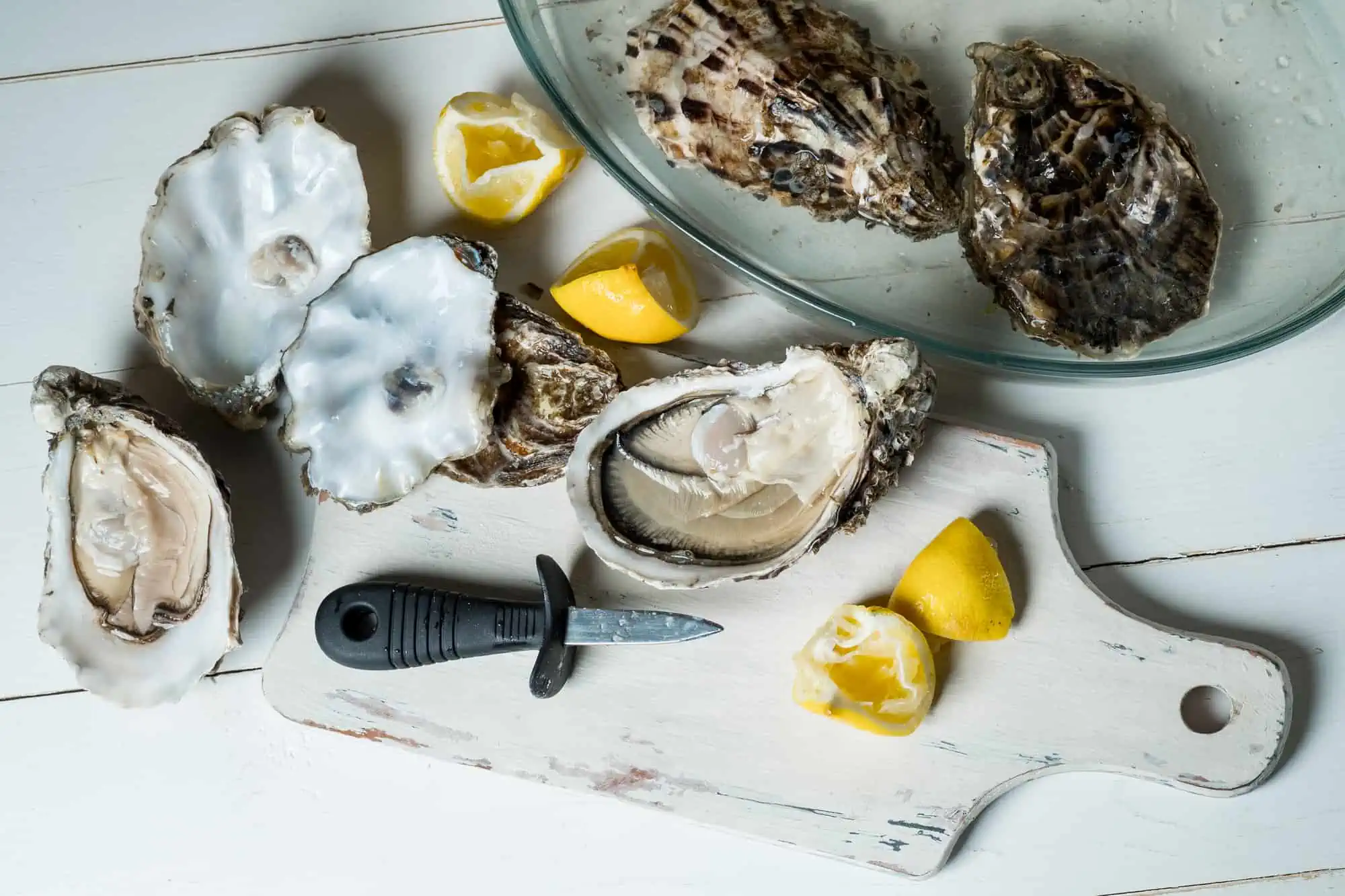
“Oyster dressing” is a common holiday dish in Louisiana and parts of the Deep South, typically served during Thanksgiving and Christmas. It’s made with oysters, breadcrumbs or cornbread, along with onions, celery, and spices—even though it’s technically a kind of stuffing, it’s never called that there. They use the word “dressing” all the time, no matter if it’s cooked inside or outside the turkey, but in other places, most people call it “oyster stuffing.”
Pocketbook vs. Purse

In parts of New York, New Jersey, and other areas of the Northeast, older women often use the word “pocketbook” when referring to what most people call a purse or handbag. It’s quite an odd term because most other states, especially out West or in the Midwest, people don’t use the term “pocketbook” at all and might assume you’re talking about something else. Even so, “pocketbook” makes for quite an interesting term.
Toboggan vs. Beanie

When most people hear the word “toboggan,” they’ll assume you’re talking about a sled—but not in Tennessee and other parts of the South, where it refers to a knit winter hat. It’s common in Southern places to hear someone say, “Don’t forget your toboggan” when they’re talking about the hat. Meanwhile, in the North or West, the same item would be called a “beanie” or a “knit cap” and never a toboggan.
House Shoes vs. Slippers

It’s common in Texas & Louisiana to use the phrase “house shoes” to talk about those comfy things you put on your feet—not slippers, not flip-flops, just house shoes. You’ll even see the label on signs in stores, although it’s a different story if you walk into a shop in places like Oregon. They’ll know what you’re talking about, it’s just that the term isn’t something commonly used over there.
Yooper vs. Upper Peninsula Resident
If someone from Michigan’s Upper Peninsula calls themselves a “Yooper,” they’re not making it up because that’s what locals genuinely say and they’ve said it for years. It’s based on U.P., short for Upper Peninsula—you’ll see the term on T-shirts, bumper stickers, even coffee mugs. But using “Yooper” in conversations anywhere else will force you to give a full explanation and possibly a mini geography lesson on what you’re talking about.
Doodlebugs vs. Roly-Polies

Growing up in Texas, you might have heard your grandma call that little bug that rolls into a ball a “doodlebug,” while people in other states might say “roly-poly” or even “pill bug.” It’s the same tiny armored body, same slow crawl—just a different name. Kids still call them that without realizing it’s not something you’ll hear on the West Coast or even in some areas of the South.
Washateria vs. Laundromat

That’s not all for Texas, as many places in Houston still have signs for “washaterias,” which are just laundromats, but with an old name that never really went away. It started back in the 1930s and somehow stuck around and the majority of locals don’t think twice about it. Of course, say “laundromat” and they’ll get what you mean—but in their heads, it’s still a washateria.
Crick vs. Creek

A little stream running through someone’s backyard is known as a “creek” in most states—but in parts of Pennsylvania & Ohio, though, that same waterway is a “crick.” You’ll hear things like, “We used to catch crawdads down by the crick,” and if you’re not from the area, it might sound like someone’s mispronouncing it. However, it’s not a mistake but rather just the local name for the same kind of thing.
Buggy vs. Shopping Cart

Some Southern states, like Alabama, Mississippi & Georgia, will talk about the thing you push around at the grocery store as being a “buggy,” instead of a cart or a trolley. You’ll hear it from employees, too, who’ll ask you, “Need a buggy?” and some stores even have signs that say it. Outside of here, some people might be confused when you use the term since “buggy” makes people think of strollers or horses.
Fry Sauce vs. Fancy Sauce
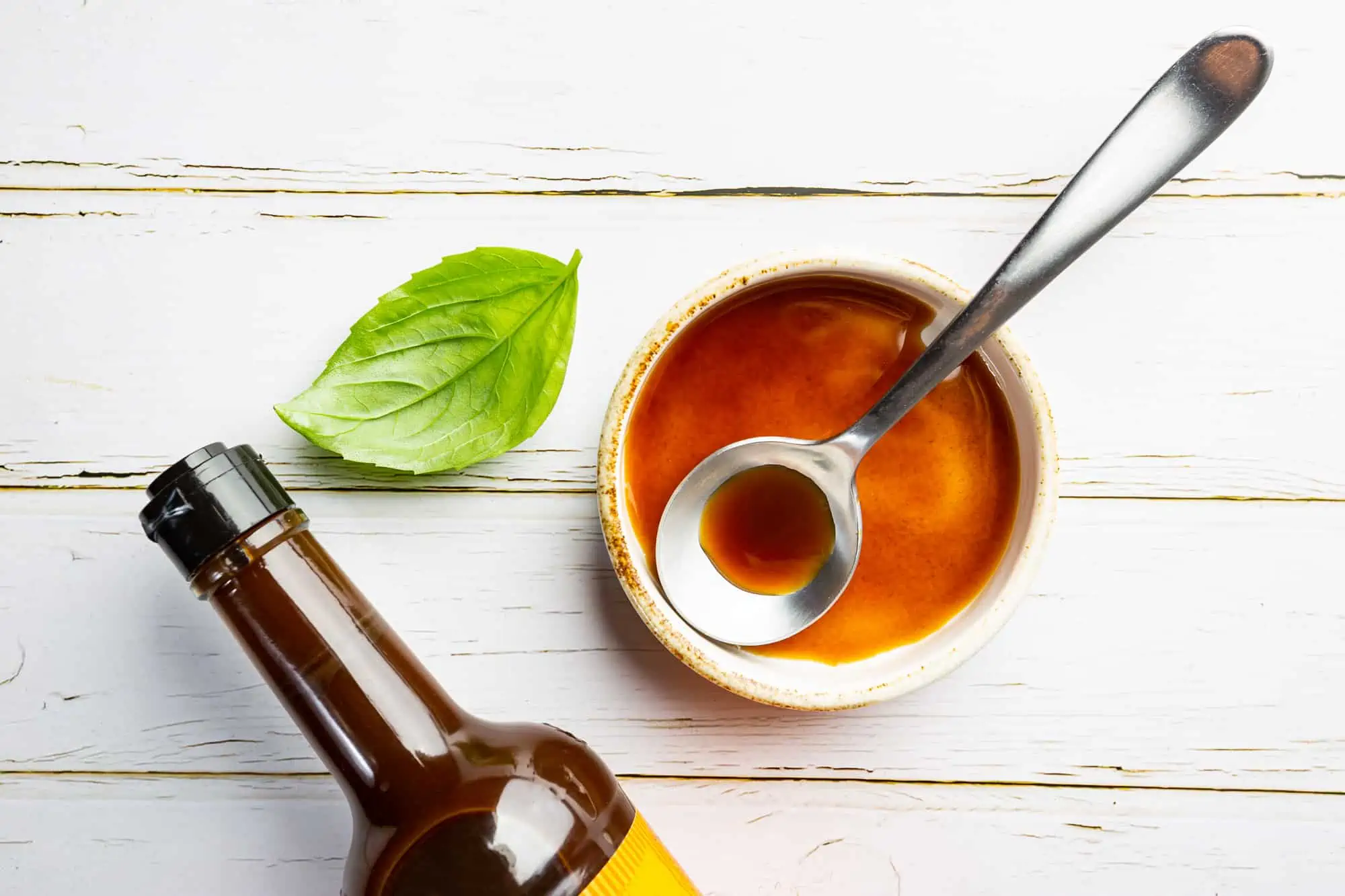
Utahns are serious about their fry sauce, which is made from ketchup & mayo mixed together, sometimes with a little twist depending on where you get it. Anytime you go to a burger place in Salt Lake City, you’ll probably see it on the counter next to the napkins—some people in parts of the Midwest call it “fancy sauce.” But you’re usually stuck making your own at the table in places outside of here, which is a real shame.
Bubbler vs. Water Fountain

Asking anyone where the water fountain is in Milwaukee could get you some weird looks, but say, “bubbler” instead and you’ll get directions right away—the term’s still common in parts of Wisconsin & Rhode Island. It’s been around since the early 1900s and people there still use it casually, even though it’s just a water fountain everywhere else. Most other people have never even heard the word “bubbler” used like that and may not understand what you’re talking about.
Hotdish vs. Casserole

People don’t make casseroles in Minnesota but they make hotdish, which is the same idea—meat, veggies, starch, sauce—yet you’d never say you brought a “casserole” to a church potluck in Minneapolis. It’s all over community cookbooks, freezer labels and local competitions, which is more than a different name over there. “Hotdish” is a whole thing for people in Minnesota.
Tree Lawn vs. Devil Strip

Don’t worry if you’re in Cleveland and someone says “devil strip” because they’re not talking about something creepy, as they actually mean that little patch of grass between the street and the sidewalk. People in other places, like Akron, will call it a “tree lawn,” while in Chicago, they say “parkway” for the same bit of land. But the funny thing is that most people are convinced their version is the only correct one and the other terms are somehow ‘wrong.’
Carryall vs. Tote Bag
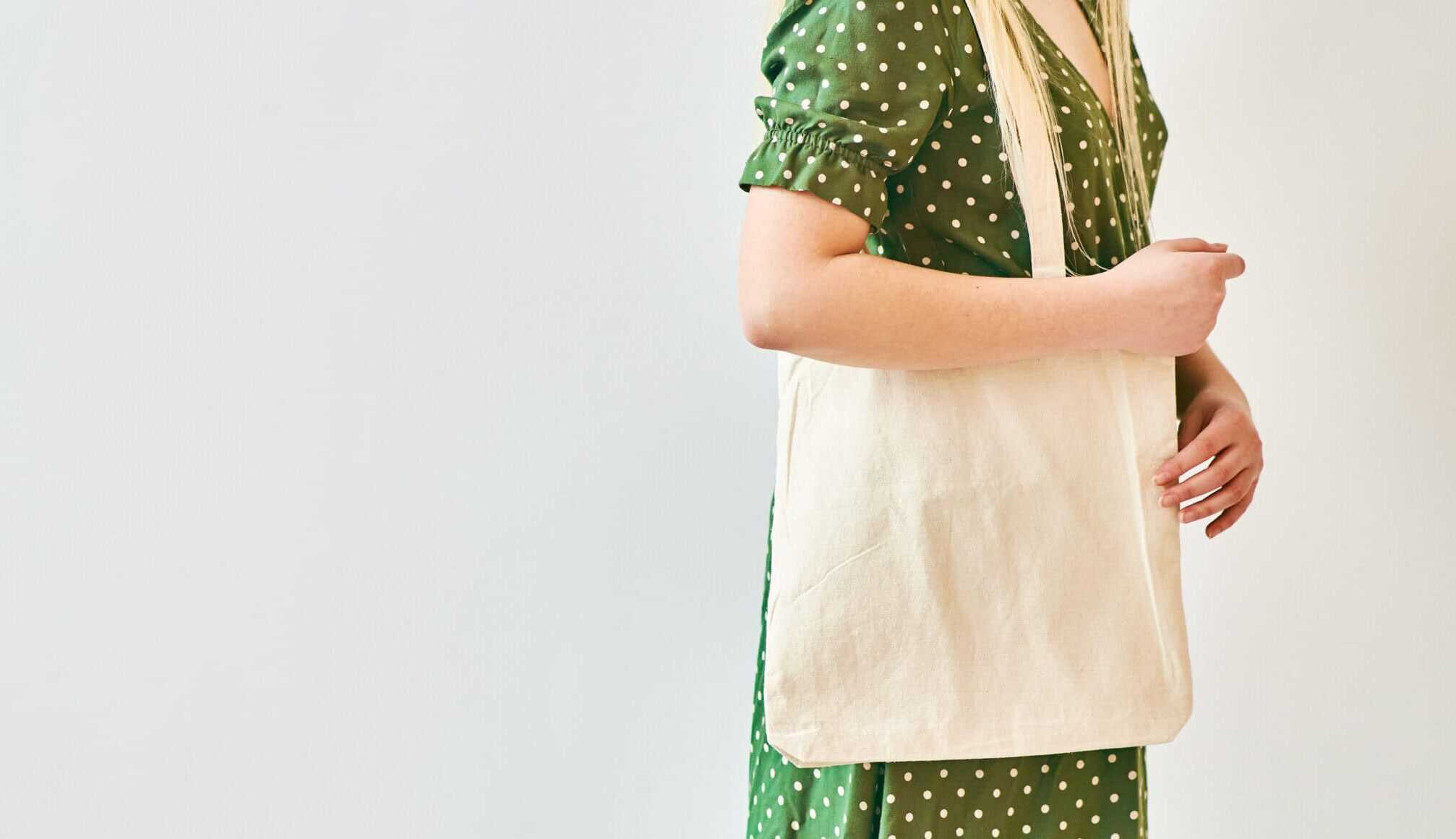
You might hear someone call their big reusable shopping bag a “carryall” in northern New England, which does sound like something from a vintage Sears catalog. In most of the U.S., people just say “tote bag,” although “carryall” hasn’t gone anywhere in places like New Hampshire. It’s an older term, sure, but it’s reliable and still a part of everyday speech.
Disclaimer: This list is solely the author’s opinion based on research and publicly available information.
Like our content? Be sure to follow us on MSN.
Read More: