Parenting is a remarkable journey filled with love, laughter, and the occasional challenge. It’s a journey that comes with its own set of roadblocks. In this enlightening list, we dive into the wisdom shared by numerous individuals on a social media thread, each offering a unique perspective on what kind of things parents unintentionally do to harm their kids.
From failing to explain themselves to overloading schedules with organized activities, these insights shed light on the importance of nurturing a healthy family.
Featured Image Credit: kmlPhoto /Depositphotos.com.
#1 Because I Said So

“Not taking the time to explain themselves on certain topics. The whole ‘do as I say because I said so’ or ‘because I had you’ is not effective.”
Effective communication between parents and children often falters when parents skip the important step of explaining themselves. The “because I said so” approach, as some users pointed out, doesn’t quite cut it. Providing explanations behind rules and decisions can help children understand the reasoning behind them and promote open conversations.
#2 Forgetting Their Own Youth

“Forgetting what it was like to be that age, and expecting their kids to react differently to things than them when they were that age.”
Sometimes, parents may unintentionally overlook the fact that they were once kids themselves. This can lead to unrealistic expectations regarding how their children should react or behave in certain situations. If they recall their own youthful experiences, it can help parents relate better to their kids and build stronger connections.
#3 Lack of Encouragement to Think Independently

“Not teach them to think for themselves.”
Fostering independent thinking in children is a crucial aspect of healthy parenting. Parents who don’t encourage their children to develop their own decision-making skills may inadvertently hinder open communication. Empowering kids to think for themselves prepares them for life’s challenges and encourages meaningful discussions.
#4 Fear of Letting Kids Fail

“They fail at letting their kids fail and figure out how to recover. It prevents the kids from becoming resilient.”
Allowing children to experience failures and learn how to bounce back is an essential part of their growth and development. Parents who shield their kids from failure may unintentionally hinder their resilience-building process. It’s like trying to prevent a plant from facing the wind and rain; while it may stay unscathed, it won’t grow stronger.
#5 Shouting vs. Conversations

“Shouting at them instead of having a conversation.”
Raising one’s voice instead of engaging in thoughtful conversations can create a barrier in parent-child communication. Yelling rarely leads to productive outcomes and may only escalate conflicts. Taking the time to have calm and respectful discussions allows for better understanding and connection between parents and children.
#6 Failure to Apologize

“Not apologize when they’re wrong.”
Parents are human and make mistakes, too. Acknowledging those mistakes and apologizing when necessary is a valuable lesson for children. It shows them that taking responsibility for one’s actions is an important part of life and can strengthen trust within the family.
#7 Inconsistent Discipline

“Might sound a little contradictory but either not disciplining them or disciplining them way too much.”
Finding the right balance in discipline can be challenging. Some parents may struggle with either being too permissive or too strict, which can affect open communication with their children. Striking a balance that fosters respect, responsibility, and understanding is key to successful parenting.
#8 Pressure to Fulfill Parental Aspirations

“Putting excessive pressure on their children to meet their own unfulfilled aspirations.”
Placing undue pressure on children to fulfill parental dreams and ambitions can lead to strained relationships and hinder open dialogue. It’s important for parents to support their children’s individual passions and aspirations, allowing them to pursue their own paths in life.
#9 Overly Structured Schedules

“Try to fill every minute with organized activities such as traveling sports leagues.”
While extracurricular activities have their benefits, overloading a child’s schedule with organized activities can leave little room for unstructured play and relaxation. This is why parents should always allow kids some downtime to foster creativity, independence, and opportunities for spontaneous conversations.
#10 Unhealthy Comparisons

“Comparing them with other kids.”
Making constant comparisons between children can be detrimental to their self-esteem and hinder open communication. Each child is unique, and these comparisons can discourage them from embracing their individuality and sharing their thoughts and concerns openly.
#11 Avoiding Money Discussions

“Not discussing money with them.”
While it’s important not to burden children with financial stress, discussions about budgeting, taxes, and personal finance can provide valuable life skills. Teaching kids about money management in an age-appropriate manner prepares them for financial responsibility in the future.
#12 Lack of Privacy
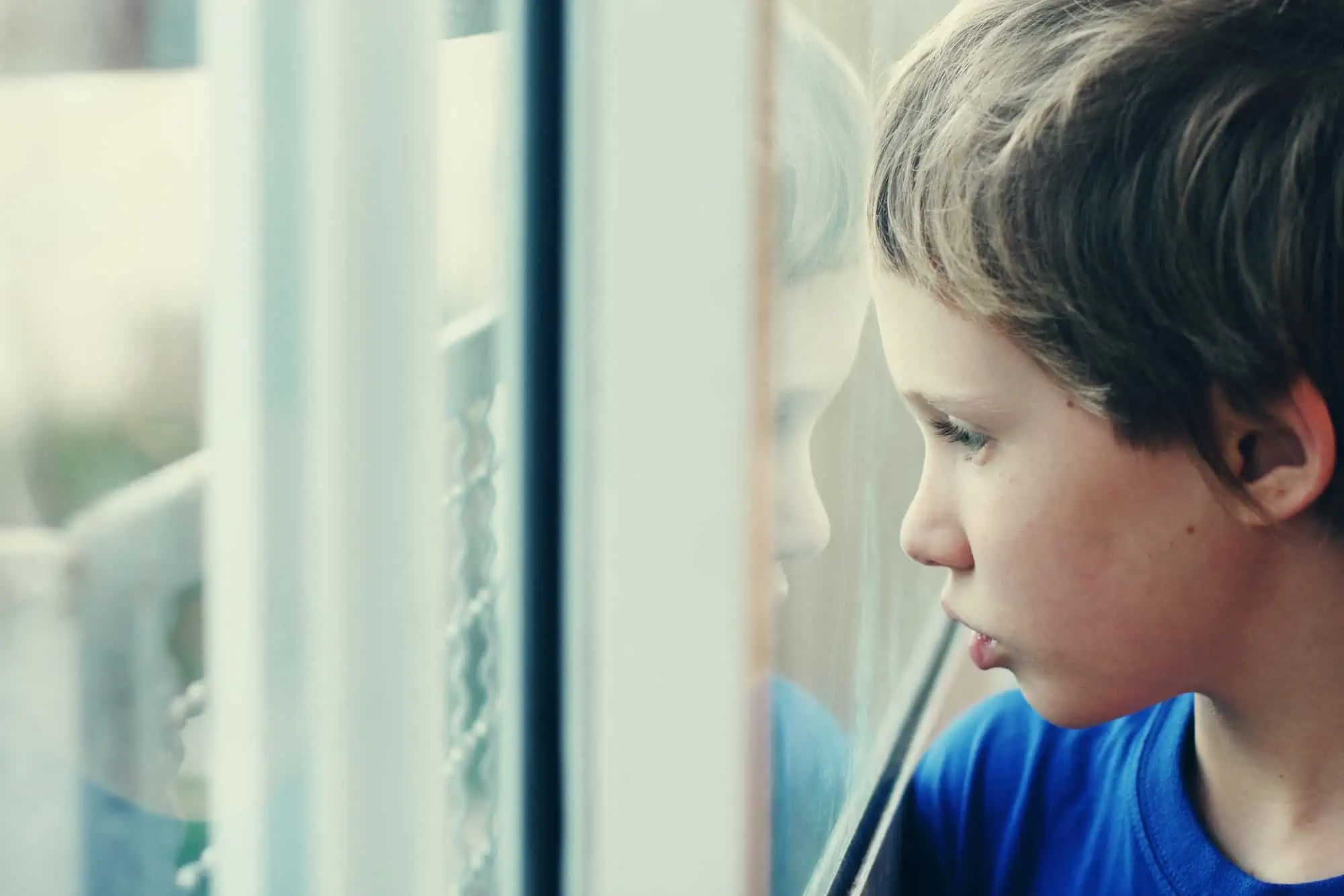
“Not respecting their privacy because it’s ‘their home.'”
Respecting a child’s privacy is crucial for building trust and open communication within the family. Invading their personal space or constantly demanding an open door can create tension and hinder the sense of security that is essential for meaningful conversations.
Source: Reddit.
“I Can’t Tell Anyone This Or It’ll Ruin My Life” – 11 Secrets People Share That They Can’t Tell Anyone

Secrets can weigh heavy on our hearts, and some are so profound that sharing them could potentially turn our lives upside down. In a social media thread, users revealed secrets they’ve been harboring, ones they fear could shatter their world if ever exposed. From workplace confessions to family mysteries, these stories offer a glimpse into the hidden burdens some carry.
10 Things Most People Don’t Know About the Bible

The Bible, a sacred text with a history spanning thousands of years, holds within its pages a wealth of knowledge, wisdom, and intriguing stories. While many are familiar with its most famous tales, there’s a trove of lesser-known details and nuances that often go unnoticed.
10 Things Most People Don’t Know About the Bible
10 Secret Societies That Control our World: Illuminati, Freemasons, and More

Prepare to journey into the shadowy world of secret societies, where intrigue, power, and conspiracy theories abound! Scroll through as we unveil the enigmatic realm of organizations that have captured imaginations and sparked wild speculations for centuries.
10 Secret Societies That Control our World: Illuminati, Freemasons, and More
11 Dead Giveaways That Someone Doesn’t Have a Life

In the age of constant connectivity, it’s not uncommon to come across people who seem to lack a life outside of their particular quirks and obsessions. Many users on a social media thread have shared their insights into what they consider “dead giveaways” that someone might be lacking in the life department.
11 Dead Giveaways That Someone Doesn’t Have a Life
15 Ingenious Scams That Have Fooled People All Across The World

In today’s digitally interconnected world, clever scams have become increasingly sophisticated, targeting individuals from all walks of life. These scams are designed to exploit human vulnerabilities, often leaving victims emotionally and financially devastated.
In this list, we’ll explore 15 incredibly clever scams that are active today, delving into their tactics, providing real-life examples of individuals who fell victim, and highlighting the importance of staying vigilant in an age where deception is on the rise.
15 Ingenious Scams That Have Fooled People All Across The World