Do you ever look back at what your parents used to say and ask yourself how they managed to say those things? The world has changed drastically and some things our parents considered normal behavior would be completely unacceptable in today’s society. Expressions like “boys don’t cry” and “because I said so,” – ones our parents frequently used to discipline children – would spark outrage and receive harsh criticism on social media today. Let’s take a trip down memory lane with 14 things our parents said that may get them cancelled today.
Featured Image Credit: Koldunova_Anna /Depositphotos.com.
“Boys Don’t Cry”
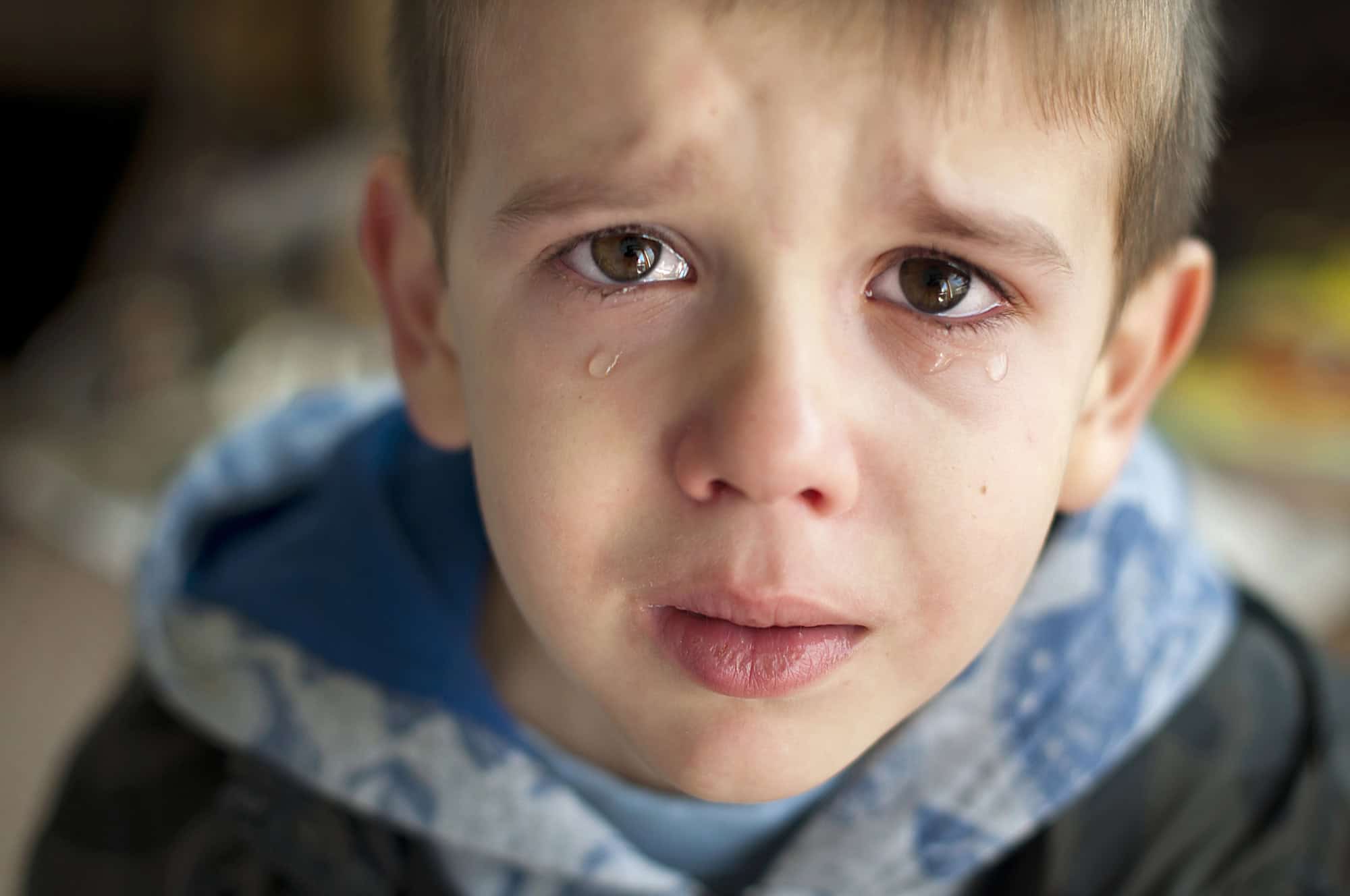
Every boy who cried when he was a child heard this famous saying. Society viewed crying as a sign of weakness, especially when it came to boys. But now? Emotions don’t have a gender. When boys are told not to cry, they learn to suppress their emotions – which is not healthy for anyone.
“You Hit Him Back Harder!”

Parents often saw playground fights as little boxing bouts between children. The advice was simple: don’t take it—give it back double. Today, schools preach conflict resolution, not revenge. The way people used to talk about fighting sounded more like combat training for UFC fighters instead of parenting advice for kids.
“You’re Getting Fat — Stop Eating So Much”

At family meals, people often used this type of “tough love.” Parents thought they were helping. We now identify this behavior as body shaming. This kind of negative feedback can cause significant harm to how someone feels about themselves and their eating habits.
“Because I Said So”

This one shut down every argument instantly. You couldn’t ask why — that was disrespectful. Parenting today focuses on explaining rules to help children understand their reasons. The phrase “Because I said so” has become unacceptable in modern parenting.
“Don’t Be Such a Girl”

This one’s got layers. It implied that being emotional or sensitive — like a girl — was somehow bad. Total nonsense. Today, we’re (finally) unlearning these sexist phrases and realizing that empathy, kindness and sensitivity are strengths — not weaknesses.
“I Brought You Into This World, I Can Take You Out”

The classic parental threat about taking you back to where you came from was usually delivered with a grin. It was supposed to be funny but when looking at it more closely, it seems quite intense. Can you picture telling your child such a thing in 2025? By dinner time, you’d become a trending topic on social media.
“What Are You Wearing? You Look Like A…”

Parents always freely gave their opinions on their children’s clothing choices. Your parents would give an extensive commentary if your skirt was too short and your pants too baggy. Today people recognize fashion as a personal choice so criticizing someone based on their appearance has become unacceptable.
“That’s Gay”

People used to call things “gay” when they were strange or uncool without realizing how they were offending people. Now we know better. The use of “gay” as an insult shows complete disrespect and fortunately, most people today have stopped using it.
You’re Not Depressed — You’re Just Lazy”

Mental health received little recognition from older generations. People used to label those who felt sad as lazy or spoiled instead of recognizing depression as a genuine medical condition. This kind of dismissive talk is exactly why mental health awareness is so important now.
“Stop Acting Like a Sissy”

Another gem aimed mostly at boys, this phrase was meant to “toughen you up.” But really, it just shamed kids for showing emotion or being gentle. Today, calling someone a “sissy” sounds like something straight out of a cringe 1950s movie.
“You’re Grounded Until Further Notice”

Parents used to give grounding sentences with the same authority as judges delivering court decisions. No end date, no appeals. The modern approach to parenting places greater emphasis on natural consequences rather than punishments that stem from parental anger. Plus, kids actually have a say now.
“Clean Your Plate — There Are Starving Kids in Africa”
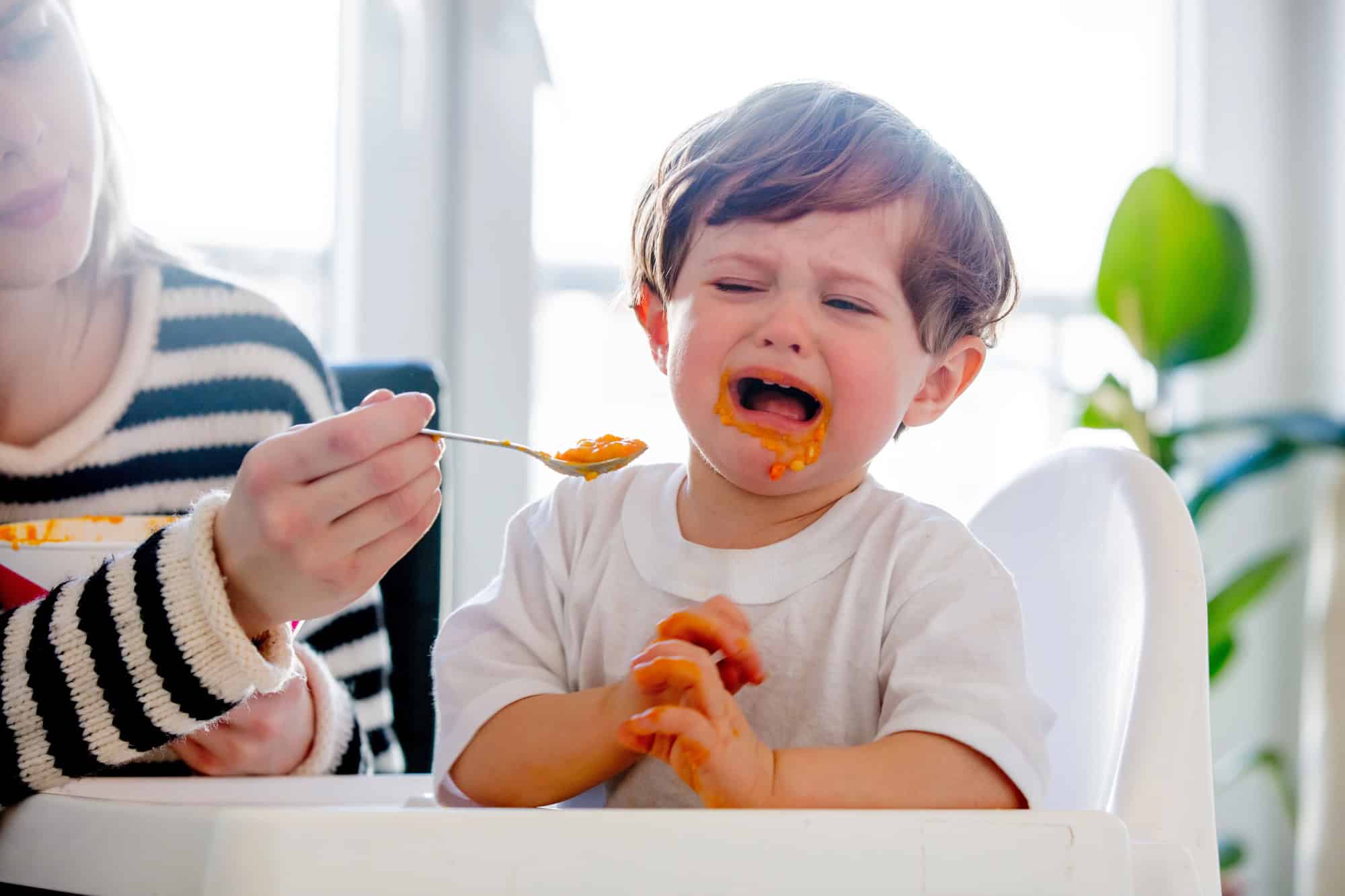
This line was guilt on a fork. This suggestion made no sense as a solution because eating more food doesn’t solve the problem of starvation. We currently teach children about waste and hunger through more meaningful methods that avoid confusion.
“You’re Too Young To Be Sad”

Society expected children to show happiness simply because they were young. Children were often told to “snap out of it” when they showed signs of upset. However, people of all ages experience feelings. We now recognize that kids also experience emotional difficulties.
“Real Men Don’t Show Weakness”

Emotionally unavailable fathers throughout the world followed this blueprint. Showing emotion was seen as a failure. We now understand that sharing emotions shows strength and humanity rather than weakness. “Real men” cry, and that’s perfectly okay.
Disclaimer: This list is solely the author’s opinion based on research and publicly available information.
Like our content? Be sure to follow us.
Read More: