There are many things older people used to do that younger generations didn’t understand. Some of these customs were outdated, or unnecessary, and even became jokes. Over time, though, you understand that a lot of those things make sense. These were practical and prudent habits — from thrifting to enjoying quiet time. It is only now that people realize their worth. Here are 10 things that old people got mocked for but turned out to be smart.
Featured Image Credit: SimpleFoto /Depositphotos.com.
Taking Naps

Old people were often teased about sleeping during the day, but now it makes sense. Life gets so exhausting that you just need to nap for a little energy. Research shows that naps can improve attention and mood. Young people might have laughed at this habit, but as they age, they realize that it is useful to get rest when you need it.
Saving Leftovers

Many older people were mocked for saving every bit of food – even if it was just a spoonful of soup. For young generations that haven’t gone through tough times, it seemed frivolous. As food prices continue to rise and waste is becoming a major concern, keeping the leftovers makes good sense. It’s a routine based on appreciation and resourcefulness.
Like our content? Be sure to follow us.
Wearing Comfortable Shoes

Young people often mock seniors for wearing chunky, supportive shoes. As we get older, we begin to experience the side effects of poorly fitting shoes — pain, discomfort & long-term issues. Suddenly those cushioned shoes aren’t as silly anymore. Comfort is everything, not fashion.
Growing Their Own Vegetables
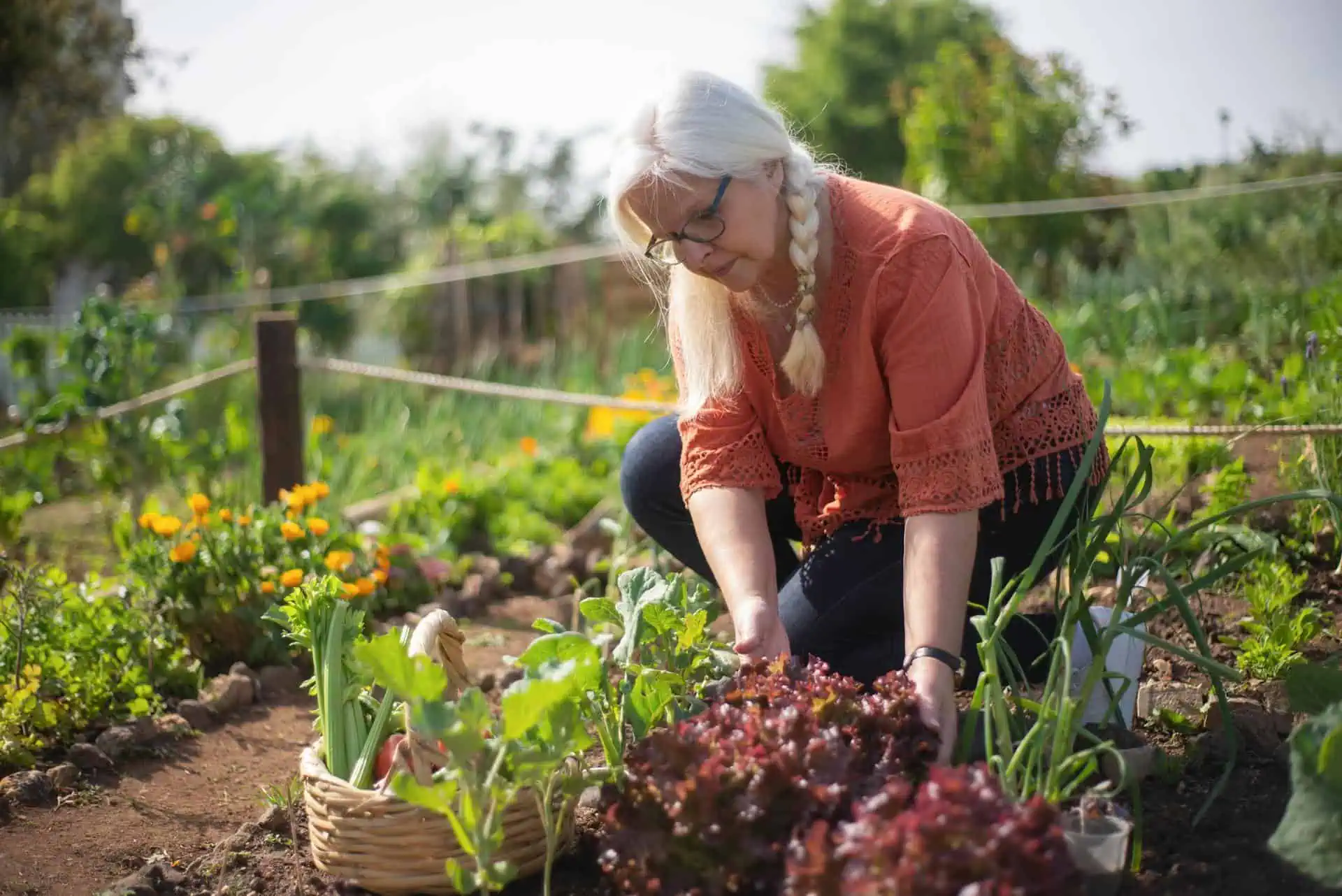
Growing your own food felt so old-fashioned when supermarkets provided all you could need. But now, with all the cynicism about food safety, prices and sustainability, it has become popular again. The taste of homegrown produce and knowing where your food comes from has become more valuable for people than ever.
Clipping Coupons

Coupon-clipping was once thought to be something only thrifty grandparents did. Youngsters joked about the effort and time involved. But nowadays, with tight budgets and rising inflation, saving a few dollars whenever possible becomes important for all. Digital apps and discounts make it even easier to see why the elderly valued this practice.
Carrying a Sweater Everywhere

Old people were made fun of for wearing a sweater at all times, even in the summer. Young people didn’t appreciate how much they cared about keeping warm. But as they grow older, people become more aware of how unpredictable the temperature can be, whether in a air-conditioned office or an evening breeze. Carrying a sweater around makes sense.
Avoiding Debt

Older generations were not big on taking out loans– but many younger generations didn’t understand this. Loans or credit cards didn’t seem like a big deal to them. But these days, with mounting debt levels, the value of avoiding unnecessary debt makes sense. Older generations understood that it was important to be within your means — and most of us are starting to see that today.
Writing Things Down

Old folks were mocked for writing down everything in notebooks or calendars rather than remembering it. Now that our lives are so busy and there are so many things going on in life, writing it down is just a necessity to get your life in order. Just an easy habit to help with forgetfulness.
Fixing Things Instead of Replacing Them

Older generations repaired broken objects rather than discarding them. People often saw it as being too frugal. But today, with a focus on sustainability and minimizing waste, replacing things is regarded as an economic and green activity. It saves money and the planet.
Spending Time in Silence

Old people would sometimes be laughed at for sitting silently in solitude. The younger generation didn’t get why anyone would choose silence over excitement. But these days, with the constant noise of modern life, many are discovering the value of having quiet moments to recharge and unwind. Silence is no longer boring — it’s refreshing.
Disclaimer: This list is solely the author’s opinion based on research and publicly available information.
Like our content? Be sure to follow us.
Read More: