Most of us aren’t walking around angry at our parents—we get it. They had their own mess, their own limits, their own version of “normal.” But still… there are things we carry now that didn’t have to be so heavy. Not the dramatic stuff. Just the quiet things—the comments, the silence, the pressure to perform or behave or be okay all the time.
These 17 things aren’t about being ungrateful. They’re just the stuff that hits us at 2 am, or in the middle of parenting our own kids, or sitting in the car trying to talk ourselves down from spiraling. It’s not about blame—it’s just what we wish someone had done a little differently.
Featured Image Credit: fizkes /Depositphotos.com.
Talked Openly about Money (without Making It Stressful)

Growing up, money usually came up when things were tight—or when something we wanted got met with a sigh & a “not right now.” No one really sat us down to show how budgeting actually worked. It just felt like this invisible stress hanging over everything. If they’d talked to us about bills, saving, and spending [without making it feel so tense], a lot of us wouldn’t have had to fumble through it alone later. Just some calm, honest convos could’ve made money feel a lot less scary.
Taught Us How to Say No without Feeling Guilty

A lot of us were raised to be “nice” no matter what—that kind of nice where you say yes even when you’re drained, avoid conflict even when something’s off, & feel guilty for setting the smallest boundary. We weren’t really shown what healthy assertiveness looked like. If our parents had modeled how to say no without guilt [and taught us that it’s okay to disappoint people sometimes], maybe we wouldn’t have spent our 20s burned out, anxious, & trying way too hard to be liked.
Let Us Decorate Our Rooms However We Wanted

Being told “You’re not painting that wall black” or “You’ll ruin the carpet” sounds small, but it made our space feel like it didn’t belong to us. We craved some freedom to express ourselves—posters, messy desks, weird bedding choices, and all. Instead, we got beige walls & rules about keeping it ‘presentable.’ A little creative freedom would’ve made our rooms feel like actual safe zones.
Modeled Healthy Disagreement—Not Cold Silence

Too often, we saw fights end in slammed doors or total silence for days. No one sat down and said, “Here’s how we move forward.” That made conflict feel scary and permanent. If our parents had shown us that disagreements could be handled with calm voices, mutual listening, & real resolution, we might be a bit less afraid of confrontation now.
Taken Mental Health Seriously—Even When We Were Kids
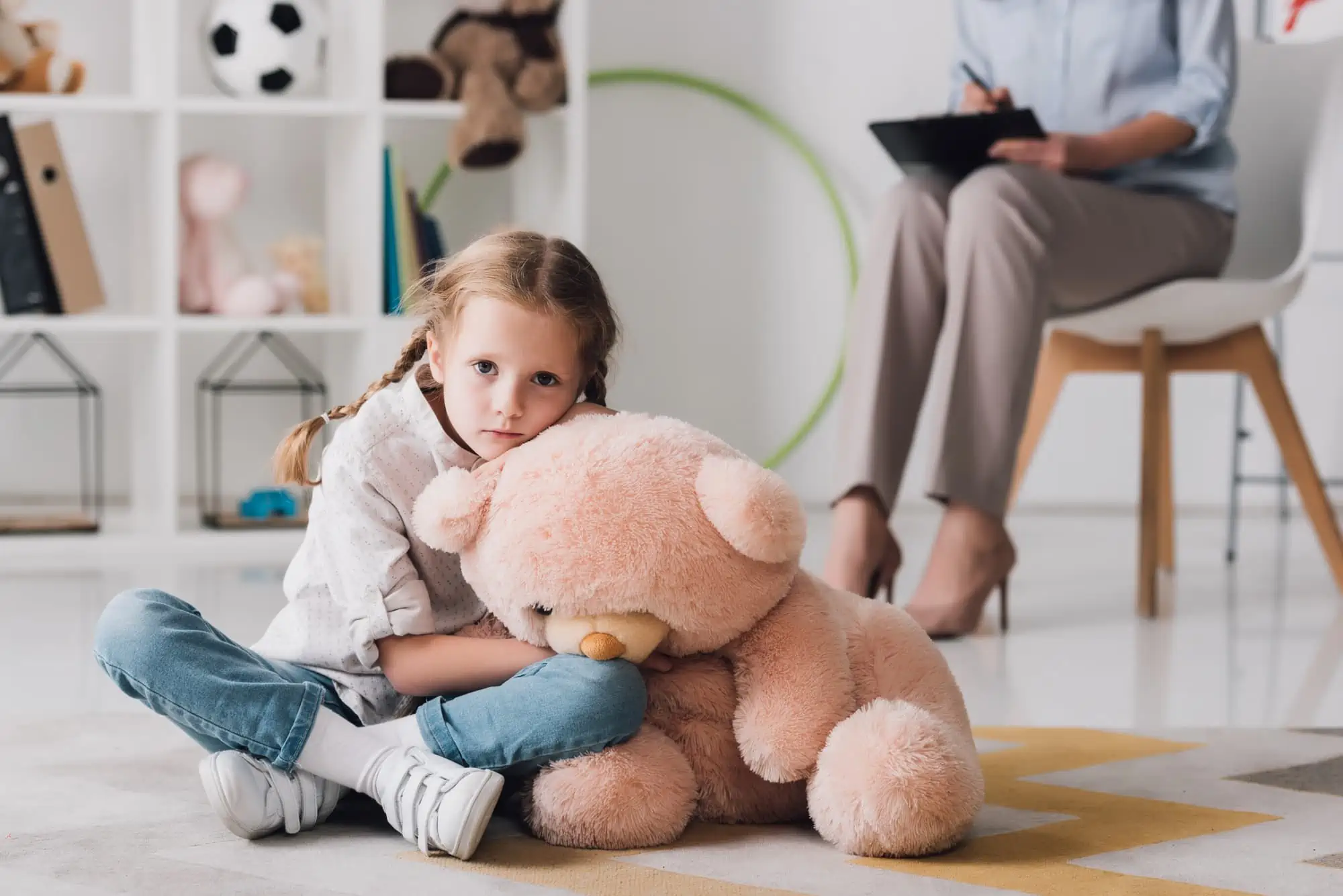
When we were upset, we usually heard stuff like “Cheer up,” “Go play outside,” or “Don’t be so dramatic.” It wasn’t mean-spirited—it’s just how emotions were handled. But it taught a lot of us to stuff things down instead of working through them. No one really said it was okay to feel heavy things, or that therapy could help before things got bad. If our parents had taken mental health seriously from the start, we might’ve had way better tools instead of spending years unlearning how to shut down.
Asked More about Our Friendships—Instead of Just Our Grades

Report cards got attention. Test scores got lectures. But no one asked, “How do your friends treat you?” or “Are you happy with the people you’re hanging out with?” Some of us stayed in toxic friendships way too long because we didn’t know what a healthy one looked like. Those check-ins could’ve taught us to value connection over performance.
Apologized When They Messed Up

There were moments they yelled, misunderstood us, or said something hurtful—but instead of owning it, they just acted like it never happened. A genuine “I messed up, and I’m sorry” would’ve gone a long way. It would’ve taught us that adults aren’t perfect—and that it’s okay to admit when you’re wrong without losing your authority.
Let Us be Shy Without Trying to ‘Fix It’

Being quiet got treated like something we had to outgrow. If we didn’t make small talk at the family gathering or hated group games, we were told to “come out of our shell.” But some of us weren’t in a shell—we just didn’t like loud crowds or forced interaction. It would’ve meant a lot to hear, “You’re fine just as you are.”
Explained Why—Instead of “Because I Said So”

We weren’t trying to be disrespectful by asking “why”—we genuinely wanted to understand. Getting shut down with a “because I said so” didn’t teach us anything. A little explanation about their reasoning could’ve helped us develop better judgment, instead of just fearing authority or rules we didn’t get.
Let Us Fail Safely (Instead of Jumping in Too Fast)

Sometimes they stepped in before we had a chance to mess up—tying our shoes, finishing our homework, smoothing out every bump. It felt like help at the moment, but it left some of us clueless when we faced challenges later on.
Stopped Comparing Us to Other Kids—Especially Our Siblings

Even if it was unintentional, we noticed it. “Your brother never did that.” “Why can’t you be more like your cousin?” Those comparisons didn’t push us to be better—they just made us feel like we weren’t enough as we were. A little more validation [for our own strengths] could’ve built the kind of confidence that didn’t depend on comparison.
Shared More of Their Real Life with Us

We saw them as parents—but rarely as people. We didn’t hear about their regrets, their messy 20s, or the stuff they wish they’d done differently. If they’d let us in on more of their personal journeys, we could’ve felt less alone in ours. Vulnerability would’ve made them more relatable, not less respected.
Talked About Aging & Health Before It Became Urgent

A lot of us were suddenly thrown into caretaking roles or faced with tough medical decisions without any prep. We didn’t know what they wanted, who their doctors were, or how they’d want things handled. Conversations about aging, health, & end-of-life stuff shouldn’t have started in a hospital room. Having those tough talks earlier on could’ve saved a lot of confusion and stress later.
Encouraged Breaks—Not Just “Hard Work”

Work ethic was always praised, but the rest was hardly ever shown. We watched parents go nonstop, never take a vacation without feeling guilty, and treat exhaustion like something to be proud of. Now, we feel bad about taking time off—even when we really need it. We needed to hear that rest isn’t laziness—it’s necessary for survival.
Shown Us How to Cook without Yelling Over Spilled Flour

Cooking could’ve been fun. Instead, it was often high-stress. One wrong measurement or broken egg and the whole vibe changed. Some of us grew up thinking the kitchen was a minefield. A little more patience (and a little less panic over messes) would’ve made learning feel safe instead of scary.
Been More Honest about Relationships

Watching parents stay in cold, distant relationships—while pretending everything was fine—gave us confusing messages about love. We didn’t see real affection or real conflict resolution. If they’d been more honest about what wasn’t working (or what they needed more of), we might’ve developed healthier relationship expectations of our own.
Let Us Have Privacy without Assuming the Worst

A closed door shouldn’t have meant we were up to something bad. But a lot of us got constant interruptions, suspicious questions, or guilt trips about “family time.” We weren’t trying to shut them out—we just needed space. Respecting that could’ve made us more willing to open up, not less.
Disclaimer: This list is solely the author’s opinion based on research and publicly available information.
Like our content? Be sure to follow us on MSN.
Read More: