

Growing up, I thought my family life was just like everyone else’s and it wasn’t until much later that I realized many “normal” things were actually signs of abuse. And I’m glad I did—understanding these behaviors helped me understand how they had impacted my life, which meant I could figure out how to fix them. Here are eleven things I used to think were ordinary but now see in a different light. You may want to stop normalizing them, too.
Featured Image Credit: HighwayStarz /Depositphotos.com.
Silent Treatment Without Explanation

Sometimes my parents would suddenly stop talking to me and I’d have no idea why, so I’d rack my brain trying to figure out what I did wrong. I used to think all families had moments like this—but now I realize it was my parents trying to manipulate my emotions & keep me on edge. I would be extra careful around them because I was afraid to speak or act in a way that might prolong the silence, which made me feel rather anxious.
No Privacy in My Own Space
My room wasn’t really mine & parents would walk in without knocking—they’d go through my things whenever they wanted and I thought that was okay. I believed kids didn’t deserve privacy and that this was just how families operated but looking back, I see that everyone needs their personal space where they feel secure. It’s hard to relax when you don’t have a place to call your own.
Eavesdropping on Private Conversations

Likewise, anytime I was on the phone with a friend, I’d notice my mom or dad quietly listening from the next room—they’d read my text messages without asking, too. I assumed all parents kept tabs on their kids like that but looking back, I realize I had no privacy whatsoever. It was suffocating to feel constantly watched and it took a toll on my ability to trust other people.
Hurtful Jokes in the Name of Teasing
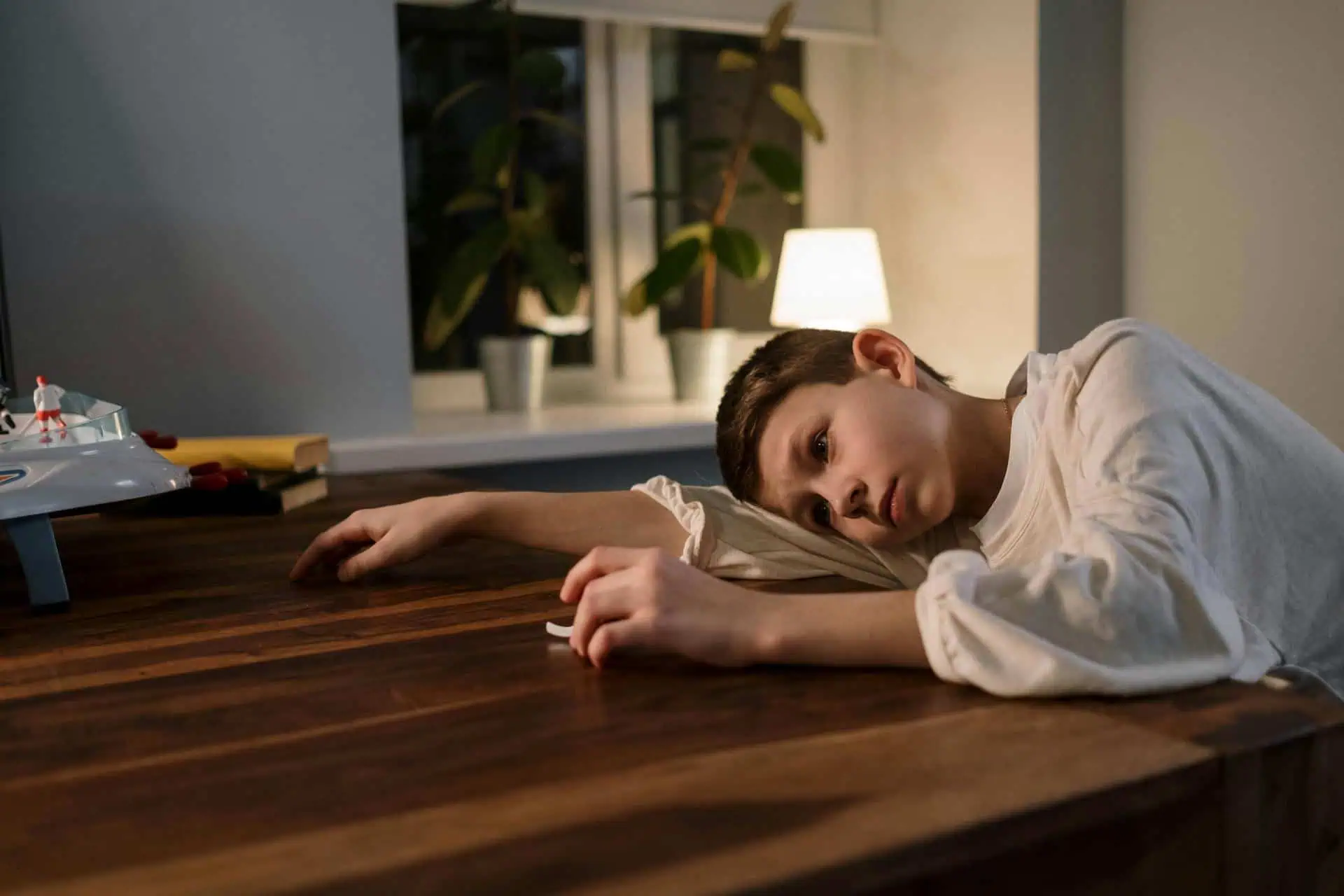
I was usually the target of jokes that made me feel small but when I protested, my parents told me to lighten up and not be so sensitive. They’d make fun of my interests & appearance in front of others, which made me want to withdraw from conversations. I thought this was normal family teasing but now I understand that constant belittling isn’t acceptable—especially when it gets to the point where you avoid sharing anything personal to protect yourself from ridicule.
Being Shamed Publicly for Mistakes

Anytime I messed up, my parents would share my mistakes with relatives & friends, which was just as humiliating as it sounds—but I assumed all parents did this to teach their kids lessons. It made me feel like I could never do anything right, and that everyone was judging me. Now I see that publicly airing my errors only hurt my self-esteem & trust in other people and that’s never right.
Affection Only When I Achieved Something

They’d only share love and praise when I accomplished something noteworthy, so when I didn’t meet expectations, they’d ignore me. I’d push myself hard to get good grades or excel in activities, not because I wanted to, but simply because I was hoping for their approval. I believed I had to earn their love, yet I’ve now learned that genuine affection shouldn’t be conditional.
Too Many Responsibilities Too Young

From a young age, my parents tasked me with taking care of my siblings and handling household chores that soon became overwhelming, which I thought was just part of growing up. Yet I now understand that it robbed me of a carefree childhood because I missed out on hobbies & friendships. Instead, I was busy with adult responsibilities that left me feeling exhausted.
Using Fear to Control My Behavior

Threats of harsh punishments were common if I didn’t do what my parents demanded and this made me live in constant fear of making a mistake. This fear stopped me from being able to relax & enjoy simple things—it also made it hard for me to take risks because I was worried about the potential backlash. It was something I believed was standard discipline and it took me growing up to realize that this behavior just made me anxious.
Restricted Social Interactions Without Reason

My parents didn’t allow me to spend time with certain friends, yet they never gave me any explanations for this and I accepted it as strict parenting. Looking back, I see it was a way to isolate me & limit my support network—it also meant I had fewer people to talk to about what was happening at home. I missed out on a lot of friendships and social activities.
Being Told I Remembered Things Incorrectly

It’s natural for conflicts to happen in any relationship but when that happened, I’d remember events one way but my parents insisted I was wrong. It made me doubt my own memory & perception, which I later learned was a form of gaslighting that undermined my trust in myself. Soon enough, I became hesitant to bring up issues as I was worried that nobody would believe me.
Manipulating Siblings Against Each Other

My parents had a way of turning me and my siblings against each other—they’d casually mention things one of us apparently said about another, which started arguments. It was easy to brush this off as sibling rivalry but in reality, they were fueling the conflict on purpose. Once we were older, we realized how much this manipulation affected our relationships and stopped us from being close to each other.
Disclaimer: This list is solely the author’s opinion based on research and publicly available information.
Like our content? Be sure to follow us on MSN.
Read More:


