

Sometimes you get lucky. You discover that certain foods you love to eat are actually good for you. When I was a teen, I always thought that the path to a healthy diet was a straight & flavorless one. With time – I realized that we don’t always have to choose between flavor and nutrition. Earth has blessed us with so many foods like fruits, vegetables, roots and edible flowers that are both delicious and full of nutritional value.
In this list – we’ll have a look at 12 flavorful foods you can feel good about eating.
Featured Image Credit: Oleksandr P /Pexels.com.
Avocados

Creamy-textured and satisfying, this green fruit is rich in monounsaturated fats – the good kind of fat – which can help lower bad cholesterol. As a fruit, avocados are naturally high in fiber and can keep you feeling full for longer – aiding digestion along the way and promoting colon health. They’re also excellent sources of potassium, which can help to control blood pressure – plus valuable doses of vitamins such as B, E, and C. Eat them in salads, on toast or blended in green smoothies.
Berries
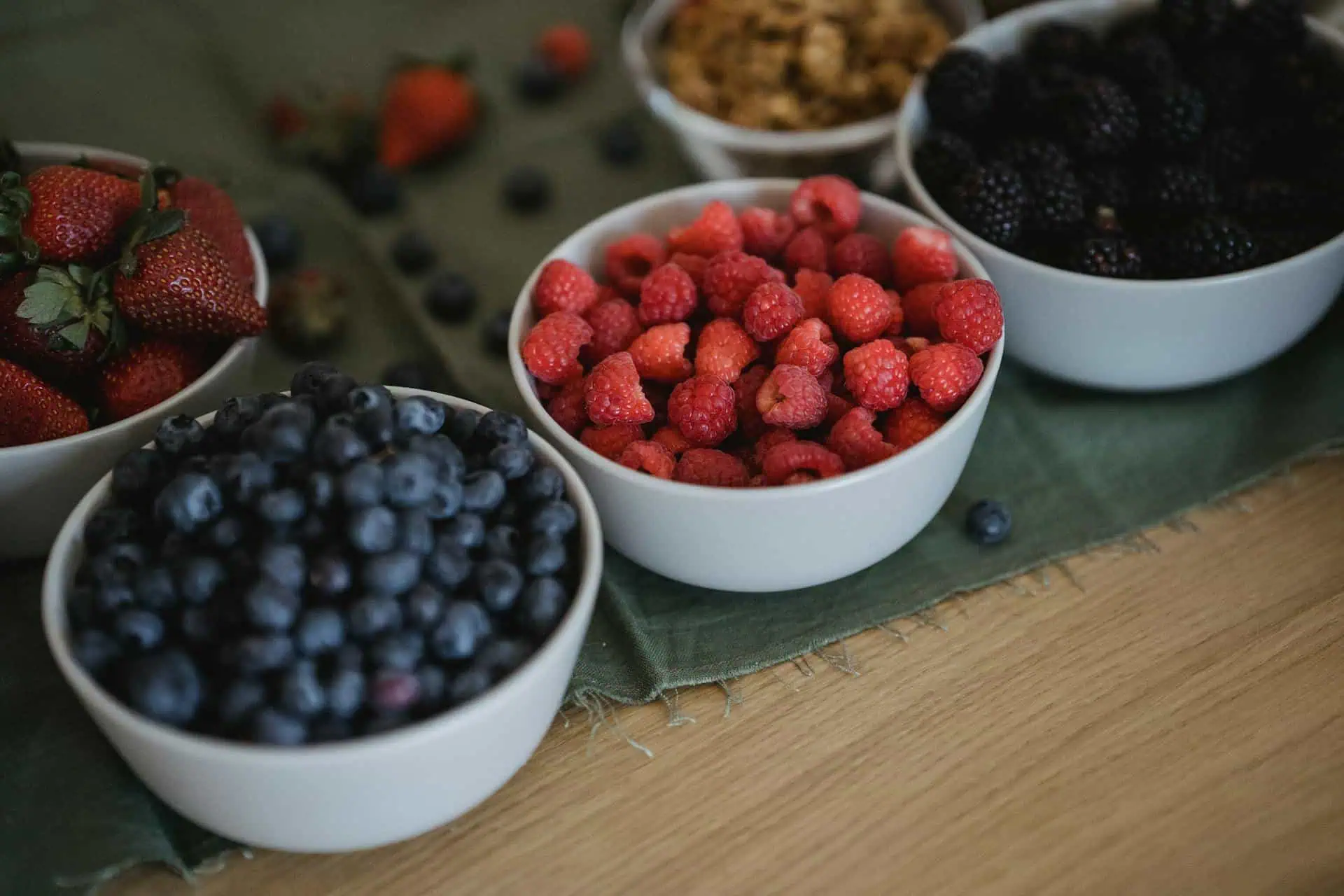
Fruits like strawberries, blueberries, raspberries, and blackberries are some of the most nutrient-dense foods available. They’re relatively low in calories — but full of vitamins, especially vitamin C (which helps to support the immune system). They are also rich in antioxidants such as anthocyanins – which help to reduce inflammation & protect against chronic diseases such as heart disease and certain cancers.
Like our content? Be sure to follow us.
Dark Chocolate

Dark chocolate (preferably 70 percent cocoa or more) is rich in flavonoids (an antioxidant) that helps to boost blood flow, lower blood pressure and help prevent heart disease. Keep in your mind that this is a perfect sweet treat you can enjoy in moderation. Dark chocolate contains minerals such as iron, magnesium and copper as well.
Salmon

Salmon is a fantastic source of omega-3s, which are beneficial for brain health, reducing inflammation and supporting heart function. These healthy fats can decrease your risk for heart disease by lowering cholesterol and blood pressure. Additionally – salmon is high in healthy protein that keeps you full and supports healthy muscles. Bursting with essential nutrients, salmon is filled with vitamin B12, vitamin D and selenium. And it’s delicious — whether grilled, baked or smoked.
Nuts
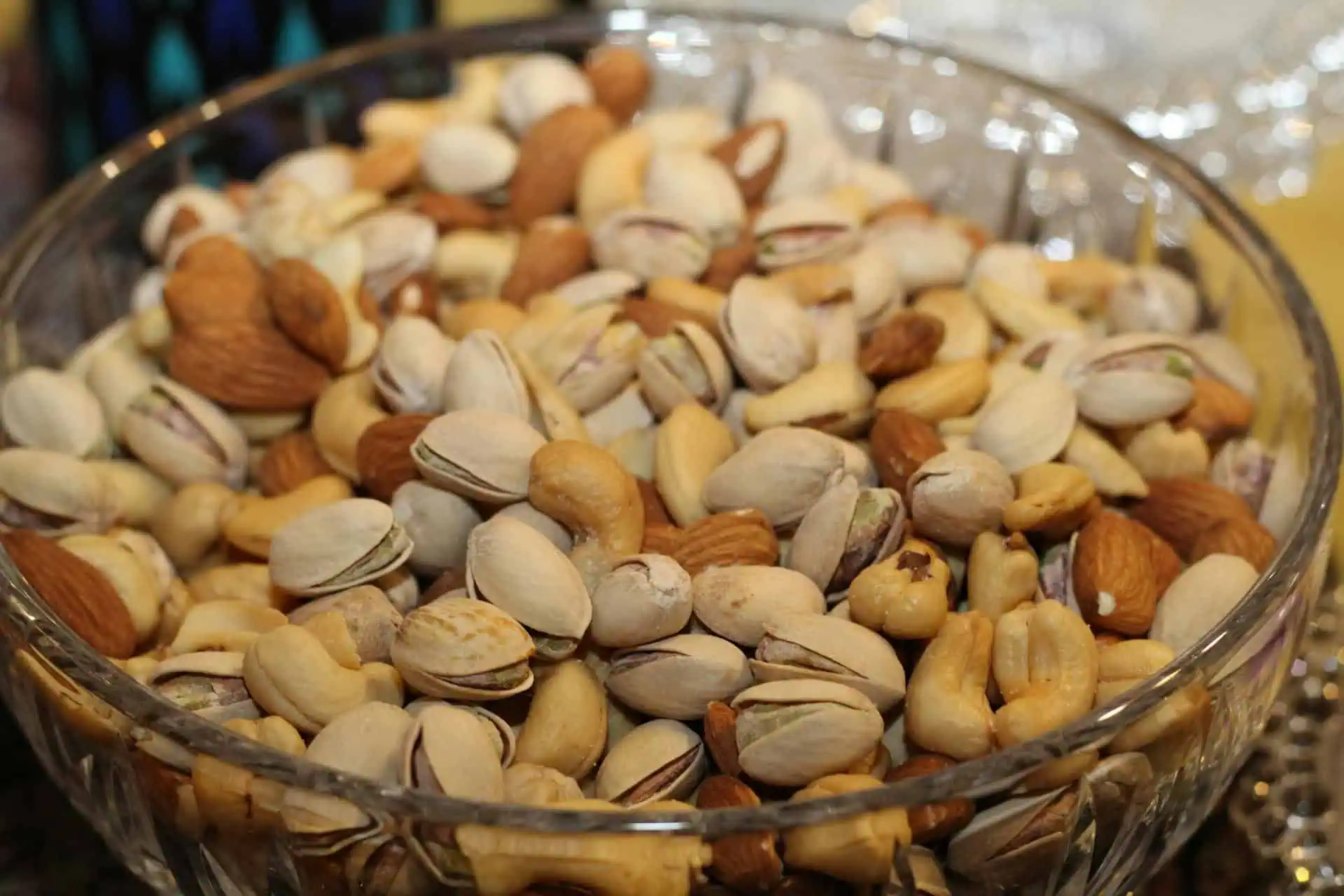
Nuts – from almonds to walnuts to pistachios – are often thought of as caloric snack foods — but portioned out in small amounts, they are a great source of healthy fats, fiber and protein, which can keep you satiated until your next meal. The monounsaturated and polyunsaturated fats in nuts are good for the heart, and the antioxidants they contain can lower inflammation. Just make sure you don’t go overboard with your portion size.
Greek Yogurt
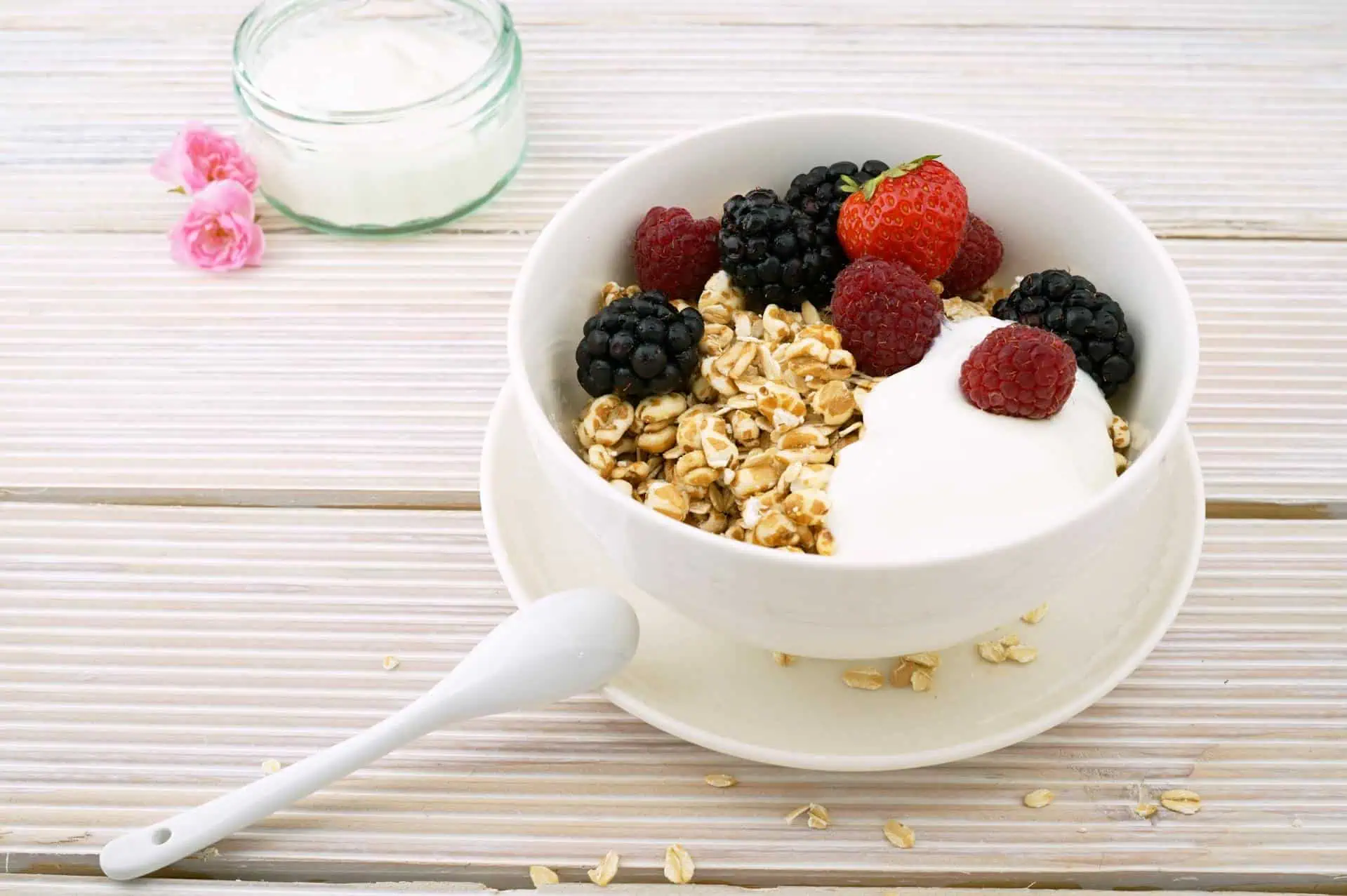
Greek yogurt is thicker than normal yogurt and contains more protein. Probiotic bacteria in it benefit the gut and digestion. Also, the extra protein makes it useful in boosting normal protein intake. Additionally, it helps build body muscles due to its calcium content. It is a healthy snack that goes well with fruit, honey, or nuts.
Sweet Potatoes

Besides tasting really good, sweet potatoes are nutritional powerhouses. They’re chock-full of beta-carotene – which your body uses to create vitamin A – which supports good vision, a strong immune system and glowing skin. The natural sweetness of sweet potatoes can help satiate your sweet tooth. You can cook them in ways that impart flavor — baking, roasting, mashing or sautéing. But you can also fry them like french fries, or roast them.
Eggs

Eggs are among the most nutritious foods in the kitchen, and arguably the most versatile. They are high in high-quality protein, along with nutrients such as vitamin D (which plays a role in bone health), and choline (important for brain development and function). Kicked up with herbs and spices, or just salt and pepper, you can enjoy these nutrient-packed eggs as a satisfying meal or snack.
Oats
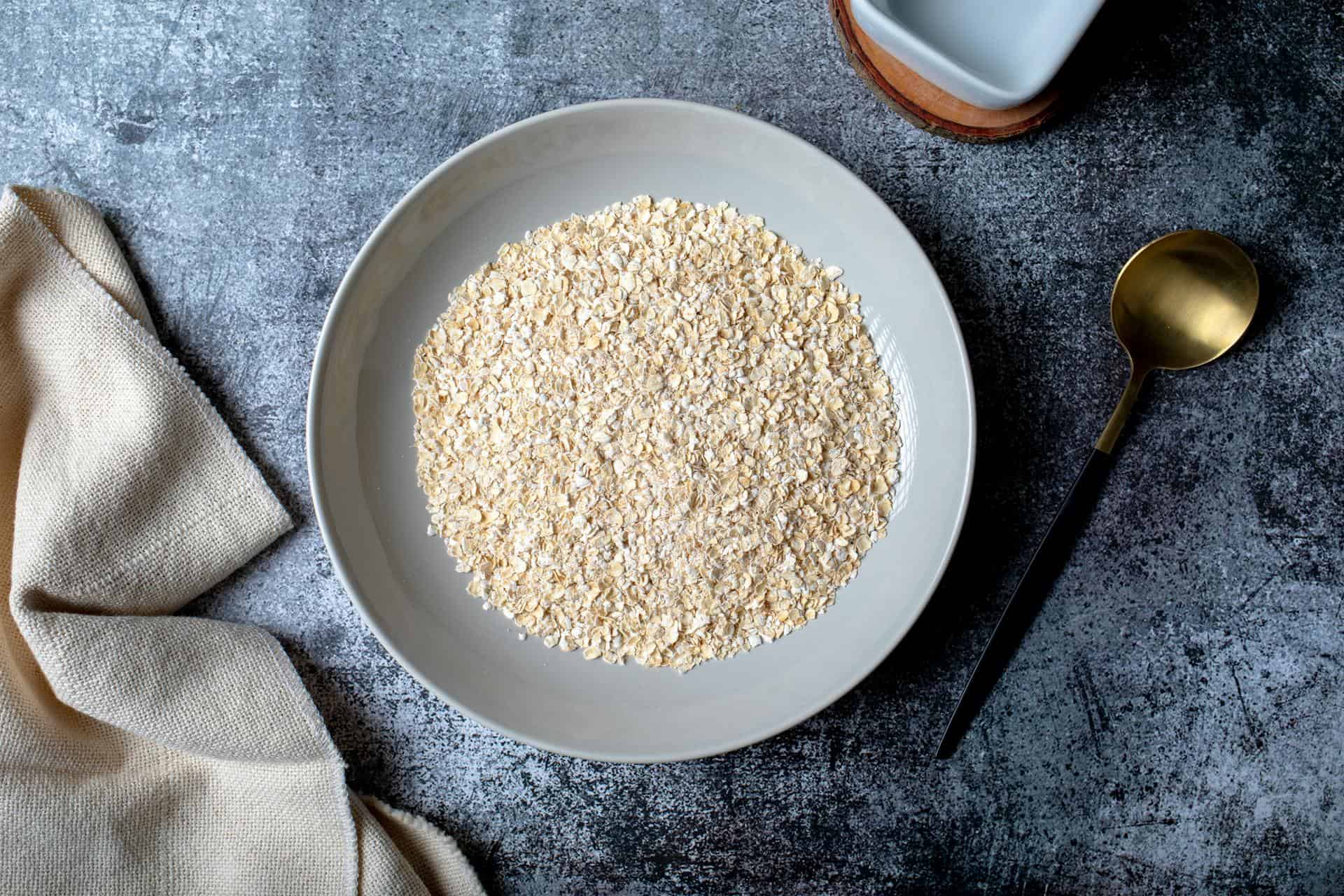
Oats provide a healthy, filling, delicious breakfast. A half-cup serving has double the soluble fiber of an apple, including a type of fiber called beta-glucan, which, like soluble fiber found in other foods, binds to cholesterol and helps slow its absorption into the bloodstream. This can lower both total and LDL cholesterol, decreasing the risk of heart disease.
Oats are loaded with antioxidants. These reduce inflammation – potentially lowering the risk of heart disease, stroke, cancer and more. Nothing beats oatmeal on a chilly morning – but oats are also delicious in granola or baked goods like cookies, muffins, and quick bread.
Dark Leafy Greens
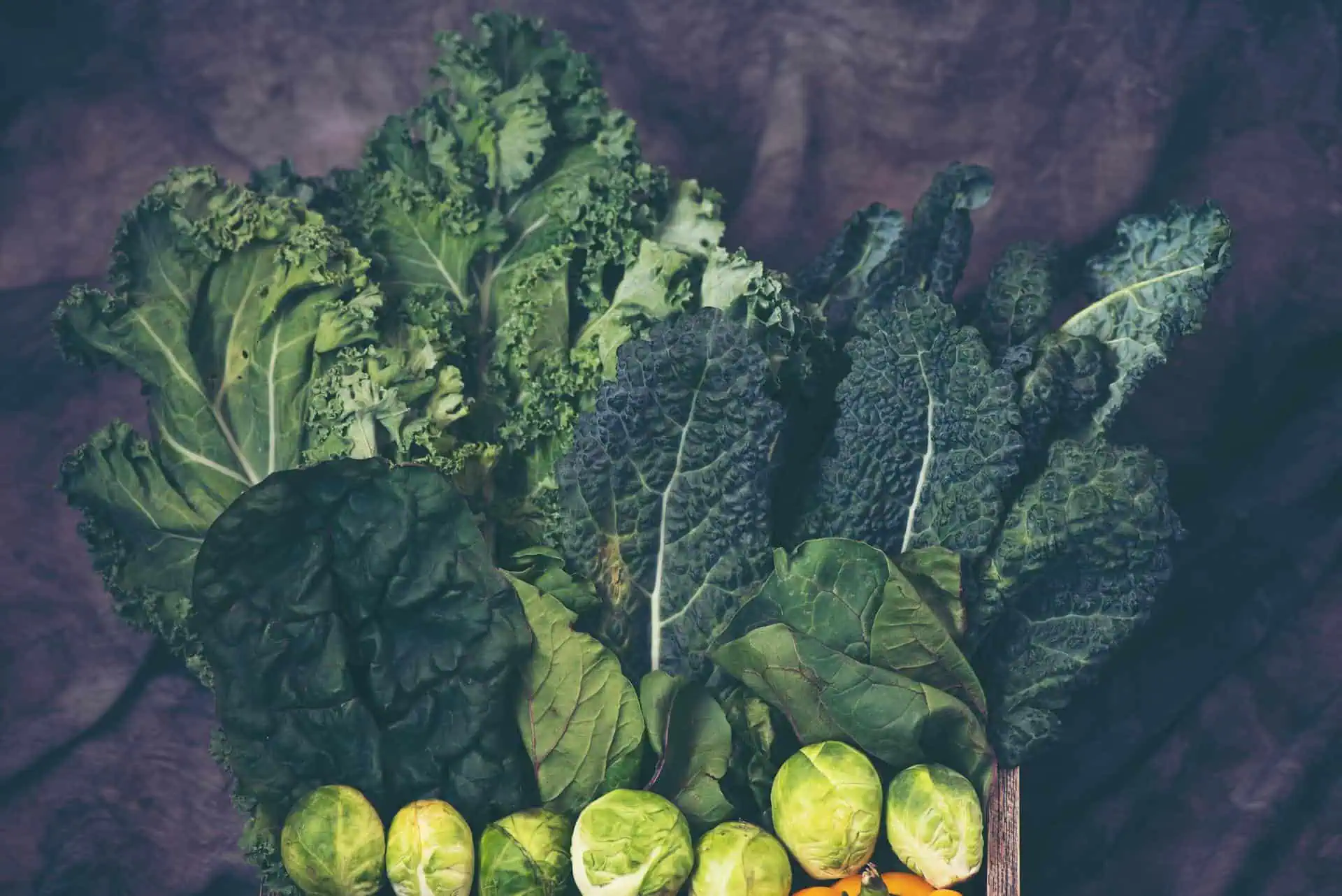
Dark leafy greens such as spinach, kale, and Swiss chard are very low in calories and are high in vitamins A, C, and K — as well as in the minerals iron and calcium. They are also high in antioxidants and fiber – both linked to being heart-healthy and having a positive impact on digestion. More dark leafy greens in your diet will improve your bones, skin and eyesight. Enjoy them raw in salads, sautéed as a side dish or in a smoothie for a quick nutrient boost.
Garlic

You add a clove of garlic to make your meal more flavorful, but garlic is also packed with health benefits. The compound allicin is responsible for its medicinal effects, and could also help boost the immune system by lowering blood pressure. A recent study showed that garlic possesses anti-inflammatory and antioxidant effects, and could therefore also be beneficial to the heart. Garlic may also lower the risk of heart disease by lowering blood pressure.
Quinoa

Quinoa is becoming the darling of the healthy food grain world – for good reason. It’s a complete protein, which means that it contains all nine essential amino acids the body needs but which it can’t produce on its own. And if you’re a vegetarian or vegan – or you just love a plant-based protein – quinoa is a great choice for that. It’s also high in fiber – which promotes good digestive health and may help to regulate weight.
Disclaimer: This list is solely the author’s opinion based on research and publicly available information.
Like our content? Be sure to follow us.