

Explains how once-trendy boomer-era words have fallen out of favor and may sound out of touch today.
How Far

‘Far out’ was a phrase that was originally part of earlier jazz slang before it became part of mainstream culture in the 1960s. The phrase was one that people used to talk about something excellent or impressive.
As such, being told your idea was ‘far out’ used to be quite a compliment.
Today, though, the meaning is less of an issue, as people do still understand what it means. The issue lies with tone because using it sounds like a throwback, and not in a good way. It doesn’t sound natural at all to use anymore.
It asked more than it said

The question ‘Can you dig it?’ comes from the verb ‘dig,’ which used to mean that you understood or appreciated something. It’s something that you’ll still find in modern dictionaries. However, it’s more of an outdated phrase these days because most people will never use it.
Saying it seriously sounds a lot like a movie reference, more so than a genuine question. You’re better off directly asking, ‘Do you understand me?’ as opposed to a question like this one.
It used to be enough

There was once a time when using ‘right on’ worked perfectly to show your agreement with someone, and that’s because the phrase meant that you thought someone was exactly correct.
You could use it in almost any kind of conversation.
Sure, it does still make sense today, but the problem is that the phrase no longer sounds as current as it once did. Most people immediately picture an older person using it when they hear it. As a result, the phrase sounds rather out of place in everyday modern conversations.
This one turned ugly fast

The majority of people today have never heard the word ‘fink,’ let alone the sharper edge that the word itself actually has.
Historically, it referred to an informer or someone who was willing to betray others. It was quite common to hear it during labor disputes and criminal contexts.
Yes, it had a real weight as an insult, although the saying has lost a lot of its impact these days. It sounds a lot more dated, perhaps even cartoonish, and that changes how seriously the majority of people take it.
This one had a good time

You used to be able to say that something was fun by calling it a ‘gas,’ and it’s a phrase that dictionaries like Merriam-Webster state was common in the mid-20th century. It was a saying that worked in almost every kind of social setting.
However, ‘gas’ is only ever really used in a vehicular context these days, and you’ll likely get a few strange looks if you use it as an adjective. It’s quite out of step with how most people use English these days.
It wasn’t really about bags

No, asking someone, ‘What’s your bag?’ had nothing to do with actual objects. It was a way of asking someone what they were interested in, sometimes as another way of asking, ‘what’s your problem?’
The phrasing was a natural part of conversation in the 1960s.
But in a modern world, the structure is a little unfamiliar to both people, and they might have to rely on context clues to work out the meaning of it. The sentence sounds way too old-fashioned.
Anyone using it unironically is going to show their age, that’s for sure.
It tried a little too hard
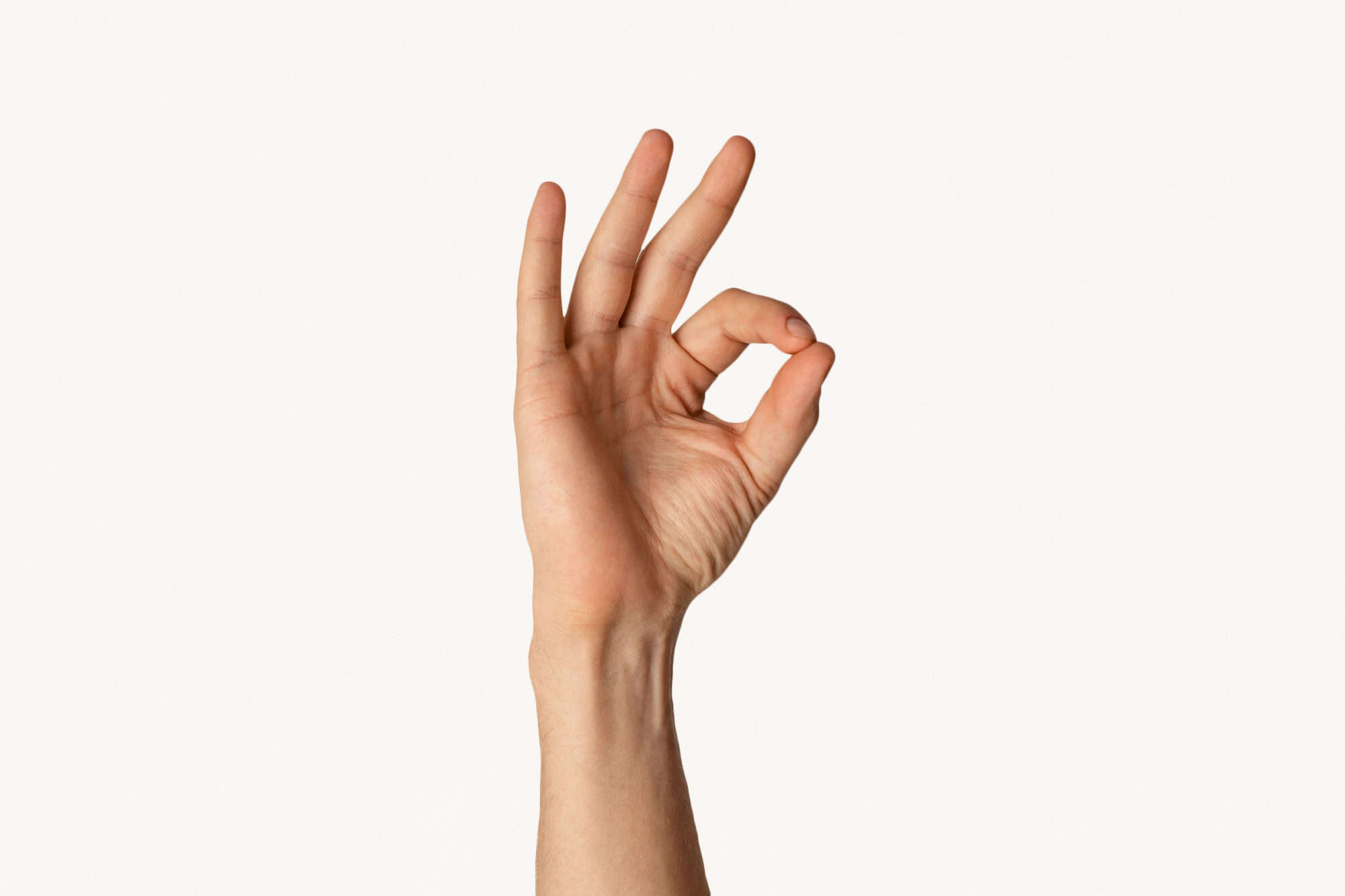
The playfulness of ‘neato’ was one of the main reasons it worked as slang in the 1960s, and it was a twist on the standard word ‘neat.’ It meant something was excellent.
While some people will still understand the meaning, the delivery of such a phrase is where the problem lies.
It comes across as being overly cheerful in a way that doesn’t really fit with how the majority of people talk these days. They’ll often see it as being forced or an attempt at irony, rather than a natural way of talking.
It was once perfectly normal

You’ll find the word ‘swell’ still in the dictionary as a synonym for stylish and excellent. It used to be a common way of showing your approval of something, but without it coming across as being too exaggerated. Not anymore, though.
The majority of people see it as being strongly connected to earlier decades, meaning that they’ll automatically assume that you’re old for using it. It’s not exactly a current expression, after all.
This one stayed very polite

The problem with a phrase like ‘gee whiz’ is the fact that it was built to be safe, as a way of softening stronger reactions. It allowed people to avoid anything offensive.
Such a phrase worked back when people needed that sort of filter in everyday speech, but these days, it doesn’t seem natural at all.
It comes across as though you’re deliberately holding something back, and that sort of over-politeness really does stand out. People assume you’re performing, rather than speaking honestly. The tone no longer lands in the same way that it once did.
It got even softer

Somehow, ‘golly’ manages to go even further in the same polite direction. The phrase started life as a softened form of ‘God,’ and that made it easy for people in the ‘60s to use it in almost any situation without offending anyone. Yet it has a rather specific tone these days.
It sounds rather dated, and in some cases, it sounds so old-fashioned that people stop when they hear it, as it creates quite a bit of distance in the conversation. People notice that it feels slightly off without being able to explain why.
It wanted everything to be fine

Another outdated word to talk about nice things is ‘copacetic’. You could also use it to talk about everything being in order, and on the surface, it seems simple enough.
But the issue is that it seems to be rather styled in a modern context, like you’re trying to sound clever.
The truth is, many people prefer to speak to someone who simply says what they mean, and they’ll recognize a change in conversation that sounds slightly untrustworthy.
Using it pulls the focus away from practically everything you might’ve said.
It had a reputation attached

‘On the make’ was a phrase people used for a rather specific context, and it was one they used to describe someone chasing money or status. It would even work for attention-seekers, too.
However, you’ll struggle to find many people who understand these various meanings, and the phrase feels loaded in a way that’s hard to control.
It might even come across as heavier than you ever intended it to be. Honestly, it sounds as though you’re judging someone, regardless of whether that was your goal, and that’s what causes people to feel uncomfortable when they hear it.
It stopped sounding innocent

Awkward situations are timeless, but unfortunately, the phrases to talk about them aren’t. ‘Make whoopee’ was one that allowed you to avoid saying anything too direct, and it worked because everyone knew what it meant, so you didn’t have to say it out loud.
Now it feels off. It makes you seem like you’re trying far too hard to avoid being direct, and that’s what makes it so uncomfortable for many people. You can almost feel the room reacting to the wording.
This one needed a gym floor

‘Sock hop’ was a saying that only ever worked in a very specific context. Sadly, that moment is long gone. It quite literally referred to a kind of school dance where people would take their shoes off to protect the floor, and that’s the reason the name existed in the first place.
These sorts of dances don’t exist anymore, so using the phrase is going to get you some stares in a modern context.
The phrase doesn’t connect to anything current. There are only a handful of people who will actually recognize it, while everyone will think you’re from a few decades past.
It got replaced by its cousin

‘Hep’ was a phrase that has entirely been pushed out, which is pretty ironic given the word’s meaning.
It came from early 1900s jazz culture and became a popular way to talk about someone in the know during the 1960s. But the phrase ‘hip’ came along to do the exact same thing.
In fact, the swap between ‘hep’ and ‘hip’ happened so quickly that the former word never had the chance to adapt. ‘Hep’ isn’t something that registers properly at first, and that’s because the word really isn’t part of our language anymore.
Sources: Please see here for a complete listing of all sources that were consulted in the preparation of this article.

