

Some people did not just influence history; their deaths, defeat, or end of reign signaled the end of entire ages, and the beginning of a new world.
Cleopatra VII
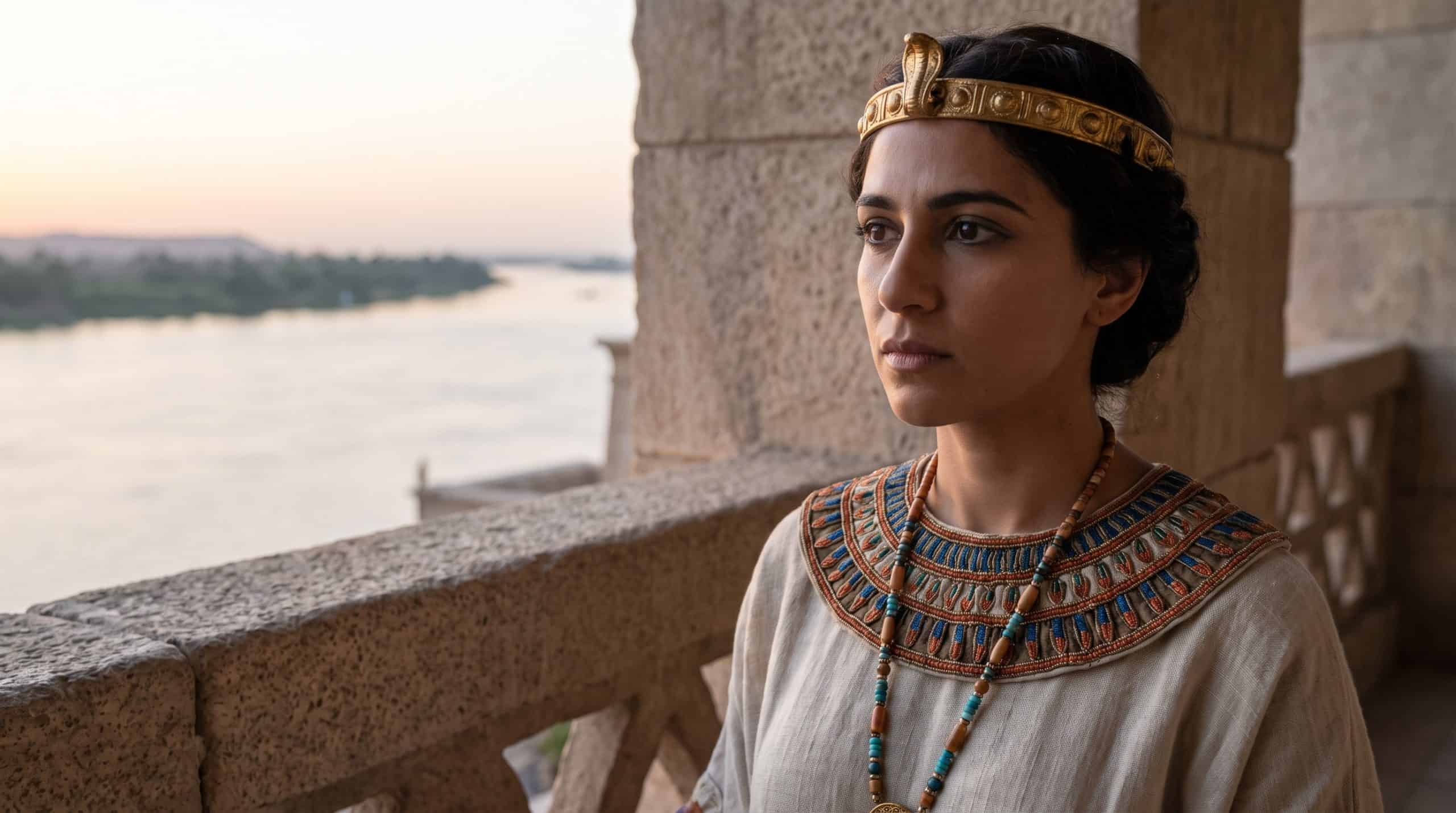
Her death in 30 BCE signaled the definitive end of the Ptolemaic Kingdom and ancient Egypt’s final bid for independence. As the last pharaoh, her loss to Octavian definitively ended the Hellenistic period (i.e., Greek cultural dominance following Alexander the Great) and united the Mediterranean world under a single authority: the Roman Empire.
Romulus Augustulus
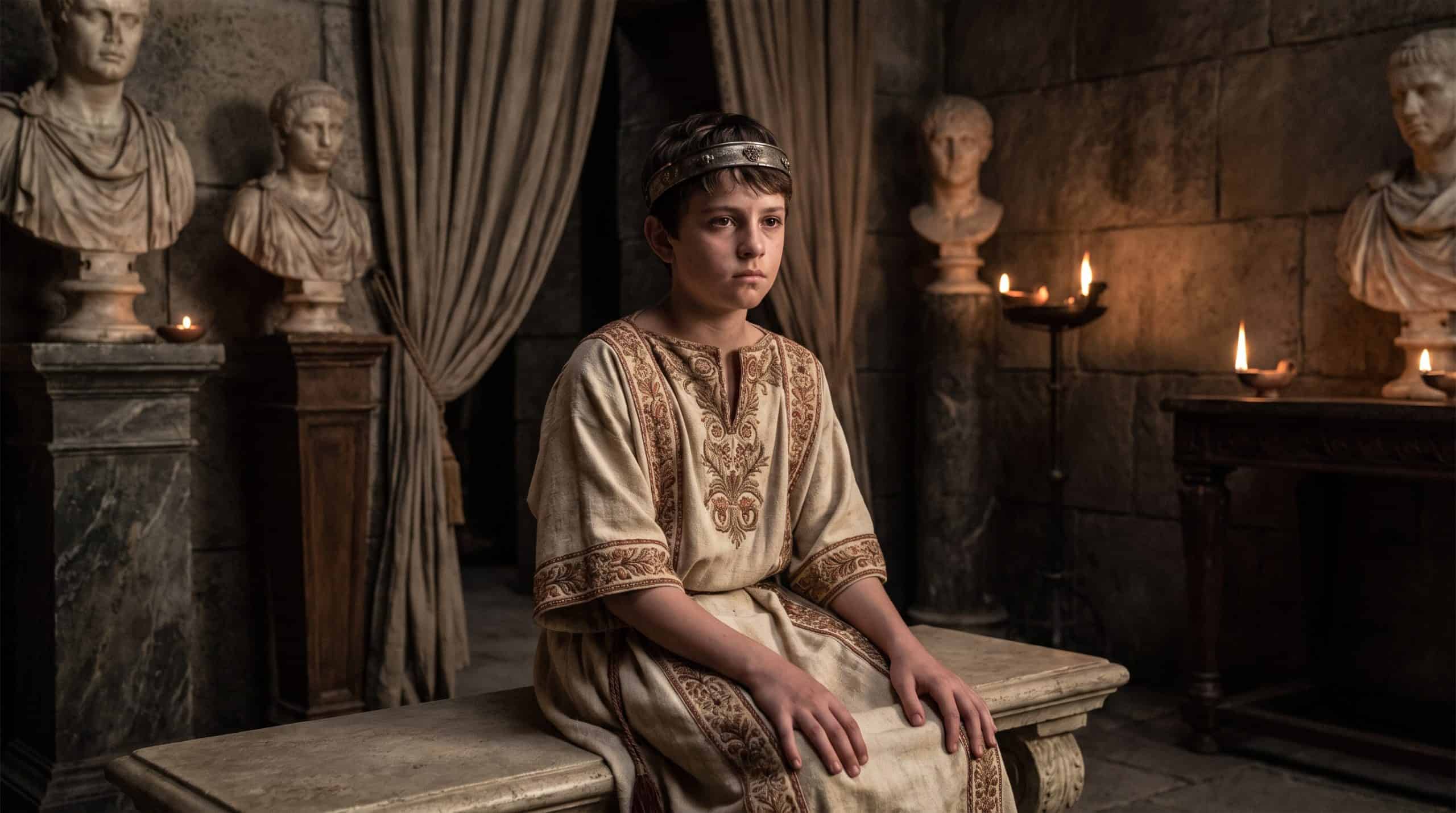
A boy-king mockingly named after Rome’s founder (Romulus) and its first emperor (Augustus), he was deposed in 476 CE by the Germanic chieftain Odoacer. His overthrow signaled the end of the Western Roman Empire, thus concluding the classical period of Western Europe and beginning the Early Middle Ages.
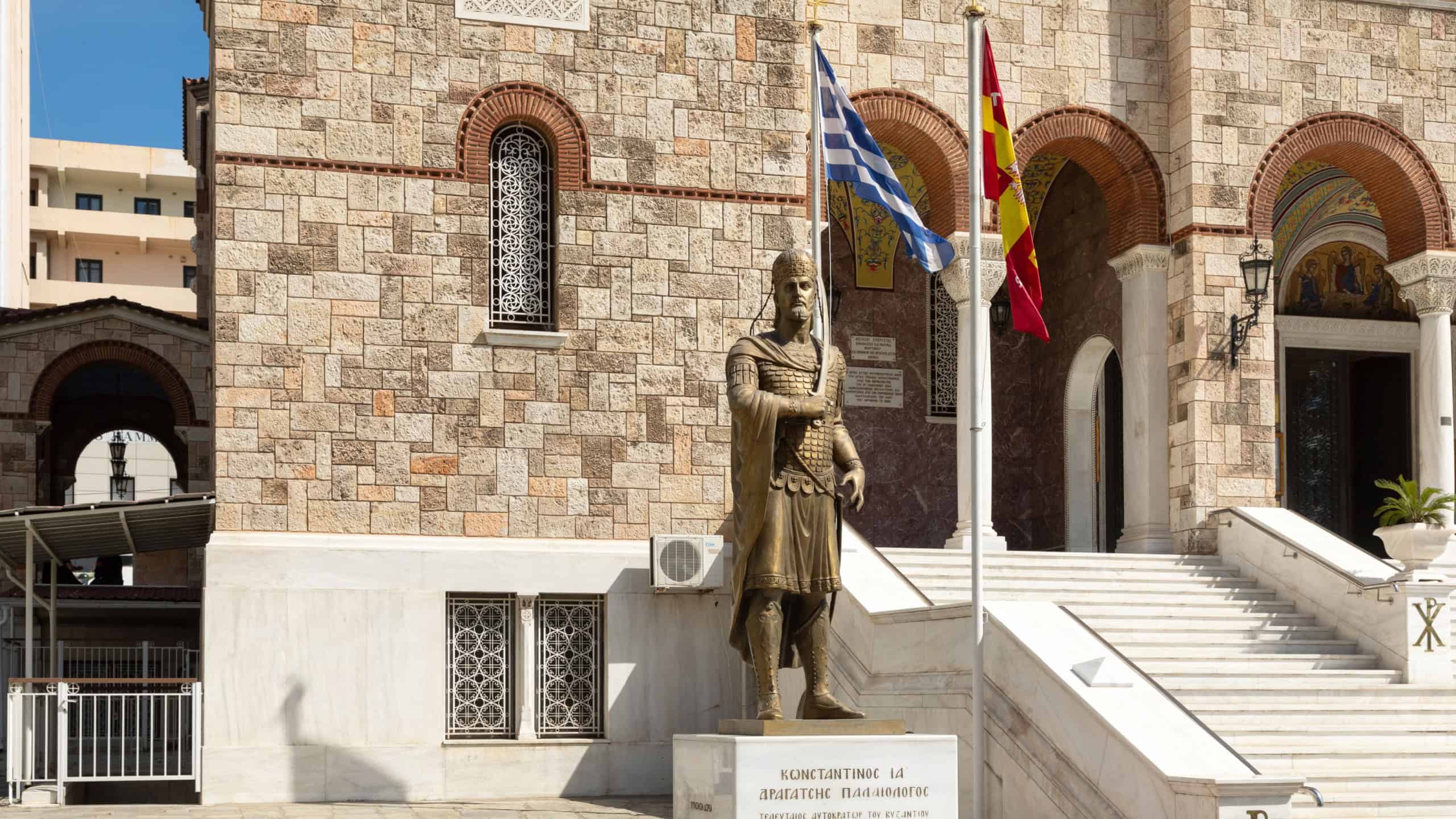
Constantine XI Palaiologos
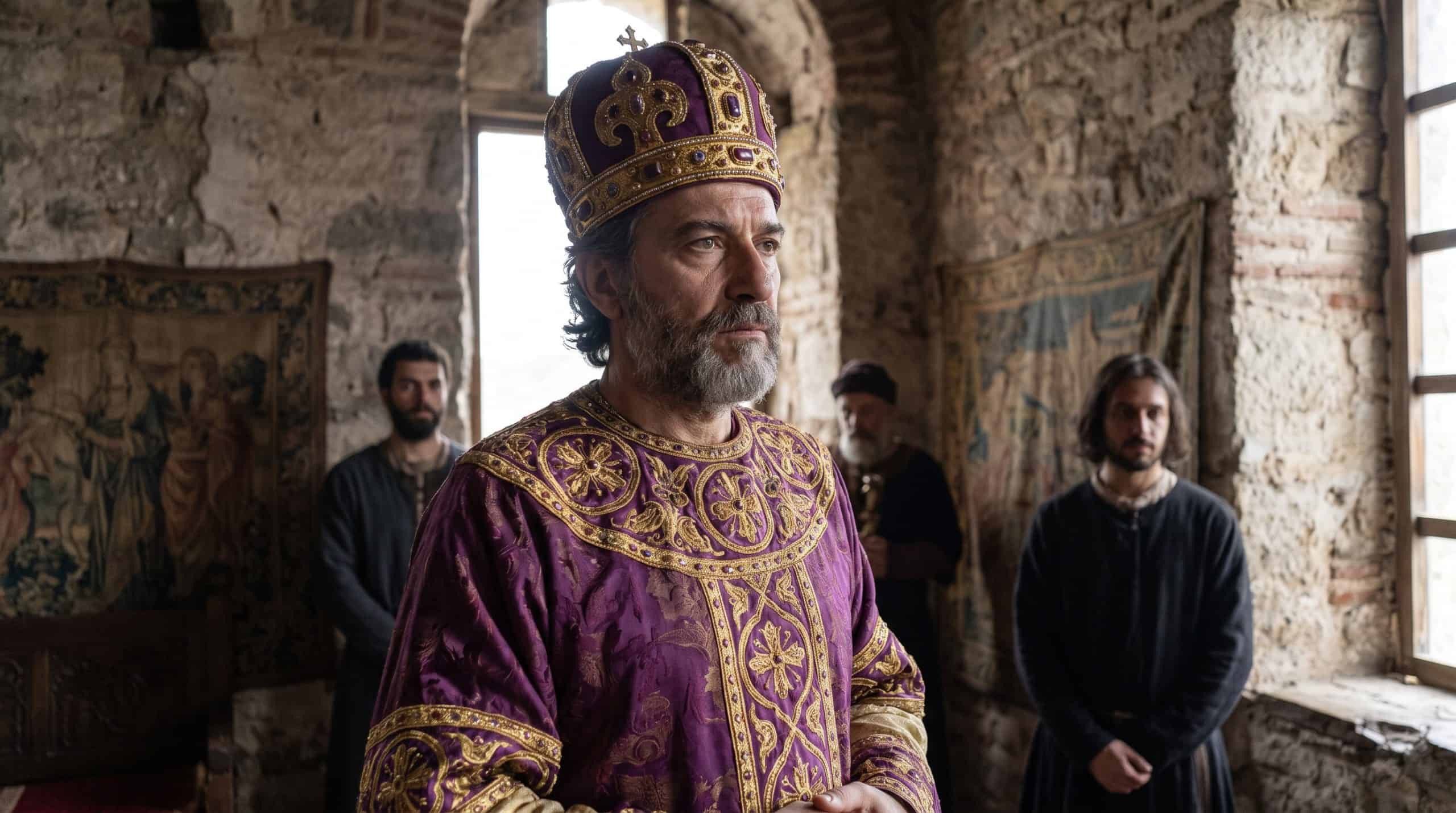
As Constantinople’s great walls were breached during the Ottoman siege of 1453, the last Byzantine Emperor tore off his imperial regalia and charged into battle against the oncoming Ottomans. His death ended the Roman Empire lineage, which had persisted in the east for over 1,000 years.
Montezuma II
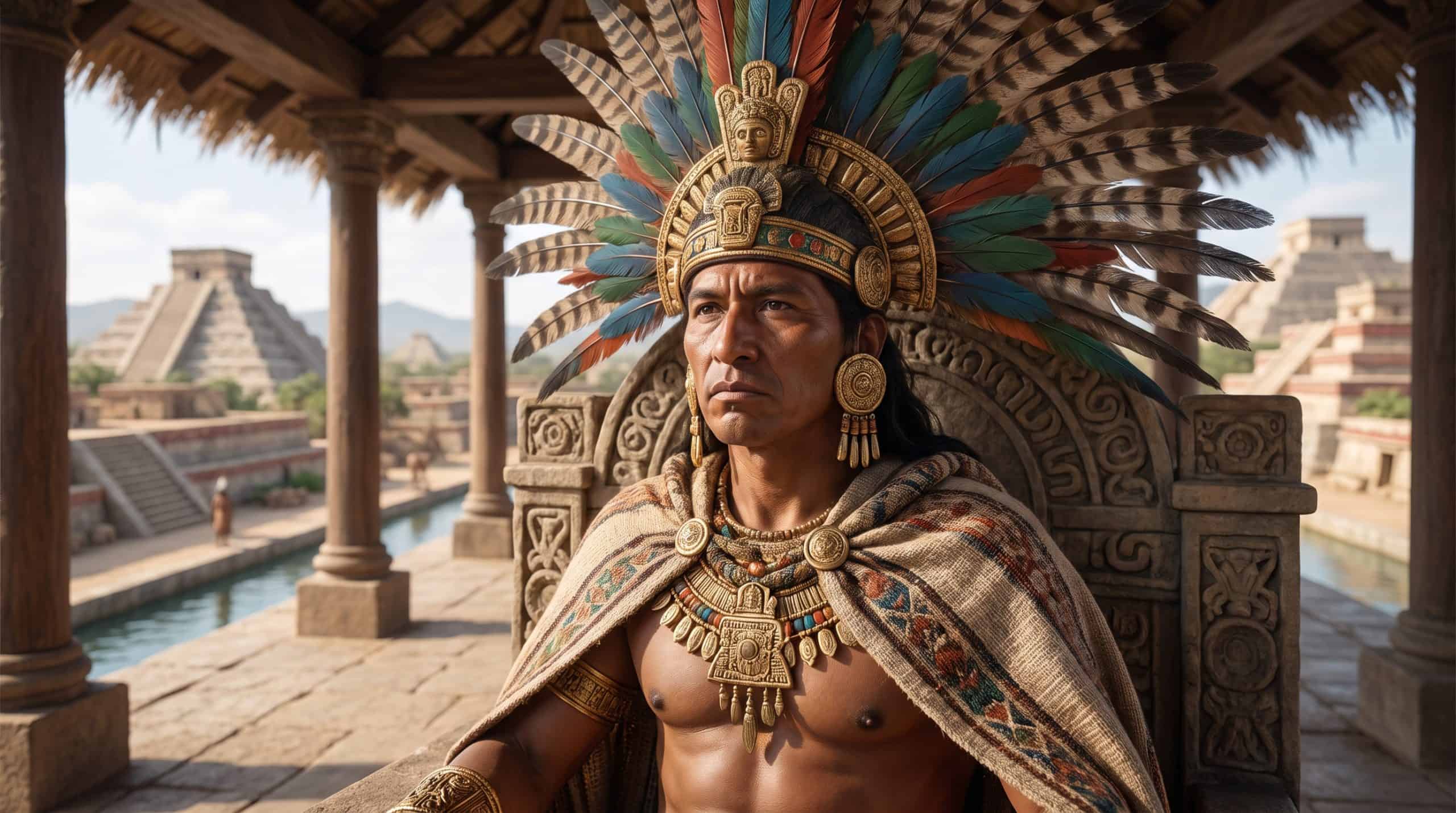
The capture and death of the Aztec Emperor during the Spanish conquest in 1520 weakened the infallible rule of the Mexica leadership. The fall of the great Mexica completely altered the landscape of Mesoamerican geopolitics and brought a violent end to the uncontacted pre-Columbian era of Central America.
Queen Elizabeth I
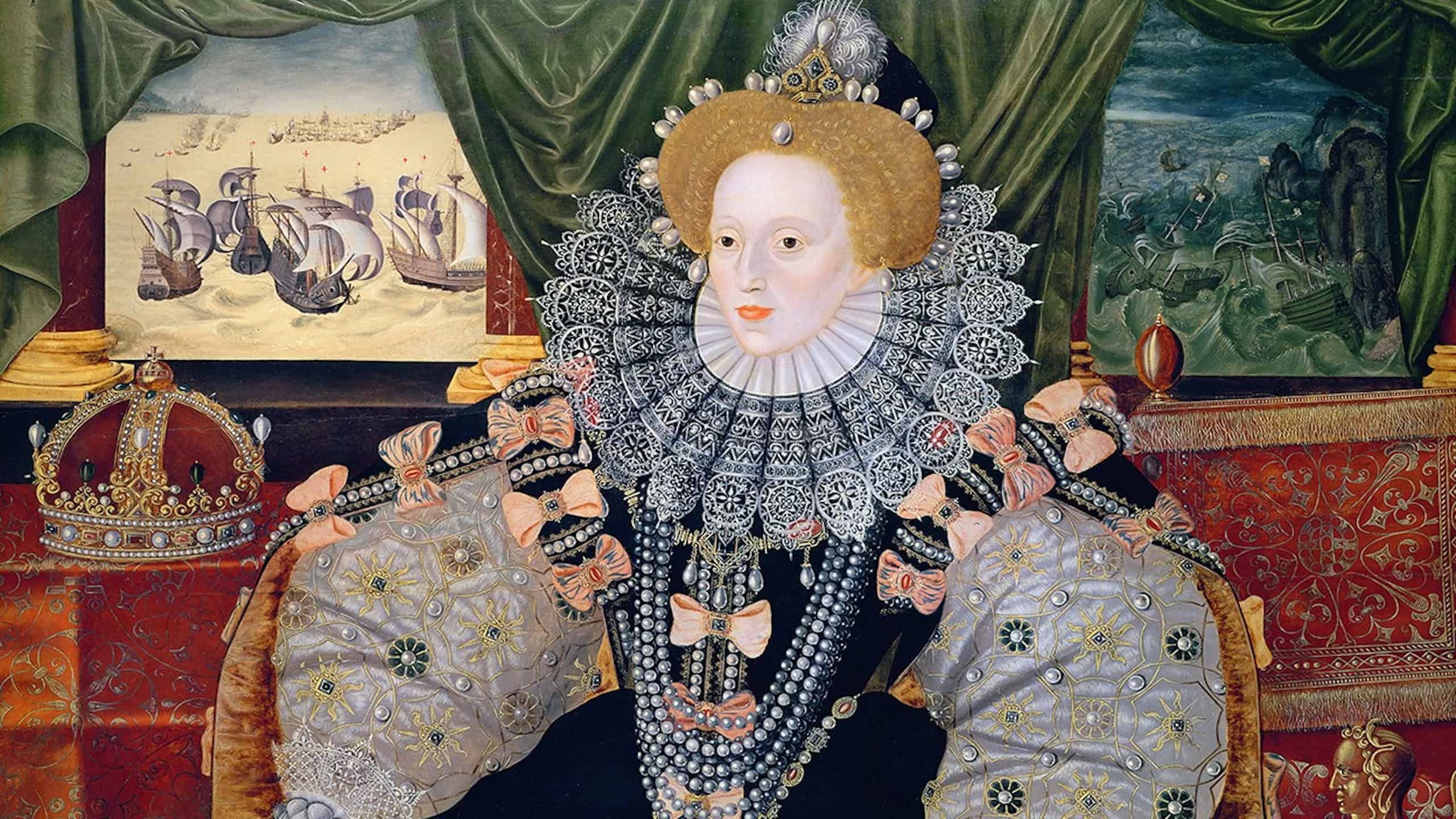
The death of Elizabeth I, the “Virgin Queen,” ended the Tudor dynasty’s 118-year reign that forever changed England’s religious, political, and cultural climate. Transitioning from Tudor to Stuart was a peaceful yet shocking transformation for the country as the crowns of England and Scotland merged.
Louis XVI
The death of Louis XVI finally brought down the Ancien Régime (old French feudal order) once and for all. Killing him with the guillotine in 1793 severed the collective hold that the medieval social order had on the minds of the French people. His death inaugurated the terrifying rise of the modern nation-state and changed the course of global politics forever.
Queen Victoria
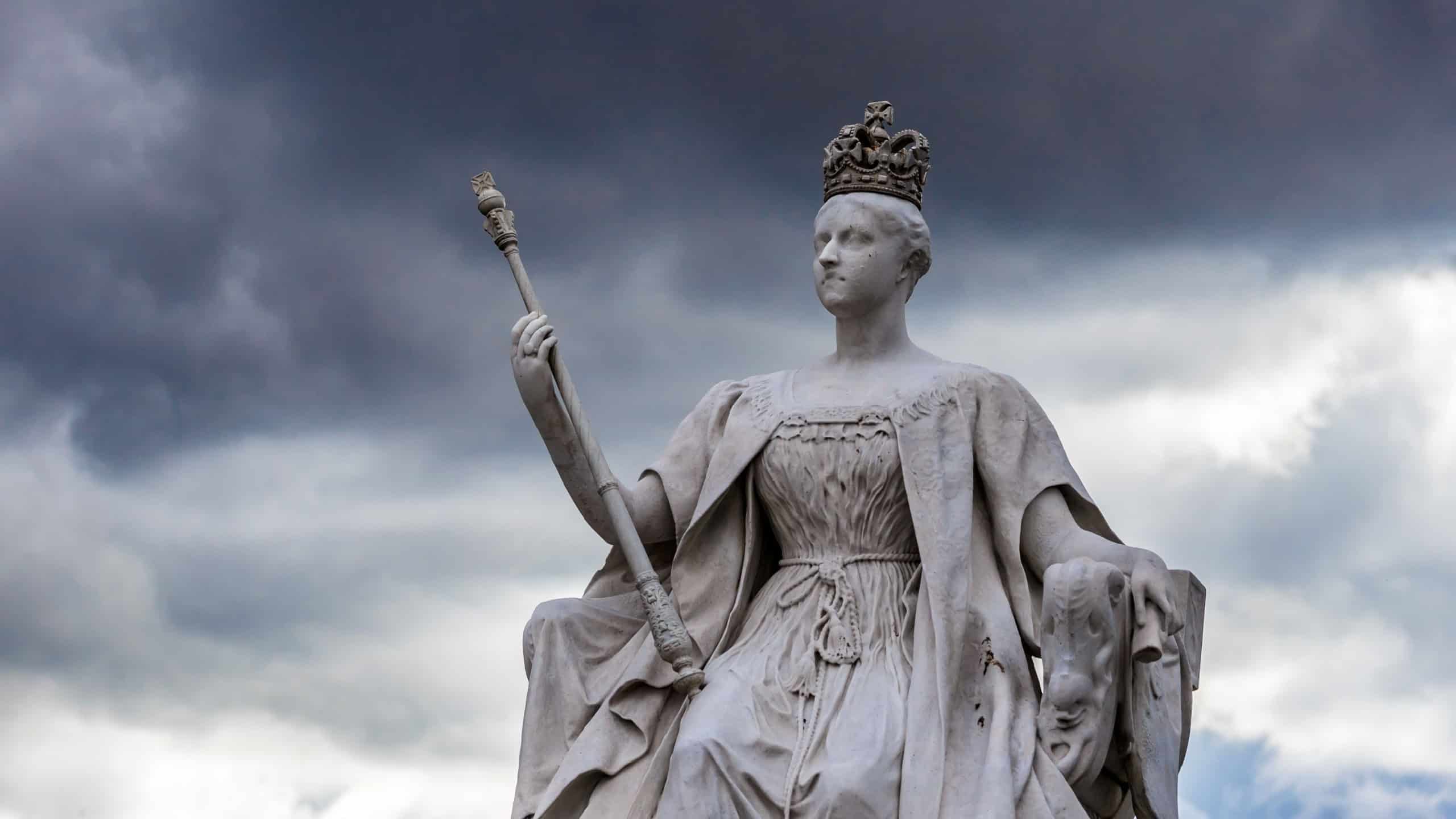
Victoria’s death in the first month of 1901 marked the end of the over-industrialized, extremely conservative Victorian Era. Her death broke a strong mental connection with the 1800s, allowing for a period of great change, fast modernization, and disillusionment in the 20th century.
Puyi
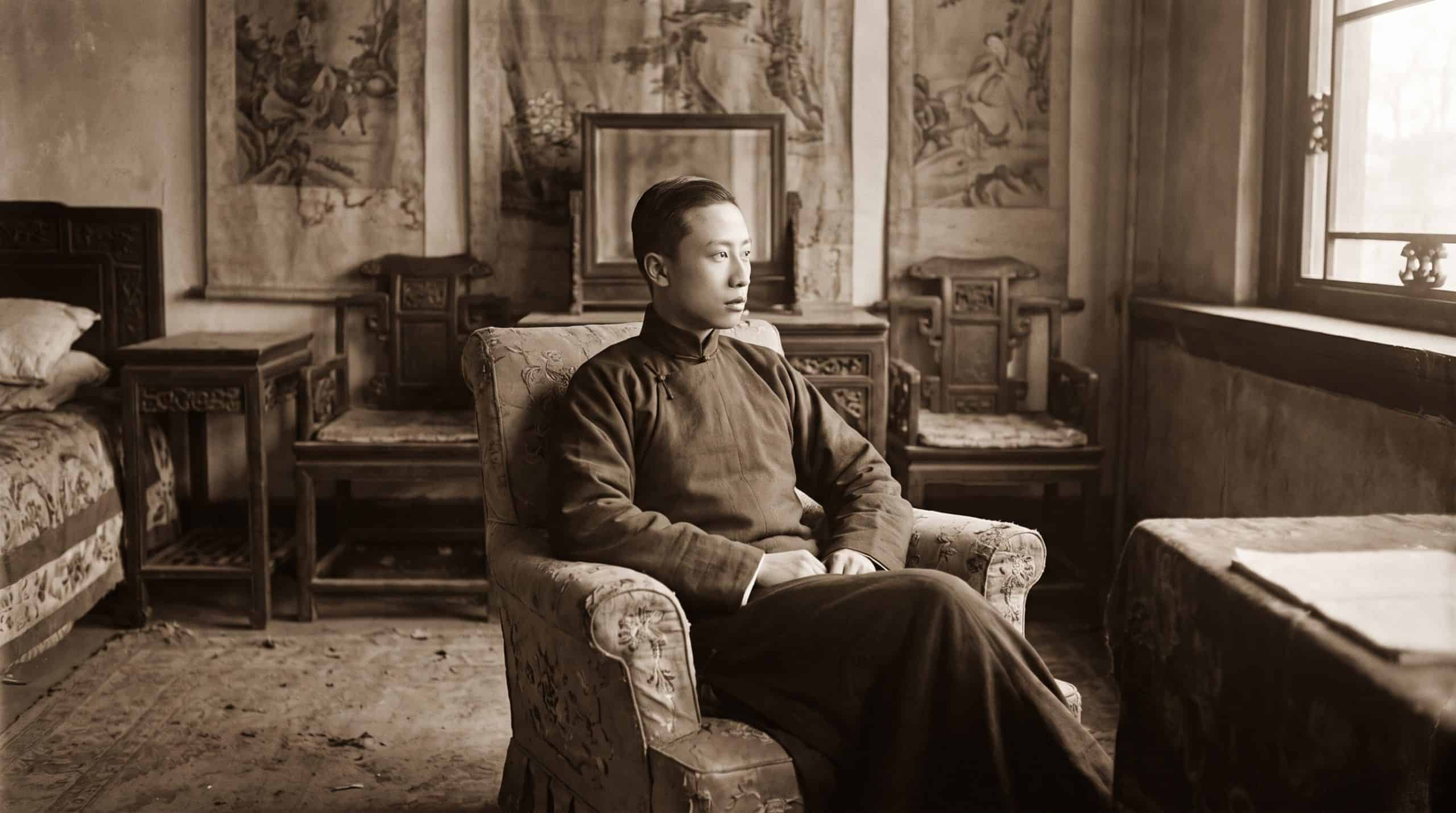
Ousted as emperor at just six years old in 1912 due to the Xinhai Revolution, Puyi was the last Emperor of China’s Qing dynasty. His dethronement ended over 2,000 years of dynastic rule in China, which began in 221 BCE.
Kaiser Wilhelm II
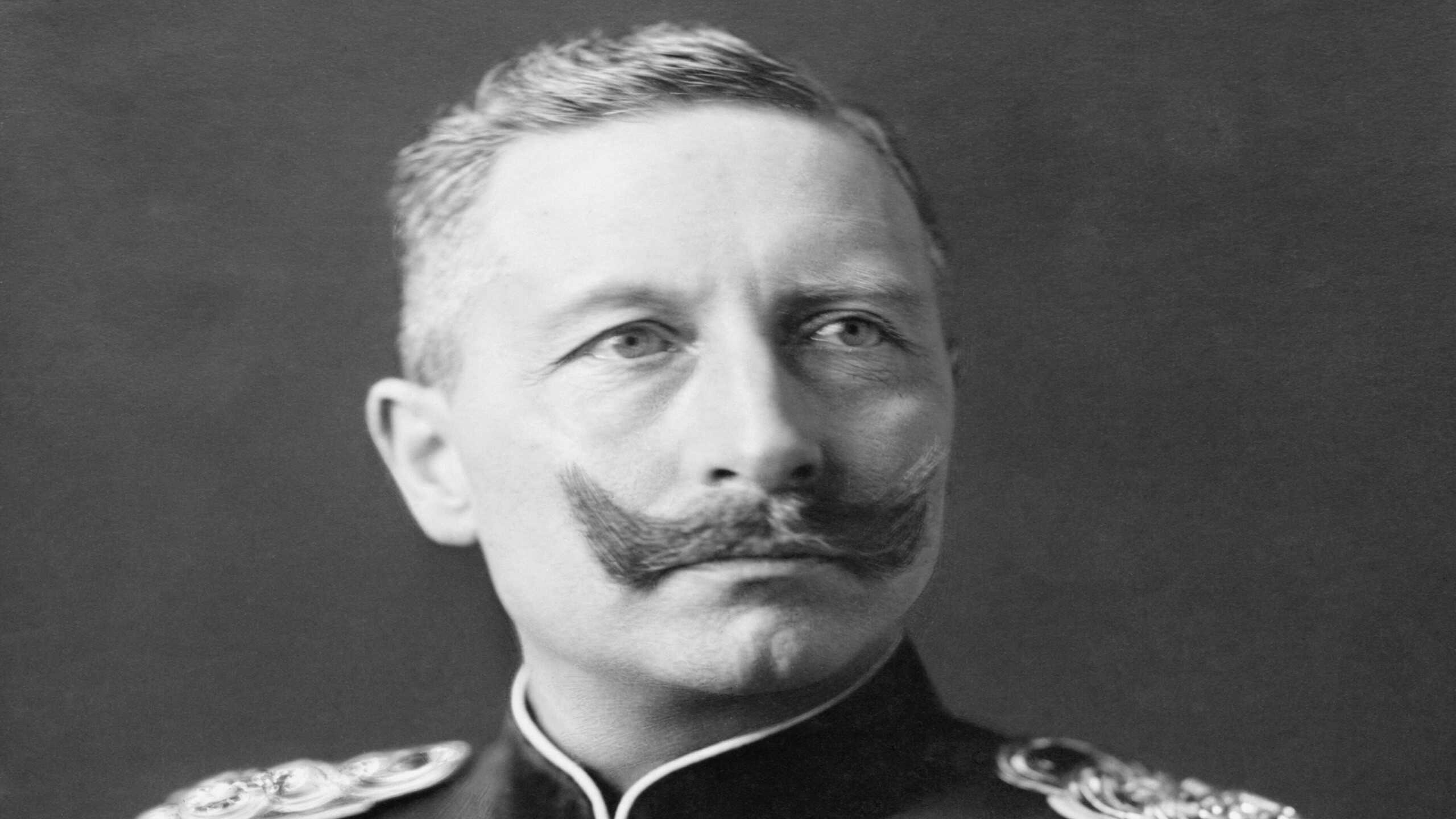
His forced abdication on November 19,18, during the last days of World War I, marked the end of German imperial rule. With the collapse of both the Austro-Hungarian and Russian crowns occurring around the same time, Wilhelm’s abdication represented the end of old-world European aristocracy as a dominant political force.
Mikhail Gorbachev
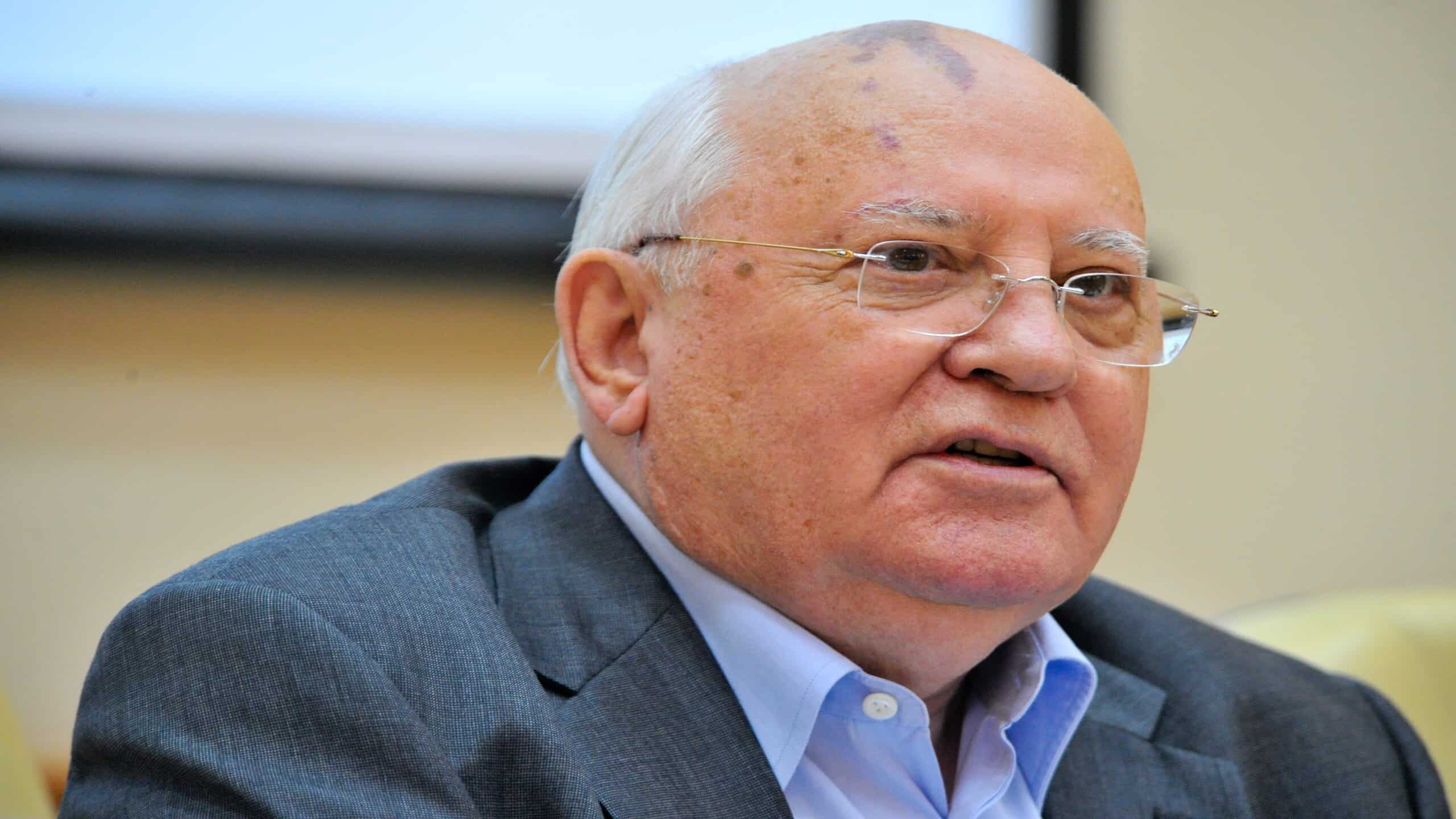
His reformist policies as the last General Secretary of the Communist Party inadvertently set in motion the events that would lead to the breakup of the Soviet Union in December of 1991. With his resignation, the Iron Curtain was lifted, signaling an end to the Cold War that had gripped the world for nearly half a century.
Sources: Please see here for a complete listing of all sources that were consulted in the preparation of this article.
Like our content? Be sure to follow us.
10 historical figures who took secrets to the grave
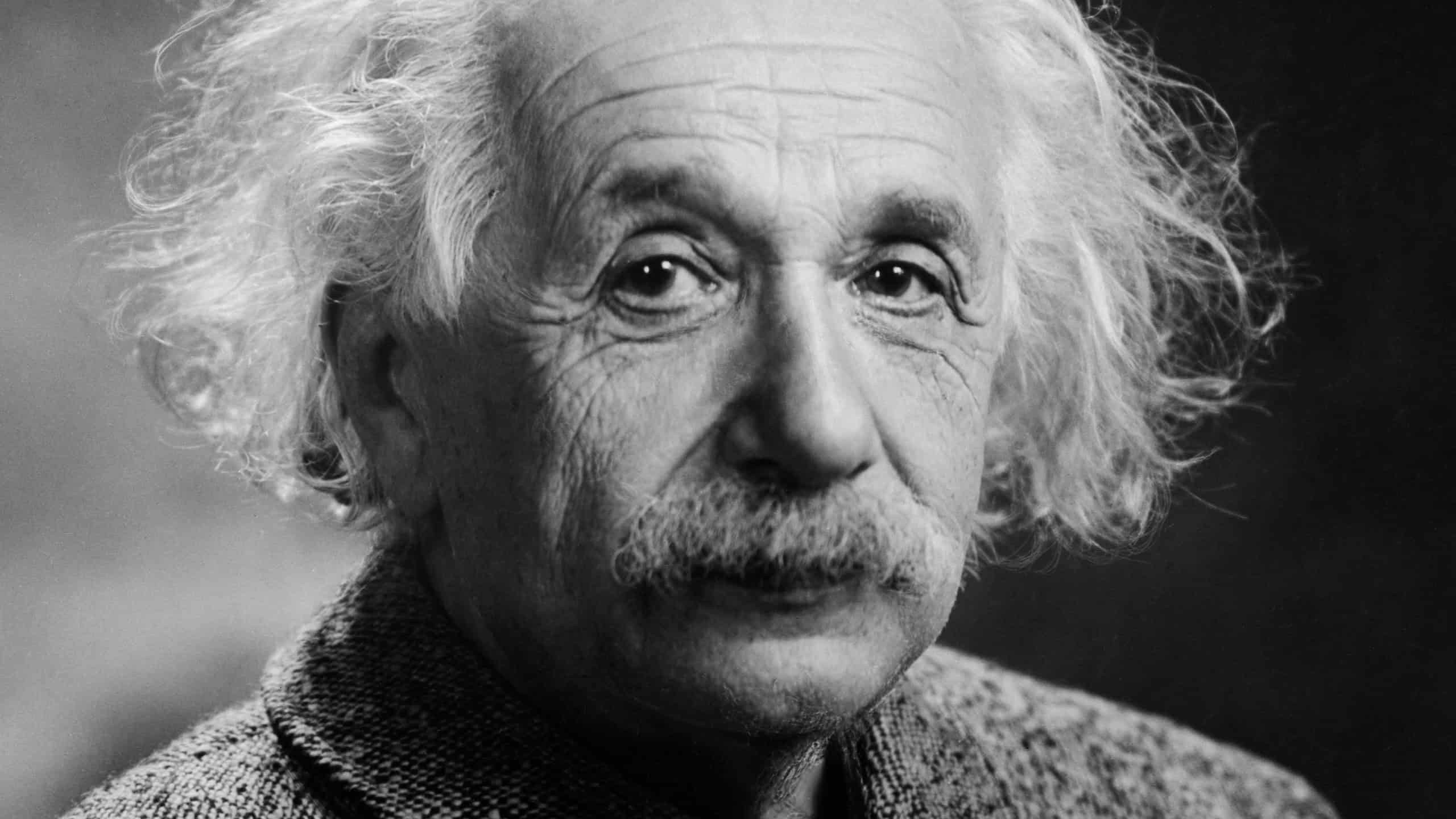
Unanswered questions are the worst, and it’s even more terrible when they continue to be unanswered because the people with the answers took them to their graves.

