

Balance is more than just standing tall; it’s about programming your brain, joints and muscles to work together.
Clock face foot taps
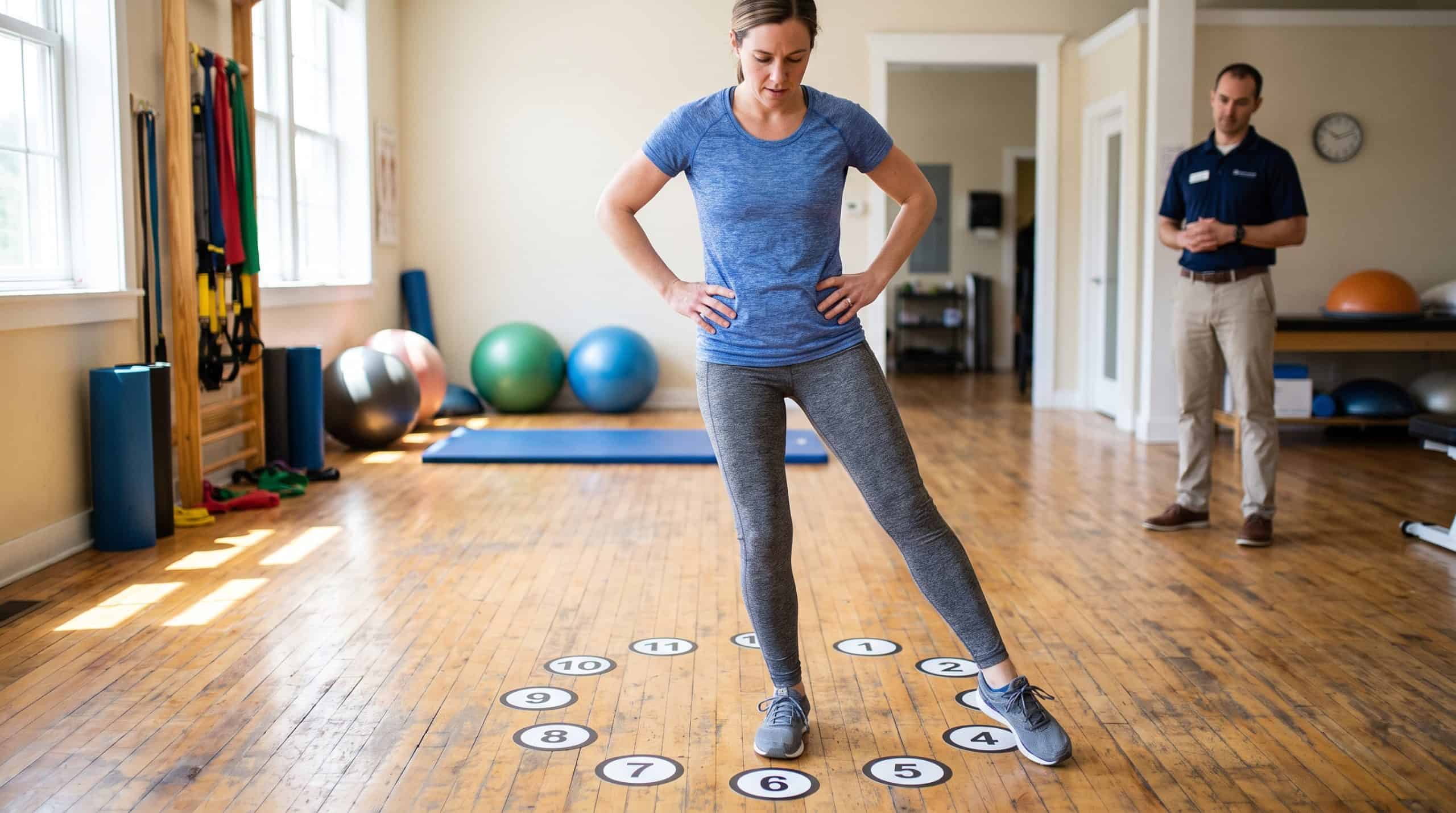
Stand on your left leg with a slight bend in the knee and your hands on your hips. Pretend you are standing in the middle of a clock face on the floor. Reach out and tap your right foot at 12 o’clock, return to center, reach out and tap your foot at 3 o’clock, then 6 o’clock, and across your body towards 9 o’clock.
This multi-directional reach exercise is a common prescription from physical therapists to enhance dynamic hip stability and fortify the minor muscles stabilizing the standing ankle.
Tandem stance with head turns

Put one foot in front of the other so your heels and toes are touching like a tightrope walker. Once you feel balanced, stand up tall and slowly rotate your head to gaze over your right shoulder, then through the center to gaze over your left shoulder.
Research in vestibular rehabilitation indicates that removing visual cues from side to side compels your inner ear and proprioceptors to work harder for upright stability.
Single-leg weight passes

Balance on one leg and hold a small weight in your right hand. Pass it slowly in front of your body to your left hand, and then under your back to your right hand. Loop your left hand around behind you to pass it back.
As you shift your center of gravity around your torso, your core and the arch of your foot will continuously adapt to changing loads. You could use something like a full water bottle, a light dumbbell, or even a kettlebell.
Eyes-closed single-leg balance
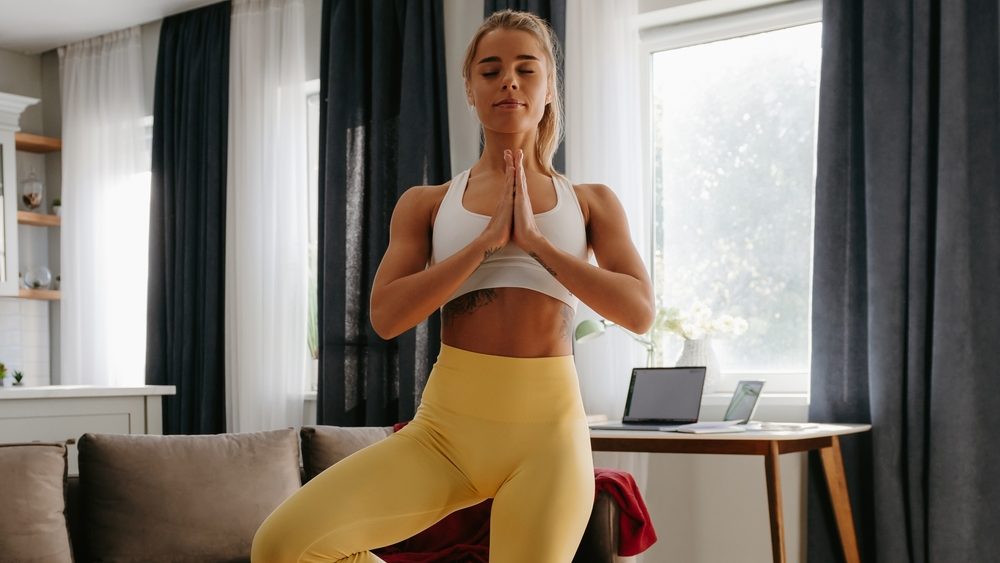
Stand next to your kitchen counter or a sturdy wall where you can easily grab onto something if you start to fall. Lift one foot off the ground about one inch. Find your balance and then close your eyes gently.
You’ll find in studies on proprioception that eliminating vision forces the brain to depend on receptors in muscles and tendons, rather than eyes, to stay balanced.
High-knee cross-body touches
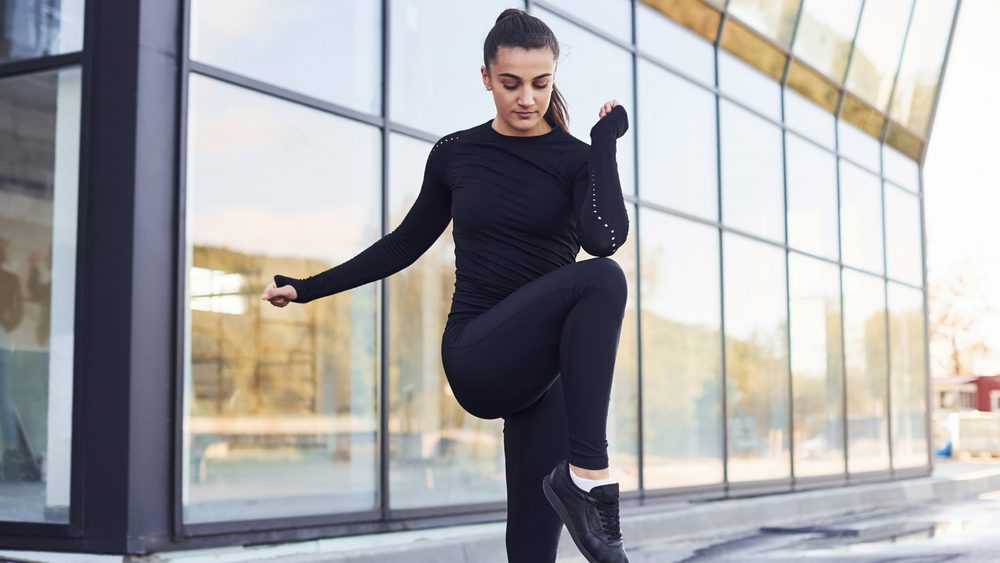
Begin by standing with your feet hip-width apart. Then, lift your right knee up towards your chest and tap your left hand down to touch your knee.
Reset to your starting position and then lift your left knee up towards your chest and tap your right hand down to meet your knee. Cross laterally over the center of your body to activate your vestibular system along with your deep hip flexors.
These muscles help pull you upright if you happen to trip forwards.
The cross-crawl heel reach
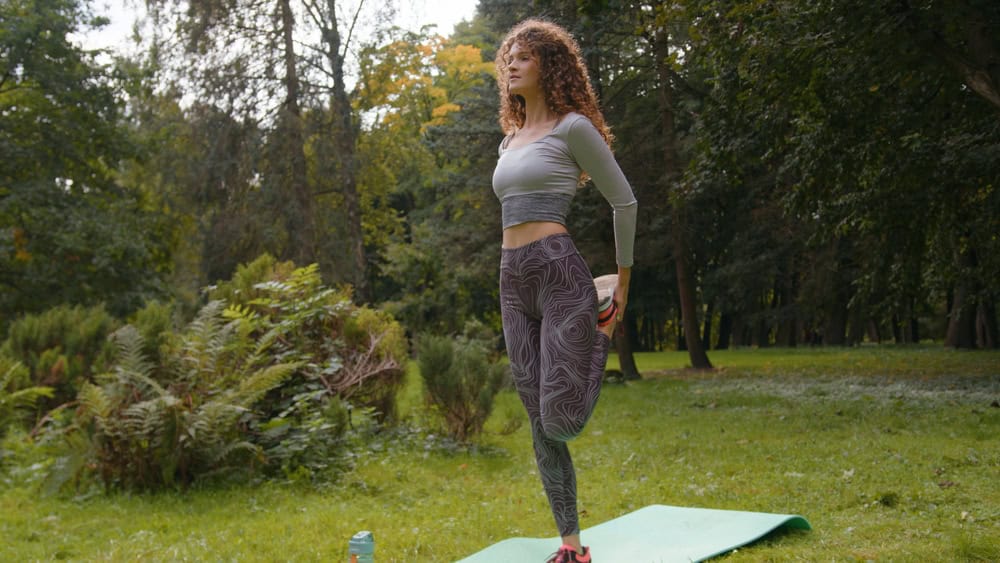
Stand up nice and tall. Bend your right knee, bringing your heel up towards your glutes while reaching your left hand back to touch your heel. Step back down.
After that, raise your left heel and use your right hand to lightly touch it behind you. Alternating sides like this helps strengthen your backside muscles.
This practice also sharpens your sense of what’s around you, helping prevent trips while turning or reaching for objects.
Toe-to-heel backward marching
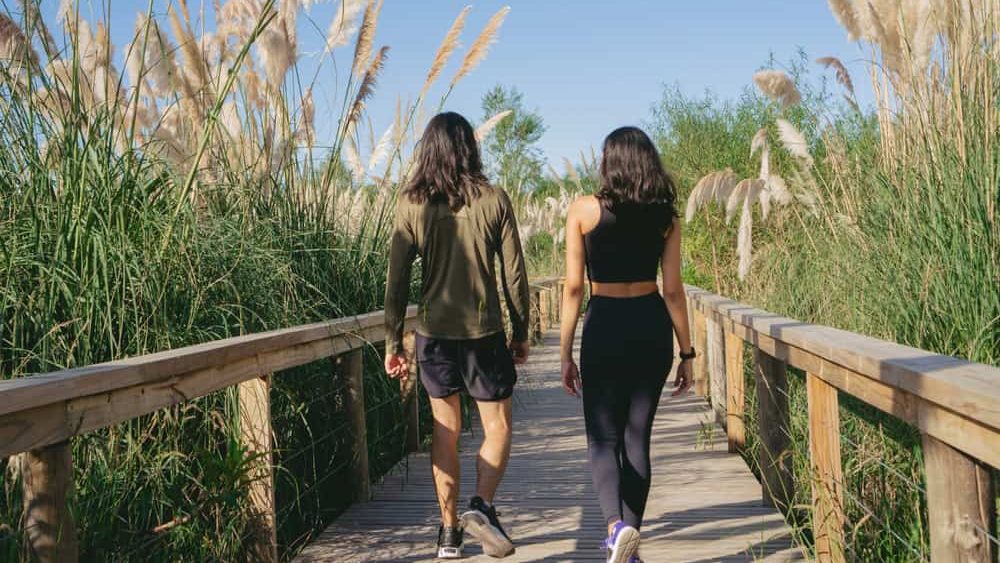
Find a long, straight hallway or path and walk backwards slowly. When your foot comes forward, make sure your toes hit the ground before your heel. Maintain an erect posture and resist the urge to watch your feet.
Stepping backward engages your hamstrings and calf stabilizers in a unique way compared to forward movement, thus teaching your body to adjust automatically if you’re pushed from the front.
Single-leg isometric wall presses
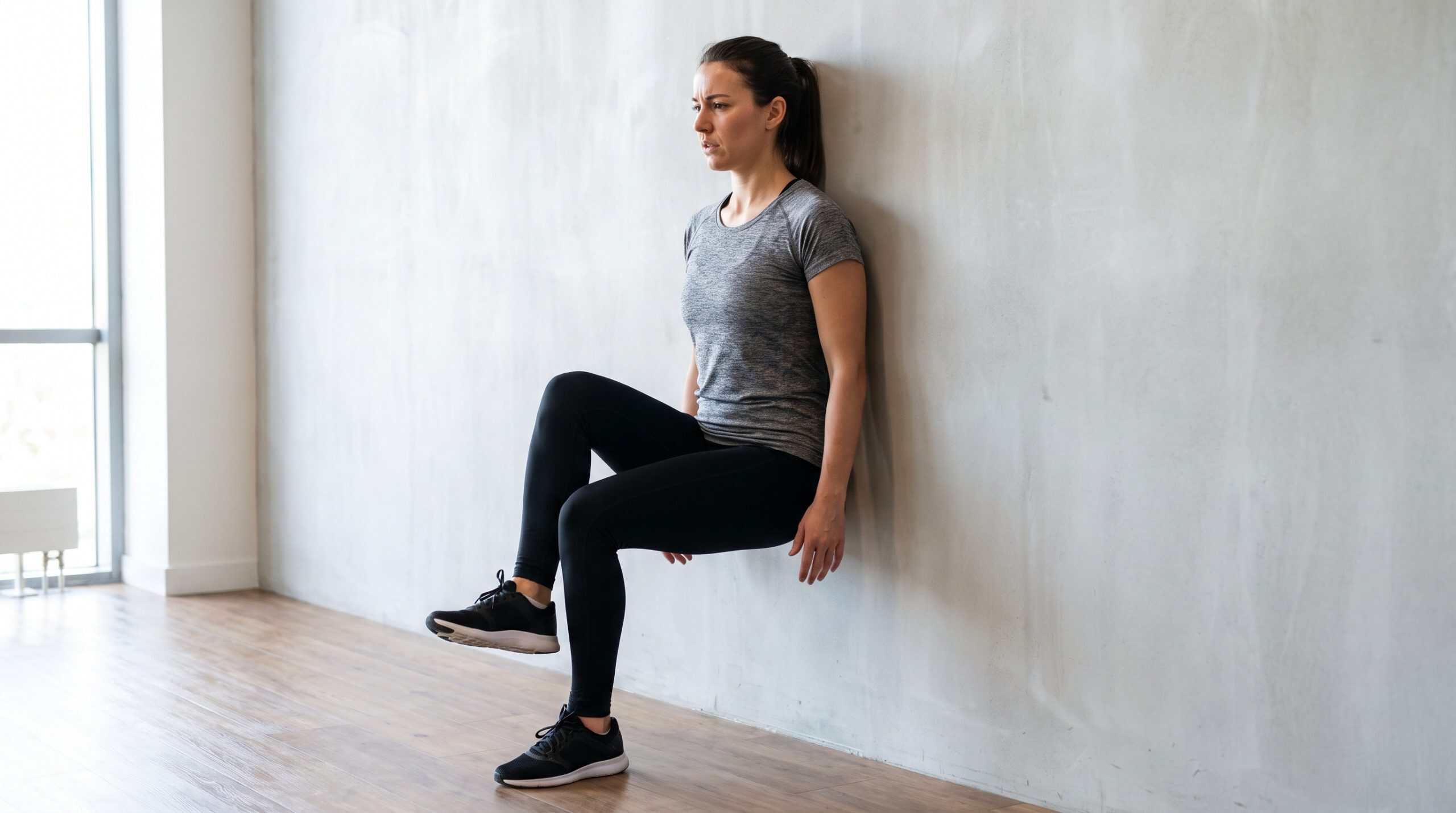
Place yourself sideways next to a smooth wall, about six inches away. Pick up your leg closest to the wall, bending your knee at a 90-degree angle. Press the side of your bent knee against the wall by applying pressure into the wall while keeping your supporting leg firmly planted on the ground.
Pressing yourself against something will trigger your gluteus medius muscle on your standing leg. This muscle plays a key role in keeping your hips stable from side to side and stops your pelvis from dipping when you walk.
Standing figure-eight leg swings
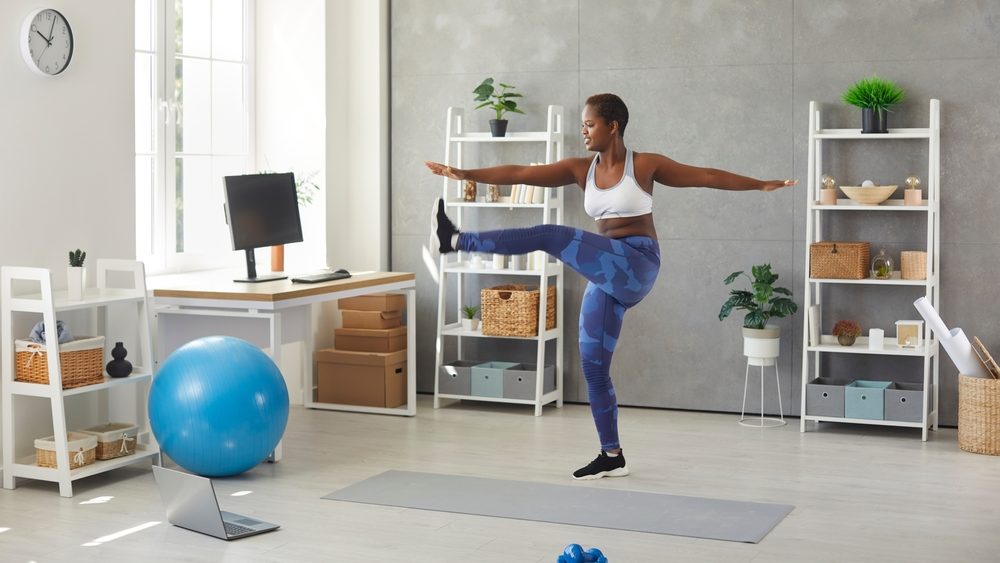
Hold your balance on your right leg with a soft knee and lift your left leg off the floor slightly. Begin swinging your lifted leg in a large figure-8 around your standing leg, going both in front of your leg and slightly behind it.
Your ankle joint will randomly rock back and forth with each swing forcing the micro stabilizers in your foot to instantaneously correct your body as the movement continues.
Perturbation balance catches
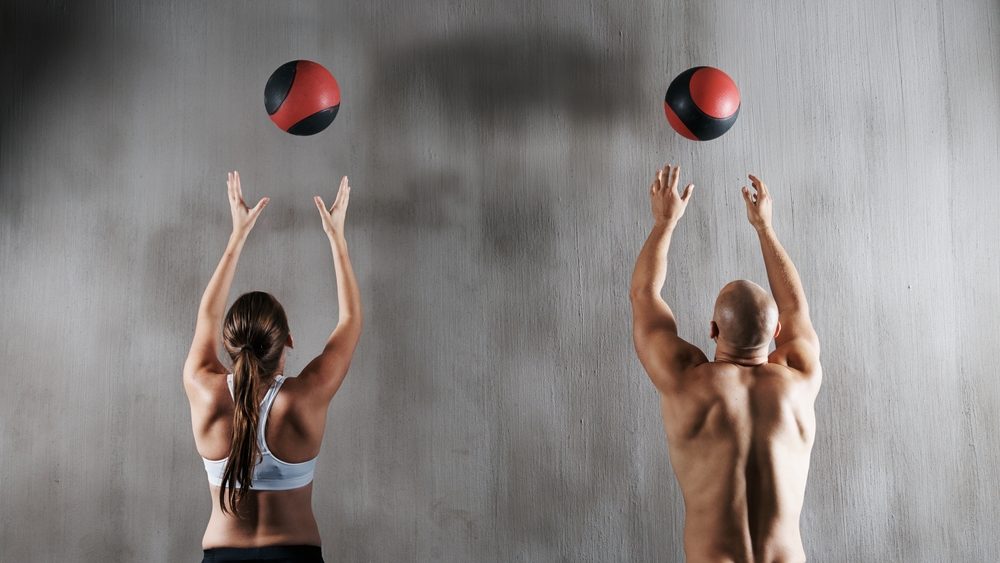
Hold a soft rubber ball or tennis ball and position yourself next to a wall. Stand on both feet or one foot, depending on your ability. Throw the ball against the wall at random angles and heights. Catch the ball with one or both hands as it returns.
Ballistic movement like this forces your postural muscles to continually adjust to changing forces and challenges your hand-eye coordination reaction time.
Sources: Please see here for a complete listing of all sources that were consulted in the preparation of this article.
Like our content? Be sure to follow us.

