

In the spring of 1878, Salem, Massachusetts, saw something nobody expected. It was a brand-new witchcraft case. This time, there weren’t villagers screaming about spells, but instead a woman named Lucretia Brown said a man was attacking her mind. It came to be known as America’s “last witch trial.” What exactly happened? Let’s find out.
Featured Image Credit: Shutterstock.
Key takeaways

Here’s what you’ll learn:
- Who Brown & Spofford were & how they clashed
- What the actual complaint said
- How the court handled it
- Why people later nicknamed it the last witch trial
Setting the scene in Salem, May 1878

Salem had been living with its 1692 reputation of witch trials for nearly two centuries when the 1878 case emerged.
So who was Lucretia Brown? She was a middle-aged woman from Ipswich, not far from Salem, who had looked to spiritual healing in the past. Brown got caught up in some of the ideas spreading through Massachusetts at the time, especially the movement that would later turn into Christian Science. She truly believed someone was mentally hurting her.
And in 1878, she decided to fight back the only way she knew. That was with a lawsuit.
Who was Daniel H. Spofford?

Daniel Spofford came from Newburyport and had once been part of the same healing circle as Brown. He studied under Mary Baker Eddy, who had taught mental & spiritual healing, although he broke away from her group after disagreements. When Brown got sick, she blamed him, saying he used mental power to make her suffer.
She took him to court over this with a complaint that didn’t accuse Spofford of witchcraft outright. It said he was practicing mesmerism, which was also called animal magnetism, to control people’s thoughts & bodies. She wanted the court to order him to stop. Essentially, she believed he was sending harmful energy her way, strong enough to cause real pain.
What the paperwork actually asked the judge to do
The petition was a civil bill in equity. As such, Brown wasn’t suing for money. She wanted the judge to tell Spofford to stop what she said he was doing, and the request was for a court order, nothing more.
While courts can tell someone not to trespass or break a contract, how do you enforce a rule about thoughts? There’s no physical act to point to. There’s nothing you can measure. Later, this is where the claim fell apart.
What malicious animal magnetism is
“Malicious animal magnetism” was a common term among certain religious & healing circles. People thought thoughts could act like invisible forces, good or bad, and both Spofford & Brown came out of that same belief system. It might sound bizarre now. But in 1878, mesmerism had plenty of believers & skeptics arguing over it in public.
The hearing and the judge

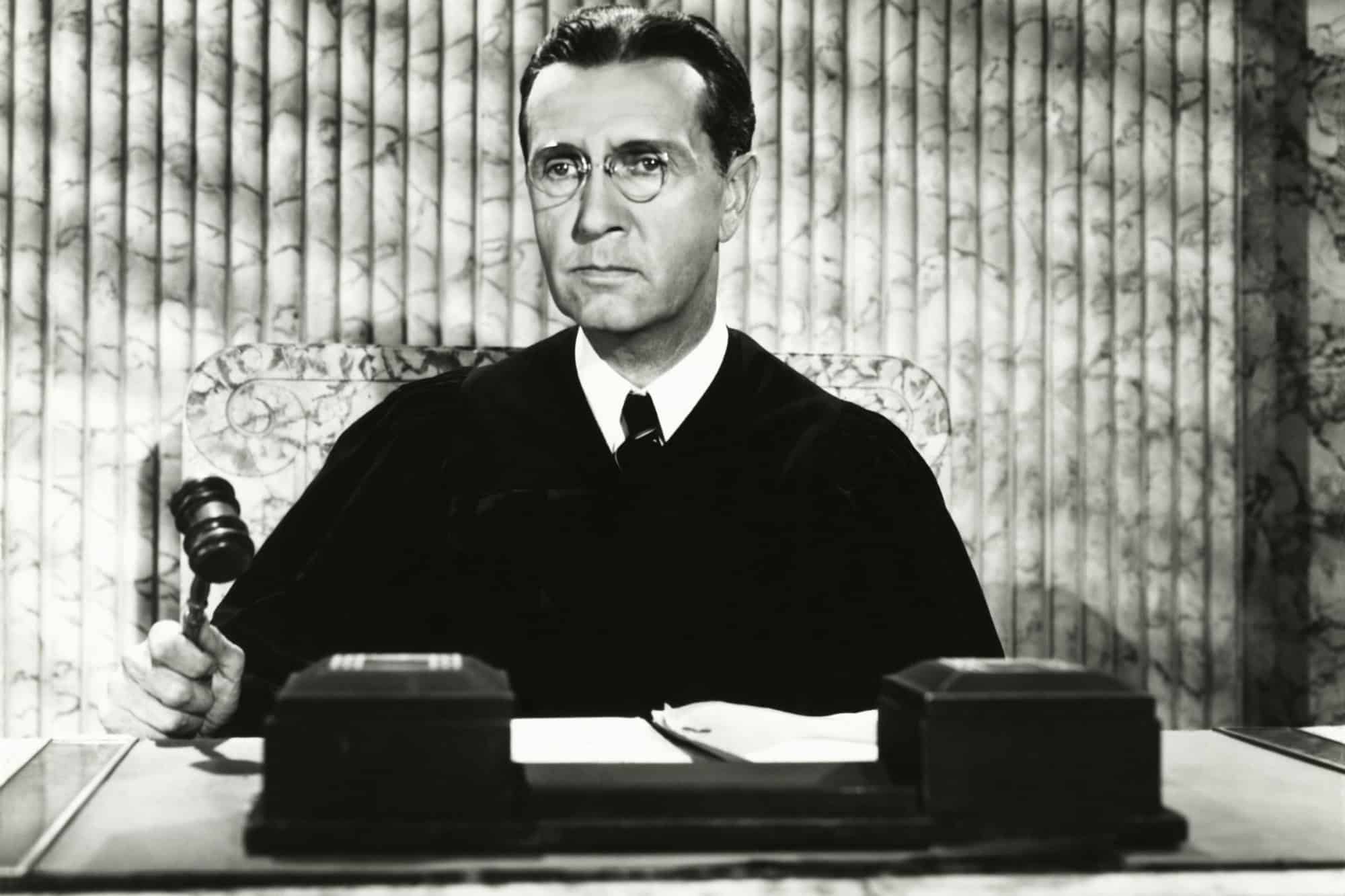
On May 14, 1878, the hearing opened in Salem. The presiding judge was Horace Gray, Chief Justice of the Massachusetts Supreme Judicial Court, a figure who would later end up on the U.S. Supreme Court. Reporters packed the courtroom because everyone wanted to see if the state’s highest court was really about to rule on mind control.
Why the court dismissed it
Chief Justice Gray didn’t need much time to decide because he ruled that the court couldn’t tell a person what to think. He argued they couldn’t stop them from thinking at all. Whether or not mesmerism was real, it wasn’t something a judge could control, so the complaint was thrown out. The judge didn’t exactly call Brown a liar, but he simply said it wasn’t something the law could touch.
Why people call it “the last witchcraft trial”
The legal papers never mentioned witchcraft. However, the press loved the comparison, as Salem plus mental power was an easy headline, even though it didn’t actually involve any genuine claims of witchcraft. Historians later picked up the phrase “the last witchcraft trial in America,” and it stuck.
Sources: Please see here for a complete listing of all sources that were consulted in the preparation of this article.
Like our content? Be sure to follow us.