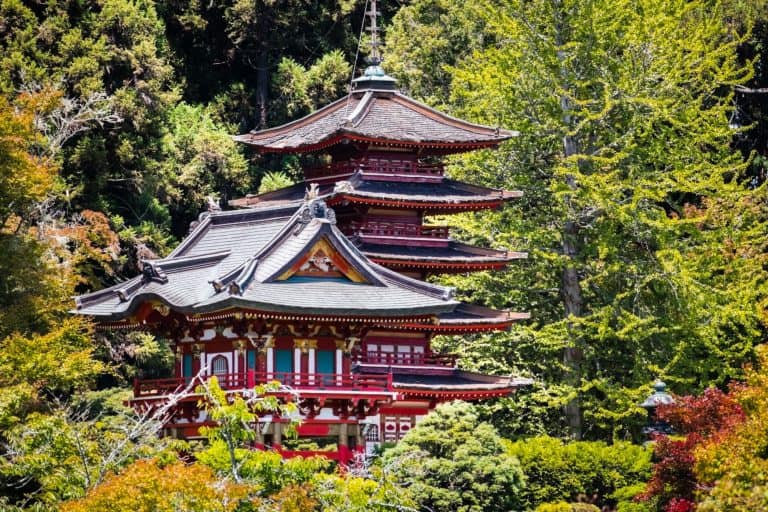

After the U.S. entered World War II, suspicion of Japanese people spread fast. Suddenly, Americans became afraid of things that had once seemed harmless or even beautiful, including Japanese-style gardens. They became symbols people thought they couldn’t trust…and they were keen to show it.
What happened? What were the consequences of it? Let’s take a look.
Featured Image Credit: Shutterstock.
Key takeaways

You’ll find out about:
- How Japanese gardens were renamed or locked up
- Families who were evicted from gardens
- How new gardens emerged inside incarceration camps
- When & how cities brought the old names back
What the panic was and when it peaked

In December 1941, Japan attacked America’s naval base in Pearl Harbor, leading to rumors & suspicion spreading everywhere on the West Coast. Military leaders like General John DeWitt insisted Japanese-Americans couldn’t be trusted. No sabotage by Japanese-Americans had ever been proven.
But such an attitude became part of regular life, with many Americans beginning to distrust anything Japanese. And there was no greater example of this than with Japanese gardens.
These gardens were filled with stone lanterns & koi ponds, as well as tea houses. But city leaders now thought that they looked suspicious. By early 1942, the fear was at its peak & this was also the same year President Franklin Roosevelt signed Executive Order 9066.
This ruling helped lead to the mass incarceration of Japanese-Americans. It involved roughly 120,000 Japanese-Americans being forcibly placed in concentration camps across America, with approximately 1,862 of these prisoners dying within the camps.
Eviction and a new name

The Hagiwara family had been running the Japanese Tea Garden in Golden Gate Park since the late 1800s. They managed it while also living on the grounds.
But after Pearl Harbor, the city told them to leave & renamed the garden as the “Oriental Tea Garden” in an attempt to make it seem “less Japanese.” This way, people wouldn’t be afraid of visiting it. The family never got their home or role back.
The story was almost the same in Texas with the Jingu family, who had been connected to the San Antonio Japanese Tea Garden for decades. In 1942, they were evicted. Yet the city wanted to keep the place open, just without the “Japanese” label. They renamed it as the “Chinese Tea Garden.”
Then, a Chinese-American family stepped in to run the concession & the Chinese name stuck all the way until 1984.
The same thing happened with the Japanese Hill-and-Pond Garden at the Brooklyn Botanic Garden, which opened in 1915 & was already a local favorite. But by the late 1930s, tensions against Japanese-Americans were rising. People burned the shrine down in 1938.
A few years later, once the U.S. was at war with Japan, the garden itself was closed. There was that much anti-Japanese sentiment. When the war ended, it was repaired & reopened, eventually regaining its place as one of the highlights of the Botanic Garden.
Building gardens from scratch

Meanwhile, life looked very different for Japanese-Americans who had been sent to incarceration camps in 1942. Many of these were in dry, barren places like Manzanar in California or Amache in Colorado. Their lives were stripped down to the basics, but even there, some Japanese-Americans built their own gardens.
Instead of tiny backyard patches, they created places with ponds & bridges. They even had landscaped parks. At Manzanar, the most famous was Merritt Park, which incarcerated gardeners designed & built using whatever they could get. This included rocks & wood, along with concrete. Since then, the National Park Service has mapped many of these gardens.
It wasn’t easy to pull off. Supplies were limited & seeds weren’t always available. The soil wasn’t great either, and they had to manage water carefully. Still, there were people in the camps who had been gardeners or landscapers before the war, so they knew how to make the most out of almost nothing.
How the panic faded
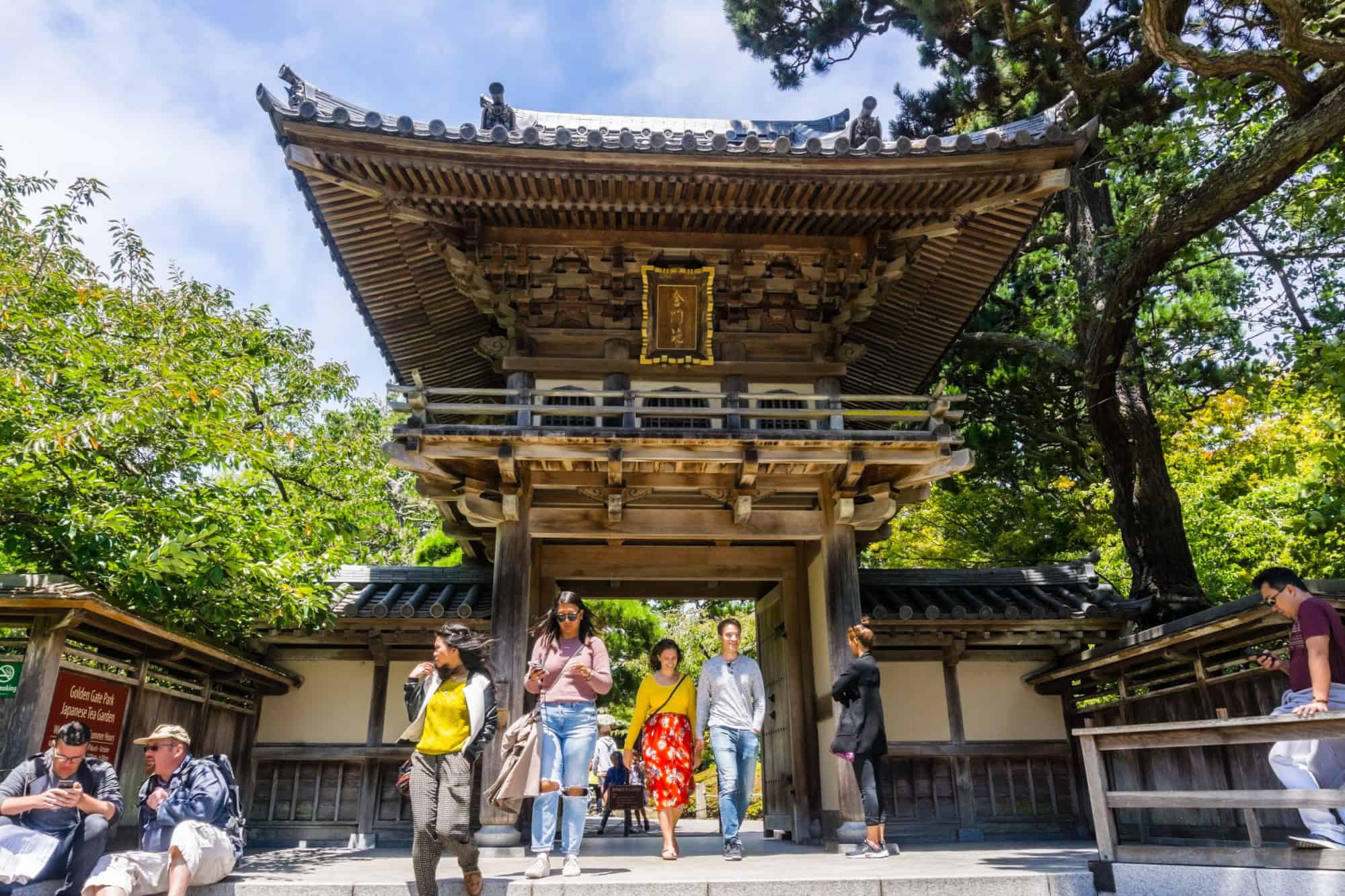
With the end of the war came the slow end of the anti-Japanese panic. But the fixes themselves came at different speeds. In 1952, San Francisco switched back to “Japanese Tea Garden,” while San Antonio waited until the 1980s to do so. In Brooklyn, repairs & reopening happened rather soon after the war.
It took some time. Eventually, these Japanese gardens came back. But at what cost?
Sources: Please see here for a complete listing of all sources that were consulted in the preparation of this article.
Like our content? Be sure to follow us.

