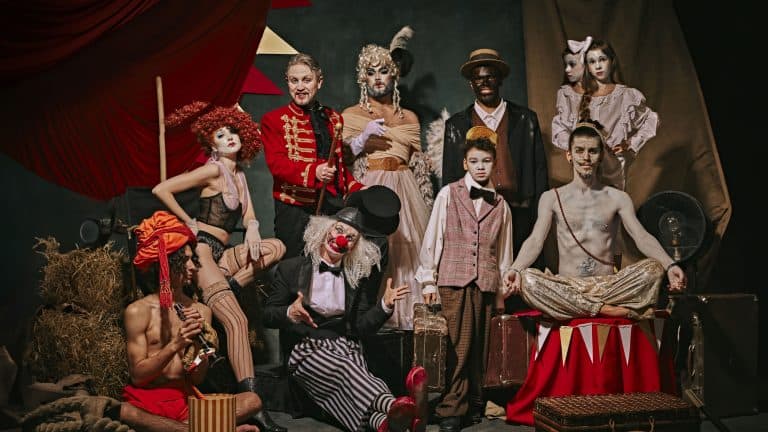

For every person who the circus made famous or rich, there were hundreds more people who had their lives ruined by the circus.
A name that wouldn’t stay on posters
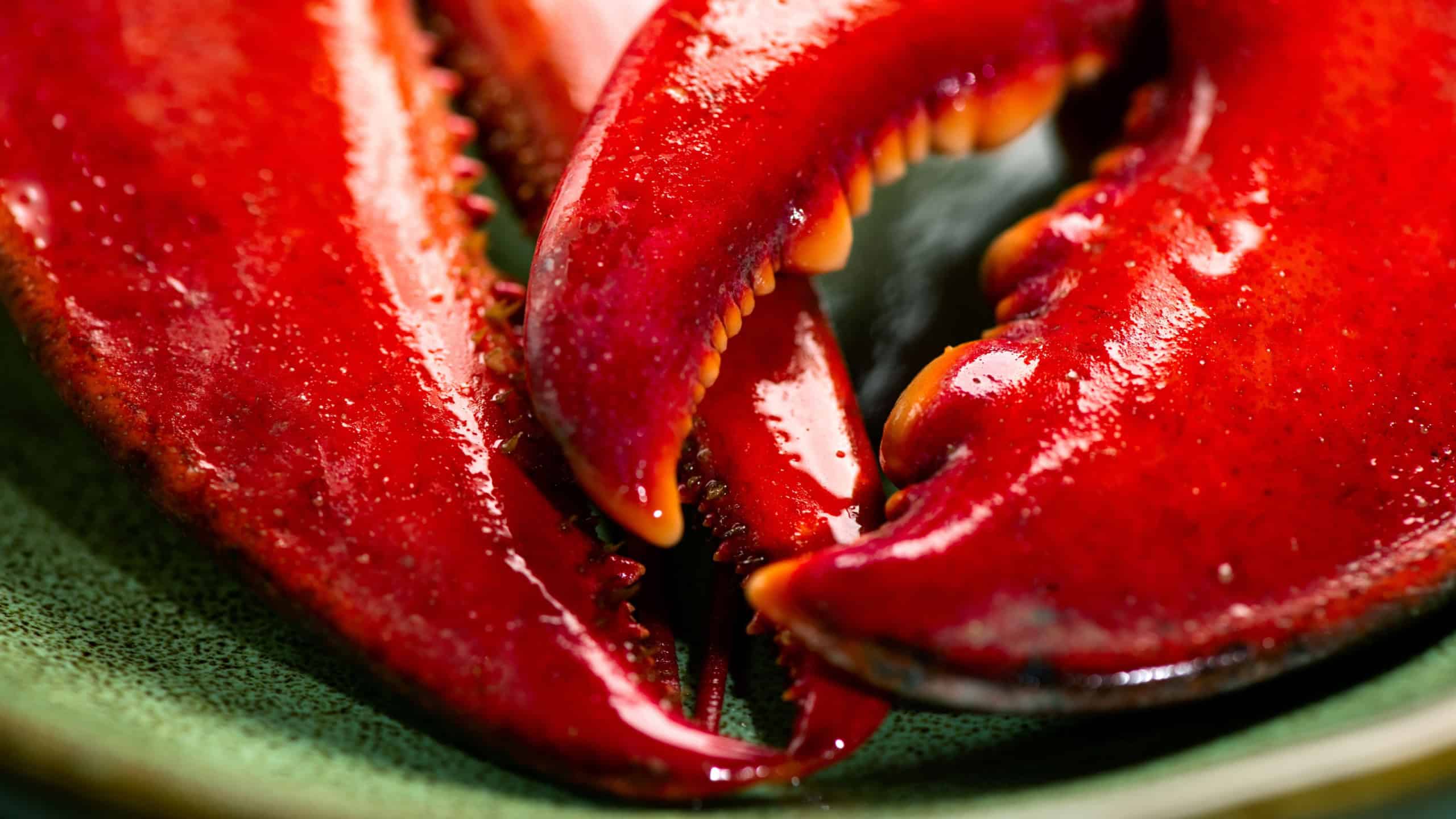
Grady Stiles Jr. was someone who was basically born into the show business life, although it wasn’t a choice. He had a condition called ectrodactyly that left him with hands and feet shaped like claws, so he got the nickname ‘Lobster Boy.’ He began performing in the circus at just 7.
Flash forward several decades to 1978, and Stiles had a daughter named Donna. She wanted to marry Jack Layne, a man who Stiles absolutely didn’t approve of, so he used a gun to shoot Layne. He was convicted of third-degree murder the following year.
A fall before the gun

Alfredo Codona seemed to have it all, as he was performing triple somersaults and even got the nickname ‘King of the Air’ because of his trapeze skills. That was, until he fell during a 1933 performance, effectively ending his circus career and his marriage to aerialist Vera Bruce.
In 1937, the pair met in Bruce’s lawyer’s office. They were planning to talk about property. They never got that far. Codona pulled out a gun during the meeting and shot her five times before killing himself. Vera herself died the very next day.
A ticket that kept selling
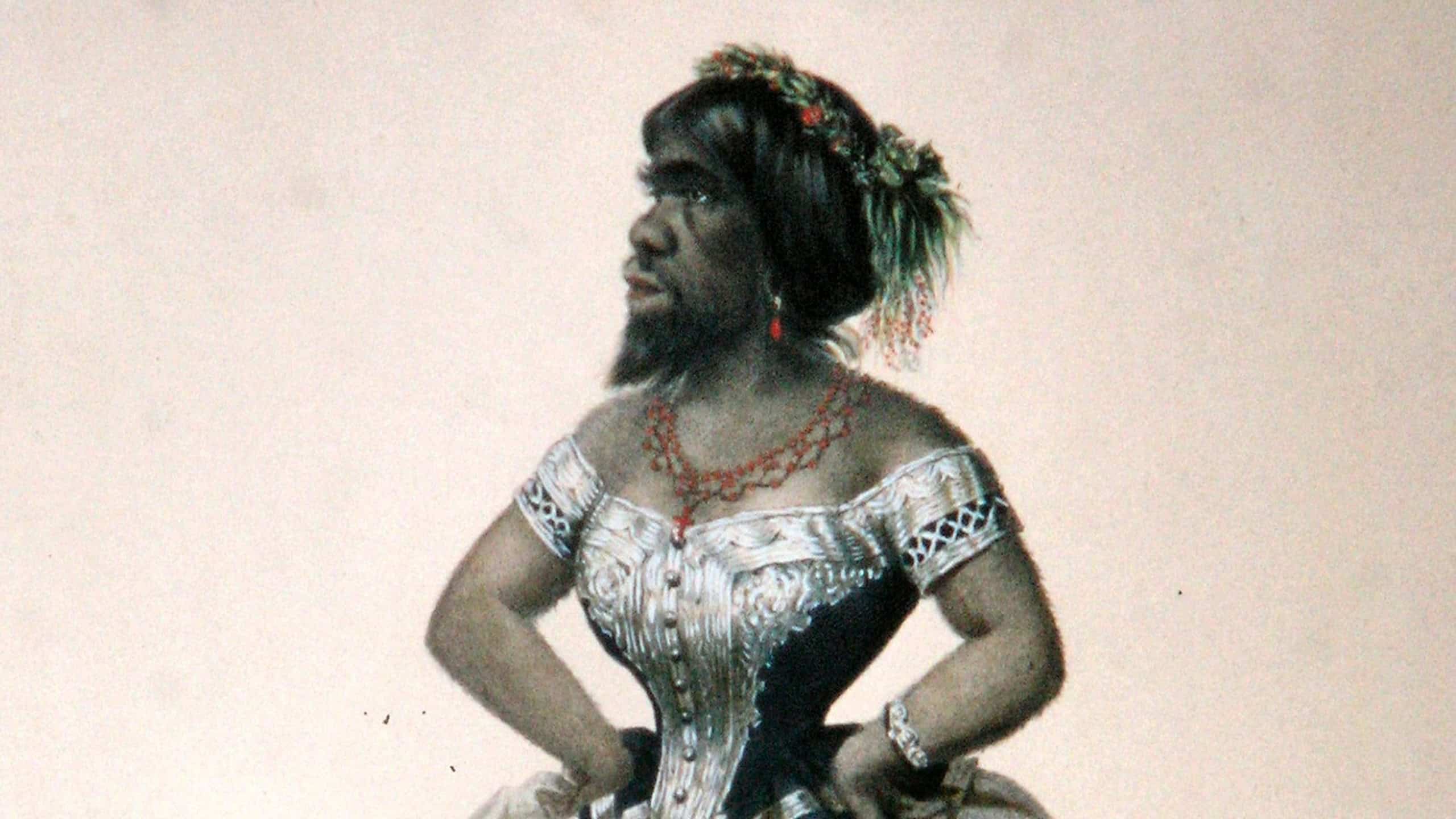
She could sing, she could dance, she could work a room, yet circus managers cared more about selling Julia Pastrana’s body than anything else. She suffered from hypertrichosis, aka excessive hair growth, and gingival hyperplasia, aka enlarged gums.
So, the circus advertised her with ugly stage names like ‘The Ape Woman,’ and charged people to look at her. She didn’t even get peace in death, as her manager toured the world with Julia’s body, along with her infant son’s body. It was truly horrific.
A room near the hospital
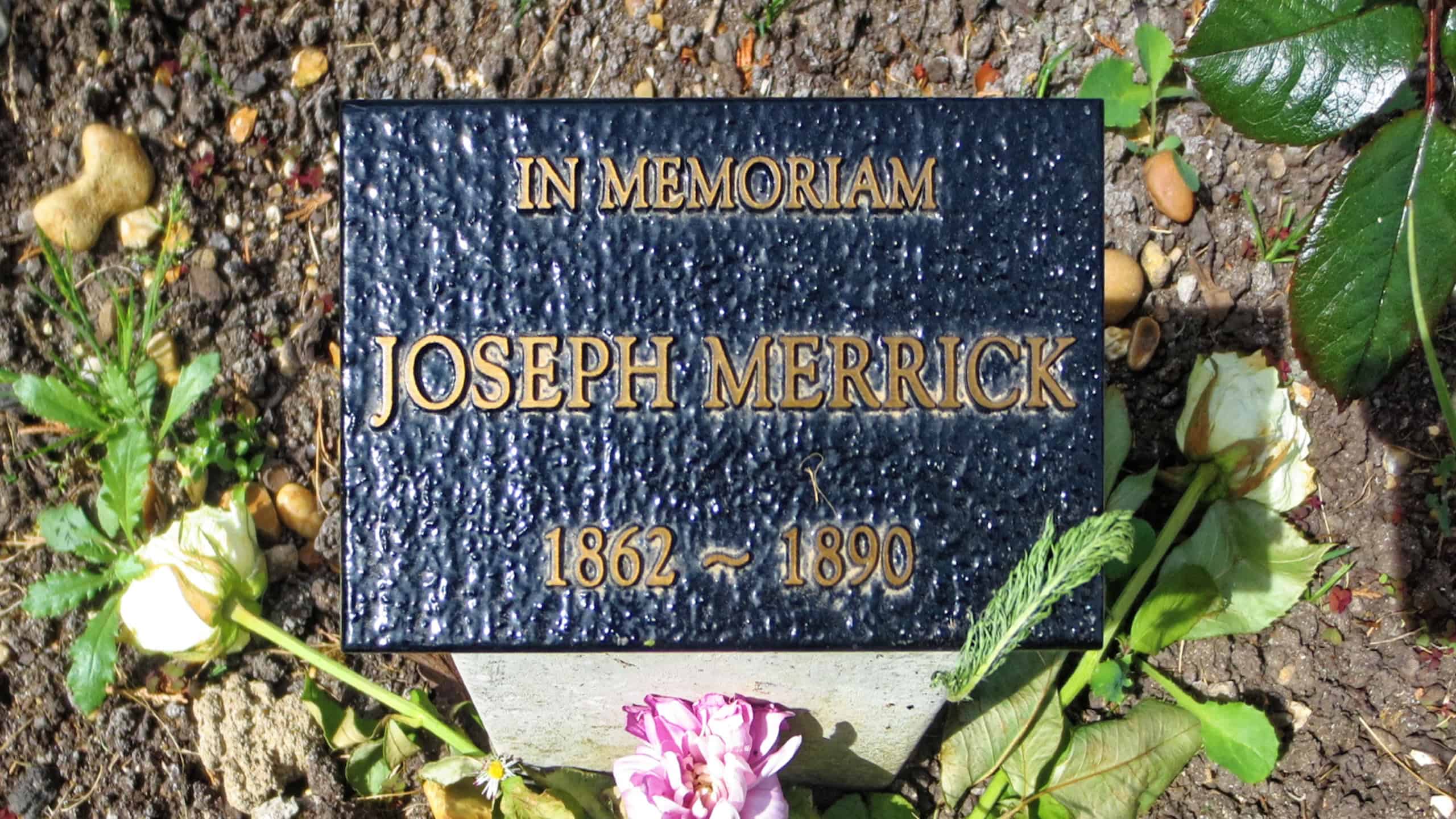
The 1880s were a different time, and right in the middle of the decade, crowds were paying to see the Elephant Man near the London Hospital. His real name? Joseph Merrick, but nobody cared to ask him about that.
Merrick traveled through Europe with a freak show manager who eventually abandoned and robbed Merrick of his savings of £50, around $7,422 in modern money. He was left alone and eventually made his way back to the London Hospital, where he stayed until he died.
A song at the wrong fair

The circus posters advertised George and Willie Muse as ‘Ambassadors from Mars’ and ‘Sheep-Headed Cannibals.’ But in reality, they were two Black boys with albinism, and they had been kidnapped by a sideshow man named James Herman Shelton.
It took nearly three decades for their mother, Harriet Muse, to finally track them down, and she sued Shelton for basically turning the boys into slaves. She won, and the circus had to pay the brothers their wages. It was a happy ending, kind of.
A locked door in San Antonio
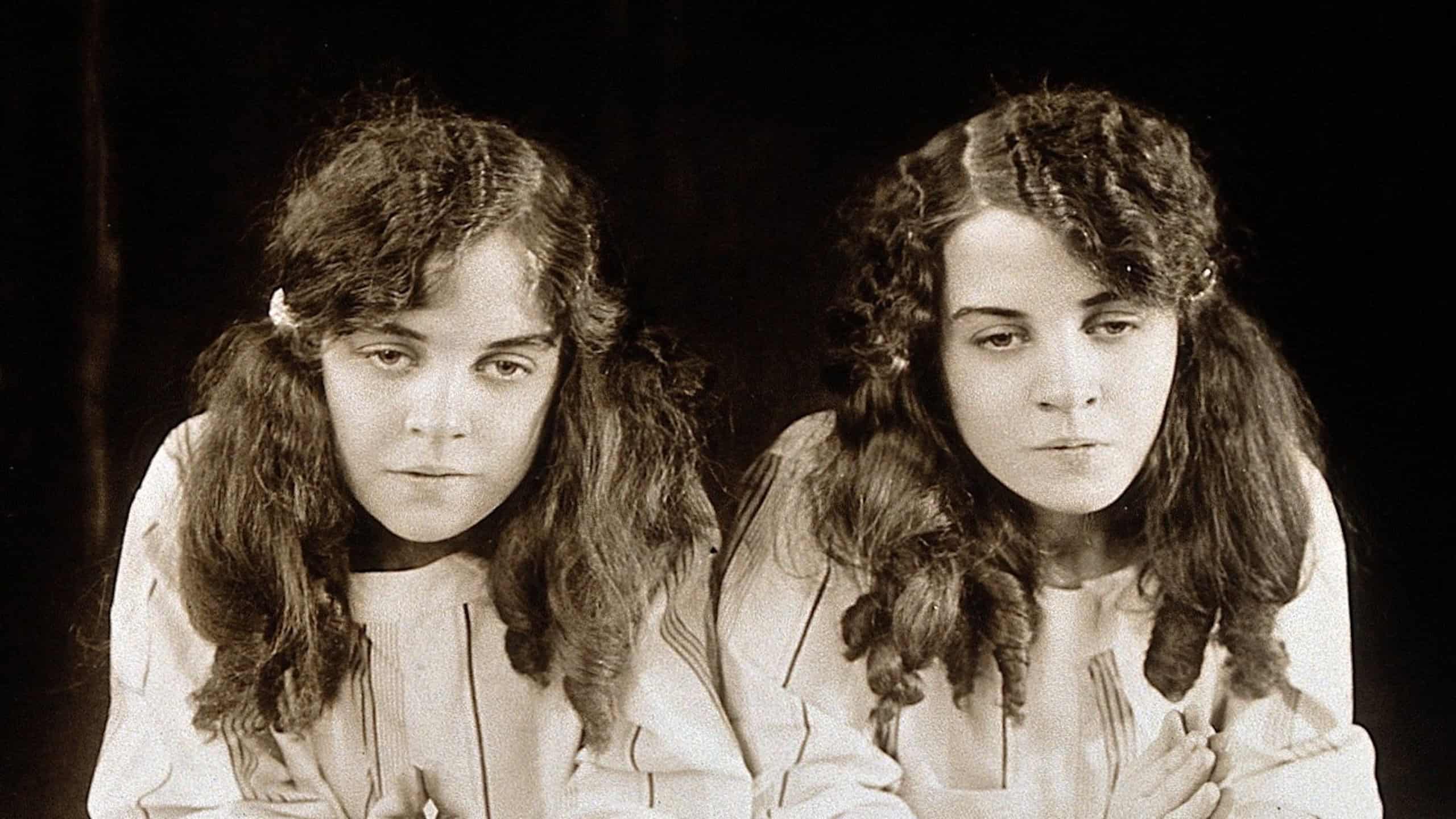
It’s sad, really. Sisters Daisy and Violet Hilton were born as conjoined twins, with adults treating them as freaks almost immediately. The girls’ mother’s employer, Mary Hilton, somehow gained custody of the twins and began displaying them worldwide as a curiosity. They were only 3.
They were then ‘given’ to Mary’s daughter and son-in-law when Mary died, and they suffered abuse at the pair’s hands. The girls sued their guardians and were eventually freed from their circus contract.
A crane in the rail yard

Mary was an elephant, yes, but the Sparks circus still sold her as a performer, and like most circus animals, she wasn’t treated very well. That could be why, in 1916, Mary killed her trainer by throwing him against a drink stand and standing on his head.
The owner of the circus, John Sparks, decided to punish Mary the next day. How, exactly? By hanging her from a railroad crane car in front of a crowd. The first attempt actually failed because the chain snapped, so they tried it again. It worked the second time.
A sword that didn’t help
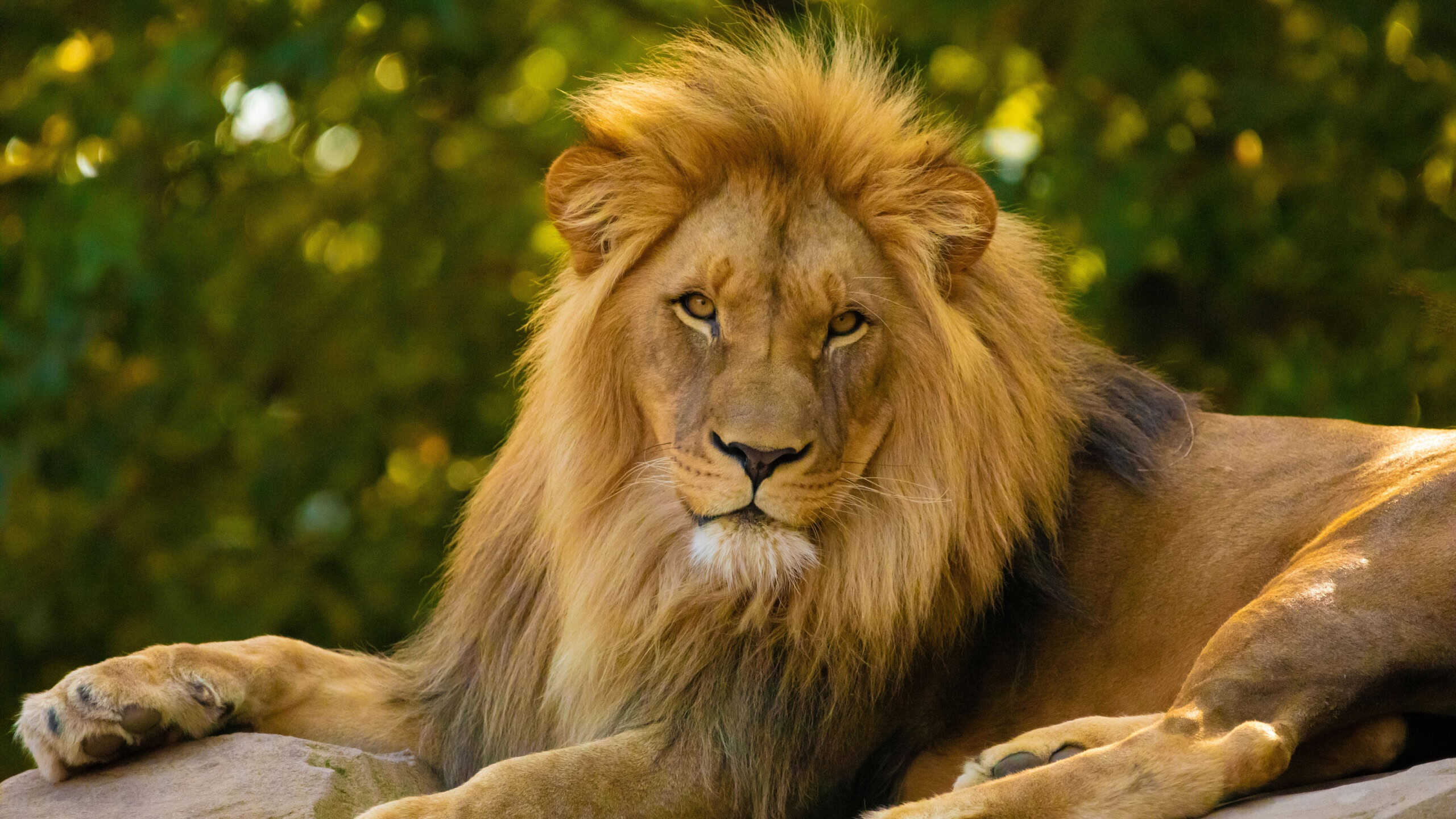
You’d think that, given his terrible history with lions, Thomas Macarte would give up. But no. He’d already lost part of his left arm after one attack, yet that didn’t stop him, and he continued performing under the stage name Massarti.
In 1872, he was performing as part of Manders’ Menagerie, and five hundred audience members saw him walk into the lion’s cage. You can probably guess what happened next. The lions mauled him, and while he tried to fight them off with a sword, he died shortly after.
A baby on the bill
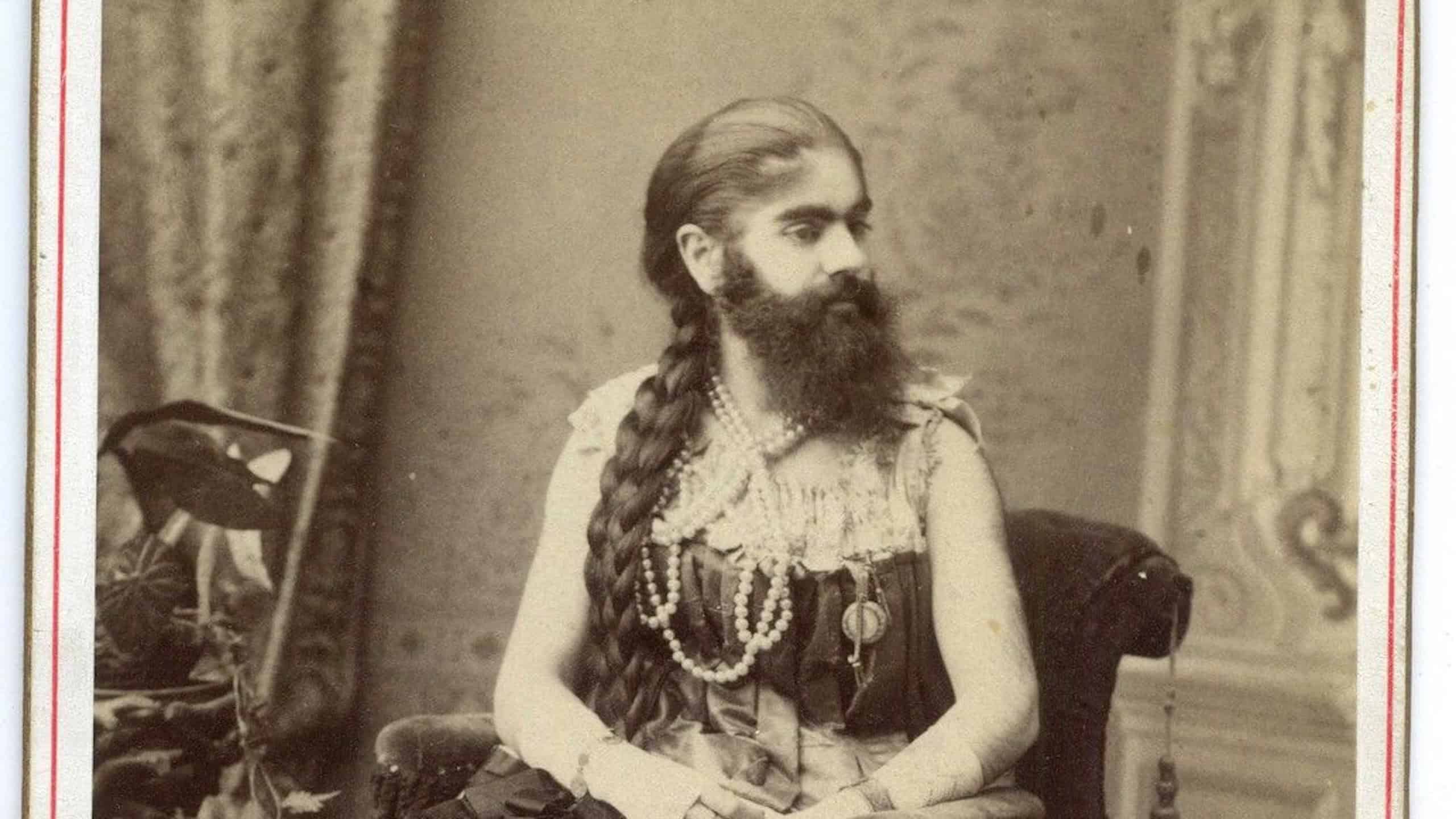
Showmen like P. T. Barnum were very interested in Annie Jones ever since she was born, mostly because her hypertrichosis gave her unusual hair growth. Her mother arranged for her to appear during Barnum’s show when she was only nine months old.
Let that sink in. She wasn’t even a year old yet, but people were showing her off and profiting off something that she couldn’t control. Truly horrible stuff. Later, Jones became one of Barnum’s most famous bearded women and one of the highest-earning sideshow performers in America.
A stage he lost for a while

It’s unclear what Schlitzie’s real name was, with some sources saying it was Simon Metz and others disagreeing. Either way, we know for a fact that he had microcephaly and that’s why he appeared in sideshows across the country. He was also in the 1932 film Freaks.
In 1965, Schlitzie’s guardian, George Surtees, died, and Schlitzie was put in Los Angeles Hospital, where he became extremely depressed. He’d lived most of his life in the public eye, after all, and he finally returned to the stage in 1967.
Sources: Please see here for a complete listing of all sources that were consulted in the preparation of this article.

