
There have been plenty of nicknames throughout history, yet only a few of them deserve to actually be labeled as ‘cool.’
Snow made it worse
It was during the Winter War that Simo Häyhä received the nickname ‘The White Death,’ and rightly so. The scene was Finland, the year was 1939 to 1940, and the battle involved the Finnish fighting the Soviet Army in the middle of, well, winter.
Häyhä was credited with killing 505 Soviet soldiers, and it’s because of that that he got his nickname. He was the kind of rifleman that nobody wanted to get on the bad side of, so it’s no surprise he became known as ‘The White Death.’
Not exactly subtle
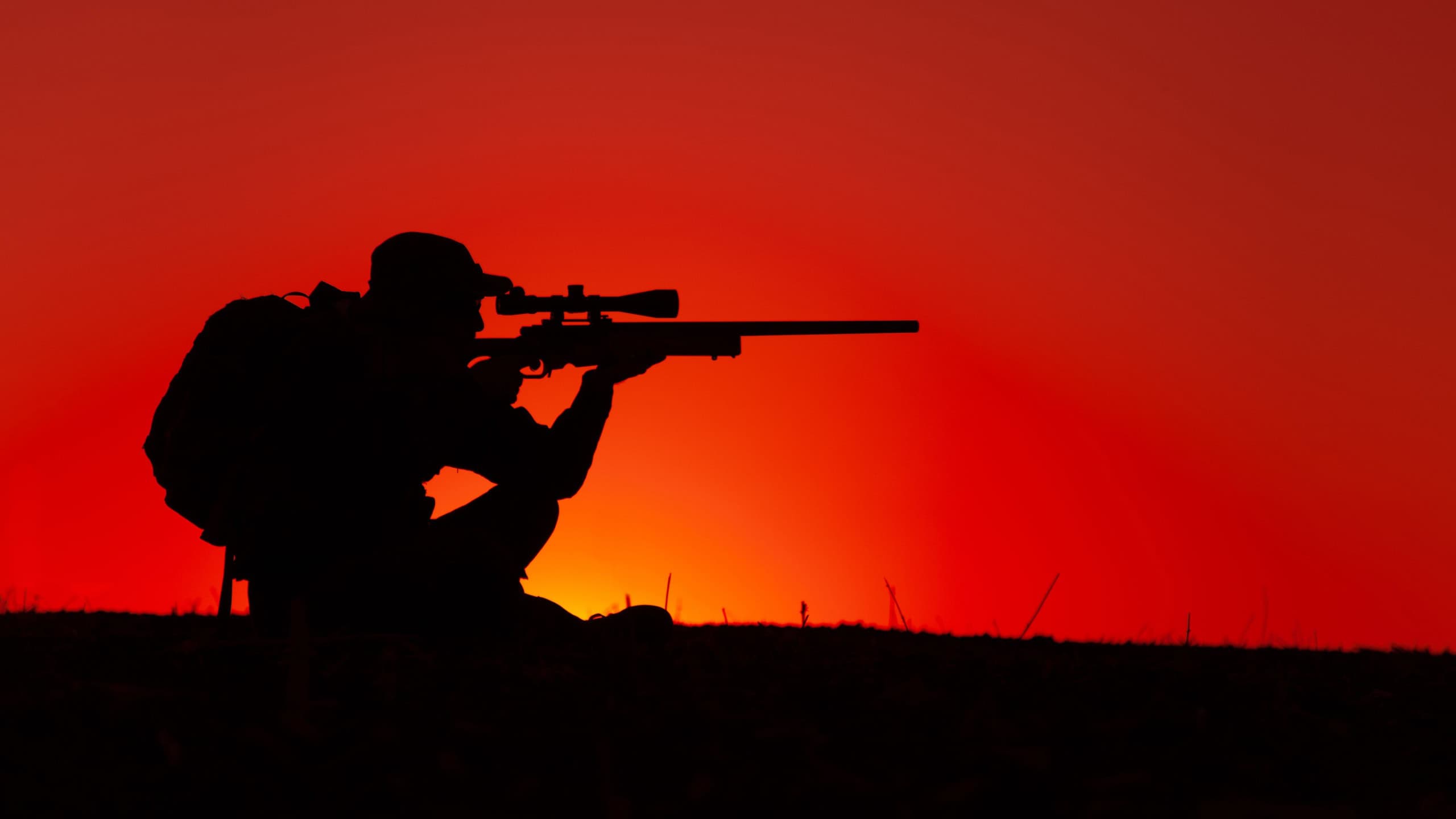
Subtlety wasn’t exactly Soviet sniper Lyudmila Pavlichenko’s strong suit, as she was credited with 309 kills during World War II, some of which were enemy snipers. She got the nickname ‘Lady Death’ as a result.
Pavlichenko fought at both Odesa and Sevastopol before an injury pulled her away from the front lines. Lady Death became so famous that she actually met Eleanor Roosevelt in 1942, which just goes to show how famous she’d become.
Wings and a warning
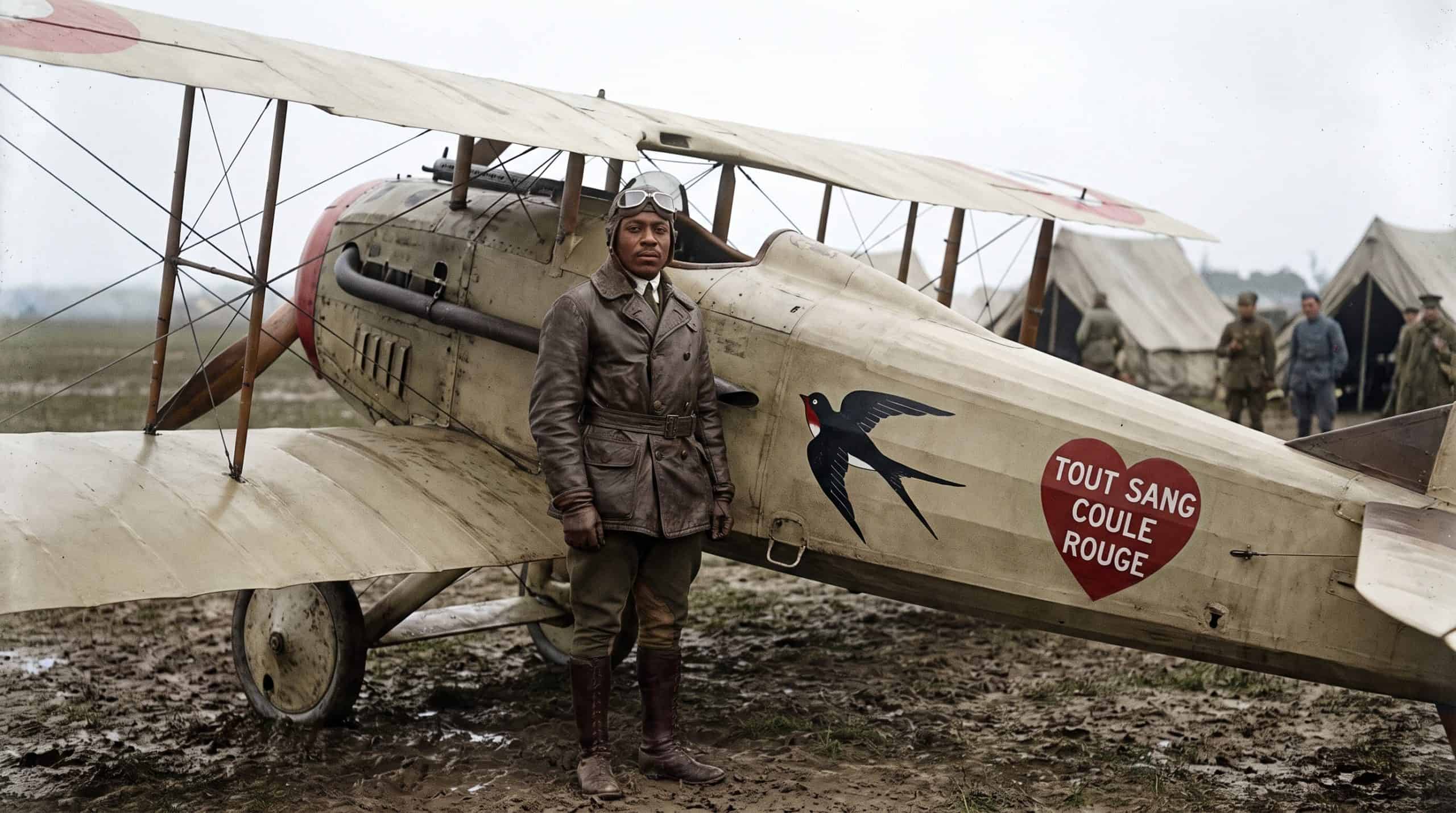
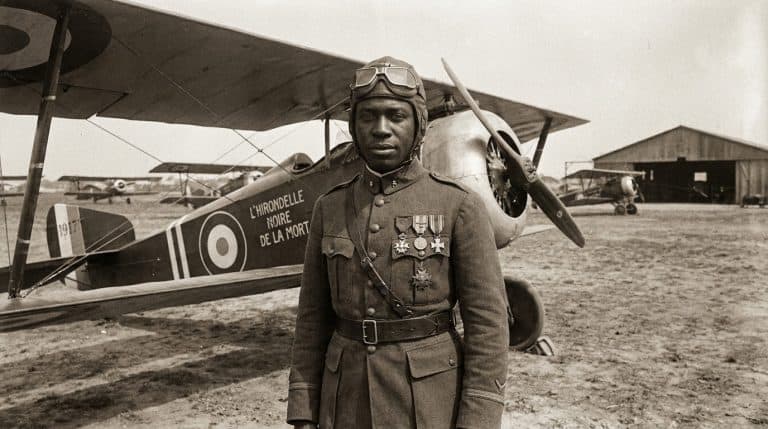
‘The Black Swallow of Death.’ It sounds like a movie title, but actually, it was the nickname of a real World War I pilot named Eugene Bullard. He left America to fight for France and served in the French Foreign Legion.
He was wounded during the Battle of Verdun, and he got his nickname after becoming the first African American military pilot. He flew combat missions for France, however, and not the United States, although the nickname still stuck. He was that good of a soldier.
Smoke and beard
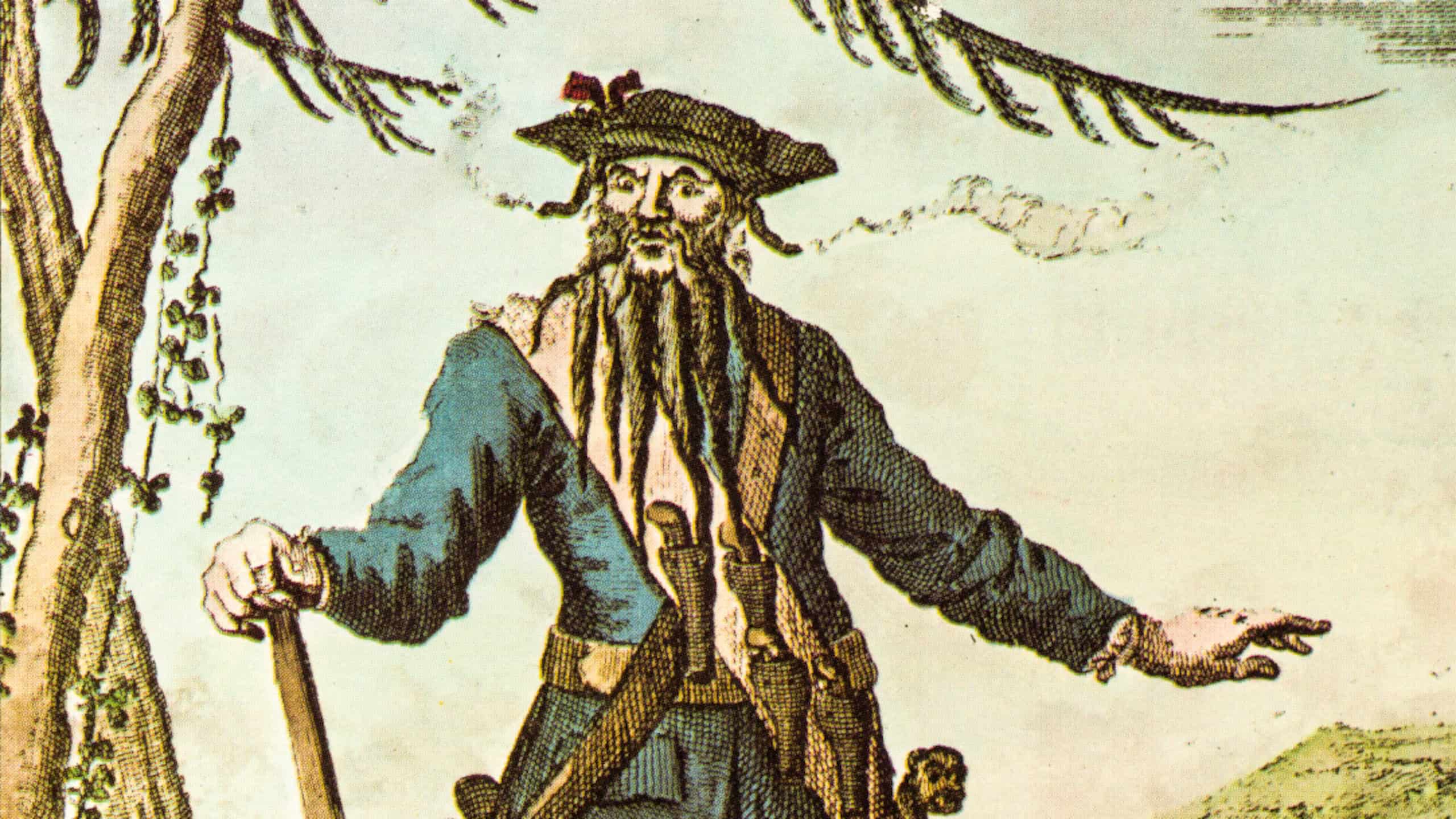
Practically everyone knows the nickname ‘Blackbeard,’ but most people don’t know his real name, which was Edward Teach. The nickname, as you might’ve guessed, came from Teach having a very long, black beard, although the color wasn’t an accident.
Teach tied slow matches under his hat during fights. Why? Because then the smoke would go around his face to make him look even scarier, and that was exactly how he wanted his enemies to feel.
Red did the work
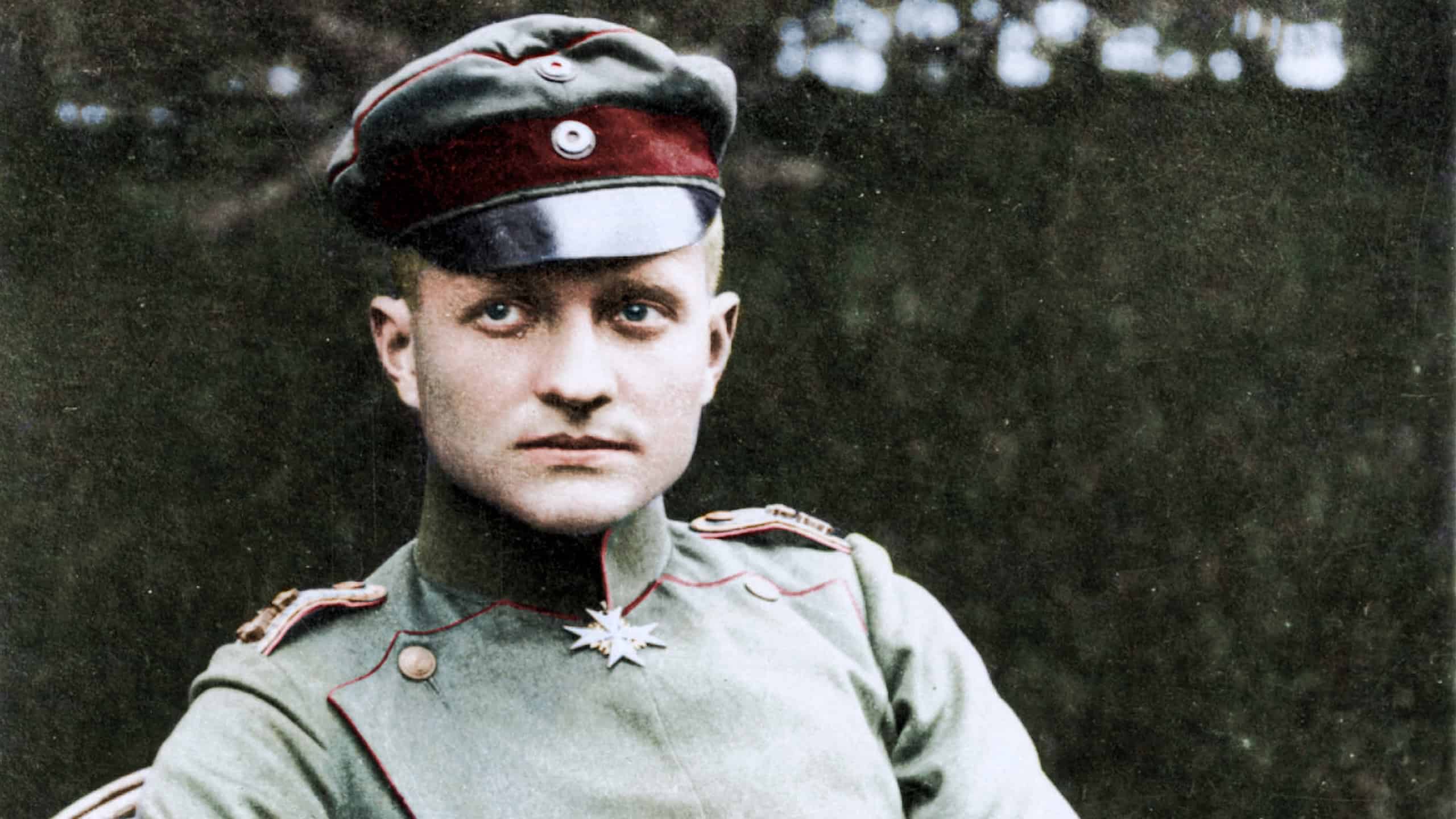
Some of the best nicknames are the simplest ones, and that’s exactly what happened with the German baron Manfred von Richthofen. He fought for his country during World War I, and he flew aircraft that he painted red, leading to the nickname ‘The Red Baron.’
He actually became one of Germany’s most famous pilots and was credited with 80 victories in the sky before he was killed in action in 1918. Still, his red plane made him pretty famous, even to this day.
A heart got louder
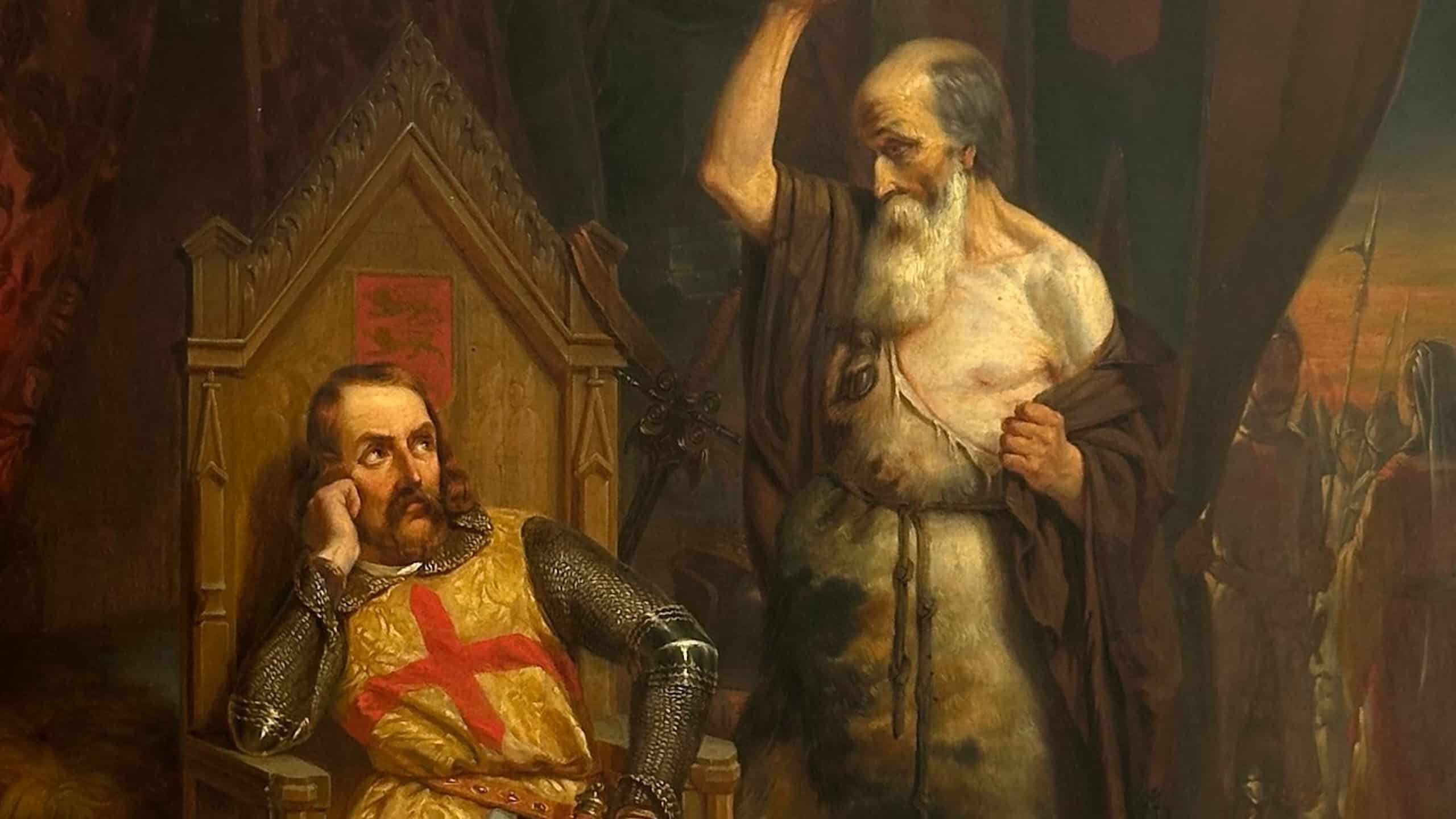
With a nickname like ‘The Lionheart,’ you kind of expect that Richard I was going to be brave. He was. Yes, he completely lived up to the name, thanks to his displays of courage and fighting skill as a warrior during the Third Crusade.
An interesting detail about him is that, although he became king of England, he didn’t spend a lot of time in the country since he was fighting so much. Perhaps he should’ve been ‘Richard the Absent’ instead.
Nobody cleaned this up
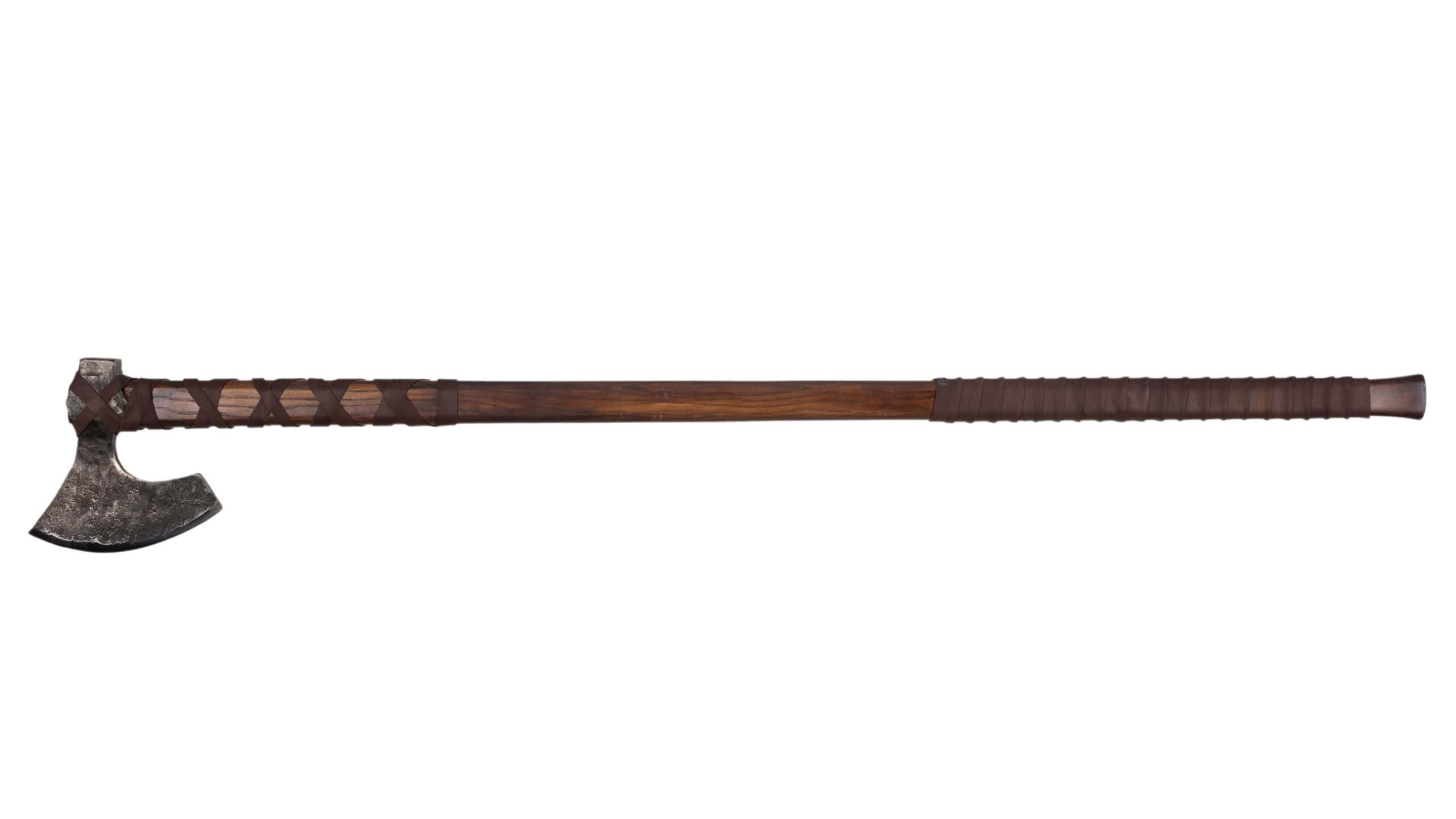
Eric Haraldsson’s nickname was ‘Bloodaxe,’ and it was almost too on the nose, since he likely got it from being so bloodthirsty. He was a ruler during the 10th century in modern-day Norway, and it’s here that he got the Old Norse name blóðøx, or Bloodaxe.
Haraldsson allegedly killed his brothers during the fight for power. It’s not too clear where the nickname came from, maybe real violence, maybe exaggeration later. But either way, Bloodaxe was a fearsome guy, that much is true.
Rome had thoughts
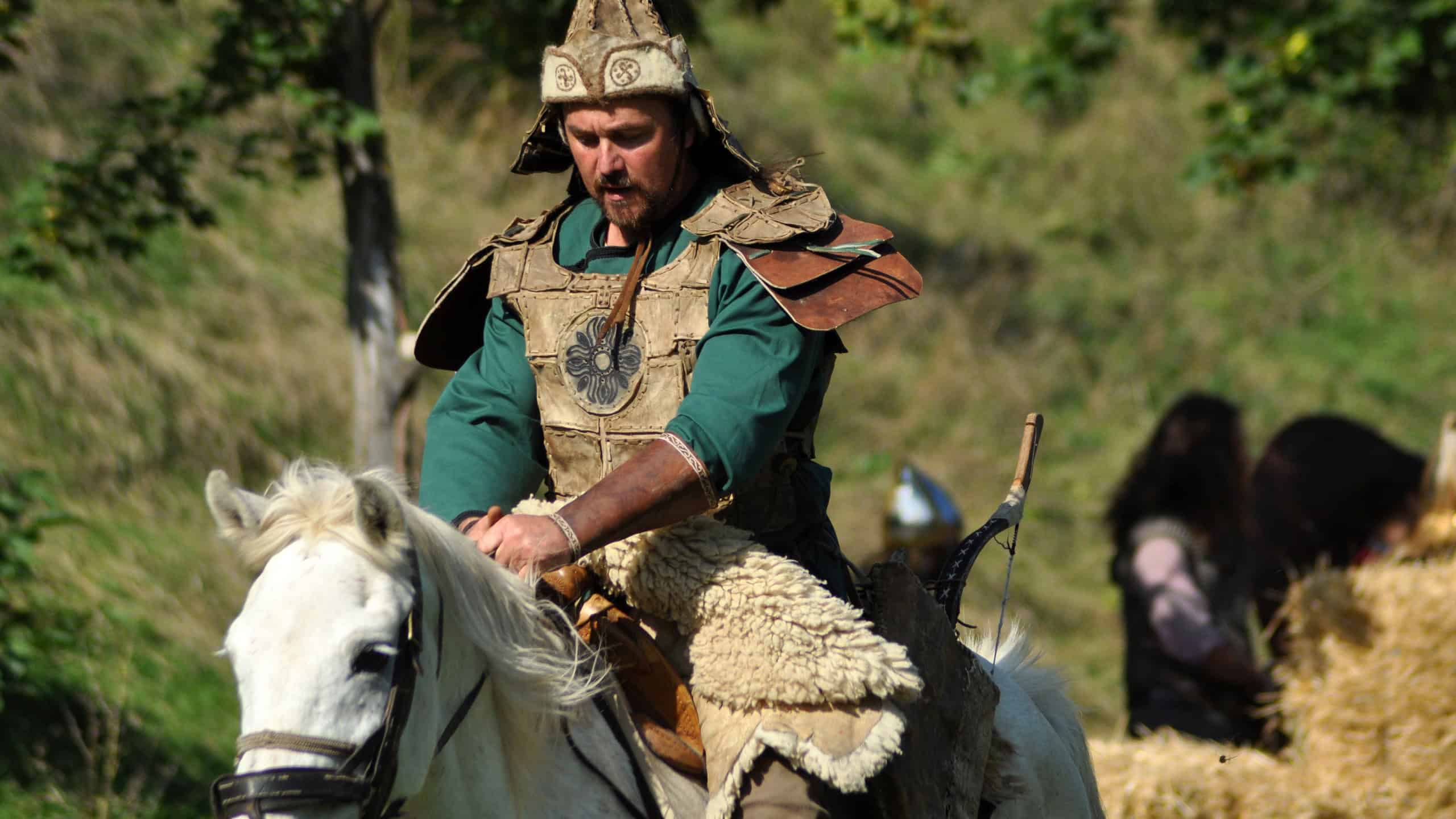
Attila the Hun ruled the Huns during the 400s, later going on to become one of the most feared fighters of the Eastern and Western Roman worlds. He went as far as invading places like Italy and the Balkans.
So, it’s no surprise he got the nickname, ‘The Scourge of God.’ People were genuinely terrified of him, and they thought that he had to be a force sent from up above, maybe as punishment for humanity’s sins.
A name with teeth
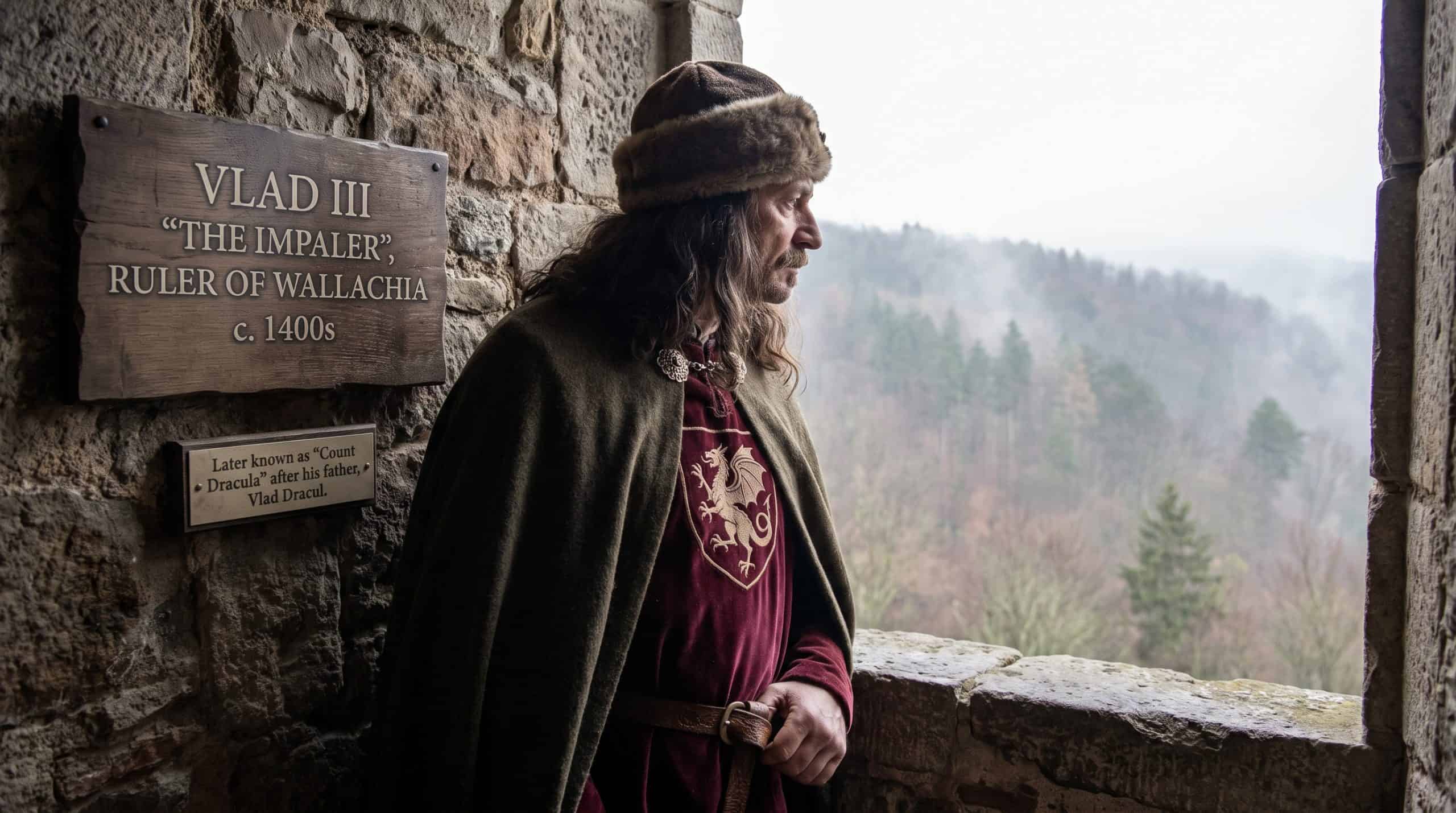
It’s not too hard to find out where Vlad III got his nickname as ‘The Impaler’ from, since he impaled his enemies as a form of punishment. Vlad was the ruler of Wallachia during the 1400s. Later on, writer Tursun Beg called him the ‘Impaler Lord’ because he was that infamous.
You probably know Vlad under another name, however, and that’s Count Dracula. That didn’t come about until after, and it was thanks to his father’s name, Vlad Dracul, although there’s no evidence Vlad was actually a vampire.
A rebel with a Roman echo
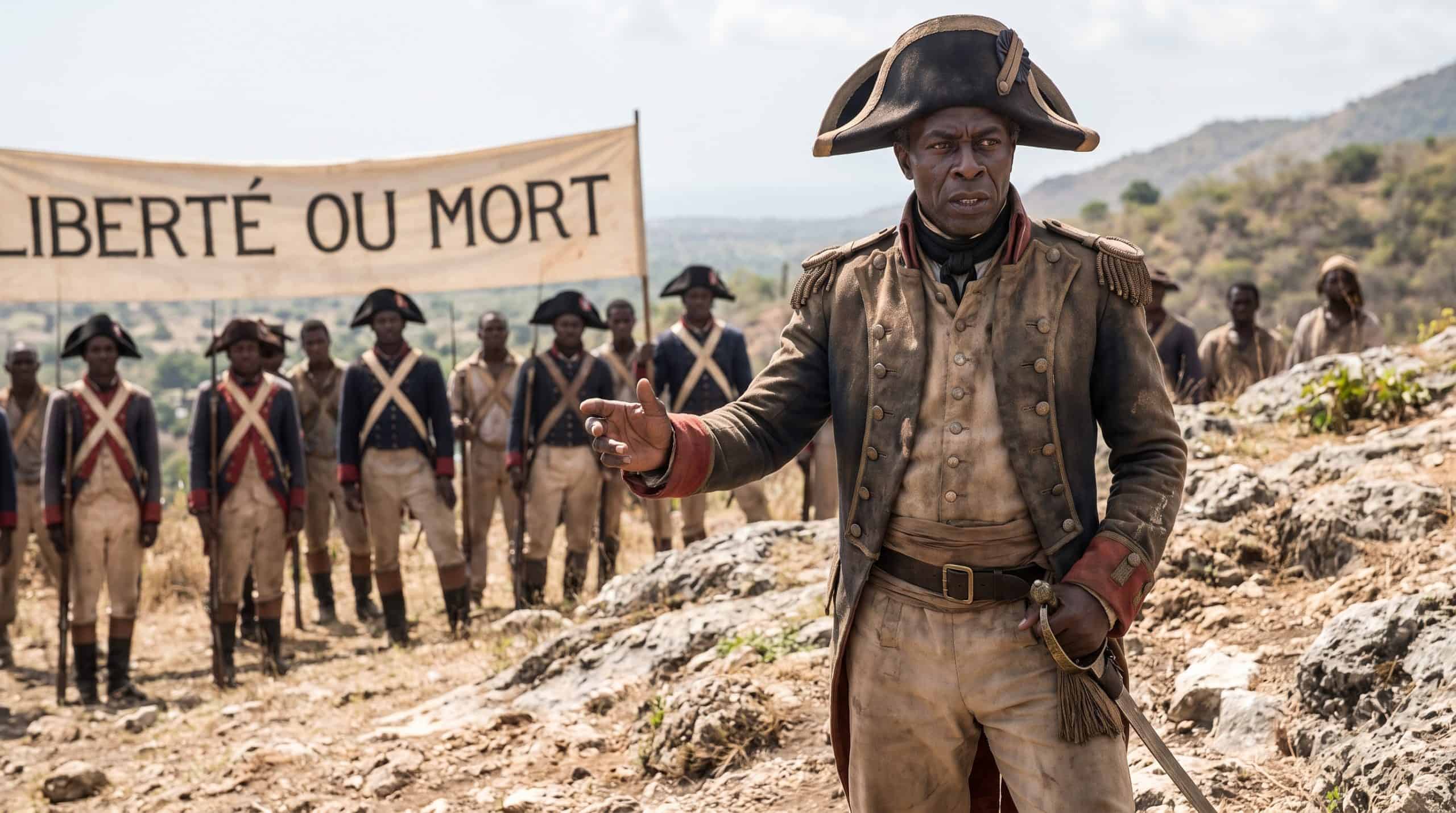
Toussaint Louverture was the leader of the Haitian Revolution, and he helped turn a slave rebellion into something much bigger. He was born a slave in Saint-Domingue, a French colony in modern-day Haiti, and his part in the rebellion led to the nickname ‘Black Spartacus.’
You know, like the Roman rebel Spartacus who also led an uprising, this time against Rome. Even Toussaint’s last name, Louverture, was a nickname that meant ‘opening,’ and it came from how he found ‘openings’ in battle.
One eye, huge reputation
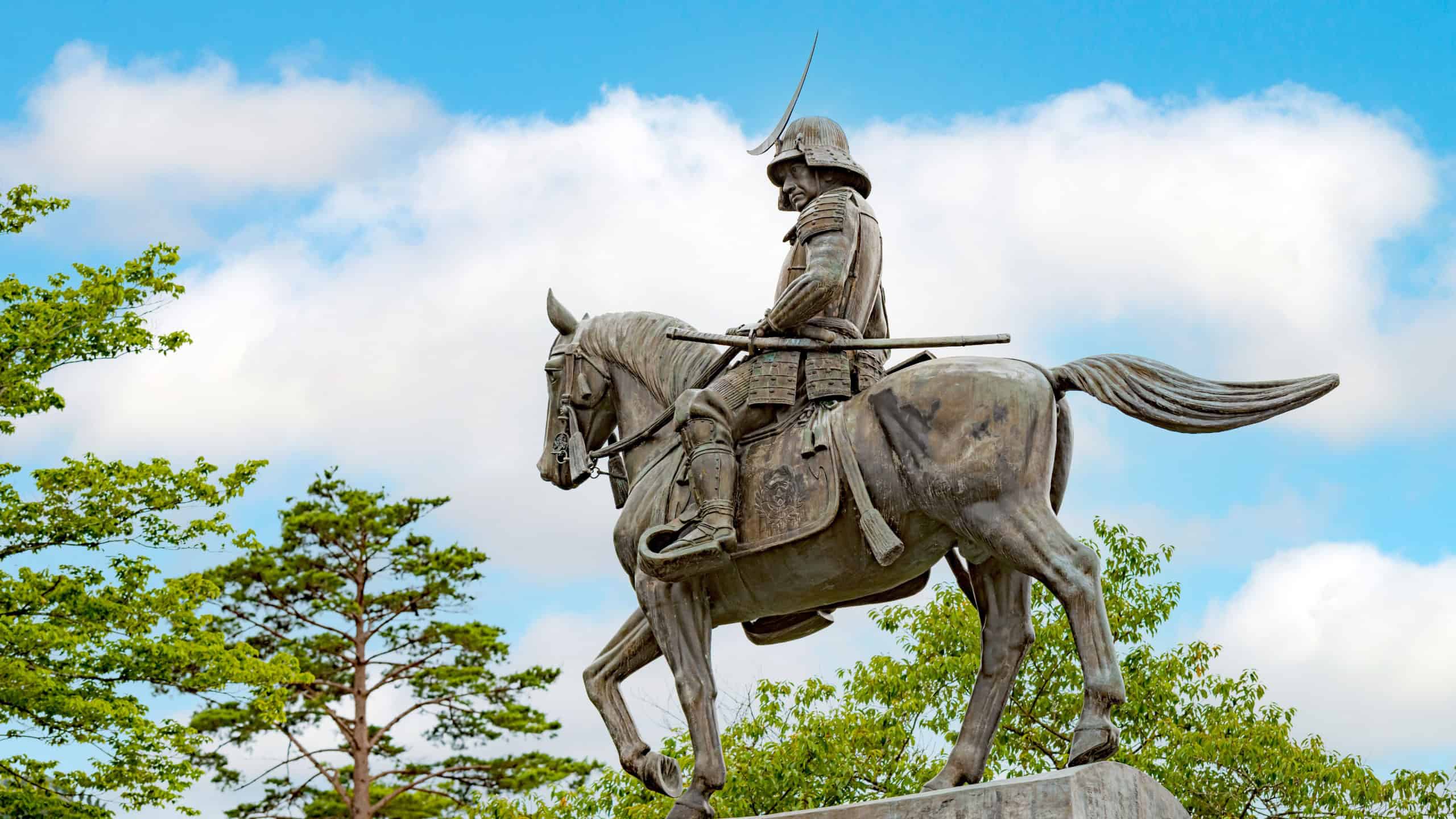
Date Masamune received the nickname ‘The One-Eyed Dragon’ mostly because he was unable to see from one of his eyes. He became one of the most fearsome warlords in Japanese history. But one of the most interesting facts is that his nickname didn’t appear during his lifetime.
No, there are no Sengoku-period documents from his lifetime that talk about him. It was only during the 1830s, almost three hundred years after he was born, that the name appeared. You’ve got to be pretty legendary to get a nickname like that after you’ve died.
Dark name, unclear reason
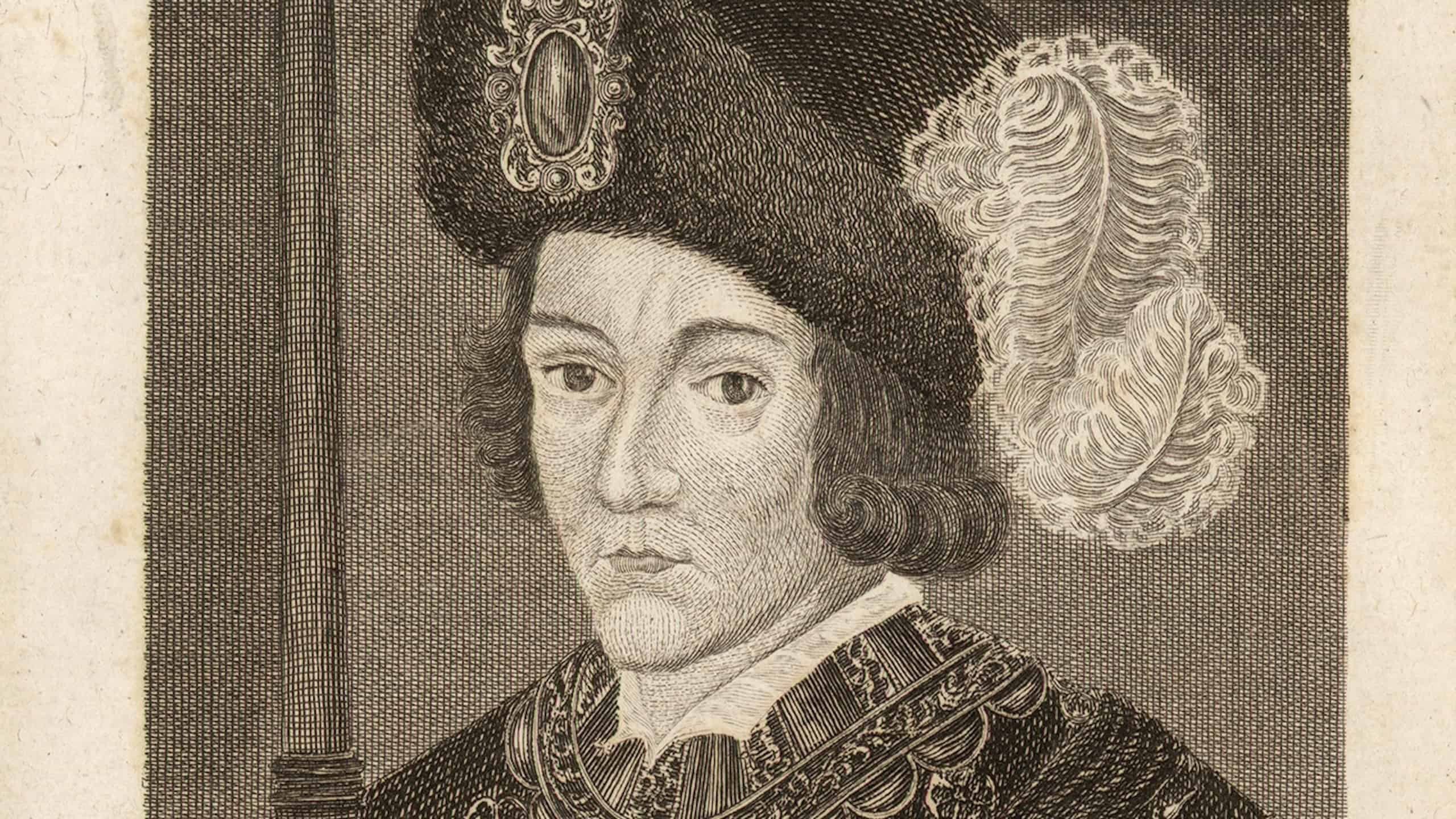
You might think that someone with a title like Edward of Woodstock would have a regular nickname. But no. He became known as ‘The Black Prince’ and was one of the leading commanders during the Hundred Years’ War.
Like Masamune, however, the nickname appeared much later, more than 150 years after he died, to be exact. Nobody even knows where it came from. Maybe his black armor, his shield, his reputation in France, who knows? The nickname still managed to stick around, though.
Orkney went hard
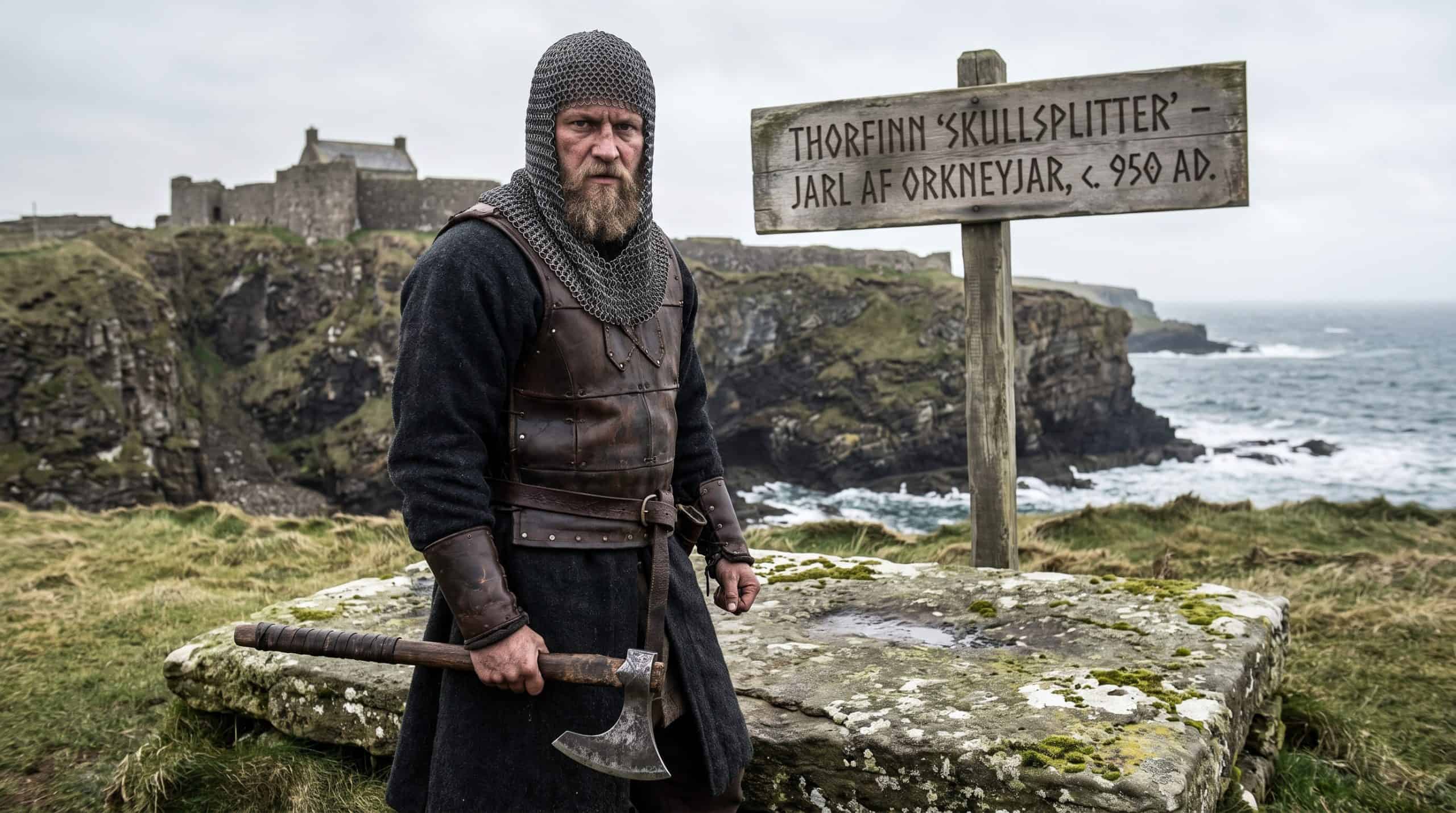
Nobody’s going to forget a nickname like ‘Skullsplitter’, that’s for sure. It’s the nickname for a 10th-century Earl of Orkney, whose real name was Thorfinn Torf-Einarsson, although it’s also unclear where the nickname actually came from.
We know he had it, yes, and it’s likely from his strong military power, sure, but there’s no definite answer for it. Still, the nickname ‘Skullsplitter’ is enough to scare even the bravest soldier today, honestly.
Not waiting on permission
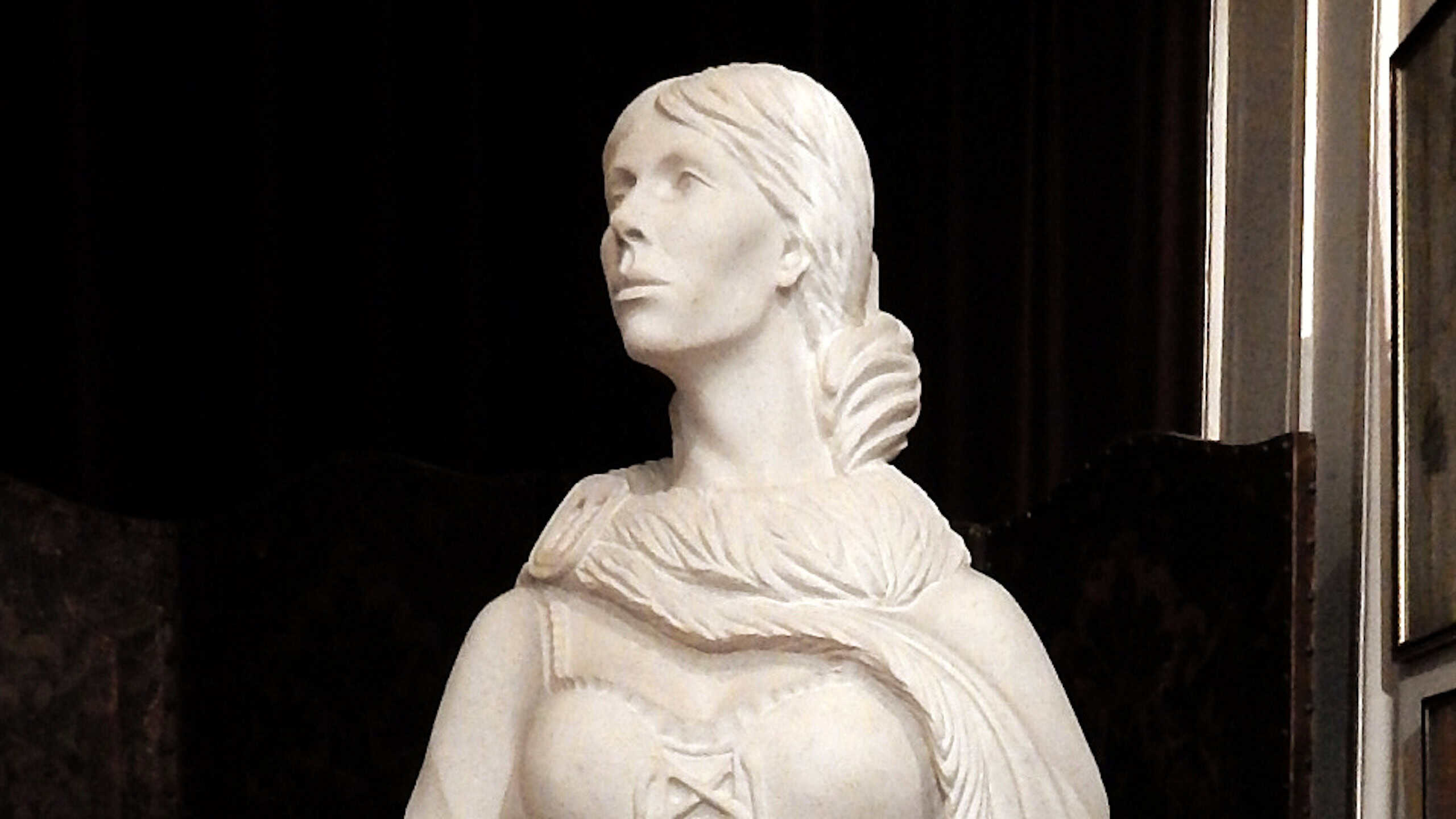
It’s not like ‘The Pirate Queen’ got her nickname from just hanging around the docks or something. Grace O’Malley, her real name, was born into a seafaring Irish clan, so she was pretty used to ships and dealing with fights on the sea.
It didn’t take long for O’Malley to start commanding ships, too, and she also started arguing with English officials at the time. In 1593, the Pirate Queen met Queen Elizabeth I. Why? To, quite literally, negotiate with her, which just goes to show how powerful she actually was.
Sources: Please see here for a complete listing of all sources that were consulted in the preparation of this article.


